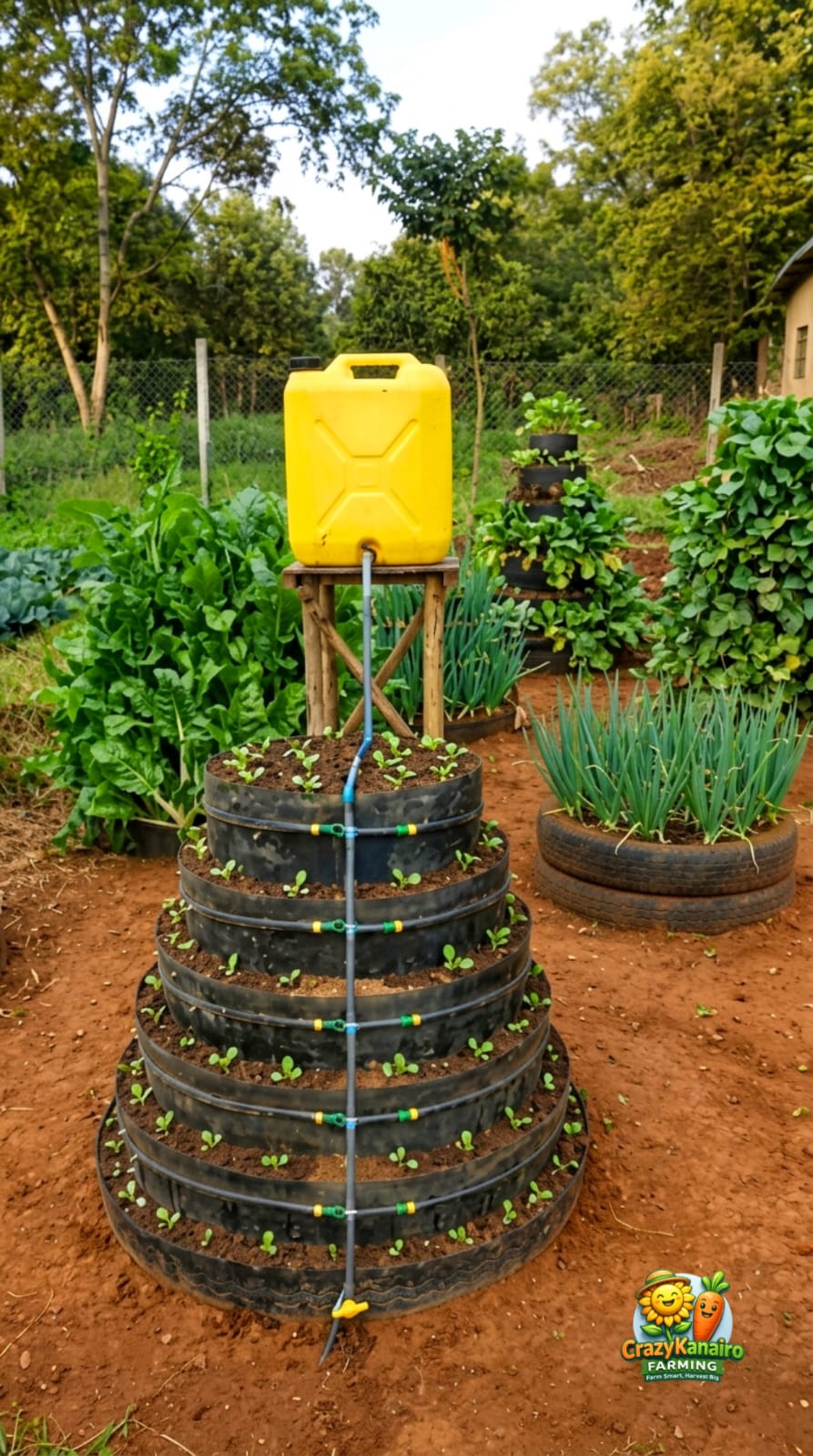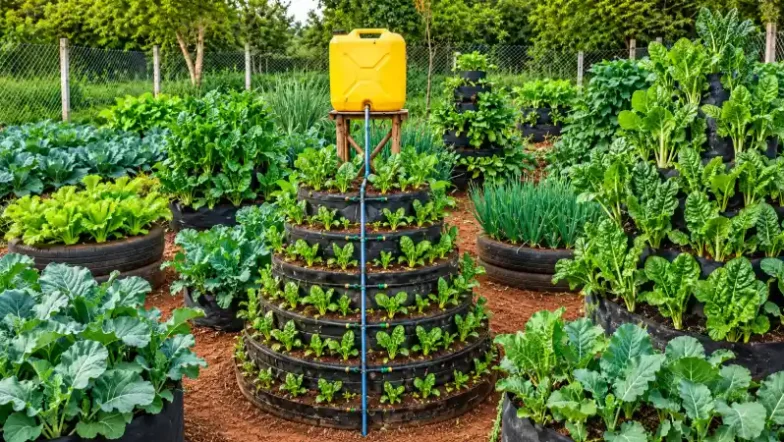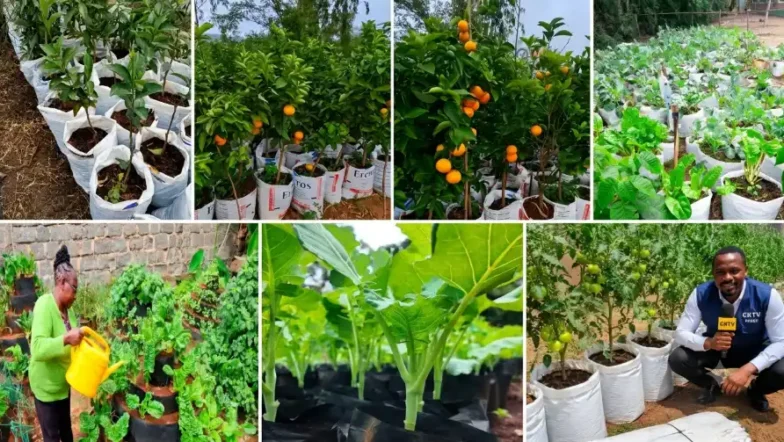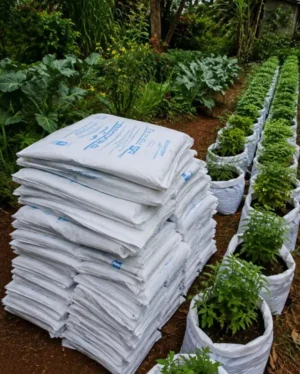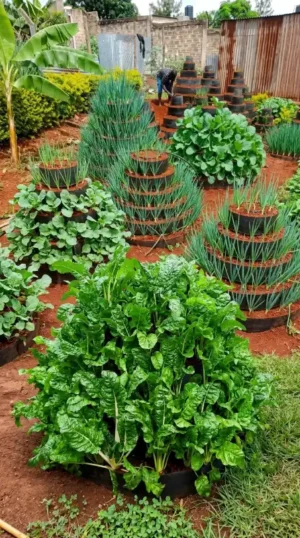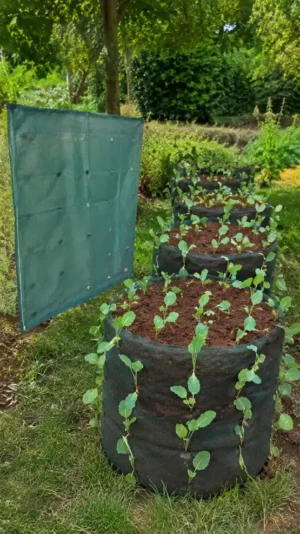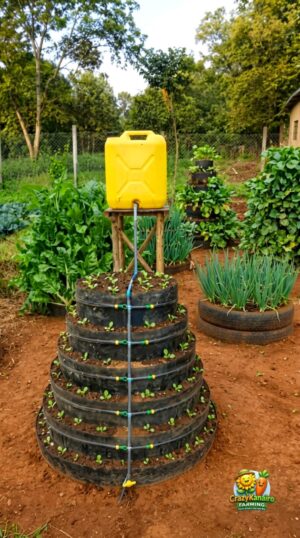
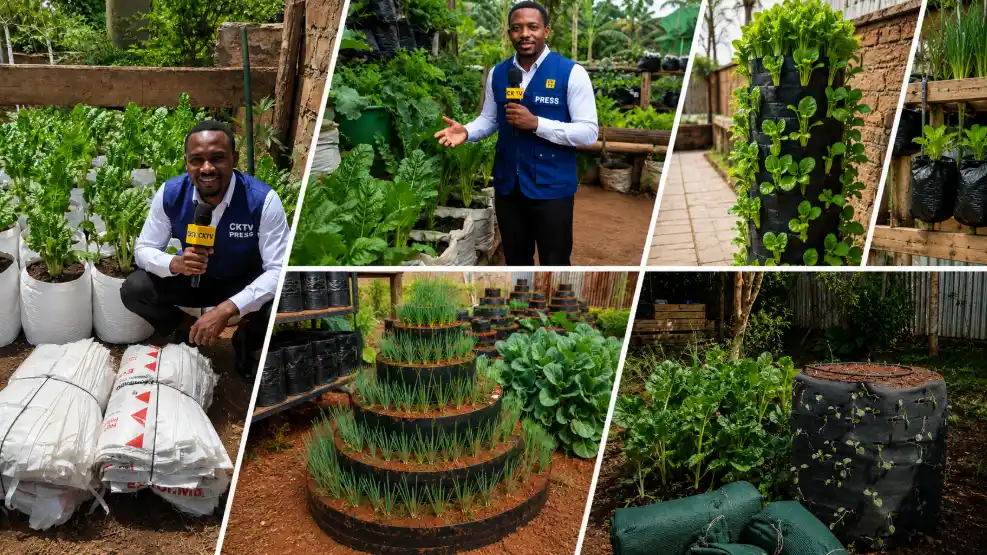

- Urban Optimization: Vertical grow bags and UV-treated towers allow Kenyan urbanites to grow over 50 plants in less than one square meter, making them ideal for balconies and small verandas.
- Durability and Cost: Professional-grade UV-treated bags in Kenya range from KSh 50 to KSh 3,000 and are designed to withstand the intense Kenyan sun for up to eight years without disintegrating.
- High-Value Crops: These systems are specifically engineered for high-density production of kitchen staples such as sukuma wiki, spinach, strawberries, and herbs like coriander and mint.
Table of Contents
Urbanization in Kenya has fundamentally changed how residents interact with their food sources. As land prices in major cities like Nairobi, Mombasa, and Nakuru continue to rise, the availability of traditional gardening space has plummeted. Most city dwellers now live in apartments where the only outdoor space is a small balcony or a shared paved compound. This shift has created a massive demand for innovative agricultural solutions that do not require open soil. Grow bags have emerged as the most practical and efficient answer to this urban challenge.
The rise of the kitchen garden movement is not just about saving money on groceries; it is about food safety and health. Many Kenyans are increasingly concerned about the high levels of pesticide residues and irrigation with contaminated water found in some commercial vegetable markets. By using grow bags, you take full control of the growing environment. You decide the quality of the soil, the type of fertilizer used, and the source of the water. This ensures that your family consumes organic, fresh, and nutrient-dense vegetables regardless of your living situation.
Read Also: Organic Fertilizer in Kenya: Complete Guide to Compost, Manure & Vermicomposting (2026)
This guide serves as a comprehensive resource for anyone looking to start or expand an urban garden in Kenya. We will explore the various types of space-saving grow bags available, their current market prices for 2026, and how to manage them for maximum yield. Whether you are a beginner looking to grow a few herbs in a window box or a seasoned urban farmer aiming to produce enough sukuma wiki for the whole neighborhood, understanding these systems is your first step toward success.
What Are Grow Bags?
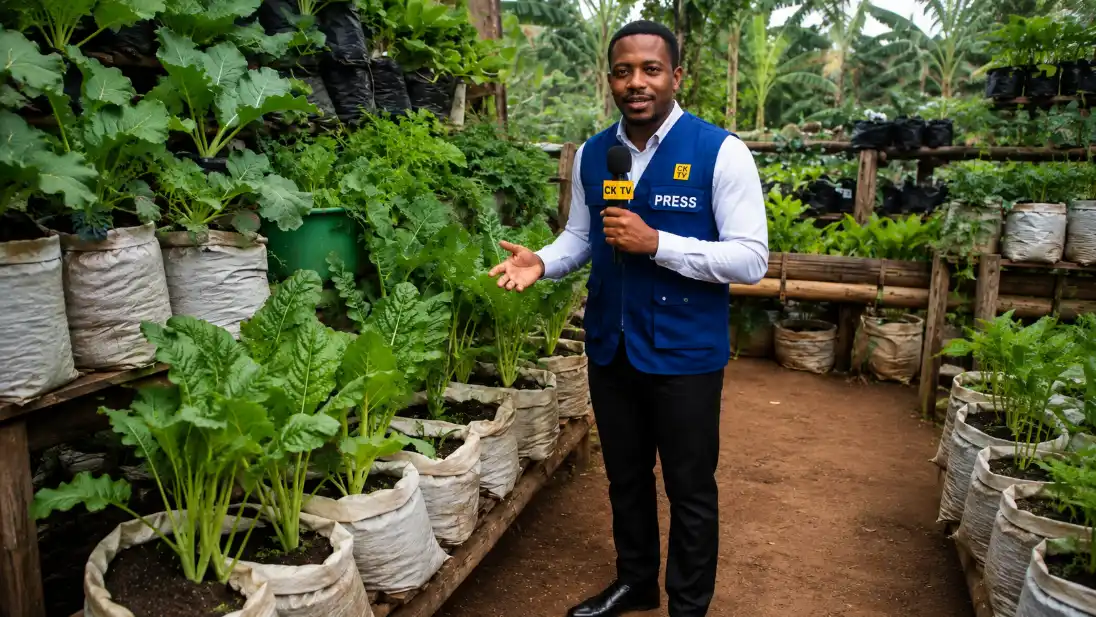
Grow bags are high-performance, flexible planting containers made from materials like heavy-duty UV-treated polythene or breathable non-woven fabrics. Unlike traditional pots, they promote air pruning of roots, which creates a more robust and fibrous root system, preventing the plants from becoming root-bound and stunted.
A grow bag is much more than just a plastic sack with holes in it. It is a specialized horticultural tool designed to overcome the limitations of traditional container gardening. Standard plastic or ceramic pots often trap heat and moisture in ways that can be detrimental to plant health. In the Kenyan climate, where midday temperatures can soar, the roots of a plant in a hard plastic pot can literally cook. Grow bags are designed to breathe, allowing for better temperature regulation within the growing medium.
Read Also: How to Build a Vertical Garden Using Banana Stems: Step-by-Step Guide for Growing Vegetables
The technical advantage of grow bags lies in a process called air pruning. When a root reaches the side of a porous grow bag, it is exposed to air, which naturally causes the tip of the root to dry out and stop growing. This might sound bad, but it actually triggers the plant to produce many small, fibrous lateral roots. These are the roots that actually absorb water and nutrients. In a traditional pot, roots keep growing in a circle until they become a tangled mess, which starves the plant of oxygen and leads to poor yields.
How Grow Bags Differ from Traditional Planting
When you plant directly into the ground in an urban backyard, you are at the mercy of whatever soil is there. In many parts of Nairobi, for example, the soil might be heavy red clay or contaminated with construction debris. Grow bags allow you to bypass these issues by providing a controlled environment. You can fill them with a custom mix of coco peat, manure, and topsoil that is perfectly balanced for the specific crop you are growing. This level of control is impossible with traditional ground-based gardening.
Portability is another major factor. Most urban dwellers in Kenya are tenants. If you invest time and money into improving the soil in a rented backyard, you lose that investment when you move. Grow bags are mobile. If you need to relocate, you simply empty them or move them as they are. This mobility also allows you to shift your garden during the day to follow the sun or to protect delicate plants from heavy rains and hailstorms common in the Kenyan highlands.
Why Are Grow Bags Popular in Kenya?
Grow bags have become popular in Kenya because they offer a mobile, low-cost solution for urban residents who lack land ownership. They allow for the intensive cultivation of organic vegetables on balconies and paved areas while minimizing the risk of soil-borne diseases and pests.
The popularity of grow bags in Kenya can be attributed to several socio-economic factors. First is the shrinking size of urban living spaces. Modern apartment designs often prioritize floor space over outdoor areas. This leaves residents with very little room for traditional gardening. Vertical grow bags solve this by utilizing the height of walls and railings rather than floor area. You can effectively grow thirty spinach plants in the same footprint that would traditionally hold only two or three.
Second is the high cost of living. The price of basic vegetables like onions, tomatoes, and leafy greens has seen significant fluctuations in recent years. For a middle-class family in Kenya, a well-managed grow bag garden can reduce the monthly grocery bill by up to 30 percent. When you consider that a single vertical grow bag can produce a harvest of sukuma wiki every week for several months, the return on investment becomes very clear.
Control Over Growing Media and Pests
Many urban areas in Kenya suffer from soil-borne pests like nematodes or diseases such as bacterial wilt. These can be devastating to crops like tomatoes and peppers. Grow bags allow you to start with sterile growing media like coco peat. Because the plants are elevated or isolated in bags, it is also much easier to monitor for pests like aphids or spider mites. You can treat each bag individually rather than having to spray a whole garden, which reduces the amount of pesticide needed.
Read Also: Best Drip Irrigation System for Small Farms in Kenya (2026 Guide)
Water conservation is another driver of popularity. Kenya is a water-scarce country, and many urban residents rely on metered water or expensive water tankers. Grow bags, especially when used with coco peat, retain moisture much better than open ground. Because you are watering a specific bag rather than a whole plot of land, there is zero waste. This precision irrigation is essential for sustainable urban farming in the 21st century.
5 Best Space-Saving Grow Bags in Kenya
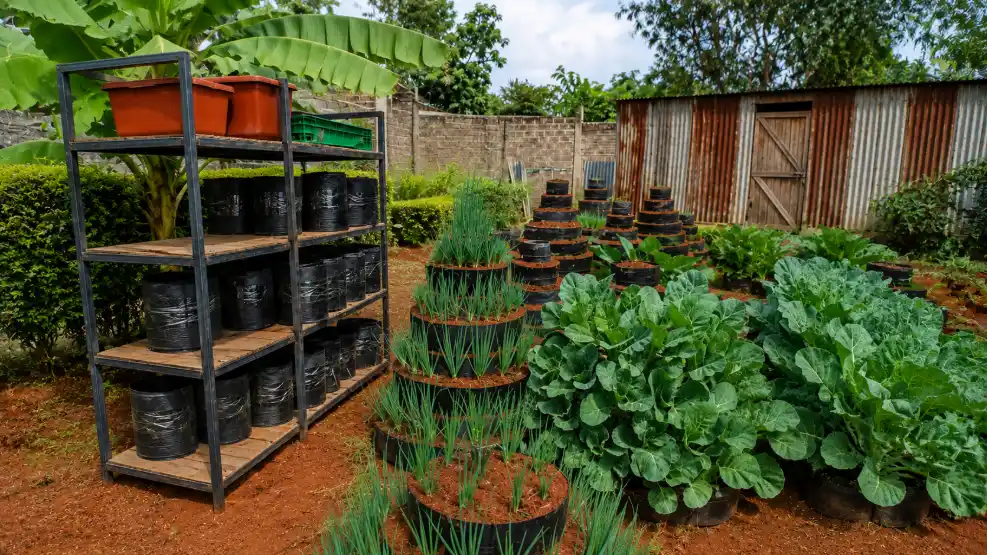
The most effective space-saving options include White UV-Treated Bags for thermal regulation, Vertical Planting Nets for high-density greens, Multi-Storey Towers for maximum efficiency, Drip-Irrigated Systems for automation, and specialized Crop-Specific Selection Guides to match bag volume to plant needs.
When selecting a grow bag, it is important to realize that there is no one-size-fits-all solution. Different crops have different root architectures and water requirements. A strawberry plant needs very little soil volume but needs good drainage, while a tomato plant requires deep root space and heavy feeding. The following five options represent the best available technology in Kenya for maximizing food production in limited spaces.
1: White UV-Treated Grow Bags
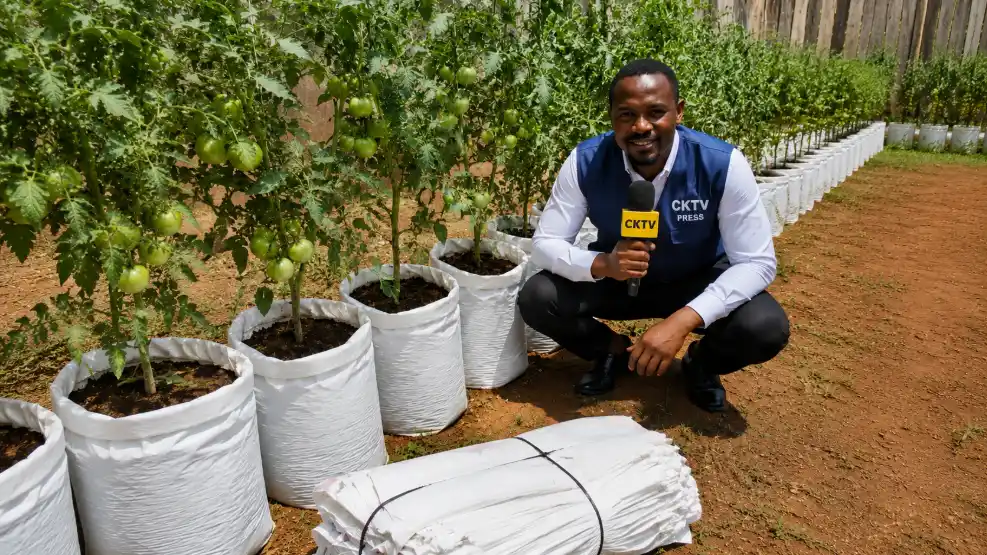
- Overview: These are the standard for high-quality container gardening in Kenya. They are manufactured from thick, heavy-duty polythene treated specifically to resist ultraviolet radiation from the intense equatorial sun. Untreated plastics quickly become brittle and crack within months under local weather, whereas UV-treated bags last for multiple seasons.
- Why use it: The white color reflects sunlight actively, preventing the growing medium from overheating during peak afternoon temperatures. Overheated soil bakes plant roots, causing wilting and drastically reducing fruit yields. These bags provide thermal regulation, excellent durability against tearing, and proper aeration.
- Best for: Tomatoes, capsicum, eggplants, and sukuma wiki.
2: Vertical Planting Net Grow Bags
- Overview: Designed specifically for tight urban spaces, these are long, cylindrical fabric or reinforced plastic bags featuring multiple side holes. They turn vertical walls, fences, or balcony railings into high-density production zones without taking up floor space.
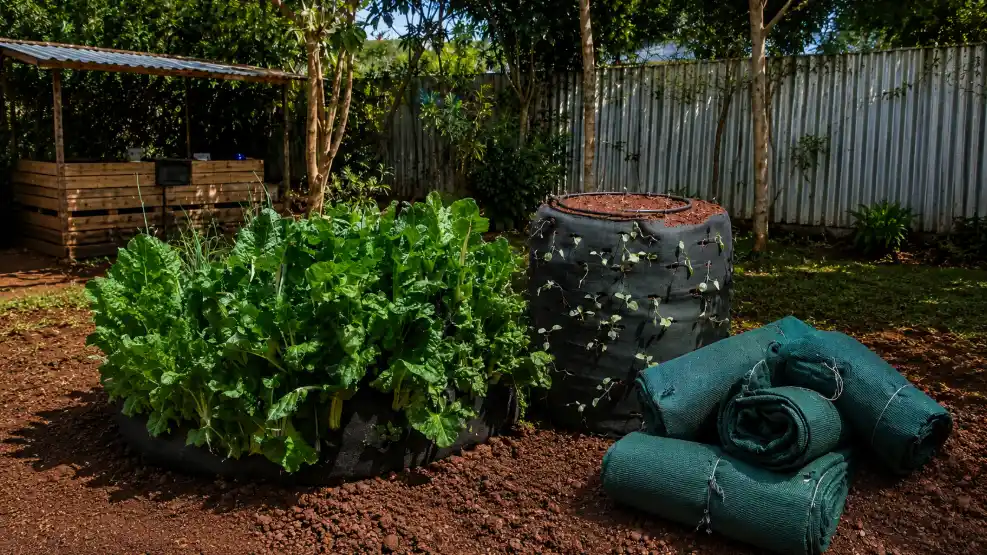
- Why use it: Because crops grow out of side pockets, the leaves never touch the ground, drastically reducing fungal diseases like blight and powdery mildew. It also allows you to harvest your vegetables comfortably at waist height without bending over.
- Best for: Strawberries, spinach, and leafy kitchen herbs like mint and dhania.
3: Multi-Storey Vertical Garden Towers
- Overview: These are structured, stackable modular units that allow you to layer planting beds vertically on a tiny footprint. They offer higher structural stability than hanging net bags and hold a larger volume of soil per tier.
- Why use it: They let you grow dozens of crops in a small footprint, making them ideal for balconies, verandas, rooftops, and other limited spaces. Another major advantage is that you can control the type of soil or growing medium used in each layer, allowing you to provide the right growing conditions for different crops. Once assembled, however, the multi-storey garden is generally kept in one position, so it is best to place it where the plants can receive adequate sunlight.
- Best for: Small balconies, verandas, mixed salads, and varied kitchen herbs.
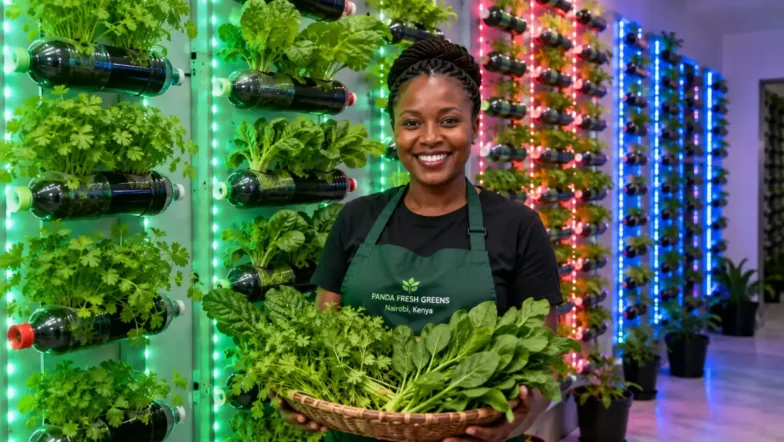
4: Upcycled Jerricans and Plastic Bottles (The Budget DIY Option)
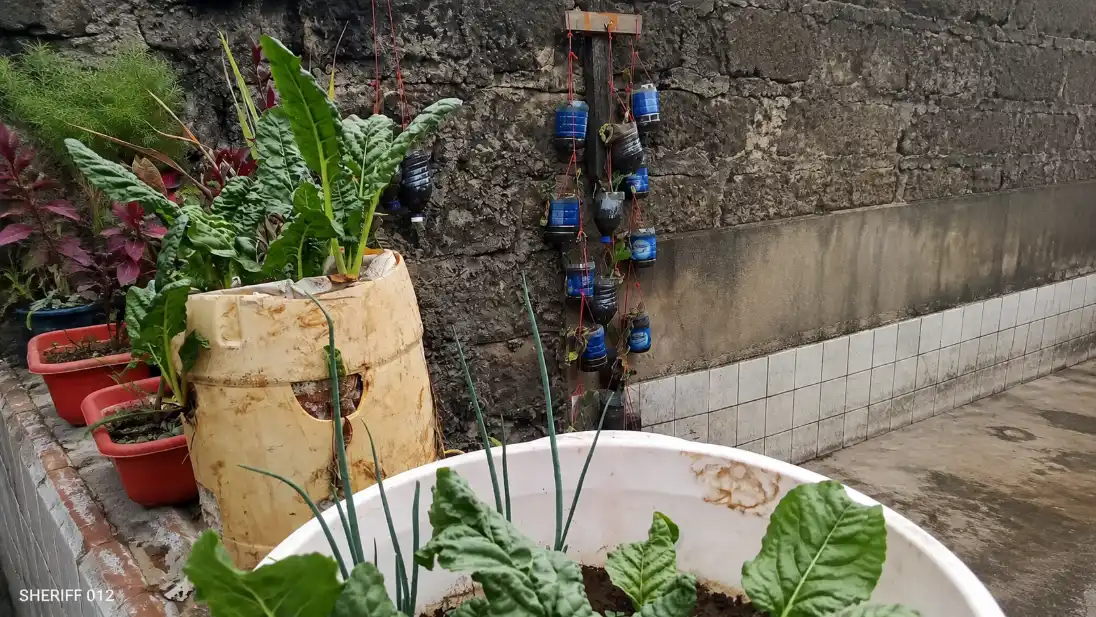
- Overview: You do not need a massive capital investment to start growing food at home. This budget-friendly DIY approach uses discarded 20-litre plastic jerricans cut horizontally or plastic soda bottles tied in vertical tiers.
- Why use it: It is entirely free and solves household waste disposal while providing deep, sturdy chambers for root development. Simply ensure you drill or burn adequate drainage holes at the bottom to prevent water stagnation.
- Best for: Coriander (dhania), bulb onions, spring onions, and shallow-rooted herbs.
5: Wooden Raised Beds and Boxes
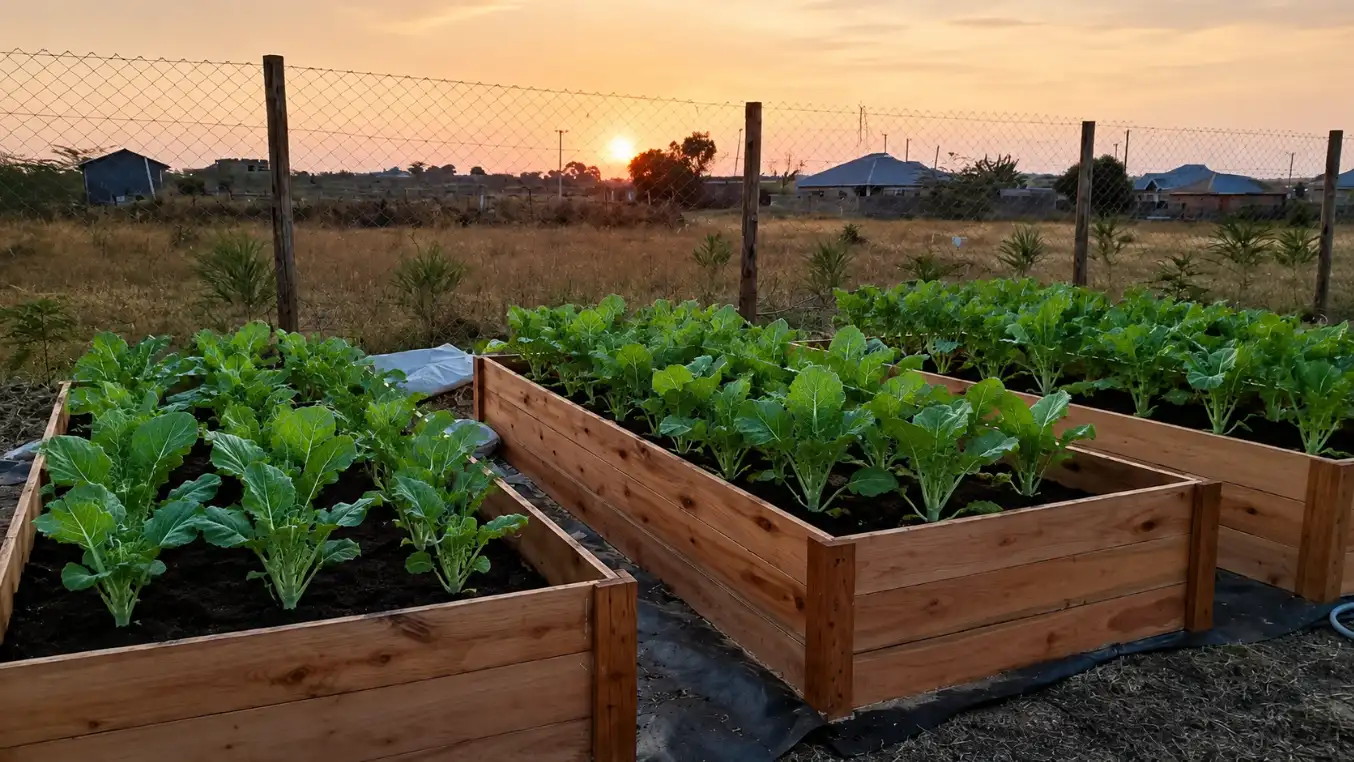
- Overview: Wooden planter boxes provide a classic, sturdy, and long-lasting container option that gives root systems plenty of horizontal space to expand naturally.
- Why use it: They offer exceptional structural stability and a large soil volume, which retains moisture longer than smaller individual pots. Always line the interior walls with heavy-duty polythene plastic, leaving drainage gaps at the bottom, to protect the wood from rotting due to constant moisture contact.
- Best for: Root vegetables like carrots and beetroot, along with broad-leaf kales.
How to Prepare Grow Bags and Space-Saving Garden Containers
Proper preparation is essential before adding soil or planting seedlings. Every container must have sufficient drainage because trapped water deprives roots of oxygen and causes root rot. Position large systems before filling them because they become extremely heavy and difficult to move.
1. Preparing White UV-Treated Grow Bags
White UV-treated grow bags require drainage holes at the bottom and along the lower sides.
- Hold a medium-sized nail securely using pliers.
- Heat the pointed end of the nail over a flame.
- While working outdoors, carefully use the hot nail to make approximately 6 to 10 holes across the bottom of each bag.
- Add another 4 to 8 holes around the lower sides, depending on the bag’s size.
- Allow the melted areas to cool before handling the bag.
- Place the bag in its final position, then fill it with prepared growing media.
- Leave approximately 5 cm of space at the top to make watering and adding compost easier.
Do not make excessively large holes because they will allow soil to escape. Avoid touching the heated nail, inhaling melted-plastic fumes or working near children and flammable materials.
For tomatoes, capsicum and eggplants, plant one seedling in each adequately sized bag. Smaller leafy vegetables and herbs can be planted according to the bag’s width and recommended spacing.
2. Preparing Vertical Planting Net Grow Bags
Vertical planting nets should be positioned before filling because a filled net becomes very heavy.
- Choose a level location receiving at least six hours of sunlight.
- Open the planting net fully and stand it upright.
- Place three strong sticks evenly around the outside of the net to hold its sides upright and keep it open while filling.
- Tie the net loosely to the supporting sticks where necessary. The sticks are temporary and will be removed after filling.
- Place a hollow pipe or open-ended tin vertically in the centre of the net.
- Fill the pipe or tin with small, clean stones.
- Add a mixture of topsoil, well-decomposed manure or compost and coco peat around the pipe.
- As the soil level rises, lift the pipe gradually while continuing to add stones. This creates a continuous stone column through the centre of the net.
- Continue adding soil around the stone column until the net is completely filled.
- Press the soil gently to remove large air pockets, but do not compact it too tightly.
- Water slowly from the top to settle the growing media.
- Add more soil wherever the level drops after watering.
- Once the net is full, firm and stable, carefully untie and remove the three temporary supporting sticks.
- Plant seedlings through the existing side openings, starting from the bottom and working upward.
- Plant the top section last, then water thoroughly.
The three supporting sticks keep the flexible net upright and properly shaped while soil is being added. The central stone column helps distribute water and water-soluble nutrients from the top to the lower planting sections while improving internal drainage.
Use small, clean stones rather than large rocks. Large stones can create wide gaps that allow water and nutrients to drain too quickly.
Check the lower planting holes regularly. Water must reach the entire soil column, not just the plants at the top.
3. Preparing Multi-Storey Vertical Garden Towers
A multi-storey tower must be installed on firm, level ground before soil is added.
- Choose a permanent location with adequate sunlight and access to water.
- Assemble the base and layers according to the tower’s design.
- Confirm that every layer is properly supported and level.
- Fill the lowest layer first using loose, fertile growing media.
- Add and fill the remaining layers one at a time.
- Avoid pressing the soil too firmly because compacted soil restricts drainage and root growth.
- Water each layer during filling to help the mixture settle. (NOT A MUST)
- Top up any section where the soil level drops.
- Plant seedlings around every layer using suitable spacing.
- If using drip irrigation, test the system before planting and confirm that every level receives water.
Place larger or deeper-rooted crops in sections with more soil volume. Leafy vegetables, strawberries and herbs are generally better suited to the upper and side planting spaces.
4. Preparing Upcycled Jerricans and Plastic Bottles
Only use clean food-grade containers. Never grow food in containers previously used for pesticides, fuel, oil, paint or industrial chemicals.
- Wash the container thoroughly with clean water and soap.
- Cut the required planting opening carefully and smooth any sharp edges.
- Use a drill or heated nail to make several drainage holes at the bottom.
- Add a few smaller holes along the lower sides.
- Secure hanging bottles or jerricans firmly before adding soil.
- Fill them with lightweight growing media and leave some watering space at the top.
- Water the container and confirm that excess water drains before planting.
Small bottles are suitable for herbs and shallow-rooted vegetables. Larger jerricans provide more soil volume for crops with wider root systems.
5. Preparing Wooden Raised Beds and Boxes
Use untreated timber whenever possible because some chemically treated wood may release unwanted substances into the soil.
- Place the bed on level, well-drained ground.
- Strengthen the corners so the box can withstand the pressure of wet soil.
- Line the interior sides with heavy-duty polythene to protect the wood from constant moisture.
- Do not completely seal the bottom.
- Make drainage openings in the lining and leave the base capable of releasing excess water.
- Add growing media gradually and spread it evenly.
- Water the soil, allow it to settle and top it up where necessary.
- Divide the bed according to the spacing requirements of the selected crops.
Raised boxes need sufficient depth. Carrots and beetroot require deep, loose soil without stones, while sukuma wiki and other leafy vegetables need fertile soil and enough room between plants.
Recommended Growing-Media Mixture
A practical starting mixture for these systems is:
- One part good-quality topsoil
- One part fully decomposed compost or manure
- One part coco peat or another lightweight material that improves moisture retention and aeration
Mix everything thoroughly before filling the containers. Never use fresh manure because it can burn young roots. After filling, water the growing media and confirm that excess water drains properly before transplanting your seedlings.
Choosing the Right Grow Bag for Your Crop
You must match the container to the root architecture of your crop. For example, root crops like carrots and beetroot require deep bags (at least 30cm deep) to allow the roots to develop without hitting the bottom and deforming. Shallow-rooted crops like coriander can thrive in very small, wide bags or even recycled containers.
Read Also: Multi-Storey Vertical Garden Farming in Kenya: Complete Setup Guide 2026
Grow Bags for Sukuma Wiki and Spinach
These are the staples of the Kenyan diet. They have a medium root system and require a bag with at least 10 to 15 liters of volume per plant if grown individually. In vertical systems, they can share a larger volume of soil. They are heavy feeders and benefit from bags that allow for easy top-dressing with manure or organic compost.
Grow Bags for Tomatoes and Peppers
These plants have aggressive root systems and require more stability. A large 30 to 40-liter white UV-treated bag is the best choice. This volume provides enough room for the roots to support a tall, fruit-heavy plant. You will also need to insert a stake into the bag for support, so the material must be strong enough not to tear under the pressure of the stake.
Grow Bags for Root Crops
For carrots, beetroot, and potatoes, the depth of the bag is the most critical factor. There are specialized “potato bags” in Kenya that feature a flap at the bottom, allowing you to harvest the tubers without pulling up the whole plant. For carrots, use a bag that is at least 40cm deep filled with a very loose, sandy mix to prevent the roots from forking.
Grow Bag Sizes: Small, Medium or Large?
Choosing the wrong size is the leading cause of failure for new urban farmers. If the bag is too small, the plant will become stressed and stop growing. If it is too large, you are wasting expensive growing media and taking up more space than necessary. The following table provides a guide for the most common crops grown in Kenya.
| Crop Type | Recommended Bag Volume | Ideal Depth | Best Setup Type |
|---|---|---|---|
| Sukuma Wiki / Kale | 15 – 20 Litres | 25 – 30 cm | Individual UV Bag / Vertical Tower |
| Spinach | 10 – 15 Litres | 20 – 25 cm | Vertical Net Bag / Tower |
| Tomatoes (Indeterminate) | 30 – 40 Litres | 40 – 50 cm | Large Individual White UV Bag |
| Strawberries | 3 – 5 Litres | 15 – 20 cm | Vertical Pocket Bag |
| Carrots / Beetroot | 25 – 30 Litres | 40 cm | Deep Rectangular or Round Bag |
| Herbs (Dhania / Mint) | 5 – 10 Litres | 15 – 20 cm | Small Bags / Hanging Pockets |
What Is the Best Soil Mix for Grow Bags?
The most successful soil mix for Kenyan grow bags is a 1:1:1 ratio of high-quality topsoil, well-decomposed manure, and coco peat. This mix ensures the medium remains airy, retains moisture without waterlogging, and provides a steady supply of essential nutrients for urban vegetable production.
The growing medium is the heart of your grow bag garden. You should never use plain garden soil from the ground. In a container, natural soil tends to compact, becoming as hard as a brick after just a few watering cycles. This suffocates the roots and prevents water from reaching the bottom of the bag. To avoid this, you must create a “fluffy” mix that maintains its structure over time.
Coco peat is the secret ingredient for successful container gardening in Kenya. It is a byproduct of the coconut industry and is incredibly effective at holding water while providing aeration. It can hold up to ten times its weight in water, which is a lifesaver during the dry seasons in Nairobi or the Coast. Always buy compressed coco peat blocks from reputable agrovets to ensure they have been properly washed to remove salts.
The nutrient component of your mix should come from well-decomposed manure or compost. In Kenya, goat and chicken manure are popular choices. However, it is vital that the manure is “cool” or fully aged. Fresh manure produces heat and ammonia as it breaks down, which will kill your plants in the confined space of a grow bag. Mix your topsoil, manure, and coco peat thoroughly on a clean tarp before filling your bags.
What Is the Best Soil and Compost Mix for Grow Bags?
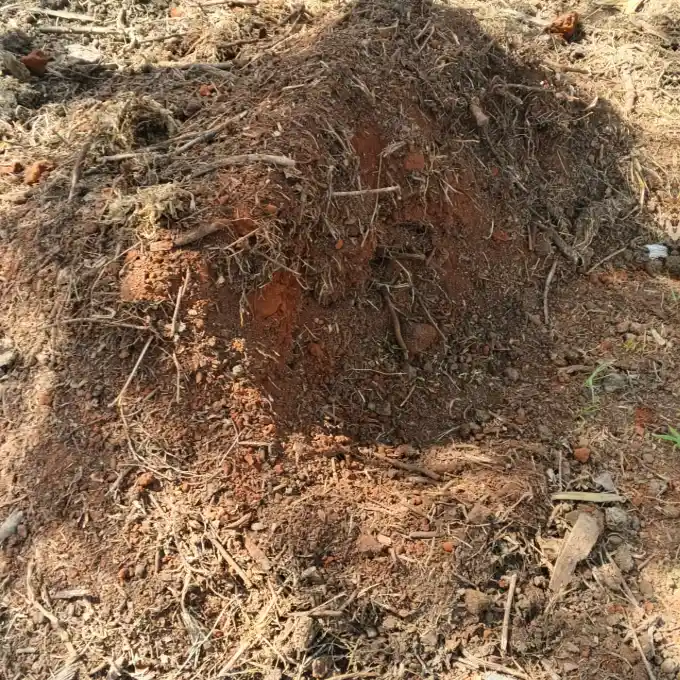
The growing medium is the heart of your grow bag garden. You should never use plain, heavy red soil straight from your backyard ground. In a container, natural red soil tends to compact, becoming as hard as a brick after just a few watering cycles, which suffocates roots and stops drainage.
The Ideal Red Soil and Compost Recipe
The most successful soil mix for Kenyan grow bags is a balanced 1:1:1 ratio:
- High-Quality Topsoil (Red Soil): Provides the structural base.
- Well-Decomposed Manure or Compost: Provides the core organic nutrient component. In Kenya, fully aged goat, cow, or chicken manure are popular choices.
- Premium Coco Peat: Acts as the secret moisture-retention element.
Why Red Soil Needs Amendment
While red soil gives the mix weight and mineral foundation, using it raw will ruin container crops. Blending it with compost and coco peat ensures the medium remains airy, retains moisture without waterlogging, and delivers a steady nutrient supply.
The Role of Coco Peat and Cured Compost
- Coco Peat: A byproduct of the coconut industry, it holds up to ten times its weight in water, acting as a lifesaver during dry spells in Nairobi or the Coast. Buy compressed coco peat blocks from reputable agrovets to ensure they are washed free of excess salts.
- Cured Compost and Manure: Ensure your manure is completely “cool” and fully decomposed. Fresh manure produces heat and ammonia as it breaks down, which will kill your plants inside a confined grow bag. Thoroughly mix your red soil, compost, and coco peat on a clean tarp before filling your bags.
How to Plant Vegetables in Grow Bags
Planting in grow bags requires a slightly different approach than planting in the ground. Because the soil volume is limited, you need to be precise. Following a structured planting guide will ensure that your seedlings take root quickly and begin producing as early as possible.
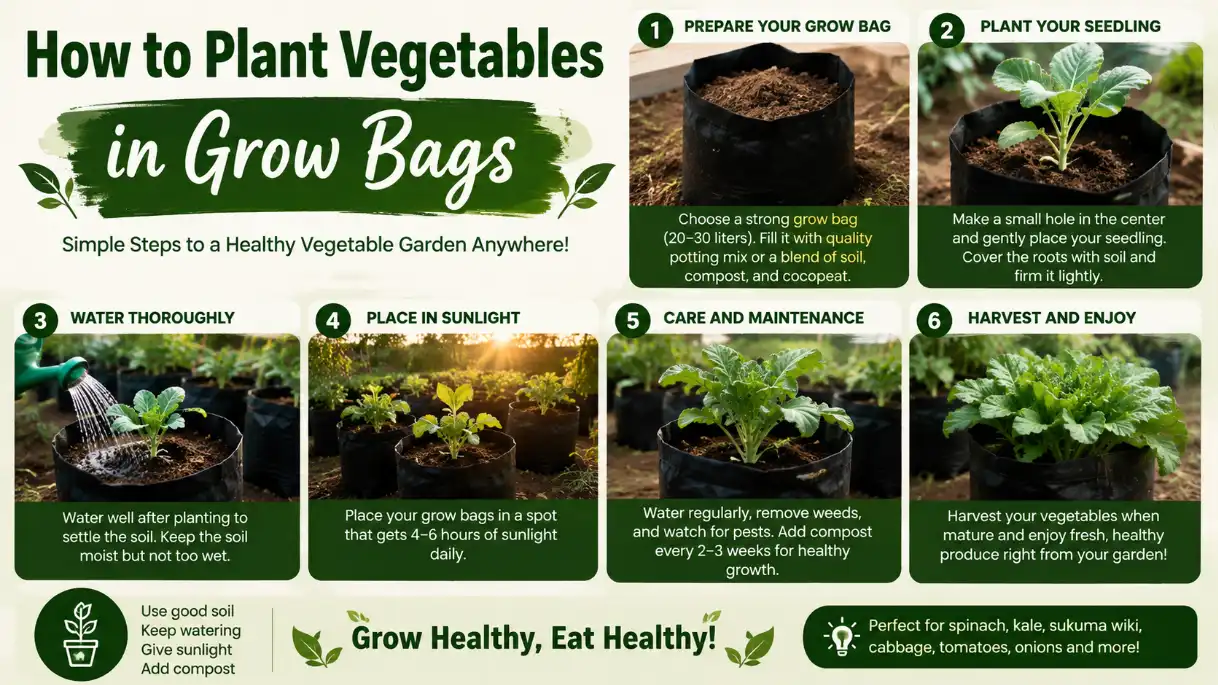
- Step 1: Choose the Right Location: Place your bags where they will receive at least six hours of sunlight. For leafy greens in very hot areas, some afternoon shade is helpful.
- Step 2: Position the Grow Bag: Before filling, place the bag exactly where you want it. Once filled with wet soil, large bags are very heavy and difficult to move without risking a back injury.
- Do grow bags need holes at the bottom?
Yes. A good grow bag should have drainage holes or openings at the bottom to allow excess water to escape. Without proper drainage, water can accumulate around the roots, causing poor growth and root rot. When using grow bags, make sure they are placed on a surface where excess water can drain freely.
- Do grow bags need holes at the bottom?
- Step 3: Prepare the Medium: Use the 1:1:1 mix of soil, manure, and coco peat. Ensure it is moist but not dripping wet before you fill the bag.
- Step 4: Fill the Bag Correctly: Fill the bag to within two inches of the rim. This space is necessary to hold water when you are irrigating so that it doesn’t just run off the top.
- Step 5: Plant Seedlings: It is generally better to use seedlings rather than seeds for grow bags. This ensures that every bag is productive and reduces the time you have to wait for a harvest.
- Step 6: Maintain Spacing: Do not overcrowd the bags. For a standard 20-liter bag, one sukuma wiki plant is usually enough. Overcrowding leads to small leaves and more pest problems.
- Step 7: Water Properly: Water the bag until you see a little bit of water coming out of the drainage holes at the bottom. This ensures the entire soil column is wet.
How to Get Better Yields From Grow Bags
Maximizing yields in grow bags requires consistent management of nutrition and water. Frequent liquid fertilization, ensuring at least six hours of sunlight daily, and the timely harvesting of older leaves to encourage new growth are the primary drivers of high productivity in urban systems.
It is a common misconception that the grow bag itself produces the high yield. The bag is just the infrastructure. The actual yield depends on your management skills. Because grow bags are “high-performance” environments, the plants grow faster and therefore need more food. You cannot just plant and forget them. You must be an active participant in the garden’s life.
Read Also: Vertical Hydroponics vs. Soil Farming: 5 Reasons Why Vertical Wins 2026
One of the most important factors is consistent watering. In a grow bag, the soil can dry out very quickly, especially in the wind on a high-floor balcony. If the soil dries out completely, the coco peat can actually become hydrophobic (it repels water). You want to keep the soil at the consistency of a wrung-out sponge. Using a simple mulch of dry grass or small stones on the surface of the bag can significantly reduce evaporation.
Nutrition is the second pillar of high yields. Every time you water, some nutrients are washed out of the bottom of the bag. To compensate, you should use a liquid fertilizer (like compost tea or a balanced NPK foliar feed) once every two weeks. This provides an immediate boost to the plants. Also, remember to prune. For sukuma wiki and spinach, harvesting the lower, older leaves encourages the plant to put more energy into producing fresh, tender leaves at the top.
Grow Bags vs Traditional Garden Beds
If you are deciding between a traditional shamba and grow bags, consider the following comparison. While traditional beds have their place, grow bags offer specific advantages for the modern Kenyan urbanite who may not have long-term access to land.
| Feature | Grow Bags | Traditional Garden Beds |
|---|---|---|
| Space Needed | Minimal (Vertical options available) | Significant horizontal space |
| Portability | Very High (Move them anytime) | Zero (Fixed to the land) |
| Soil Quality Control | Absolute (You create the mix) | Difficult (Dependent on local soil) |
| Water Efficiency | High (Targeted irrigation) | Lower (High evaporation/runoff) |
| Weed Management | Very Easy (Minimal weed growth) | High (Requires constant weeding) |
| Pest/Disease Control | Easier (Isolated containers) | Harder (Pests spread through soil) |
Grow Bags vs Plastic Buckets and Recycled Containers
Many beginners start by cutting 20-liter yellow jerricans or using old buckets. While this is a great budget-friendly DIY option, it is important to understand the limitations. Plastic buckets are not breathable. They trap heat and do not allow for air pruning. Over time, plants in buckets often become root-bound and stop producing well. Furthermore, standard plastic is not UV-treated and will quickly break down under the Kenyan sun, often lasting only one or two seasons.
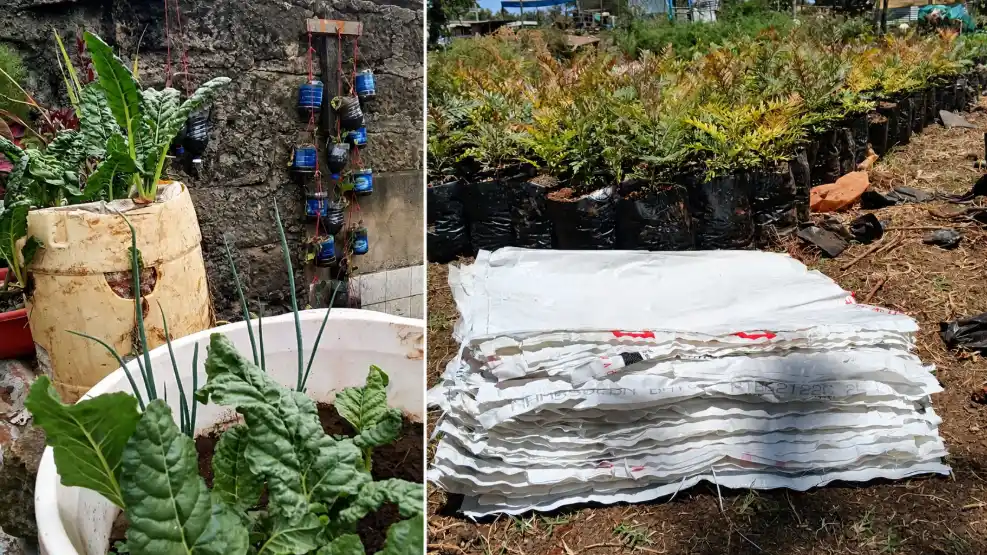
Professional grow bags are engineered for the specific purpose of growing plants. They provide the drainage and aeration that a bucket simply cannot. If you are serious about long-term urban farming, the small additional investment in a UV-treated grow bag pays for itself through higher yields and a much longer product lifespan. However, if you are on a very tight budget, upcycling containers is a valid way to start your journey, provided you poke plenty of drainage holes and keep them out of the direct midday sun.
Grow Bags Prices in Kenya
As of 2026, grow bag prices in Kenya vary based on quality and size: single UV-treated bags cost KSh 50 to 500, vertical planting nets range from KSh 750 to 1200, and complete multi-storey towers are priced between KSh 1750 and 3,000 depending on features.
The prices of grow bags in the Kenyan market have stabilized as more local manufacturers and distributors enter the space. While you can find very cheap bags in some markets, it is always worth checking if they are UV-treated.
| Product Type | Best Use Case | Estimated Price (KES) |
|---|---|---|
| White UV-Treated Bag (Small) | Individual herbs/peppers | 50 – 200 |
| White UV-Treated Bag (Large) | Tomatoes/Eggplants | 100 – 500 |
| Vertical Planting Net (30-pocket) | High-density spinach | 750 – 1,200 |
| Multi-Storey Tower (5-levels) | Balcony kitchen garden | 1,750 – 3,000 |
| Drip-Integrated Tower System | Automated professional use | 3,000 – 5,000 |
Where to Buy Grow Bags in Kenya
If you are looking for where to buy grow bags in Kenya, you have several options. The most reliable way to get high-quality, UV-treated products is through specialized urban farming suppliers. General agrovets may carry some stock, but they often lack the variety and the technical expertise to advise you on vertical systems.
Crazy Kanairo Farming is one of the leading suppliers of space-saving grow bags and vertical gardening systems in the country. They offer a wide range of products specifically designed for the Kenyan climate and urban environment. You can place orders online and have them delivered to any part of Kenya through major courier services.
- Contact Number: +254 751 042 669
- Services: Nationwide delivery, urban garden setup, and technical consultation.
- Product Range: UV-treated bags, vertical nets, multi-storey towers, and specialized growing media like coco peat.
Conclusion: Choose the Right Grow Bag for Your Space
You don’t need a large piece of land to grow healthy vegetables in Kenya. The right grow bag or space-saving gardening system can turn a balcony, veranda, rooftop, paved compound, or small backyard into a productive kitchen garden.
From UV-treated grow bags for tomatoes and other larger crops to vertical planting bags and multi-storey gardens for maximizing limited space, the best option depends on the crops you want to grow, the space available, and how much you want to harvest.
When choosing grow bags, don’t focus only on the price. Consider durability, size, drainage, planting capacity, crop suitability, and whether the bag can be reused. A quality grow bag can serve you for multiple growing seasons when properly maintained.
If you’re ready to start container farming, explore the available grow bags and vertical gardening products from Crazy Kanairo Farming and choose the option that fits your space and farming goals.
Shop Grow Bags and Gardening Products in Kenya
Frequently Asked Questions About Grow Bags in Kenya
What are the best grow bags in Kenya?
The best bags are UV-treated white bags for heat reflection and vertical planting nets for maximizing small balcony spaces. Always prioritize UV resistance for longevity.
Where can I buy grow bags in Kenya?
You can buy high-quality bags from Crazy Kanairo Farming at +254 751 042 669. They offer various vertical systems and nationwide delivery.
How much do grow bags cost in Kenya?
Single bags cost between KSh 50 and 200. Vertical net bags are KSh 750 to 1,200, while multi-storey systems range from KSh 1,750 to 3,000.
What are the different types of grow bags available in Kenya?
The main types include white UV-treated HDPE bags, non-woven fabric bags, vertical pocket nets, and stackable plastic tower systems.
Which grow bags are best for growing vegetables?
Large white UV bags are best for tomatoes and peppers, while vertical nets are superior for leafy greens like spinach and sukuma wiki.
Can I grow sukuma wiki and spinach in grow bags?
Yes, they are highly successful. Use a 20-liter bag for individual plants or a vertical net system for high-density production.
Are UV-treated grow bags durable and reusable?
Yes, genuine UV-treated bags last 5 to 8 years and can be emptied, washed, and reused for many growing seasons.
How many plants can fit in a vertical grow bag?
A standard vertical net bag can hold between 50 and 85 plants, while larger towers can accommodate over 100 plants in one square meter.
What is the best soil mix for grow bags in Kenya?
A mix of 1 part topsoil, 1 part well-decomposed manure, and 1 part coco peat provides the perfect balance of nutrients and aeration.
Can grow bags be used for urban farming in small spaces?
Yes, they are specifically designed for balconies, rooftops, and paved compounds where traditional gardening is impossible.
Featured Products by Category
6 Layer Multi-Storey Vertical Garden with Drip Irrigation System in Kenya
Original price was: KSh3,500.00.KSh2,999.00Current price is: KSh2,999.00.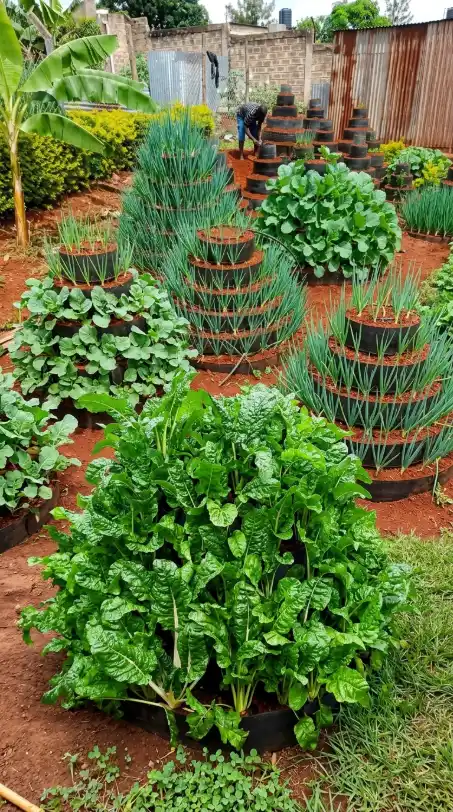
6 Layer Vertical Multi-Storey Garden System in Kenya | Buy Space-Saving Garden Planters
Price range: KSh1,500.00 through KSh150,000.00
Agricultural Shade Nets in Kenya – 55%, 75% and 90% UV-Stabilized
Price range: KSh90.00 through KSh16,000.00
Black Seedlings Planting Bags in Kenya | Nursery Grow Bags
Price range: KSh150.00 through KSh600.00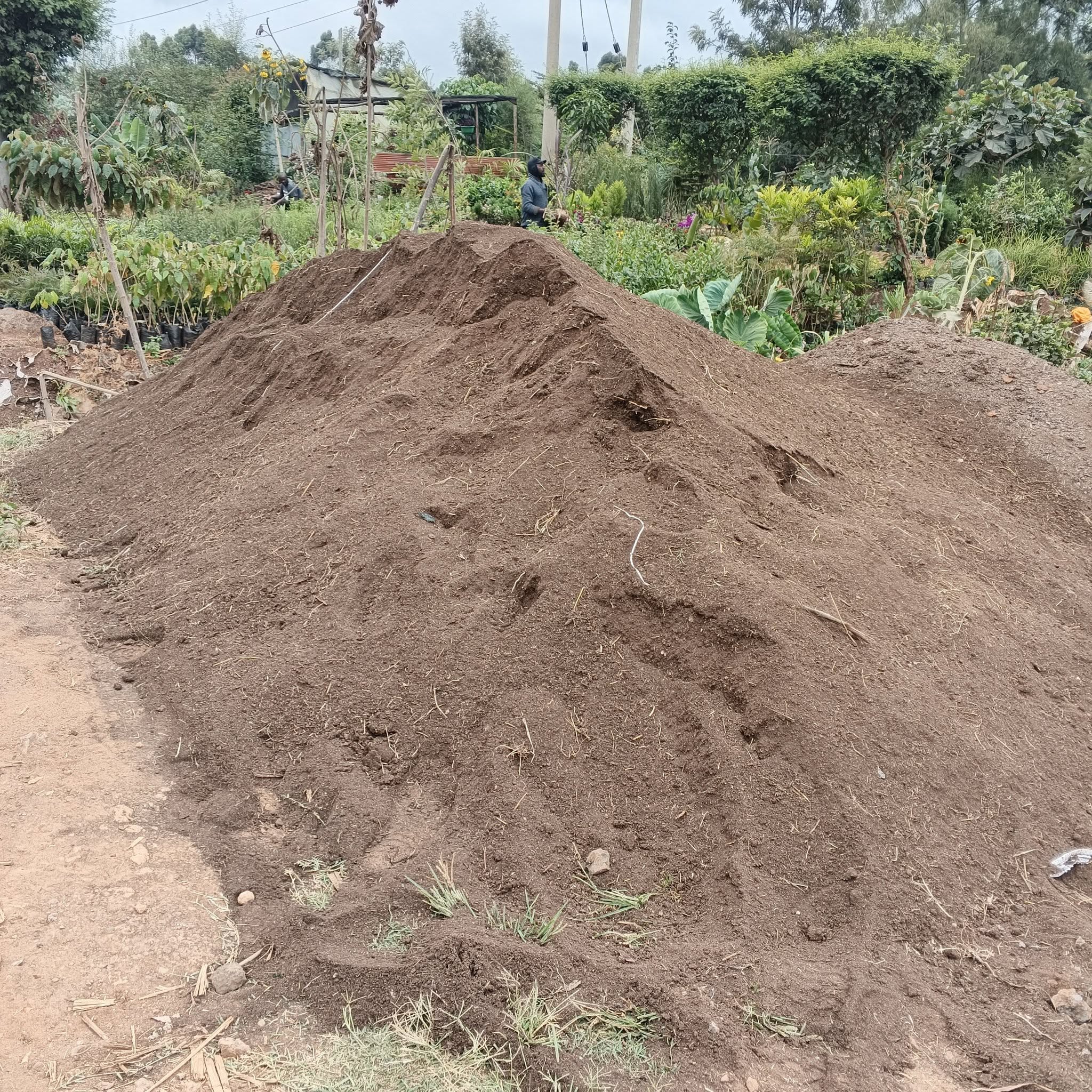
Buy Compost Manure Online in Kenya | Compost for Sale | 70kg bag
KSh800.00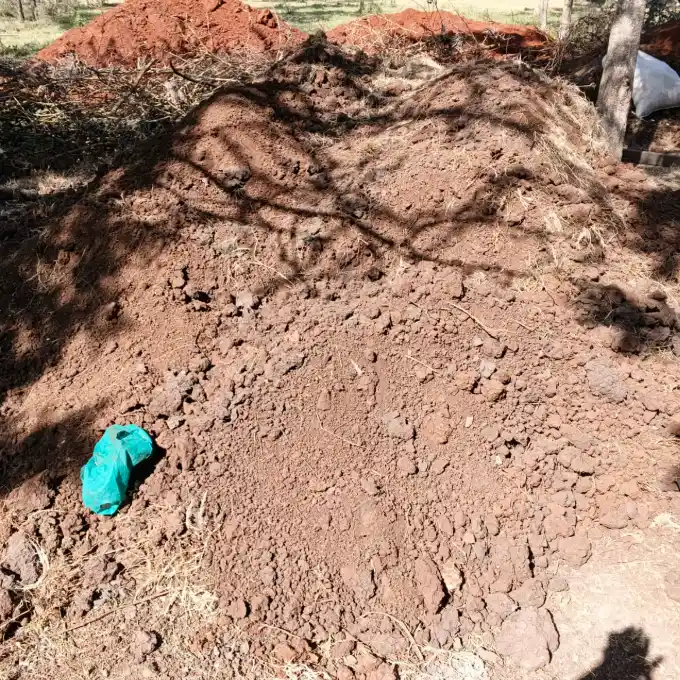
Buy Farm Manure Online in Kenya | Organic Manure for Sale | 70kg bag
KSh700.00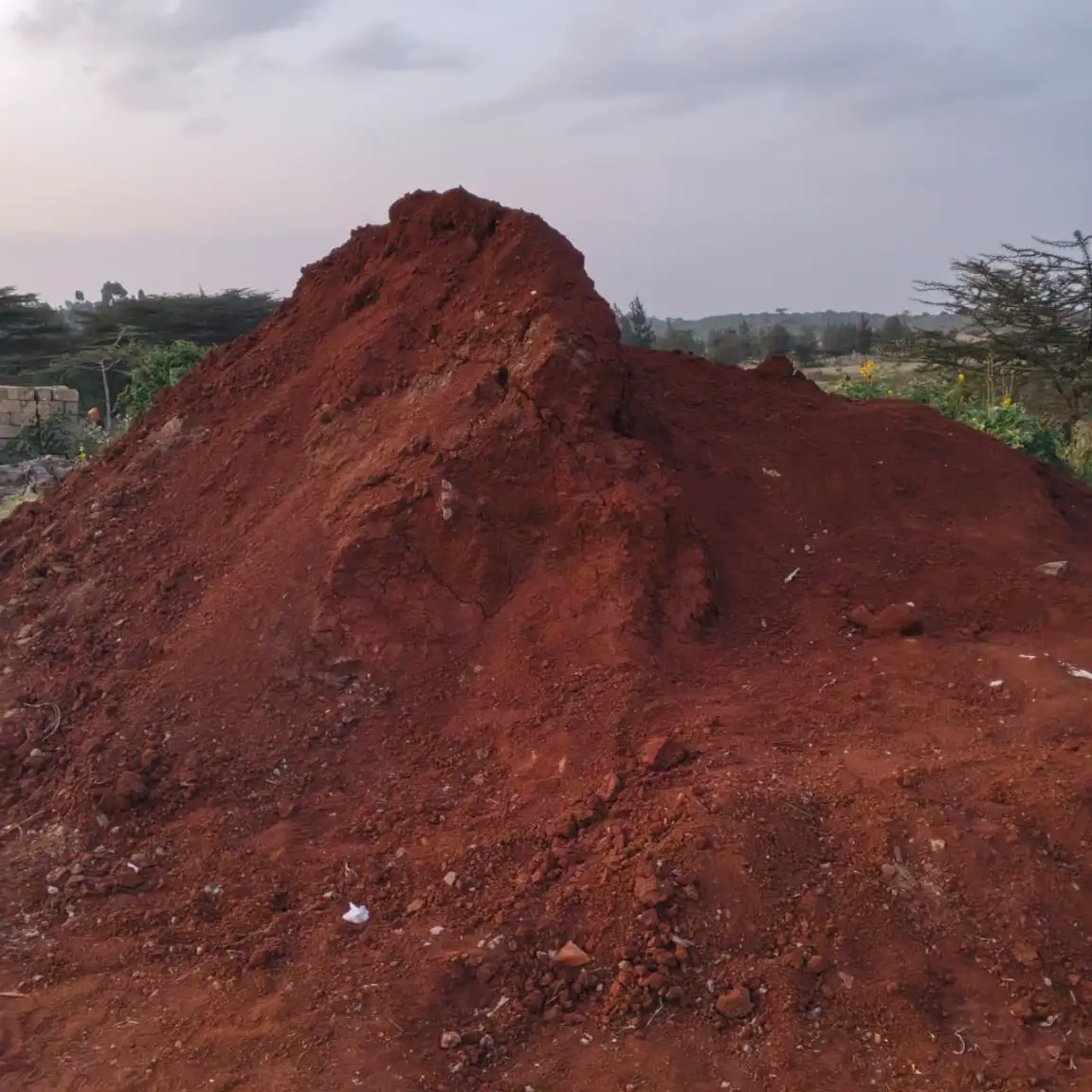
Buy Red Soil Online in Kenya | Red Soil for Sale
Price range: KSh250.00 through KSh15,000.00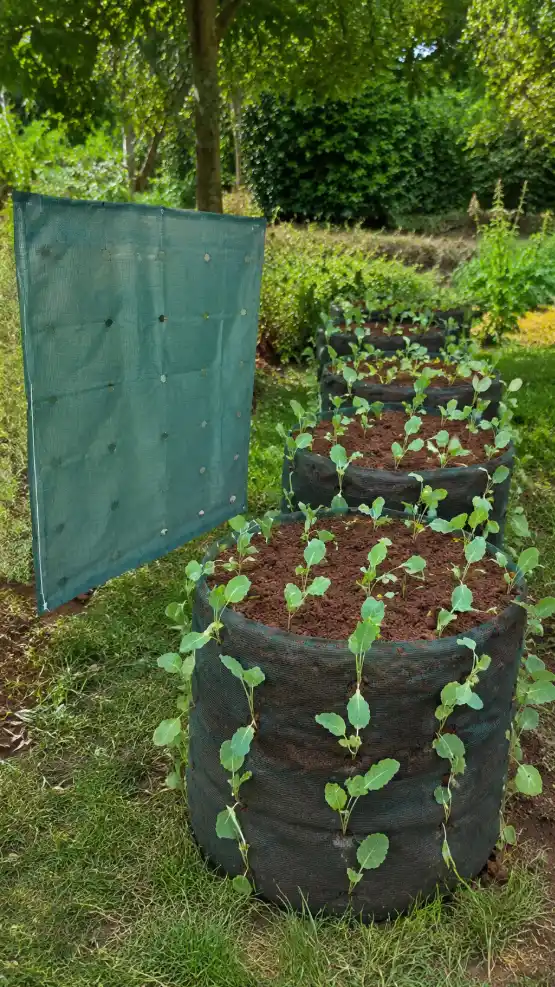
Buy Vertical Planting Net Grow Bags in Kenya | Affordable UV-Stabilized Bags
Price range: KSh900.00 through KSh90,000.00Decorative Plastic Flower Pots & Planters Kenya
Original price was: KSh250.00.KSh200.00Current price is: KSh200.00.