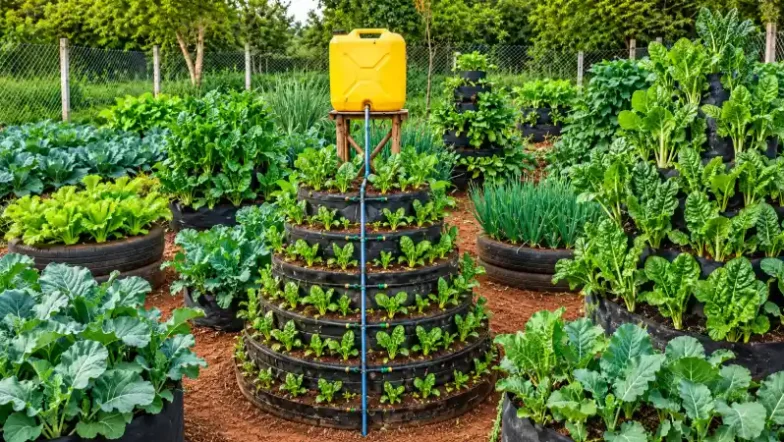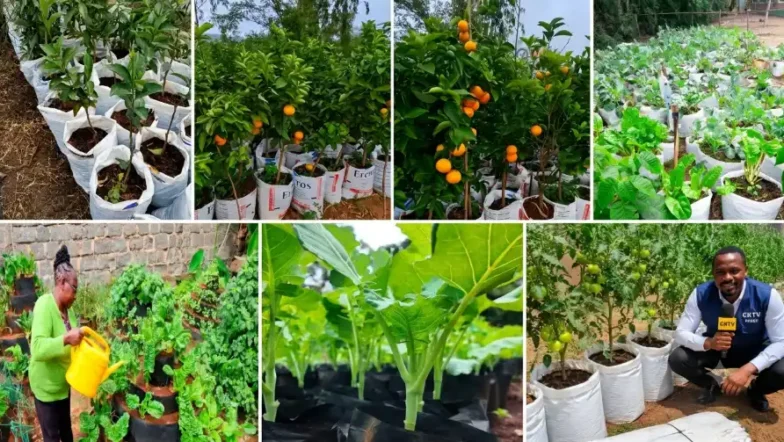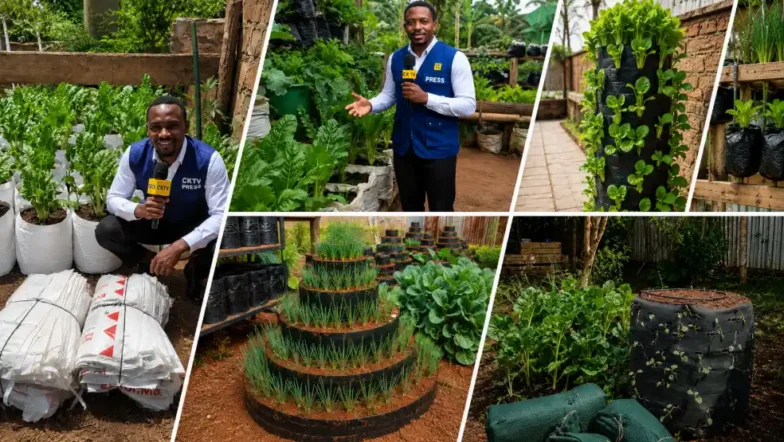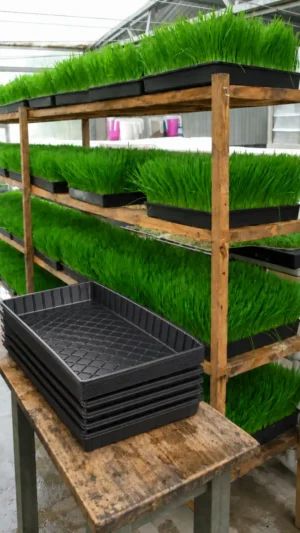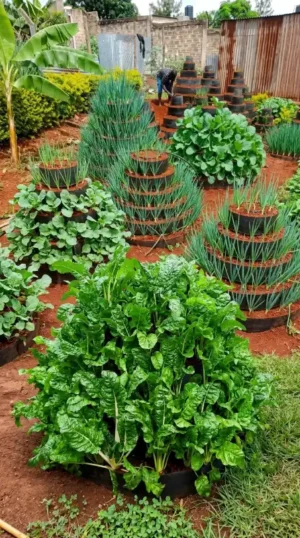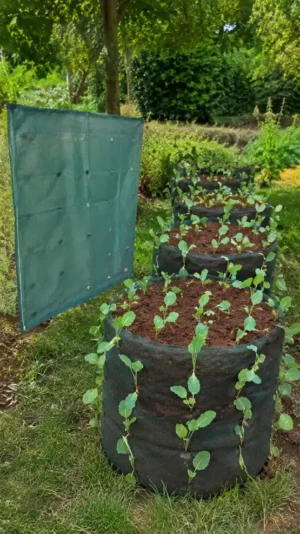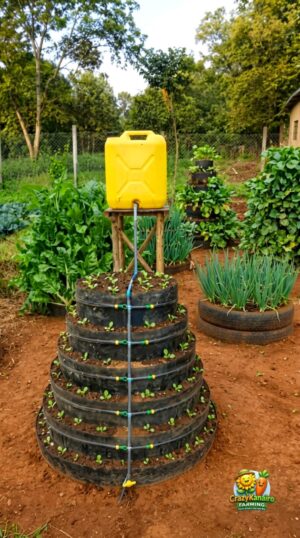
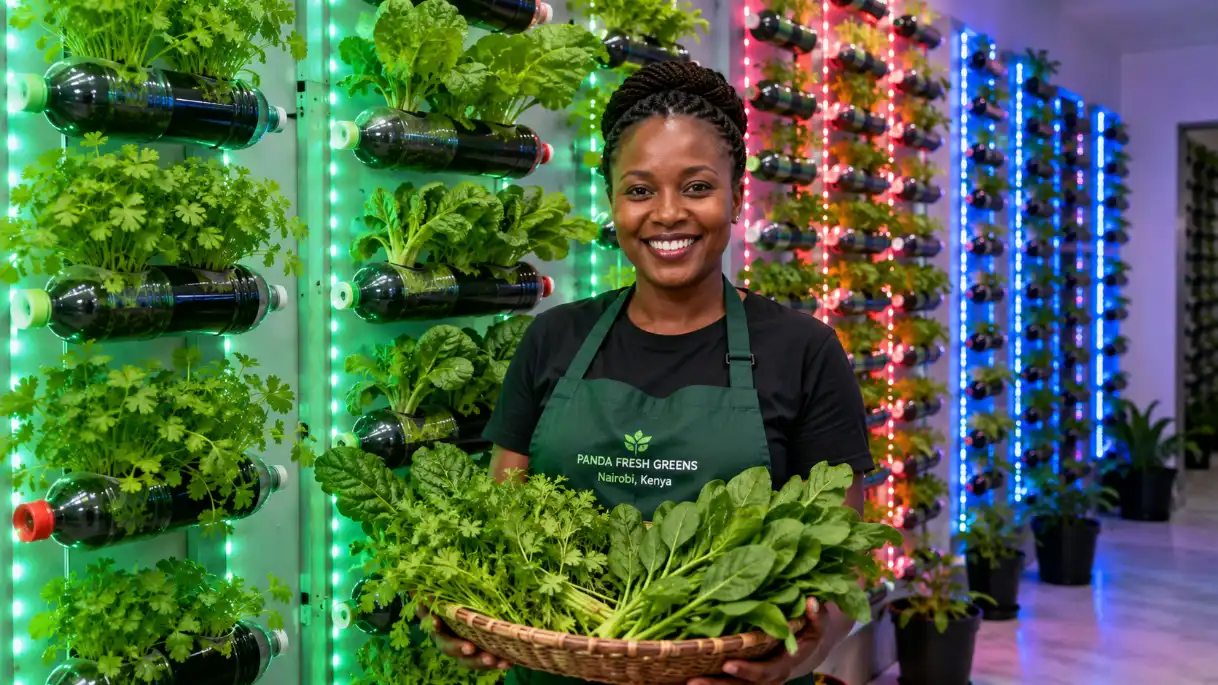

- Minimal Initial Investment: You can start a functional indoor vertical farm for as little as KES 5,500 using recycled 2 liter plastic bottles and entry level full spectrum LED grow lights.
- Significant Grocery Savings: An average urban household in Nairobi can save between KES 3,500 and KES 6,000 monthly on leafy greens like Sukuma Wiki and Spinach by utilizing vertical space.
- Year Round Production: By controlling light with LEDs and moisture with bottle drip systems, you bypass Kenya’s increasingly unpredictable weather patterns and rising market prices.
Table of Contents
The landscape of Kenyan agriculture is shifting from the expansive plains of the Rift Valley to the balconies and living rooms of urban centers like Nairobi, Mombasa, and Nakuru. Faced with skyrocketing food inflation and concerns over chemical residues in market bought vegetables, Kenyans are embracing indoor vertical farming using recycled plastic bottles and modern LED lighting. This method allows anyone, regardless of land ownership, to produce high quality organic food in a controlled environment, ensuring food security and creating potential micro business opportunities in the heart of the city.
Why Indoor Vegetable Farming Is Growing in Kenya
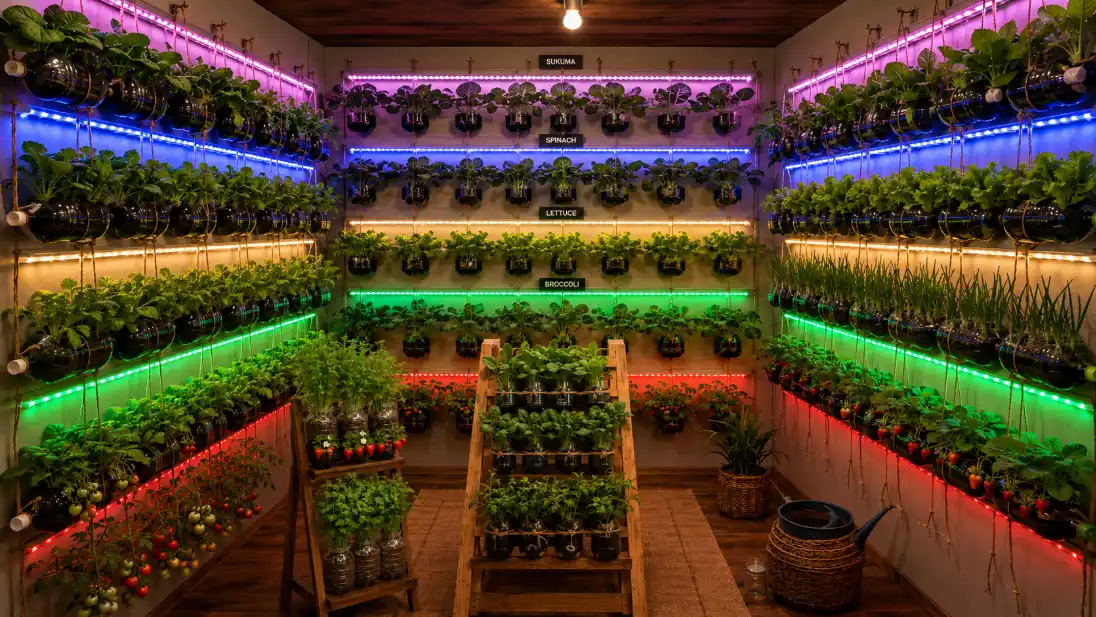
Urban Kenyans are turning to indoor farming because of the massive increase in vegetable prices, limited space in high rise apartments, and the need for pesticide free food. By using plastic bottles and LEDs, households can grow food regardless of weather or lack of a backyard.
Rising food prices in major towns
Read Also: How to Build a Vertical Garden Using Banana Stems: Step-by-Step Guide for Growing Vegetables
In the current economic climate, the cost of a standard bundle of Sukuma Wiki in Nairobi markets like Muthurwa or Fig Tree has reached an all-time high. Transport costs and middleman markups mean that by the time a vegetable reaches your kitchen, it is often three times the farm gate price. Growing your own indoors eliminates these costs entirely. Farmers in estates like Roysambu and Pipeline are finding that a one time investment in LED lights pays for itself within four months of avoided grocery bills.
Limited land in towns and cities
With more Kenyans moving into “bedsitter” apartments and one bedroom units, the traditional shamba is no longer an option. Vertical gardening using plastic bottles allows you to utilize wall space or window corners that would otherwise be wasted. This “verticalization” of agriculture means you can grow up to 50 plants in a space no larger than a standard study desk, making it the ultimate solution for the urban dweller.
Climate change and unpredictable rainfall
The traditional planting seasons in Kenya have become unreliable. Long rains often come late or too heavily, destroying outdoor crops. Indoor farming provides a “climate proof” environment. Your vegetables are shielded from the scorching sun of Kajiado or the unexpected floods in Western Kenya. With LED lights mimicking the sun, your plants grow on a perfect schedule every single day of the year.
What Is an Indoor Vertical Garden?
An indoor vertical garden is a system where plants are grown in stacked containers, such as recycled plastic bottles, to maximize vertical space. It uses artificial LED grow lights instead of sunlight and often utilizes soilless media like cocopeat to reduce weight and prevent soil-borne diseases.
How the system works
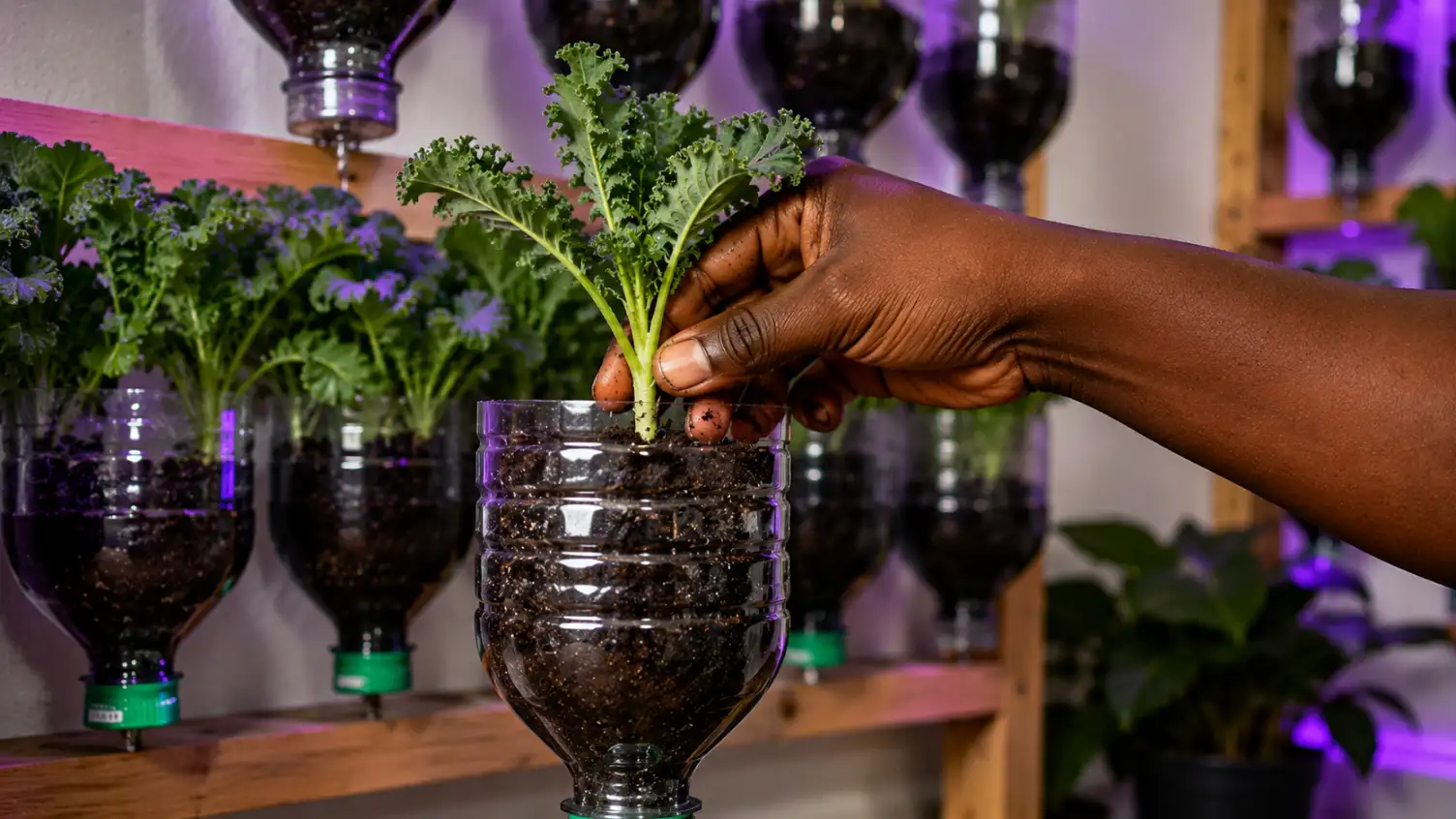
The core concept is simple: you take 1.5 liter or 2 liter plastic bottles, cut openings in them, and stack them vertically. Water usually flows from the top bottle down to the bottom ones through a series of small holes or wicks. Because these systems are placed indoors away from natural windows, LED lights are positioned close to the plants to provide the energy needed for photosynthesis. It is a closed loop system that uses 90 percent less water than traditional ground farming.
Why vertical gardening saves space
In a standard garden, you might plant 10 spinach plants in a square meter. In an indoor vertical bottle system, you can stack five bottles high and place four rows in that same square meter. This increases your plant density to 20 or even 30 plants per square meter. For a Kenyan family, this means a continuous supply of fresh greens from a corner of the kitchen or a small hallway.
Difference between indoor and outdoor vertical gardens
Outdoor vertical gardens are at the mercy of pests like aphids and the drying effect of the wind. Indoor gardens, however, are controlled environments. You do not have to worry about the neighbors’ chickens eating your seedlings or the dust from the road settling on your leaves. The use of LED lights also means you can grow plants in rooms that have no windows at all, such as a pantry or a basement storage area.
Read Also: Vertical Hydroponics vs. Soil Farming: 5 Reasons Why Vertical Wins 2026
Benefits of Growing Vegetables Indoors
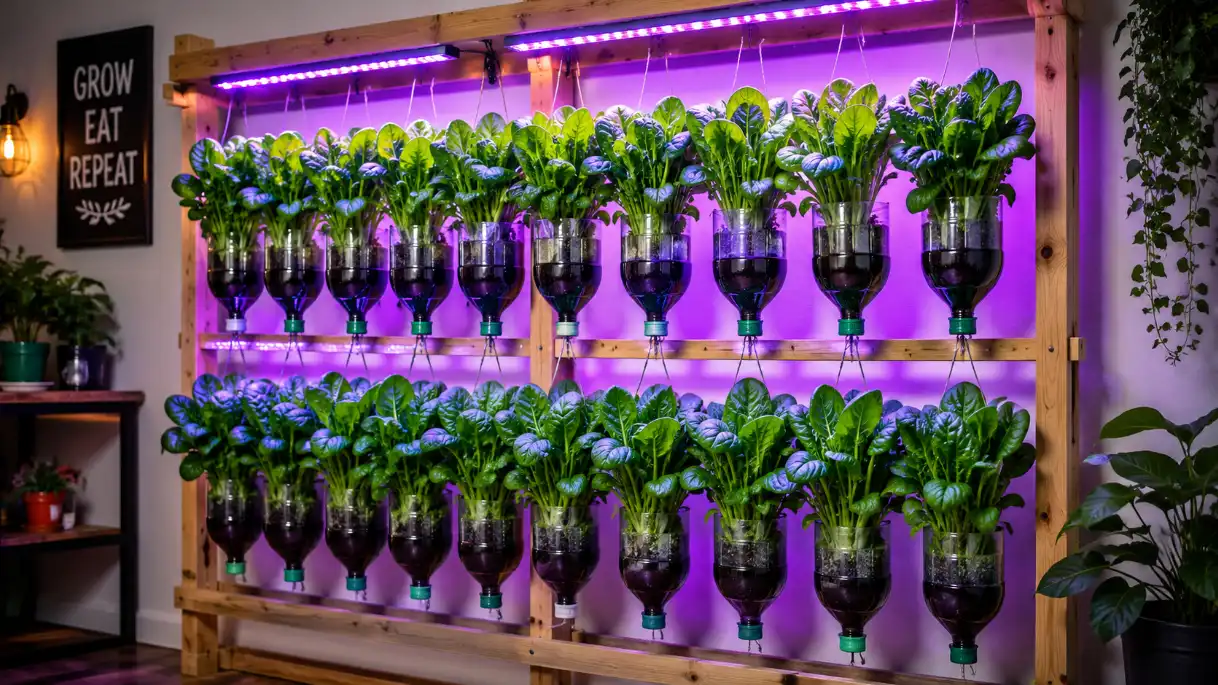
Indoor farming offers year round harvests, zero pesticide use, and massive water savings. It provides Kenyan families with food security, reduces the monthly cost of living, and serves as a therapeutic hobby that improves indoor air quality while recycling plastic waste that would otherwise pollute the environment.
- Fresh vegetables all year: You are not tied to the “rainy season.” You can harvest dhania or spinach in the middle of a drought.
- Save money: After the initial setup, your only costs are seeds, a little electricity for the lights, and organic liquid fertilizer.
- Fewer pests: Indoor environments are naturally protected from many common garden pests like snails and large caterpillars.
- Less water: The vertical bottle design allows water to drip from one plant to the next, ensuring almost zero wastage.
- Better food security: You know exactly what went into your food. No “sewage water” irrigation or harmful chemicals.
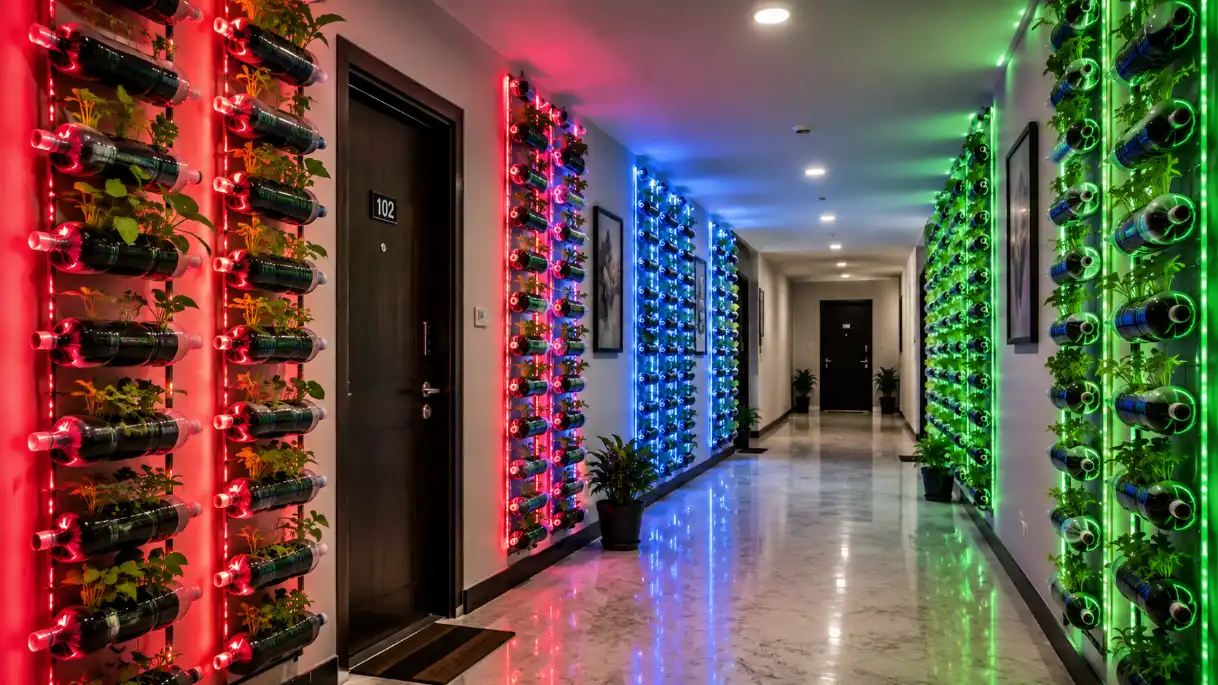
- Beautiful home décor: A well maintained vertical garden with glowing LED lights serves as a living piece of art in your house.
Why Plastic Bottles Are Perfect for Vertical Gardening
Plastic bottles are ideal because they are free to collect, lightweight for wall mounting, and durable enough to last for years. Their transparent or green tinted plastic helps retain moisture, and they are easy to modify with simple household tools like scissors or a hot nail.
In Kenya, plastic waste is a significant environmental challenge. By repurposing “soda” and “water” bottles, you are participating in the circular economy. These bottles are made of PET (Polyethylene terephthalate), which is food safe and does not leach harmful chemicals into the soil under the relatively low temperatures of an indoor LED setup. They are also flexible; you can easily cut them to fit specific corners of your house.
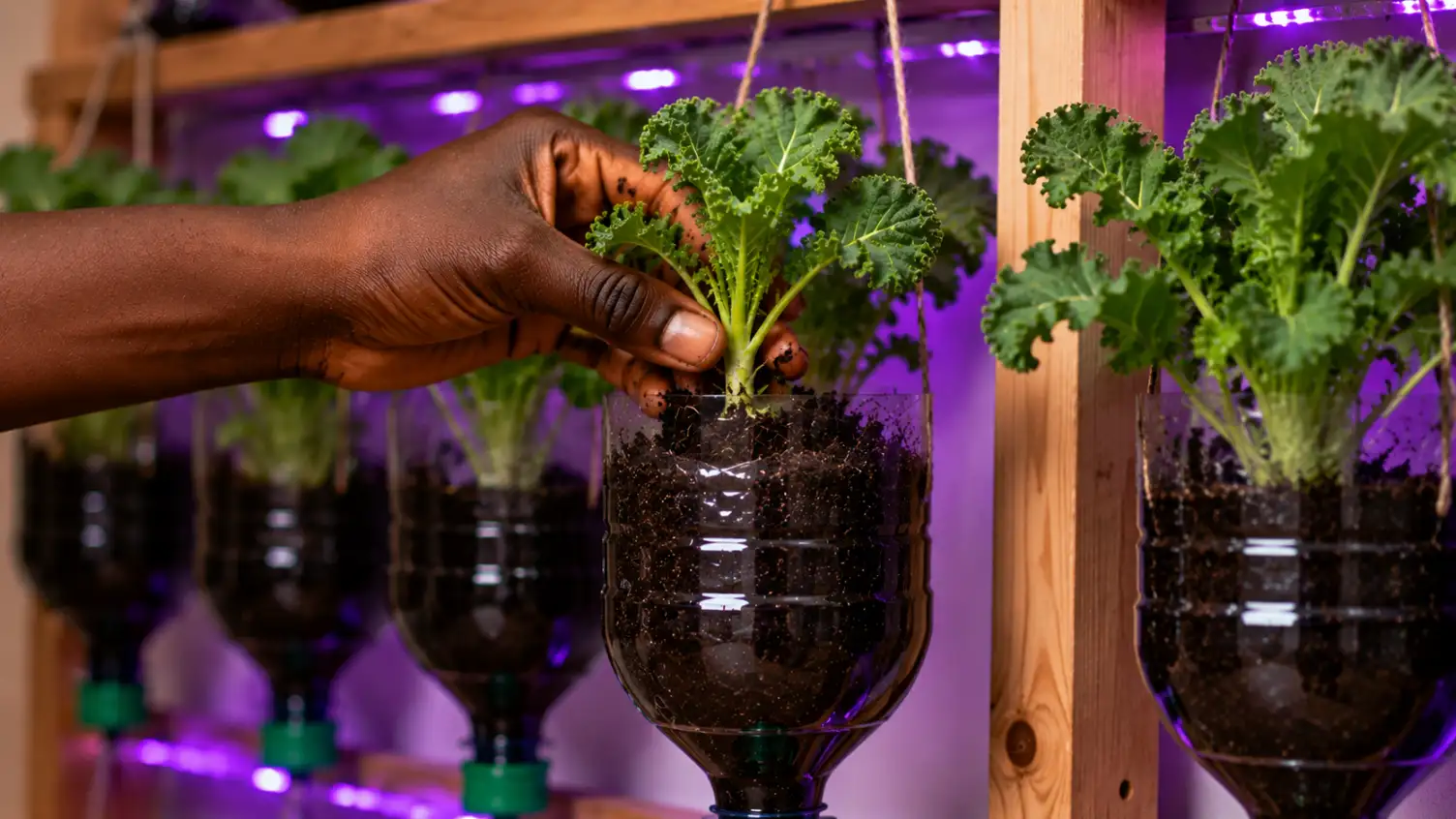
Materials You Will Need for a Basic Setup
To start, you need 10 to 20 plastic bottles (2L), a wooden or PVC frame, nylon rope, full spectrum LED strips or bulbs, cocopeat or treated topsoil, organic compost, high quality seeds from Simlaw or East African Seed, and a basic 24-hour plug-in timer.
Before you begin, gather these items. Most are available at local hardware stores or agrovets in towns like Thika or Machakos. For the LED lights, you can find specialized “Grow Lights” in shops along Luthuli Avenue in Nairobi or order them through reputable online platforms that ship to Kenya. Ensure you choose components that are durable to avoid repeated replacement costs.
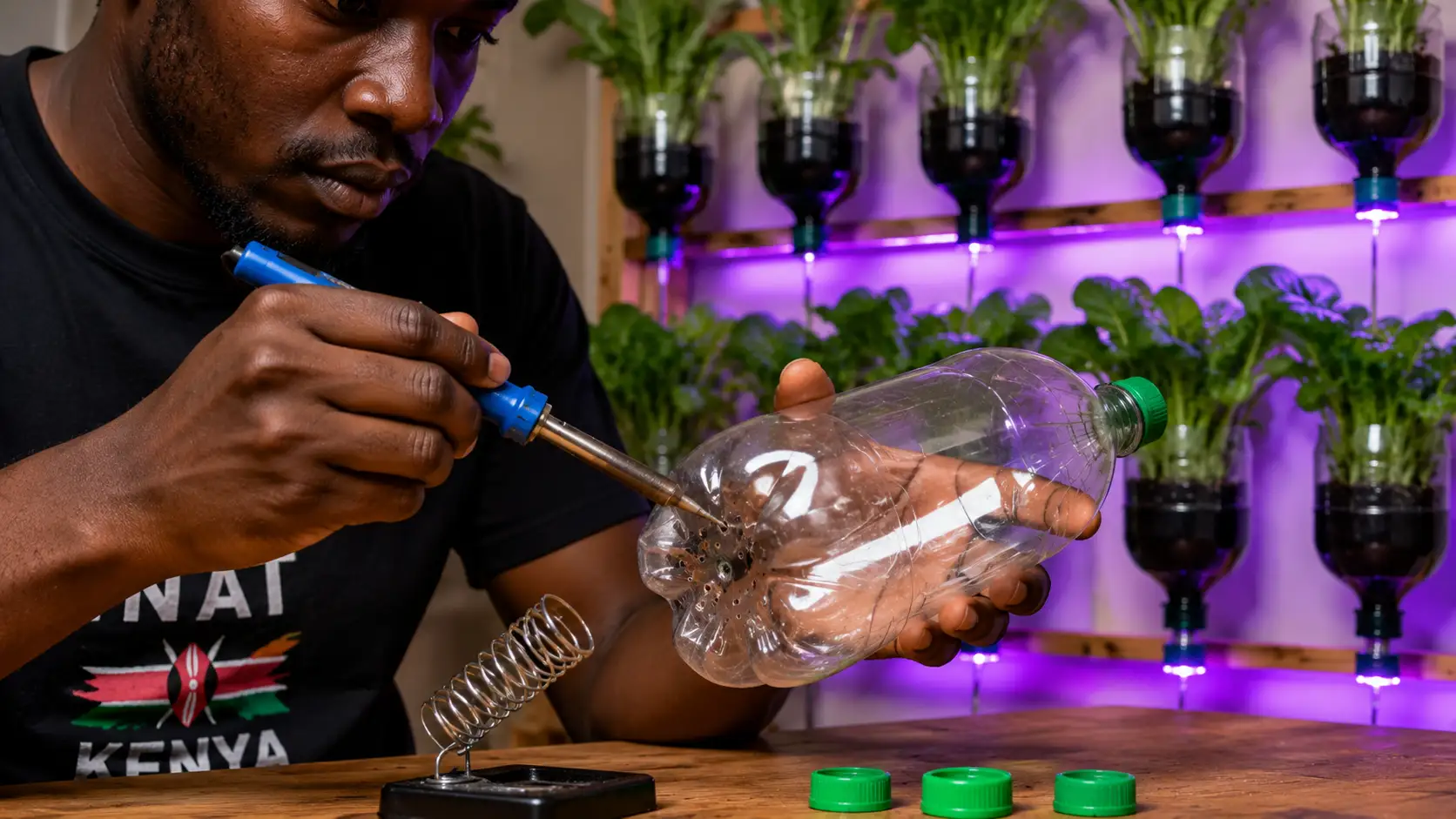
- Plastic bottles: 1.5L or 2L sizes work best. Ensure they are thoroughly cleaned.
- Wooden frame: A simple 2×2 timber frame to hold the weight of the water and soil.
- Rope or wire: Strong nylon rope or galvanized wire to suspend the bottles securely.
- LED grow lights: Look for “Full Spectrum” LEDs. 50 Watts is usually enough for a small home starter kit.
- Growing medium: A mix of cocopeat (for lightness) and well rotted manure or compost.
- Seeds: Choose varieties that do not grow too large, like “Fordhook Giant” spinach or local “Mshiri” cowpeas.
- Watering can: A small one with a fine spray head to avoid washing out the young seeds.
Where to Source Your Materials in Kenya
Finding the right equipment locally is the first step to a successful indoor farm. Avoid generic household bulbs; focus on specialized retailers that provide the quality your plants need to thrive.
Where to Buy LED Grow Lights
For the best performance, look for “Full Spectrum” LED grow lights. These simulate the sun’s natural cycle and are essential for photosynthesis in an indoor environment.
- Jumia Kenya: Search for “Full Spectrum LED Grow Lights” or “Plant Growth Lamps.” Jumia is reliable for home delivery and often features customer reviews to help you verify light quality.
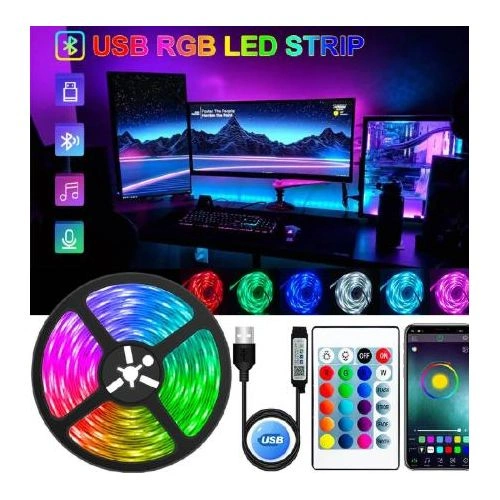
- Luthuli Avenue (Nairobi): If you are in Nairobi, visiting specialized electronics shops along Luthuli Avenue allows you to see the intensity of the light in person.
- Online Tech Retailers: Many Kenyan electronics websites now stock professional-grade LED strips with adhesive backings that are perfect for vertical setups.
Where to Buy Seeds and Seedlings
Quality starts with your seeds. Using certified, high-germination seeds ensures you don’t waste time and electricity on plants that won’t sprout.
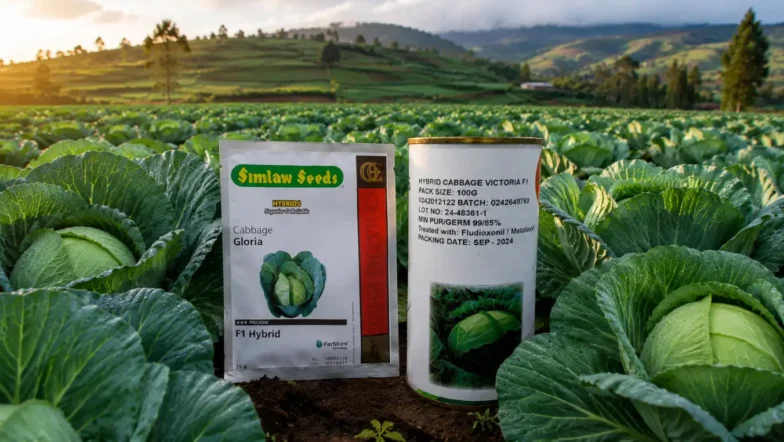
- Agrovets: Visit your local agrovet in towns like Thika, Machakos, or Nairobi. Ask for certified seeds from reputable companies like Simlaw Seeds or East African Seed.
- Crazy Kanairo Farming (Ngong Nursery): For high-quality, pre-nursed seedlings that are ready to transplant directly into your bottles, contact our team at the Ngong nursery. Reach out to Mike for current stock levels of kale, spinach, and high-value herbs.
- Online Seed Shops: Many certified Kenyan seed companies now offer direct delivery via courier, allowing you to get hybrid varieties delivered straight to your door.
Pro-Tip: When buying seeds, always prioritize varieties labeled for “small-space” or “container gardening” to ensure they do not outgrow your 2-liter bottle setup.
Step-by-Step Guide to Building Your Indoor Plastic Bottle Garden
Start by cleaning your bottles and cutting a rectangular planting window on one side. Pierce drainage holes in the cap and bottom. Mount the bottles vertically on a frame using rope. Fill with a light soil-less mix, plant your seeds, and position LED lights 12 inches above the plants.
Read Also: Multi-Storey Vertical Garden Farming in Kenya: Complete Setup Guide 2026
Step 1: Collect and Clean Plastic Bottles
Gather at least 10 bottles of the same size. Consistency makes it easier to build the frame. Remove labels and wash them with mild soap to ensure no sugary residue remains, which could attract ants or mold. If you are using bottles that contained oil, use warm water and plenty of dish soap. Let them dry completely before cutting.
Step 2: Cut the Planting Opening
Lay the bottle horizontally. Use a marker to draw a rectangle approximately 4 inches long and 3 inches wide in the middle of the bottle side. Use a utility knife or sharp scissors to cut this out. This is where your plant will grow out of and where you will add water and nutrients. Do not make the hole too large or the bottle will lose its structural strength.
Step 3: Make Drainage and Hanging Holes
This is a critical step. Use a hot nail or a small drill to make 3 to 4 holes in the bottle cap. This allows excess water to drip into the bottle below. You also need to make two holes near the top and bottom of the bottle (on the sides) to pass the rope through for hanging. Ensuring the holes are aligned is vital so the bottles hang straight and do not tilt.
Step 4: Build a Wooden Frame or Wall Mount
You can lean a wooden ladder style frame against a wall or mount hooks directly into the wall. If you are a tenant, a free standing frame is better to avoid damaging the landlord’s paint. Ensure the frame can handle at least 15kg of weight when the soil is wet. Many Kenyans use cheap cypress timber from local yards for this purpose.
Step 5: Hang the Bottles
Thread your nylon rope through the holes you made in Step 3. Tie knots under each bottle to keep them at the desired height. Leave about 6 to 8 inches between the bottom of one bottle and the top of the next. This gives the plants enough room to grow upwards without being shaded by the bottle above. Ensure the bottom bottle has a collection tray for any excess water.
Step 6: Fill with Soil
Fill each bottle about three quarters full with your prepared soil mix. Do not pack the soil too tightly; it needs to be loose so that roots can breathe and water can move through. If you are using cocopeat, ensure it has been properly hydrated and washed to remove excess salts. Tap the sides of the bottle gently to let the soil settle naturally.
Step 7: Plant the Seedlings
You can either plant seeds directly or transplant small seedlings from a nursery. If you are a beginner, starting with seedlings from a local agrovet is easier and faster. Place one or two seedlings per bottle depending on the plant size. For example, one Sukuma Wiki plant is enough for a 2 liter bottle, but you can fit three or four Dhania plants in the same space.
Step 8: Install LED Grow Lights
Mount your LED lights so they are positioned directly in front of or above your bottle column. Most LED strips come with adhesive backing or clips. Ensure the light covers all the plants from the top of the rack to the bottom. If using a single powerful bulb, you may need to rotate the bottles occasionally so every plant gets an equal share of the “artificial sun.”
Step 9: Water and Monitor Plant Growth
Water the top bottle and watch how the water moves down the chain. If the bottom bottles are too wet and the top ones are dry, you may need to water the top ones more frequently. Check your plants every morning for any signs of yellowing or pests. The beauty of indoor farming is that you see every change in your plants during your daily household routine.
Best Soil Mix for Indoor Bottle Gardens
The best mix for indoor bottle gardening is a 50:30:20 ratio of cocopeat, well rotted compost, and perlite or coarse sand. This ensures the medium is lightweight for hanging bottles, retains enough moisture, and provides essential nutrients while allowing for excellent aeration of the roots.
The success of your indoor farm depends heavily on the weight and aeration of the growing medium used. Traditional garden soil from your backyard is often too heavy and may contain pathogens. For indoor systems, we recommend a “soilless” or “semi soilless” mix. Cocopeat, which is made from coconut husks and widely available from suppliers in Kenya, is the best base because it holds water like a sponge but remains light.
| Component | Purpose | Recommended Ratio |
|---|---|---|
| Cocopeat | Moisture retention and lightness | 50 percent |
| Organic Compost | Essential nutrients (NPK) | 30 percent |
| Pumice or Coarse Sand | Drainage and aeration | 20 percent |
Choosing the Right LED Grow Lights
Select “Full Spectrum” LED grow lights that emit a balance of blue and red light. For a 1 square meter garden, a 50W to 100W LED panel is sufficient. Place the lights 10 to 15 inches away from the leaves and run them for 12 to 14 hours daily to ensure healthy growth.
Plants cannot grow in the dark, and standard household “warm white” bulbs do not provide the specific light wavelengths needed for photosynthesis. LED grow lights are designed to mimic the sun’s spectrum. In recent years, many Kenyan electronics shops stock “Full Spectrum” LED strips which are very energy efficient. Using a 50W light for 12 hours will cost you roughly KES 500 to KES 700 per month on your KPLC bill, a cost easily offset by the harvest value.
Distance and Placement
If the light is too far, the plants will become “leggy” which means they grow long, thin, and weak as they stretch toward the light. If it is too close, the heat might burn the leaves. A distance of 30cm (about one foot) is usually the “sweet spot” for leafy greens like spinach and sukuma wiki. As the plants grow taller, you should be able to adjust the height of the lights to maintain this gap.
Daily lighting hours
Unlike outdoor plants that deal with clouds and varying day lengths, your indoor plants enjoy a consistent “perfect day.” Most vegetables need about 12 to 14 hours of light to thrive. Using a simple plug in timer from a hardware store will automate this. Set it to turn on at 6 AM and off at 8 PM. This consistency allows the plants to maximize their growth rate, often reaching harvest size faster than outdoor crops.
Best Vegetables to Grow Indoors in Kenya
The most successful indoor vegetables for Kenyan bottle gardens are leafy greens like Sukuma Wiki (Kale), Spinach, and Dhania (Coriander). Herbs such as Mint and Basil also thrive. These crops have shallow root systems that fit perfectly in 2 liter bottles and high turnover rates for continuous harvesting.
Read Also: How to Grow Profitable Pineapples in Containers Using Recycled Materials (Step-by-Step Guide)
Not all vegetables thrive in a bottle environment; here is a breakdown of the most reliable options for Kenyan households. While you can technically grow many things, some plants are better suited for the confined space of a plastic bottle. Large crops like maize or heavy pumpkins are obviously not suitable. Focus on high value, high consumption items that are easy to manage and harvest frequently.
| Vegetable | Days to First Harvest | Light Need | Bottle Size |
|---|---|---|---|
| Sukuma Wiki (Kale) | 45 to 60 | High | 2 Liter |
| Dhania (Coriander) | 30 to 45 | Medium | 1.5 Liter |
| Spinach | 45 to 55 | High | 2 Liter |
| Lettuce | 30 to 40 | Medium | 1.5 Liter |
| Strawberries | 90 plus | Very High | 2 Liter |
How to Water Indoor Bottle Gardens
The most effective method is a manual drip system where you pour water into the top bottle and allow it to trickle down to the bottom. This ensures all plants get moisture without overwatering. For a more automated approach, use a “Wick Irrigation” system with a cotton string to pull water from a reservoir.
One of the biggest mistakes beginners make is overwatering. Because there is no wind or intense sun indoors, the soil stays wet longer. In a vertical bottle system, the water that drains from the top bottle feeds the one below. This means you only need to add water to the top most bottle. Always feel the soil with your finger; if it is still damp an inch down, do not water yet. Overly wet soil leads to root rot and attracts flies.
Fertilizers for Healthy Indoor Vegetables
Use liquid organic fertilizers like “Compost Tea” or commercial foliar feeds available in agrovets. For indoor use, avoid raw manure as it can smell and attract flies. Apply a balanced NPK liquid solution every two weeks to maintain leaf color and growth speed.
Since your plants are in a small amount of soil, they will quickly use up the available nutrients. You must “feed” them regularly. Liquid seaweed extracts or “Vermiliquid” (liquid from worm composting) are excellent choices that are odorless and highly effective. You can mix these into your watering can once every 14 days. This ensures your sukuma wiki remains dark green and crisp rather than turning yellow or stunted.
How to Prevent Pests and Diseases Indoors
Indoor pests like Fungus Gnats and Aphids can be controlled using a simple spray of water mixed with a few drops of organic neem oil or mild dish soap. Ensure good air circulation using a small USB fan to prevent Powdery Mildew and root rot caused by stagnant, humid air.
Just because your garden is indoors does not mean it is 100 percent safe. Soil borne pests can sometimes come in with your compost. If you see tiny black flies hovering around the soil, these are likely fungus gnats. They thrive in overly wet soil. Letting the top layer of soil dry out between waterings is the best way to kill their larvae. For whiteflies, yellow sticky traps placed near the LED lights are very effective and chemical free.
Common Problems and Their Solutions
Even with the best setup, you may encounter issues as you learn the ropes of indoor farming. Most problems are related to light, water, or nutrients. Here is a troubleshooting guide to help you keep your plants healthy and productive throughout the year.
| Problem | Likely Cause | Recommended Solution |
|---|---|---|
| Yellow Leaves | Nitrogen deficiency or overwatering | Add liquid fertilizer; reduce watering |
| Leggy/Thin Stems | Insufficient light | Move LED lights closer to the plant |
| Brown Leaf Edges | Low humidity or salt buildup | Mist the leaves with water; flush soil |
| White Mold on Soil | Poor air circulation | Increase airflow with a small fan |
| Drooping Plants | Under-watering or heat stress | Water immediately; check LED distance |
How Much Does It Cost to Build an Indoor Vertical Garden in Kenya?
A basic 10 bottle starter kit costs between KES 5,500 and KES 8,000. This includes the LED lighting system, a simple wooden frame, seeds, and growing media. The running costs are minimal, primarily consisting of a small increase in your monthly electricity bill for the lights.
To treat indoor farming as a business or a serious cost saving measure, you must look at the numbers. The following breakdown assumes a medium sized setup of 20 bottles in a vertical rack, using high efficiency LED strips. Prices are based on current market rates in major Kenyan towns. While the initial cost may seem high, remember that you will not be buying these vegetables from the market anymore.
- Plastic bottles: KES 0 (Recycled from home or neighbors).
- Wooden frame/hooks: KES 1,500 to KES 2,500 depending on timber type.
- LED Grow Lights (50W-100W): KES 3,000 to KES 5,000.
- Cocopeat and Compost: KES 1,000 for a large bag that lasts months.
- Seeds and Fertilizer: KES 500 to start.
- Total Estimated Cost: KES 6,000 to KES 9,000 for a full setup.
How Much Can You Save by Growing Vegetables at Home?
By growing your own greens, a typical Kenyan family of four can save approximately KES 1,200 per week on vegetable purchases. Over a year, this amounts to over KES 60,000 in savings, which far outweighs the initial investment and electricity costs of the LED lights.
Read Also: Vegetable Farming for Profit in Kenya: Okra, Spinach & Dhania Guide (2026)
Consider the average price of a bunch of spinach or kale in Nairobi is KES 50. If your family consumes four bunches a week, that is KES 200. Add in dhania, onions, and occasional herbs, and you are spending KES 500 a week. Over a year, that is KES 26,000. For households that prefer organic or “exotic” greens like lettuce and broccoli, the savings are even higher because market prices for these items are much steeper.
Indoor Vertical Farming vs Traditional Gardening
Traditional gardening in a ground shamba has its merits, but for the urban dweller, the vertical bottle system offers several undeniable advantages. This comparison helps you understand why so many Kenyans are making the switch to indoor setups despite having access to small outdoor spaces.
| Feature | Traditional Ground Garden | Indoor Vertical Bottle Garden |
|---|---|---|
| Space Usage | Requires large flat area | Uses wall space; very compact |
| Water Consumption | High (evaporation and runoff) | Very low (closed loop drip) |
| Pest Pressure | High (snails, birds, aphids) | Low (protected indoor environment) |
| Weather Dependence | High (seasons and rain) | Zero (controlled LEDs and water) |
| Maintenance | Heavy weeding and digging | No weeding; simple monitoring |
Tips for Bigger Harvests
To get the most out of your indoor bottle garden, you should follow a few expert tips that experienced urban farmers use. First, rotate your crops. Do not grow Sukuma Wiki in the same bottle four times in a row; switch to a legume like beans or a different herb to keep the soil healthy. Second, keep your LED lights clean. Dust can settle on the bulbs and reduce the amount of light reaching your plants by up to 20 percent.
Third, harvest regularly. For leafy greens, the more you harvest the outer leaves, the more the plant is encouraged to grow new ones from the center. This “cut and come again” method ensures a continuous supply. Fourth, use a small fan. Air movement mimics the wind, which strengthens the stems of your plants and prevents the buildup of humidity that causes fungal diseases. Finally, always use high quality, certified seeds for the best germination rates.
Mistakes Beginners Should Avoid
The most common mistakes are overwatering, using “cool white” household bulbs instead of full spectrum LEDs, and failing to provide enough drainage. Ensure each bottle has clear holes at the bottom and never let the plants sit in stagnant water as this kills roots quickly.
Another common error is crowding. It is tempting to put five seedlings in one bottle to get more food, but this leads to competition for nutrients and light. The result is five stunted, weak plants instead of one large, healthy one. Also, do not ignore the “leggy” look of plants. If your seedlings are growing very tall and thin with tiny leaves, they are starving for light. Move your LED source closer immediately.
Can Indoor Vegetable Farming Become a Business in Kenya?
Yes, indoor farming is a viable micro business. You can sell fresh organic herbs to high end restaurants, provide “ready to grow” vertical kits to neighbors, or sell seedlings. Many Kenyans are earning KES 10,000 to KES 30,000 monthly as a side hustle from their indoor setups.
There is a massive demand for organic, chemical free food in Kenya’s middle class estates. You can specialize in high value herbs like Rosemary, Thyme, and Basil which take up very little space but sell for high prices. Some entrepreneurs are also making money by installing these systems for other people. A “turnkey” vertical garden installation in a Nairobi apartment can be a very profitable service for someone with the right skills.
Risks and Reality Check
While indoor farming is highly beneficial, it is not without risks. The primary concern in Kenya is the reliability of power. If you live in an area with frequent KPLC blackouts, your plants may suffer if they go without light for several days. Investing in a small solar backup or a battery system for your LEDs can mitigate this. Furthermore, remember that this is a “living” system that requires your attention every day. It is not a machine that you can ignore for a week and expect a harvest.
Conclusion
Indoor vegetable farming using plastic bottles and LED lights is more than just a trend; it is a practical response to the challenges of modern urban living in Kenya. It empowers you to take control of your food source, save a significant amount of money, and contribute to a cleaner environment by recycling plastic waste. Whether you are in a small bedsitter in Githurai or a penthouse in Kilimani, you have the space and the tools to grow your own fresh, organic vegetables. Start small with just two or three bottles today, and you will be amazed at how quickly you can build a thriving, green sanctuary in your own home.
Frequently Asked Questions (FAQs)
How can I grow fresh vegetables indoors using plastic bottles and LED lights in Kenya?
You need to clean 2L bottles, cut planting windows, stack them on a frame, fill with cocopeat and compost, and place 50W-100W full spectrum LED lights 12 inches above the plants for 12 hours daily.
Which vegetables grow best in indoor plastic bottle gardens?
Leafy greens with shallow roots like Sukuma Wiki, Spinach, Lettuce, Dhania, and herbs like Mint and Basil perform best in the limited volume of a plastic bottle.
What type of LED grow lights should I use for indoor vegetable farming?
Use “Full Spectrum” LED lights. These provide the specific blue and red wavelengths plants need. Avoid standard household bulbs which lack the energy for proper photosynthesis.
How many hours should LED grow lights stay on each day?
For most vegetables in Kenya, keep the lights on for 12 to 14 hours. Using an automatic timer ensures consistency and mimics a natural tropical day night cycle.
Can I grow sukuma wiki, spinach, and tomatoes indoors all year round?
Yes. Because you control the light and water, these crops can grow continuously. However, tomatoes require larger 5 liter bottles or buckets and stronger LED support to fruit well.
What is the best soil mix for growing vegetables in plastic bottles?
A mix of 50 percent cocopeat and 50 percent well rotted organic compost is ideal. It is lightweight for vertical hanging and holds moisture better than regular backyard red soil.
How often should I water an indoor vertical garden?
Water only when the top inch of soil feels dry. Indoors, this is typically every 2 to 3 days. The vertical design allows excess water to drip down, reducing waste.
How much does it cost to build an indoor plastic bottle garden in Kenya?
A basic 10 bottle starter kit costs between KES 5,500 and KES 8,000, with the bulk of the cost going toward the LED lighting system and the wooden support frame.
What are the common problems in indoor vertical farming and how can I prevent them?
Common issues include “leggy” plants (move lights closer) and yellow leaves (add liquid fertilizer). Use a small fan to improve airflow and prevent fungal mold on leaves.
Is indoor vertical farming using plastic bottles profitable in Kenya?
Yes, primarily through cost savings on groceries. A household can save KES 4,000 monthly. Selling high value herbs to local restaurants can also generate a steady side income.