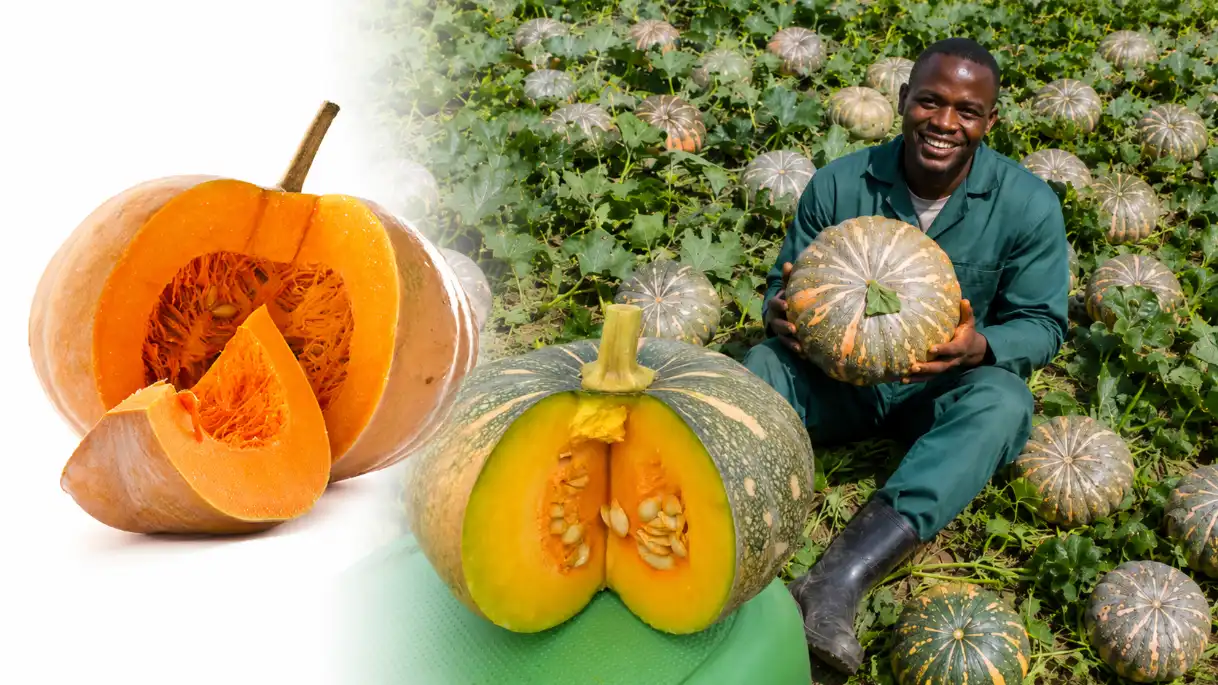

- Commercial pumpkin farming in Kenya offers a net profit of KES 150,000 to KES 350,000 per acre depending on the variety and market timing.
- Initial investment for one acre averages KES 55,000 to KES 85,000, covering certified seeds, fertilizers, and land preparation.
- The crop matures within 90 to 120 days, with a yield potential of 8 to 15 tons per acre under optimal management.
Table of Contents
For many Kenyan farmers in 2026, the struggle against rising fuel costs and expensive fertilizer has made traditional crops like maize less attractive. Pumpkin farming has emerged as a high-value alternative due to its low water requirements, minimal chemical needs, and the exploding demand for nutrient-dense foods in urban centers. This guide provides a factual roadmap for navigating the costs and technical requirements of successful pumpkin production in the current economic landscape.
Why Pumpkin Farming Is Growing Rapidly in Kenya
The rapid growth of pumpkin farming is driven by high drought tolerance, low labor costs, and a diversified market for fruits, leaves, and seeds. Unlike maize, pumpkins can be stored for up to six months, allowing farmers to wait for peak market prices while tapping into the growing industrial demand for pumpkin flour.
In the wake of shifting weather patterns across counties like Machakos and Nakuru, pumpkins have become a resilient insurance crop for smallholders. The plant is naturally hardy, requiring significantly less nitrogen than heavy feeders like cabbage or spinach. This makes it an ideal candidate for farmers looking to maximize output while minimizing the purchase of expensive synthetic fertilizers. Furthermore, the labor requirement for weeding is reduced once the vines spread to form a natural mulch over the soil.
Read Also: Avocado, Macadamia or Dairy? Best Export-Ready Agribusiness Ventures in Kenya for 2026
Consumer behavior in 2026 has also pivoted toward wellness, driving up the price of pumpkin-based products. In Nairobi and Mombasa, supermarkets now stock pumpkin flour for porridge and roasted seeds as healthy snacks. This industrial demand creates a buffer for farmers, ensuring that even when the fresh market is saturated, there is an alternative channel for the produce. The ability to sell the leaves, known as Maselesele or Malenge leaves, provides a weekly cash flow while waiting for the main fruit harvest.
Current Pumpkin Market Opportunities in Kenya
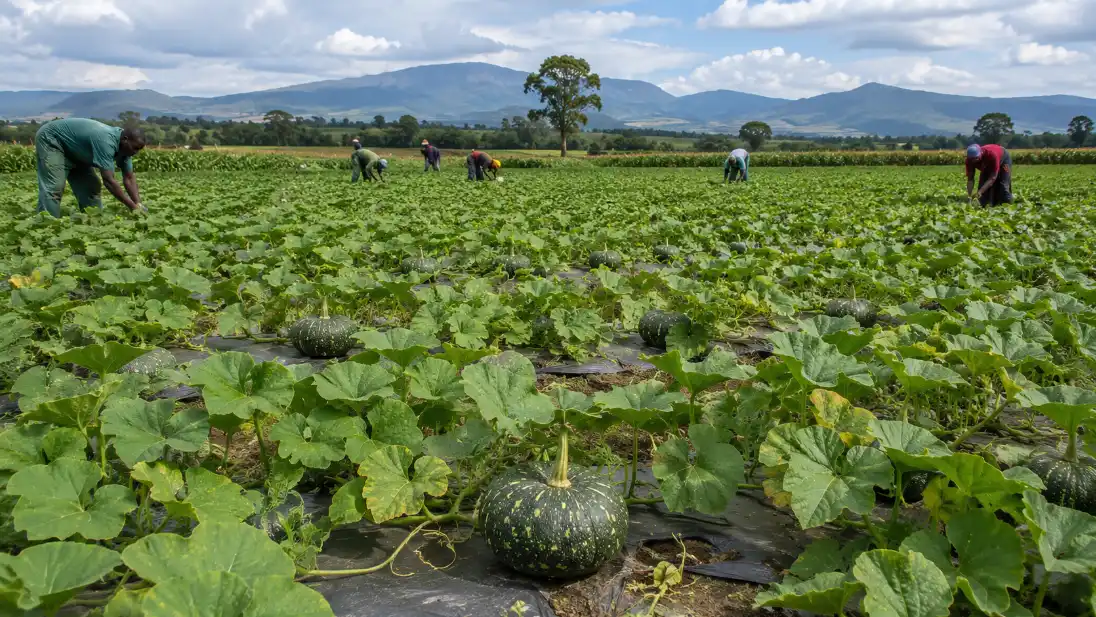
Market opportunities exist through direct sales to open-air markets like Wakulima and Muthurwa, supply contracts with supermarkets, and the growing value-addition sector. Large-scale processors are increasingly buying pumpkins to manufacture gluten-free flour and organic oils, offering more stable pricing than traditional brokers.
The traditional broker system is slowly being bypassed as farmers form cooperatives to supply institutions directly. Schools and hospitals have become consistent buyers, valuing the crop for its high Vitamin A content and long shelf life. For a farmer in 2026, the goal is to target off-season harvests when supply is low. Planting in July under irrigation allows for a harvest in October or November when prices per kilogram typically spike by 30 to 40 percent.
Value addition represents the highest profit margin in the pumpkin value chain. Processing dried pumpkin slices into flour can double the revenue compared to selling raw fruits. Additionally, the export market to the European Union for organic pumpkin seeds is expanding. Farmers who can prove their produce is grown with minimal chemical residues are finding lucrative niches in the clean label food movement currently trending in global trade.
Local open-air markets like Muthurwa in Nairobi and Kibuye in Kisumu remain the largest volume consumers. However, these markets are prone to price fluctuations. Savvy farmers are now looking toward Zucchini Greengrocers and Carrefour for high-grade Butternuts. These formal retailers require consistency in size and quality, but they offer prices that are often double the farm-gate rates seen in rural villages.
Best Pumpkin Varieties for Commercial Farming
The most profitable varieties for 2026 include Sweet Cream for its high sugar content, Israel Giant for bulk weight, and Butternut Squash for the supermarket niche. Selecting a variety should depend on your target market: local markets prefer large traditional pumpkins, while urban retailers favor the smaller, uniform Butternut varieties.
Read Also: Multi-Storey Vertical Garden Farming in Kenya: Complete Setup Guide 2026
When choosing a variety, prioritize disease resistance and rind thickness. Varieties with a tough outer shell are less prone to damage during transport from regions like Meru or Eldoret to Nairobi markets. The market currently favors varieties that have a high dry matter content, as these are preferred for making flour and puree. Local varieties, while hardy, often lack the uniformity required by the formal retail sector.
The Sweet Cream variety is currently the king of the Kenyan fresh market. It is prized for its deep orange flesh and thick skin, which allows it to stay fresh for up to eight months after harvest. For farmers targeting the flour industry, the Israel Giant is unbeatable. Some of these pumpkins can weigh up to 30 kilograms, providing massive tonnage even on small plots of land in high-fertility areas like Trans Nzoia.
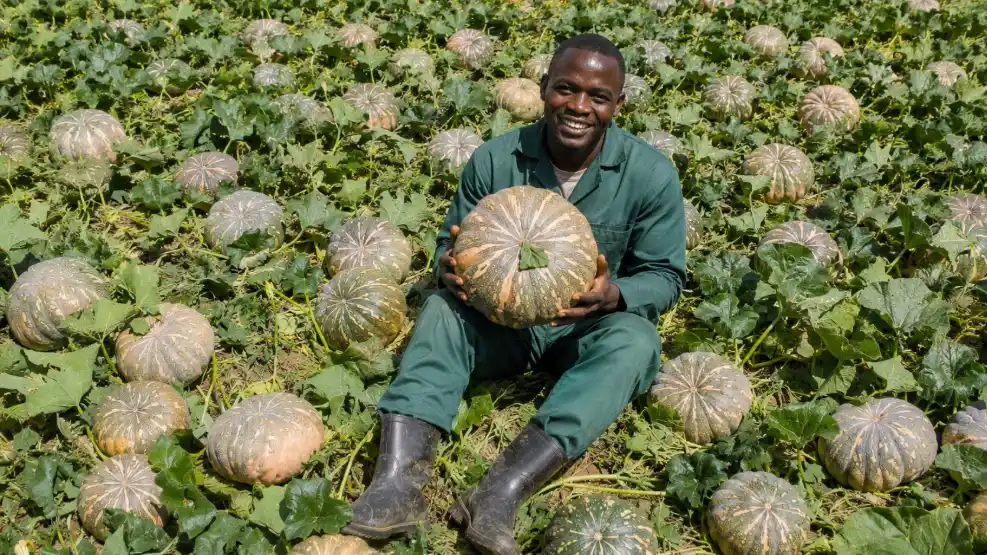
The following table compares the most common commercial varieties currently available in the Kenyan market for the 2026 season.
| Variety Name | Maturity Period | Avg. Yield (Acre) | Fruit Weight | Market Preference |
|---|---|---|---|---|
| Sweet Cream | 90 to 100 Days | 10 to 12 Tons | 4 to 7 kg | Supermarkets / Export |
| Israel Giant | 110 to 120 Days | 15 to 20 Tons | 10 to 30 kg | Processors / Flour |
| Butternut (Waltham) | 85 to 95 Days | 8 to 10 Tons | 1 to 2 kg | Hotels / Urban Retail |
| Crown Prince | 100 to 110 Days | 12 Tons | 3 to 5 kg | General Market |
Pumpkin Seed Prices in Kenya 2026
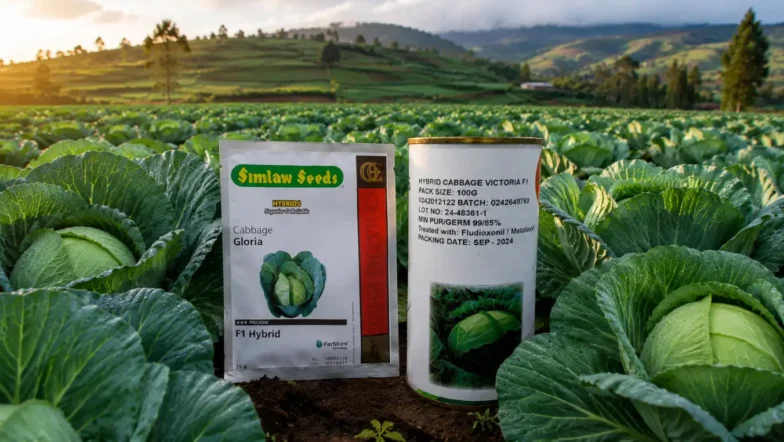
Certified pumpkin seed prices in 2026 range from KES 2,500 to KES 4,500 per 500g pack depending on the brand and variety. Popular suppliers like Simlaw Seeds and Royal Seed provide high-germination hybrids that ensure crop uniformity and resistance to common soil-borne diseases.
Sourcing seeds from reputable vendors is non-negotiable for commercial success. While many farmers are tempted to use farm-saved seeds from the previous harvest, these often result in poor yields and high susceptibility to pests. In 2026, the cost of seeds for one acre usually requires about 1kg to 1.5kg of seed, depending on your chosen spacing. It is highly recommended to buy seeds from Kenya Seed Company or Simlaw Seeds.
When purchasing, ensure the packet has a KEPHIS (Kenya Plant Health Inspectorate Service) validation sticker. For those in remote areas, many seed companies now offer online ordering with delivery via courier services. Investing in hybrid seeds like F1 varieties might have a higher upfront cost but the 20 to 30 percent increase in yield and fruit quality more than justifies the expense for a commercial venture.
Avoid buying loose seeds from open-air markets. These seeds are often not treated against soil-borne pathogens and have very low germination rates. In a commercial setting, a 50 percent germination rate can result in a loss of over KES 100,000 in potential revenue. Always ask for a receipt and a seed analysis certificate if you are buying in bulk for large-scale operations above five acres.
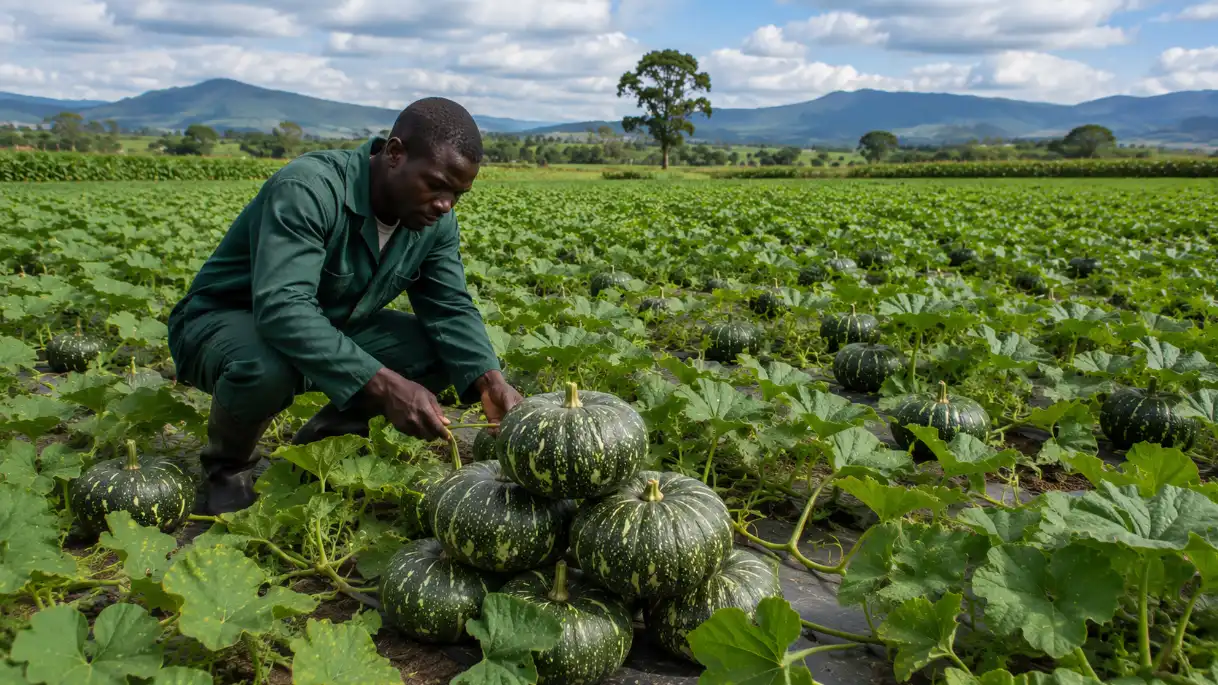
Elgon Cream and Gabbar F1 Varieties Overview
- Elgon Cream is a reliable local favorite available in small retail packets from KES 105 for 10g up to KES 375 for 50g. It is favored by smallholders for its sweet yellow flesh and dual-purpose utility as both a fruit and a vegetable leaf source.
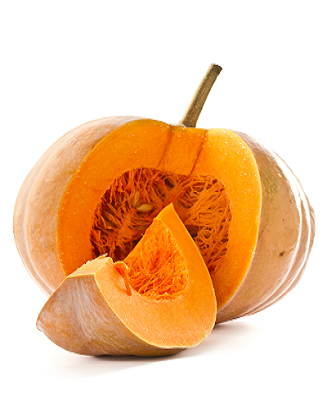
- Gabbar F1 is a high-performance hybrid commanding premium pricing, with 500g packets retailing around KES 14,640 and 1kg units reaching KES 29,225. It offers superior disease tolerance and uniform fruit sizing tailored for serious commercial growers.
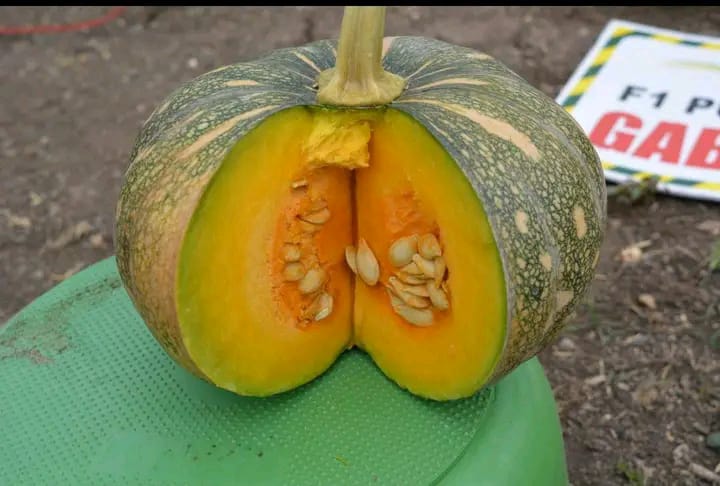
Seed Pack Sizes and Current Market Pricing
- Small-scale growers can buy Elgon Cream in 10g, 25g, and 50g sizes, making it an affordable entry point for backyard or small plot farming.
- Commercial farmers investing in Gabbar F1 can source precision pack sizes ranging from 5g trial packets (KES 160) up to bulk 1kg industrial quantities for large-scale acreage.
Ecological Requirements for Successful Production
Pumpkins thrive in warm climates with temperatures between 18 and 30 degrees Celsius and well-drained loamy soils rich in organic matter. While they are drought-tolerant, they require a consistent water supply during the flowering and fruit-setting stages to prevent fruit drop and ensure high yields.
Soil pH is a critical factor often ignored by beginners. Pumpkins prefer a slightly acidic to neutral soil with a pH of 6.0 to 7.5. If your soil is too acidic, common in parts of Central Kenya, applying agricultural lime is necessary to unlock nutrients. Sunlight is another mandatory requirement: the vines need at least 6 to 8 hours of direct sunlight daily to facilitate the photosynthesis required to produce the heavy sugars found in the fruits.
Altitude also plays a role in the maturity period. In higher altitude regions like Nyandarua, the crop may take up to 140 days to mature due to cooler temperatures, whereas in the Coastal or Lake regions, maturity can be reached in as little as 85 days. Understanding your local micro-climate helps in scheduling your planting to hit the high-price market windows in major cities like Nairobi.
Read Also: Chilli Farming in Kenya (2026): Profit per Acre, Costs, Yield, Prices & Export Guide
Rainfall needs are moderate, with 500mm to 800mm being ideal. However, excessive rain during the ripening stage can be problematic. It leads to increased fungal pressure and can cause the fruit to rot from the bottom if the soil remains waterlogged. For this reason, farmers in high-rainfall areas often plant on mounds or ridges to ensure the fruit stays off the damp ground during the final stages of maturity.
Land Preparation and Farm Setup
Effective land preparation involves deep plowing to at least 30cm to allow for deep root penetration and the incorporation of well-rotted manure. Create planting holes measuring 60cm by 60cm and fill them with a mix of topsoil and about 5 to 10kg of organic manure to provide a nutrient-rich base for the young plants.
Preparation should start at least four weeks before the rains or the intended planting date. This allows for the manure to decompose further and for any weed seeds to germinate and be cleared during the final harrowing. In areas prone to waterlogging, it is advisable to plant on slightly raised mounds to ensure the crown of the plant stays dry, preventing fungal rot at the base of the stem.
Soil testing remains the most important step for commercial farmers in 2026. A basic soil test costs approximately KES 1,500 to KES 2,500 at KALRO laboratories. This small investment prevents the waste of expensive fertilizers by telling you exactly what your soil lacks. Most Kenyan soils are deficient in phosphorus, which is essential for early root development and successful flowering in cucurbits.
Avoid using fresh manure as it can burn the delicate roots of the pumpkin seedlings. It also attracts pests like cutworms and termites which can destroy an entire field in a matter of days. Always use manure that has been composted for at least six months. If you are using poultry manure, reduce the quantity per hole as it is much more concentrated in nitrogen than cow or goat manure.
Step-by-Step Pumpkin Planting Guide
Plant seeds at a depth of 2cm to 3cm, with 2 to 3 seeds per hole to ensure a good stand. Recommended spacing is 2 meters by 2 meters for smaller varieties like Butternut, and 3 meters by 3 meters for large trailing varieties to allow the vines sufficient room to spread without overcrowding.
Once the seedlings emerge, which usually happens within 7 to 10 days, thin them out to leave the healthiest plant per hole. This prevents competition for nutrients and moisture. If you are planting during a dry spell, ensure the holes are pre-irrigated. The use of mulch around the base of the plant is highly beneficial in 2026 as it conserves the limited moisture available and suppresses weeds that would otherwise compete with the young vines.
Timing your planting is the difference between profit and loss. For rain-fed agriculture, planting at the very onset of the long rains in March or April or short rains in October or November is standard. However, those with irrigation facilities should aim to plant in January or July. This ensures the harvest hits the market when supply from rain-fed farms has dwindled, allowing for premium pricing at the farm gate.
Read Also: Butternut Farming in Kenya (2026): Complete Guide on Yields, Profits, Spacing & Market Opportunities
When planting, ensure the seed is placed horizontally. This position helps the seedling emerge more easily and reduces the risk of the seed coat getting stuck on the first leaves. If you are in a windy area, consider planting rows of maize or sunflowers around the perimeter of the pumpkin patch to act as a windbreak. Wind can flip the vines, causing stress to the plant and damaging the delicate flowers.
Fertilizer and Nutrient Management for 2026
Nutrient management should focus on high phosphorus at planting using DAP or NPK followed by nitrogen-rich top-dressing once the vines start to run. In 2026, the use of foliar fertilizers rich in Potassium and Boron during the flowering stage is essential for fruit size and sweetness.
As of March 2026, fertilizer prices have stabilized but remain a significant part of the budget. A 50kg bag of DAP currently costs between KES 3,800 and KES 4,500 depending on the subsidy level in your county. Using organic boosters like poultry manure is a cost-effective way to supplement chemical fertilizers. Poultry manure is particularly high in nitrogen and phosphorus, providing a slow-release nutrient source that sustains the plant.
Expert advice for 2026: Do not over-apply Nitrogen during the flowering stage. Excessive Nitrogen encourages the plant to produce more leaves and vines at the expense of fruits. Instead, switch to a high-potassium fertilizer once you see the first female flowers. This shift in nutrition tells the plant to prioritize fruit development, resulting in heavier pumpkins with better storage quality.
Refer to the following fertilization schedule to maximize your yield per acre during the 2026 season.
| Growth Stage | Recommended Fertilizer | Application Rate (per hole) | Purpose |
|---|---|---|---|
| At Planting | DAP or Well-rotted Manure | 10g DAP / 5kg Manure | Root development |
| Vine Run (3 weeks) | CAN or NPK 23:23:0 | 20g per plant | Vegetative growth |
| Flowering | NPK 17:17:17 + Foliar | 20g per plant | Fruit set & Quality |
| Fruiting | Sulphate of Potash (K) | 10g per plant | Weight & Sweetness |
Irrigation and Water Management
Pumpkins require approximately 25mm to 35mm of water per week, especially during the fruit-sizing stage. Drip irrigation is the most efficient method in 2026, as it delivers water directly to the root zone, keeping the foliage dry and significantly reducing the risk of powdery mildew and other fungal diseases.
Water stress during flowering can lead to blossom drop, where the plant sheds its flowers to survive, resulting in zero yield. Conversely, over-watering during the final ripening stage can lead to fruit cracking or watery, tasteless flesh. Farmers in dry regions like Kitui or Garissa should implement pitting techniques or use Zai pits to concentrate moisture around the roots if drip irrigation is not financially feasible.
Early morning is the best time for irrigation. This allows any water that accidentally gets on the leaves to evaporate during the day. Avoid overhead sprinklers if possible, as wet leaves are an invitation for fungal spores. If using furrow irrigation, ensure the water does not sit around the stem for long periods, as this can cause collar rot, a common killer of maturing pumpkin vines in poorly drained soils.
A simple way to check if your pumpkins need water is to observe the leaves at noon. If the leaves are drooping or wilting significantly, the plant is under stress. However, some light wilting during the hottest part of the day is normal as the plant tries to conserve moisture. If the leaves are still wilted by sunset, you must increase your irrigation frequency or volume immediately to prevent permanent damage.
Common Pests and Diseases Management
The most destructive pests are Fruit Flies and Aphids, while Powdery Mildew is the primary disease threat. Integrated Pest Management including the use of pheromone traps for fruit flies and early application of copper-based fungicides is the most sustainable way to protect your crop and maintain export quality.
Fruit flies pierce the young fruit to lay eggs, causing the pumpkin to rot or deforms. In 2026, many farmers are moving away from heavy spraying and instead using biological traps which are both cheaper and safer. Aphids, on the other hand, suck sap and transmit viruses that can stunt the entire crop. Regularly scouting your farm twice a week allows you to catch these infestations before they spread across the entire acre.
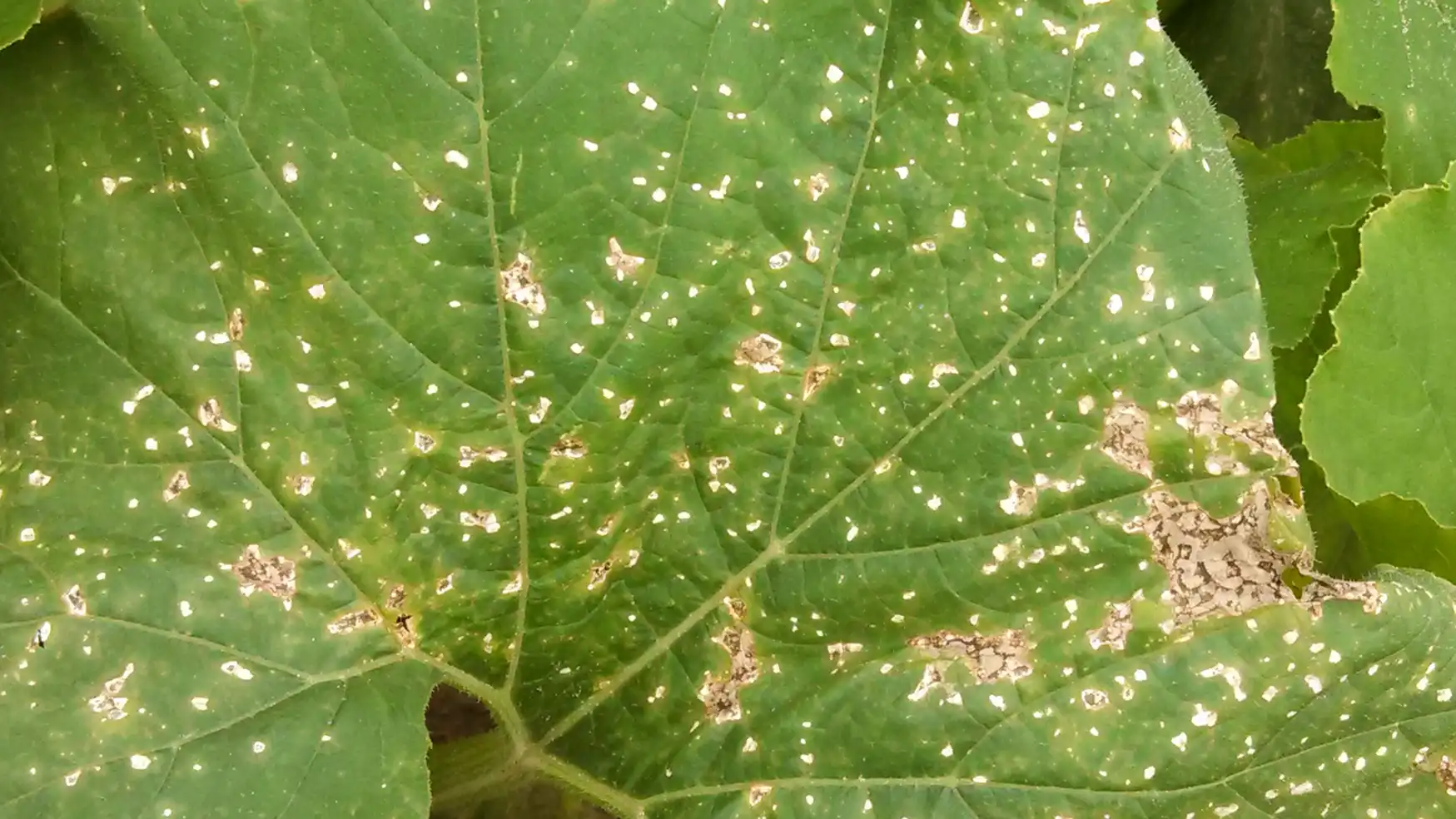
Powdery mildew appears as a white flour-like coating on the leaves, usually during humid conditions. If left untreated, it kills the leaves, leaving the fruits exposed to sunscald. A mix of baking soda, water, and a bit of liquid soap can be an effective organic remedy for small outbreaks, but commercial fungicides containing Azoxystrobin are often required for large-scale control during heavy pressure seasons.
Another major concern is the Bacterial Wilt, which is often spread by cucumber beetles. Once a plant is infected with wilt, there is no cure. The only solution is to pull out the infected plant and burn it to prevent the bacteria from spreading through the soil or via insect vectors. Keeping the farm free of weeds, which act as alternative hosts for these beetles, is the best preventive measure available.
Pumpkin Yield Per Acre in Kenya
Average yield per acre in 2026 ranges from 8 to 15 tons, depending on the variety and management intensity. Under high-tech irrigation and strict nutrition regimes, some farmers in the Rift Valley have reported yields of up to 20 tons per acre with the Israel Giant variety, though 10 tons is a more realistic benchmark for beginners.
A single healthy plant can produce between 5 and 15 pumpkins. However, for commercial purposes, many farmers thin the fruits, leaving only 3 to 4 per plant to ensure they reach the large sizes demanded by the market. This trade-off between quantity and quality is vital: a few large, well-formed pumpkins often fetch a better price than many small, underdeveloped ones that buyers might reject.
Read Also: Tomato Farming in Kenya 2026: Complete Guide From Nursery to Harvest
Yield is also heavily influenced by pollination. Since pumpkins have separate male and female flowers on the same plant, they rely on bees for pollination. If you notice many small fruits shriveling and falling off, it likely means they were not pollinated. In 2026, some commercial farmers are even keeping beehives on their farms to ensure maximum fruit set and boost their overall tonnage per acre.
To maximize yield, you must also manage the vines. Pruning the ends of the vines once they have set three or four fruits helps the plant focus its energy on those specific fruits rather than continuing to grow more leaves. This practice, known as pinching, is a secret used by top-performing farmers in the Mount Kenya region to produce pumpkins that consistently weigh over 8 kilograms each.
Cost of Pumpkin Farming Per Acre (2026)
The total cost to cultivate one acre of pumpkins in 2026 is approximately KES 65,000. This includes land preparation at KES 10,000, certified seeds at KES 4,000, manure and fertilizer at KES 22,000, labor at KES 15,000, and pest control at KES 14,000. Costs vary slightly based on county-specific labor rates and transport.
Budgeting for hidden costs like transport to the market is crucial. Many farmers fail because they produce a great crop but have not factored in the cost of a 10-ton truck to move the produce to Nairobi. In 2026, fuel prices remain a volatile factor, so collective marketing where several farmers share a truck is becoming the industry standard to maintain profitability for smallholders.
Labor costs can be reduced by using family labor for weeding and harvesting. However, for an acre, you will likely need at least two casual workers during the peak planting and harvesting weeks. It is also wise to set aside a small emergency fund of about KES 5,000 for unexpected pest outbreaks or the need for additional irrigation during an unseasonal dry spell in counties like Kajiado or Taita Taveta.
The following table provides a detailed breakdown of the expected costs for a single acre of commercial pumpkin production.
| Expense Item | Estimated Cost (KES) | Details |
|---|---|---|
| Land Prep (Plowing & Holes) | 12,000 | Includes tractor hire and manual labor |
| Seeds (1.5kg) | 5,500 | Certified hybrid varieties |
| Manure (3 Lorries) | 18,000 | Well-rotted cow or goat manure |
| Fertilizer (DAP & CAN) | 14,000 | Based on 2026 market prices |
| Chemicals & Pheromone Traps | 8,000 | Fungicides and fruit fly management |
| Labor (Weeding & Harvest) | 10,000 | Casual labor for 4 months |
| TOTAL COST | 67,500 | Initial investment per acre |
Pumpkin Farming Profit Per Acre Analysis
Potential revenue from an acre of pumpkins averages KES 250,000 to KES 450,000. Selling 10 tons at a conservative farm-gate price of KES 30 per kg yields KES 300,000. After deducting costs of KES 67,500, a farmer can expect a net profit of roughly KES 232,500 within four months.
In a best-case scenario, where the farmer sells during a market shortage in April before the main harvest, prices can reach KES 50 or 60 per kg. This can push the gross revenue over KES 500,000. Conversely, in a worst-case scenario where a market glut occurs and prices drop to KES 15 per kg, the farmer still breaks even and makes a small profit, proving the financial resilience of the crop.
Profitability is significantly boosted by value addition. If that same 10-ton harvest is processed into pumpkin flour, the revenue potential triples. One kilogram of pure pumpkin flour in 2026 retails for KES 400 to KES 600 in health shops. Even after processing costs, the margins for value-added products far exceed the sale of raw fruits, making it the recommended path for long-term commercial farmers in Kiambu and Nakuru.
Another profit stream often overlooked is the sale of pumpkin seeds. High-quality roasted pumpkin seeds are sold as premium snacks in urban malls. One acre can yield up to 200kg of seeds if the variety is chosen specifically for seed production. These seeds can sell for over KES 1,000 per kg when roasted and packaged, providing a secondary income that can cover the entire production cost of the farm.
Harvesting and Post-Harvest Handling
Harvest pumpkins when the rind is too hard to be pierced by a fingernail and the stem has turned woody and dry. Always leave a 5cm handle attached to the fruit to prevent rot. Properly cured pumpkins kept in a dry, ventilated area for 10 days can be stored for up to 6 months without losing quality.
The hollow sound test is also a reliable indicator of maturity. Tap the pumpkin: if it sounds hollow, it is ready. Never pick up a pumpkin by its stem, as it can snap off, creating an entry point for bacteria and shortening the shelf life. For the 2026 market, grading by size is essential. Supermarkets want uniform medium-sized fruits while bulk buyers for flour will take the giants.
Storing your harvest is a strategic move. If prices are low in December, storing your pumpkins until February or March can double your profit. Ensure the storage area is off the ground, preferably on wooden pallets, to prevent soil-borne moisture from causing rot. Regularly check the stored fruits and remove any that show signs of soft spots to prevent the spread of decay to the rest of the batch.
Proper curing is the secret to long storage. Curing involves keeping the pumpkins in a warm (25-30 degrees) spot with good airflow for about 10 days. This process thickens the skin and heals any minor scratches from the harvesting process. Once cured, the pumpkins should be moved to a cool, dark, and dry room. In such conditions, some varieties like the Crown Prince can last until the next harvest season.
Risks and Reality Check for 2026
The primary risks in pumpkin farming are market gluts, poor pollination due to lack of bees, and post-harvest losses from improper storage. Success requires a proactive marketing plan and an understanding of the local pest cycles to avoid losing the crop in the final weeks before harvest.
Market gluts usually happen in July and August when the rain-fed crops from most parts of the country hit the market simultaneously. If you harvest during this time, be prepared to store your produce for at least two months or have a pre-arranged contract with a processor. Selling to brokers at the peak of a glut is the fastest way to lose your expected profit margins.
Poor pollination is a rising concern as the use of indiscriminate pesticides has reduced bee populations in some farming blocks. If you do not see bees in your field by 8:00 AM, you may need to perform hand pollination. This involves picking a male flower, removing the petals, and rubbing the pollen onto the center of the female flower. It is labor-intensive but can save your harvest if natural pollinators are absent.
Theft is also a realistic risk for pumpkin farmers. Because pumpkins are high-value and easy to transport, fields near main roads are often targets. Many commercial farmers in 2026 are investing in basic fencing or hiring a night watchman during the final month of maturity. Losing even 10 percent of your crop to theft can significantly impact your return on investment.
Conclusion: Is Pumpkin Farming Worth It in Kenya in 2026?
Pumpkin farming remains one of the most viable commercial ventures in 2026 due to its low entry barrier and high ROI compared to other horticultural crops. The shift toward organic food and the growing industrial use of pumpkins ensure a stable long-term market for both small and large-scale producers.
The hard truth is that while the crop is hardy, you cannot plant and forget. Farmers who fail are usually those who ignore soil health or allow pests to take over in the first month. Success requires a disciplined approach to the first 30 days of growth. However, for a farmer with KES 70,000 and an acre of land, there are few crops in Kenya today that offer a more reliable path to a quarter-million shillings in profit.
The future of the industry lies in processing. As the Kenyan middle class grows, the demand for convenient, healthy foods like pre-peeled and vacuum-packed butternut or fortified pumpkin porridges will continue to rise. Aspiring commercial farmers should look beyond the farm gate and start thinking about how to package their produce for the modern urban consumer who values quality and convenience.
If you are a beginner, start with half an acre to master the management of pests and the timing of the market. Once you have a reliable buyer, scale up to 3 or 5 acres to benefit from economies of scale. In 2026, the pumpkin is no longer just a backyard plant; it is a serious commercial commodity that is transforming the fortunes of rural and peri-urban farmers across the country.
Frequently Asked Questions About Pumpkin Farming in Kenya (2026)
How much profit can you make from pumpkin farming per acre in Kenya?
You can earn a net profit of KES 150,000 to KES 350,000 per acre depending on market prices and variety.
How many pumpkin plants can fit on one acre of land?
An acre fits between 1,000 and 2,000 plants depending on the spacing used, such as 2m x 2m or 3m x 3m.
How long do pumpkins take to mature in Kenya?
Most commercial varieties take 90 to 120 days from planting to reach full maturity and harvest.
What is the best pumpkin variety to grow for profit in Kenya?
Sweet Cream and Butternut are best for retail, while Israel Giant is preferred for industrial flour production.
How much pumpkin seed is required to plant one acre?
You will need approximately 1kg to 1.5kg of certified seeds per acre depending on the variety and spacing.
What is the cost of starting pumpkin farming in Kenya per acre?
The average startup cost is KES 55,000 to KES 85,000, including seeds, manure, fertilizer, and labor.
How many pumpkins can one plant produce during a season?
A well-managed plant produces between 5 and 15 pumpkins, though commercial thinning limits this to 3 or 4 large fruits.
What fertilizer is best for pumpkin farming in Kenya?
DAP or NPK is best at planting, followed by CAN for top-dressing and a Potassium-rich foliar during fruiting.
Where can farmers sell pumpkins in Kenya for better prices?
Direct supply to supermarkets, schools, and hospitals offers better prices than open-air markets like Wakulima.
Can pumpkin farming be profitable in dry areas such as Kitui, Makueni, and Machakos?
Yes, pumpkins are drought-tolerant and perform well in these regions under basic irrigation or pitting techniques.