
- Cost Efficiency: Organic fertilizers in 2026 cost 40% to 60% less than synthetic DAP/CAN alternatives, especially when produced on-farm using livestock manure and crop residues.
- Soil Restoration: Continuous use of organic inputs reverses soil acidification in the North Rift and Central Highlands, increasing water retention by up to 30% during drought cycles.
- Yield Performance: Properly cured compost and vermicompost provide sustained nutrient release, often matching or exceeding synthetic yields in vegetable and fruit production after the second year of application.
Table of Contents
Farming in Kenya has reached a critical turning point in 2026. With the global price of synthetic fertilizers fluctuating and the long-term degradation of our soils becoming impossible to ignore, organic fertilizer has moved from a niche alternative to the backbone of profitable commercial agriculture. Whether you are a small-scale kitchen gardener in Kikuyu or a large-scale maize farmer in Kitale, understanding how to harness the power of compost, manure, and vermicomposting is no longer just an environmental choice, it is a financial necessity for survival and growth.
This guide serves as a comprehensive resource for the modern Kenyan farmer. We will explore the various types of organic inputs available, the science of soil restoration, and the practical steps required to produce high-quality fertilizer on your own shamba. By the end of this article, you will have a clear roadmap to reducing your reliance on expensive imports while building a farm that is more resilient to climate change and drought.
The Current State of Soil Health in Kenya
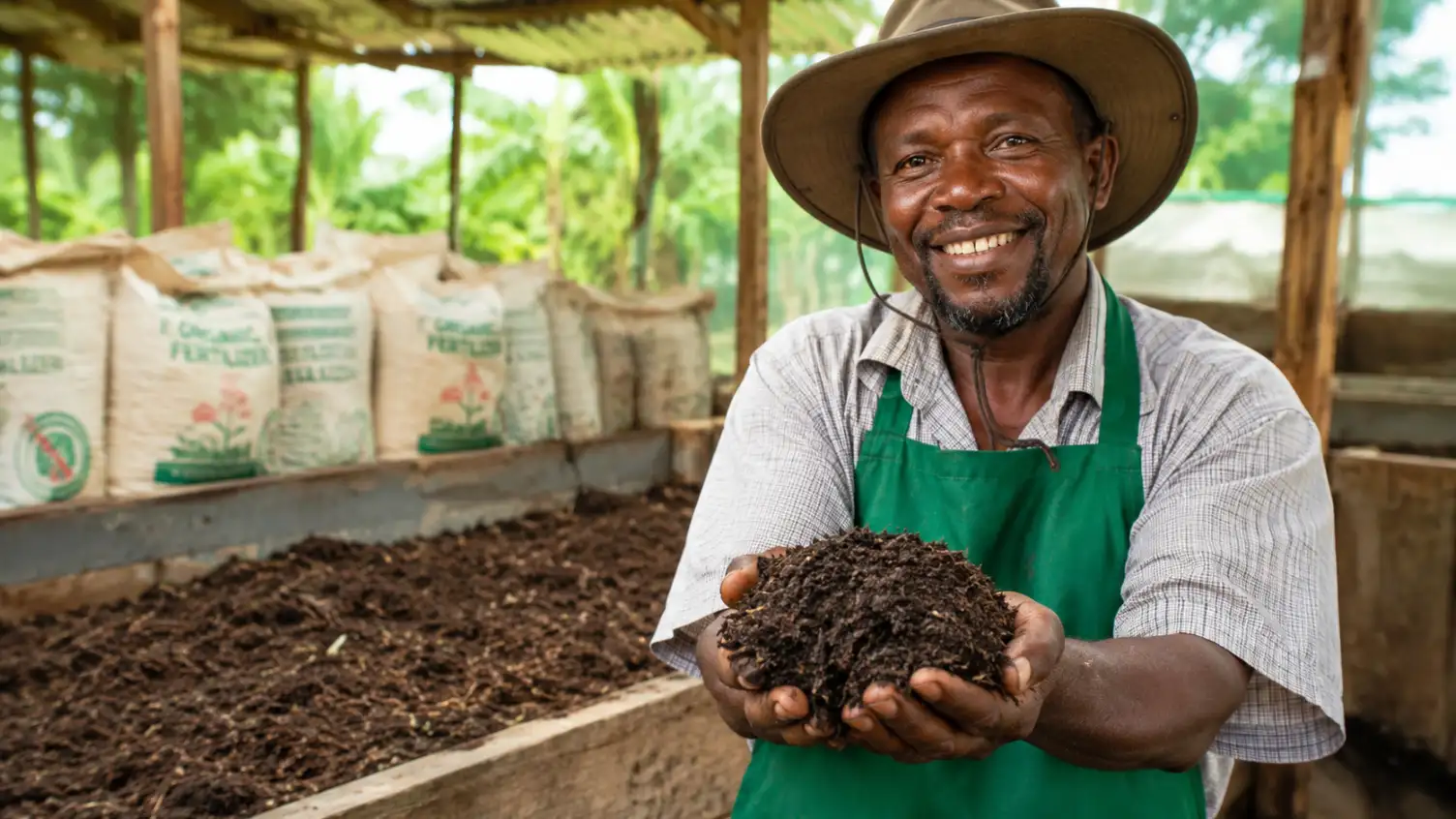
Organic fertilizer is vital because it restores soil structure, increases microbial activity, and improves water retention, which synthetic fertilizers cannot do. In 2026, many Kenyan soils suffer from high acidity and low organic matter due to decades of DAP overuse, making organic inputs the only way to ensure long-term productivity.
Read Also: 2026 Fertilizer Guide: Understanding NPK Ratios for Maximum Maize Yields
Many regions across Kenya, particularly in the breadbasket counties like Uasin Gishu, Trans Nzoia, and Nakuru, are facing a silent crisis of soil acidification. Years of exclusive reliance on Diammonium Phosphate (DAP) have lowered soil pH levels to points where crops can no longer effectively absorb nutrients. This means that even if you apply more expensive chemical fertilizer, your maize or potatoes remain stunted because the soil environment is locked. Organic fertilizers act as a natural buffer, slowly raising the pH and unlocking those dormant minerals.
Soil erosion and the loss of organic matter have further weakened the land. When soil lacks carbon and humus, it loses its ability to hold water. During the increasingly frequent drought cycles seen in 2026, farms that rely solely on synthetic inputs see their crops wither much faster than those using organic matter. Healthy soil should feel like a moist sponge, and that texture is only possible through the consistent addition of compost and manure.
Furthermore, the microbial life in our soil has been decimated by heavy chemical use. Beneficial fungi and bacteria are the workers that convert minerals into plant-available food. Organic fertilizers provide the energy these microbes need to thrive. When your soil biology is healthy, your plants develop stronger natural defenses, reducing the need for expensive pesticides and fungicides over time.
What Exactly is Organic Fertilizer?
Organic fertilizer is any soil amendment derived from natural sources, including animal waste, plant residues, and microbial processes. Unlike synthetic fertilizers which are manufactured in factories using fossil fuels, organic fertilizers are products of nature. They contain essential nutrients like Nitrogen, Phosphorus, and Potassium, but they also include a vast array of micronutrients and carbon.
One of the most important characteristics of organic fertilizer is its slow-release nature. While chemical fertilizers provide a rapid hit of nutrients that can often leach away with heavy rains, organic inputs break down slowly. This ensures that the plant has a steady supply of food throughout its entire growth cycle, from seedling to harvest. It also prevents the risk of nutrient runoff into local rivers and lakes.
Read Also: How to Make Free Organic Fertilizer from Kitchen Waste at Home in Kenya
In the Kenyan context, organic fertilizers come in many forms. This includes traditional farmyard manure, green manure from cover crops, biochar produced from agricultural waste, and high-value vermicompost. Each has a specific role to play in the farm ecosystem, and the best farmers often use a combination of these to achieve the best results.
Organic Fertilizer vs. Chemical Fertilizer
The following table provides a clear comparison of how organic and chemical fertilizers perform across various farm management metrics in the Kenyan environment.
| Feature | Organic Fertilizer | Chemical (Synthetic) Fertilizer |
|---|---|---|
| Nutrient Release | Slow and steady (over months) | Immediate (over days/weeks) |
| Soil Structure | Improves (adds humus) | Degrades (can cause compaction) |
| Water Retention | Increases significantly | No effect |
| Environmental Impact | Low (recycles waste) | High (leaching and runoff) |
| Cost (2026) | Low (if made on-farm) | High (market-dependent) |
| Microbial Support | Feeds beneficial microbes | Can inhibit microbial growth |
The main challenge with organic fertilizer is the volume required. To get the same nitrogen as a 50kg bag of urea, you might need several tonnes of compost. However, the organic option provides micronutrients like Zinc, Boron, and Calcium that are often missing from standard NPK bags. In the long run, the organic-fed shamba becomes more self-sustaining, while the chemical-fed shamba requires more inputs every year just to maintain the same yield.
Chemical fertilizers are often blamed for the rising cost of production. As of 2026, the price of a single bag of DAP can fluctuate by thousands of shillings based on global shipping and oil prices. By producing your own organic fertilizer, you insulate your farm from these external shocks. You effectively turn your farm waste into your farm’s greatest financial asset.
The Core Benefits of Using Organic Inputs
Improves Soil Structure: Organic matter binds soil particles together into aggregates. This creates pores that allow air and water to move through the soil. Well-structured soil prevents compaction, making it easier for roots to grow deep and wide.
Increases Beneficial Microbes: Your soil is a living ecosystem. By adding organic fertilizer, you are providing a buffet for earthworms and beneficial bacteria. These organisms process nutrients and make them more available to your crops while suppressing soil-borne diseases.
Improves Water Retention: In the dry regions of Eastern and Northern Kenya, water is the most limiting factor. Organic matter can hold up to 20 times its weight in water. This means your crops can survive longer between rain events or irrigation cycles.
Reduces Fertilizer Costs: Over a three-year period, farmers who transition to organic-heavy systems report a 50% reduction in total input costs. While the labor for composting is higher, the cash outflow for expensive synthetic bags is drastically reduced.
Read Also: Avocado, Macadamia or Dairy? Best Export-Ready Agribusiness Ventures in Kenya for 2026
Builds Long-Term Fertility: Chemical fertilizers are a one-time transaction. Once the plant uses them, they are gone. Organic fertilizers build the soil bank. Every year you apply them, the baseline fertility of your land increases, requiring fewer inputs in the future.
Deep Dive: Animal-Based Fertilizers
Animal manure remains the most common form of organic fertilizer in Kenya. However, its effectiveness depends entirely on how it is handled and treated before application. In 2026, the practice of using fresh manure is being discouraged due to the risks of burning crops and spreading pathogens.
Cow Manure: This is the most abundant type. It is relatively low in concentrated nutrients but excellent for improving soil structure. It must be composted for at least three months to kill weed seeds and reduce the salt content. It is best used for heavy-feeding crops like maize and bananas.
Poultry Manure: This is often considered the DAP of the organic world. It is extremely high in Nitrogen and Phosphorus. However, it is also very hot and can easily burn young plants if applied fresh. It should be mixed with carbon-rich materials like sawdust or straw during composting to balance its strength.
Goat and Sheep Manure: These are balanced fertilizers that come in pellet form. They are easy to handle and break down slower than poultry manure, providing a steady release of nutrients. They are highly sought after by vegetable farmers in the Central Highlands.
Rabbit Manure: This is one of the few manures that can be applied directly to plants without traditional composting. It is rich in Nitrogen and Phosphorus and does not burn roots. For many small-scale urban farmers, rabbit urine is also collected and used as a potent liquid foliar fertilizer.
Pig Manure: While nutrient-rich, pig manure is often very wet and can carry more pathogens than ruminant manure. It must be composted thoroughly at high temperatures to ensure it is safe for food crops. It is best used in a pit composting system where moisture can be managed.
Organic Fertilizer Nutrient Comparison Chart
Not all organic fertilizers contain the same nutrients. Some are rich in nitrogen for leafy growth, while others provide more phosphorus for root development or potassium for flowering and fruit production. Understanding these differences helps farmers choose the right fertilizer for specific crops and growth stages.
| Organic Fertilizer | Nitrogen (N) | Phosphorus (P) | Potassium (K) | Best Used For |
|---|---|---|---|---|
| Poultry Manure | High | High | Medium | Leafy vegetables, maize, tomatoes |
| Cow Manure | Medium | Low | Medium | Soil improvement, bananas, maize |
| Goat Manure | Medium | Medium | Medium | Vegetables, fruits, flowers |
| Rabbit Manure | High | Medium | High | Seedlings, vegetables, container gardens |
| Pig Manure | Medium | Medium | Medium | Cereals after proper composting |
| Vermicompost | Balanced | Balanced | Balanced | High-value crops, nurseries |
| Compost | Low to Medium | Low | Low to Medium | General soil conditioning |
Remember that nutrient content varies depending on animal diet, composting methods, and storage conditions.
How to Choose the Best Organic Fertilizer for Your Crops
There is no single organic fertilizer that suits every crop. Your choice should depend on your soil type, crop requirements, available materials, and budget.
Leafy Vegetables
Recommended:
- Poultry manure
- Vermicompost
- Well-rotted compost
Suitable for:
- Sukuma wiki
- Spinach
- Lettuce
- Cabbage
Fruiting Crops
Recommended:
- Goat manure
- Vermicompost
- Compost
Suitable for:
- Tomatoes
- Capsicum
- Eggplants
- Cucumbers
Root Crops
Recommended:
- Mature compost
- Cow manure
Suitable for:
- Carrots
- Potatoes
- Beetroot
Avoid excessive poultry manure because it encourages leafy growth instead of root development.
Fruit Trees
Recommended:
- Cow manure
- Compost
- Vermicompost
Suitable for:
- Avocados
- Mangoes
- Citrus
- Passion fruits
The Art and Science of Composting
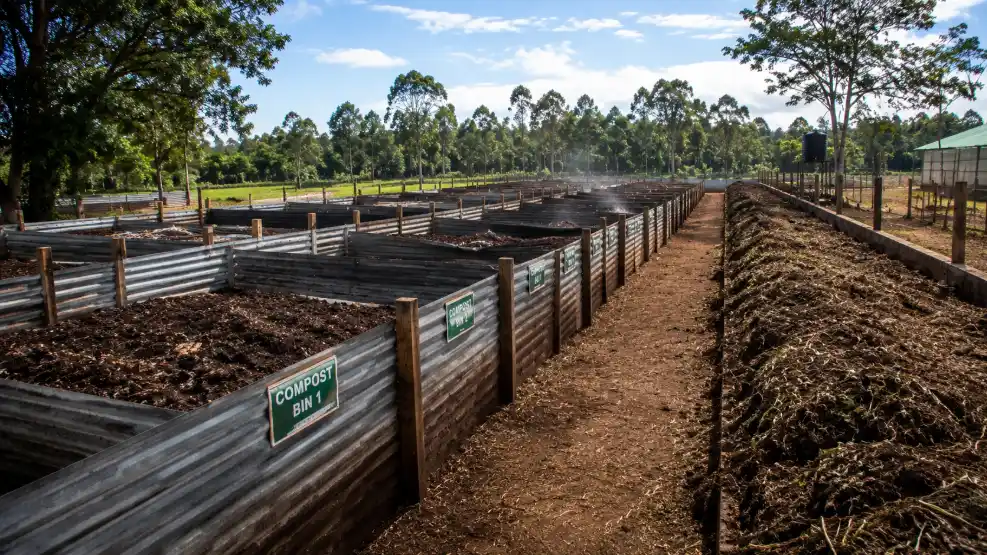
To make high-quality compost, layer greens (nitrogen) and browns (carbon) in a 1:3 ratio, maintain moisture like a wrung-out sponge, and turn the pile every two weeks to aerate. In the Kenyan climate, a hot compost pile can be ready in 60 to 90 days if properly managed.
Composting is the controlled decomposition of organic materials. Unlike a simple trash pile, a well-managed compost heap reaches high temperatures that kill pathogens and weed seeds. The result is a stable, humus-rich material that is safe for all crops. The key to success is the Carbon-to-Nitrogen (C:N) ratio.
The “Greens” (Nitrogen): These include fresh vegetable scraps, grass clippings, fresh weeds, and fruit peels. Greens provide the protein that the microbes need to grow and multiply. Without enough greens, your compost pile will stay cold and take forever to break down.
Read Also: Kenya Seed Company vs Simlaw vs SeedCo: Seed Prices, Best Varieties and Where to Buy in Kenya 2026
The “Browns” (Carbon): These include dry maize stalks, wheat straw, dried leaves, sawdust, and cardboard. Browns provide the energy and structural support for the pile. Too many browns will slow down the process, but they are essential for preventing the pile from smelling like rotten eggs.
Hot Composting: This is the fastest method. You build a pile at least one meter high and one meter wide. By turning the pile every 14 days, you introduce oxygen, which fuels the thermophilic bacteria. The pile should reach temperatures of 55 to 65 degrees Celsius. This method produces finished compost in about 8 to 12 weeks.
Pit Composting: This is more suitable for drier regions like Machakos or Kajiado. By digging a pit, you protect the moisture from evaporating in the hot sun. While it takes longer to decompose because there is less airflow, it requires much less water to maintain than an above-ground pile.
Vermicomposting: Using Worms for High-Value Fertilizer
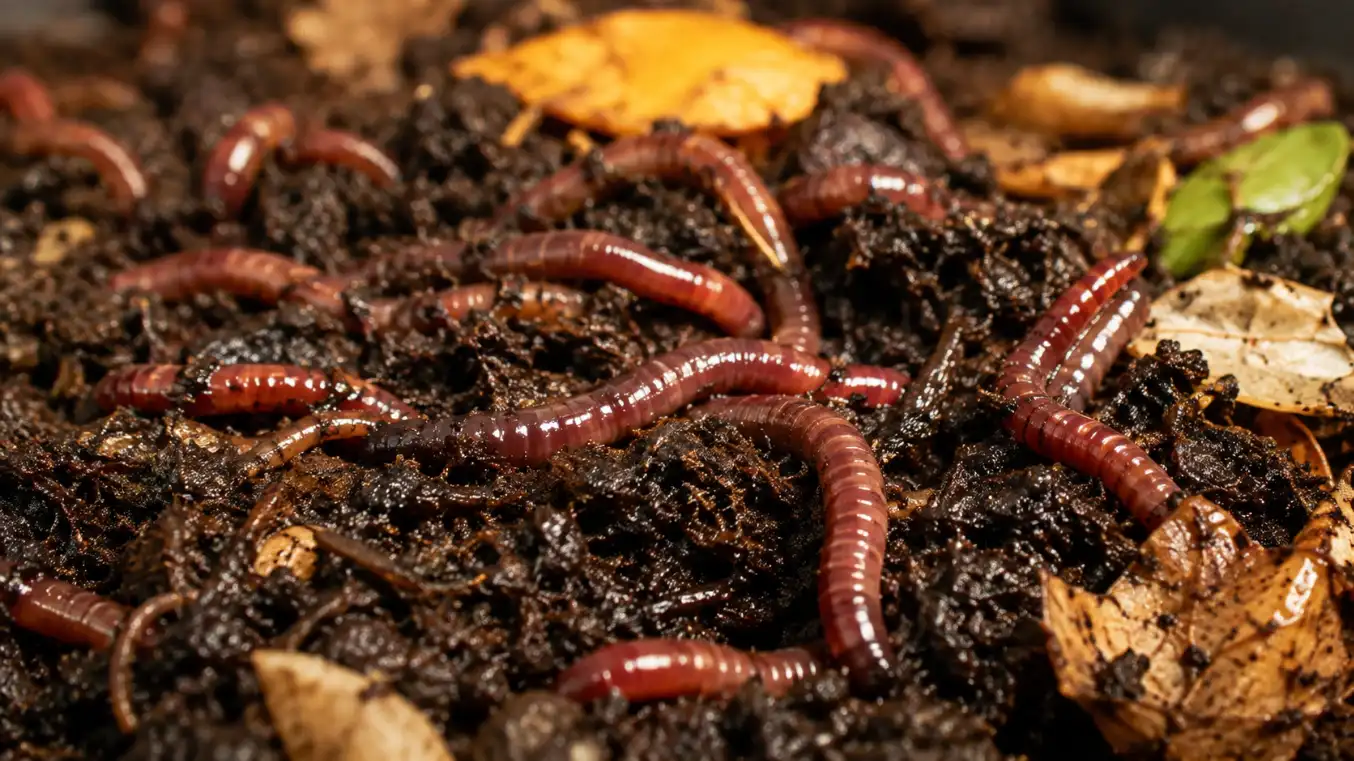
Vermicomposting involves bedding Red Wiggler worms in organic waste within a ventilated container. Feed them fruit and vegetable scraps, avoid oily or acidic foods, and keep the environment dark and moist. You can harvest nutrient-rich castings every 3 to 4 months for high-value crop application.
Vermicomposting is the process of using specific earthworms to turn organic waste into high-quality fertilizer called worm castings. In 2026, this has become a popular income stream for youth in peri-urban areas. Worm castings are far more concentrated in nutrients and beneficial microbes than standard compost.
The most common worms used in Kenya are Red Wigglers (Eisenia fetida) and African Nightcrawlers. These worms live in the top layers of decomposing organic matter and can eat their body weight in waste every single day. They produce a fertilizer that is rich in plant growth hormones and enzymes that stimulate rapid root development.
Feeding the Worms: Worms love soft waste like papaya peels, watermelon rinds, and coffee grounds. You must avoid feeding them citrus (lemons/oranges), onions, garlic, meat, or oily foods. These materials can create an acidic environment that is toxic to the worms or attract pests like rats and flies.
Worm Tea: This is the liquid byproduct of vermicomposting. It is a powerful foliar spray that can be diluted with water (usually 1:10) and sprayed directly onto the leaves of vegetables. It acts as both a fertilizer and a biological pesticide, protecting the plant from fungal diseases like powdery mildew.
Biochar: The 2026 Soil Revolution
Biochar is a form of charcoal produced by heating agricultural waste, like rice husks or maize cobs, in an oxygen-limited environment. This process is called pyrolysis. Unlike regular charcoal used for cooking, biochar is designed to be buried in the soil to improve its physical and chemical properties.
Biochar is incredibly porous. These tiny holes act as a permanent home for beneficial microbes and as a reservoir for water and nutrients. Because biochar does not decompose, it stays in your soil for hundreds of years. It is essentially a permanent upgrade to your farm’s infrastructure.
In 2026, Kenyan companies like Safi Organics have pioneered decentralized biochar production. By taking small pyrolysis units directly to farms, they help farmers convert their waste into a product that can neutralize soil acidity. Biochar is most effective when it is charged with liquid manure or worm tea before being applied to the land.
Commercial Organic Fertilizers in Kenya
In 2026, top commercial organic brands include Safi Organics, Regen Organics, and Evergrow. These products are preferred by commercial growers because they offer standardized nutrient levels, are free from pathogens, and are packaged for easy transport and mechanical application.
While making fertilizer on-farm is the most cost-effective method, many large-scale commercial farmers prefer to buy standardized organic products. These products are processed to ensure consistent nutrient levels, which is vital for precision farming and export-grade produce.
Safi Organics: Based in Mwea, they specialize in biochar-based fertilizers. Their products are designed to correct soil pH while providing essential nutrients. They are a favorite for maize and rice farmers who need to restore fields that have been degraded by decades of chemical use.
Regen Organics (Evergrow): This brand is produced through the industrial-scale composting of organic waste. It is heat-treated to ensure it is free from pathogens and weed seeds. It is widely available in Agrovets across Kenya and is highly recommended for greenhouse vegetable production.
Black Gold (Organic Kenya Ltd): This company focuses on high-quality vermicompost and liquid organic boosters. Their products are often used by flower farms in Naivasha and strawberry growers in Kiambu who require high microbial activity for their crops.
When buying commercial organic fertilizer, always check for the KEBS (Kenya Bureau of Standards) seal of approval. Authentic organic fertilizers will have a clear analysis of their N-P-K content and organic matter percentage on the bag. Avoid buying unbranded, loose compost from the roadside as it may contain harmful chemicals or heavy metals.
Organic Fertilizer Application Rates
The following table provides a general guide for applying organic fertilizer to various crops in Kenya. Note that these rates are for well-rotted or commercial-grade organic products.
| Crop Type | Method | Recommended Amount | Timing |
|---|---|---|---|
| Maize / Beans | Broadcast or Row | 5-8 Tonnes / Acre | 2 weeks before planting |
| Tomatoes / Capsicum | Planting Hole | 2 big handfuls (500g) | At transplanting |
| Sukuma Wiki / Spinach | Top Dressing | 1 handful per plant | Every 4 weeks after harvest starts |
| Avocado / Mango | Basal Ring | 15-30kg per tree | Start of Long Rains |
| Potatoes | Furrow Application | 4-6 Tonnes / Acre | At the time of ridging |
One of the biggest mistakes farmers make is under-applying organic fertilizer. Because the nutrients are less concentrated than DAP or Urea, you need more volume to achieve the same result. However, the benefits to the soil structure often mean you get better results with organic matter even if the N-P-K numbers look lower on paper.
For fruit trees, the timing of application is critical. Applying manure at the start of the rainy season ensures that the nutrients are washed down into the root zone just as the tree begins its most active growth phase. For vegetables, regular top-dressing with liquid manure or worm tea can significantly extend the harvest period.
Cost Analysis: The Financial Logic of Going Organic
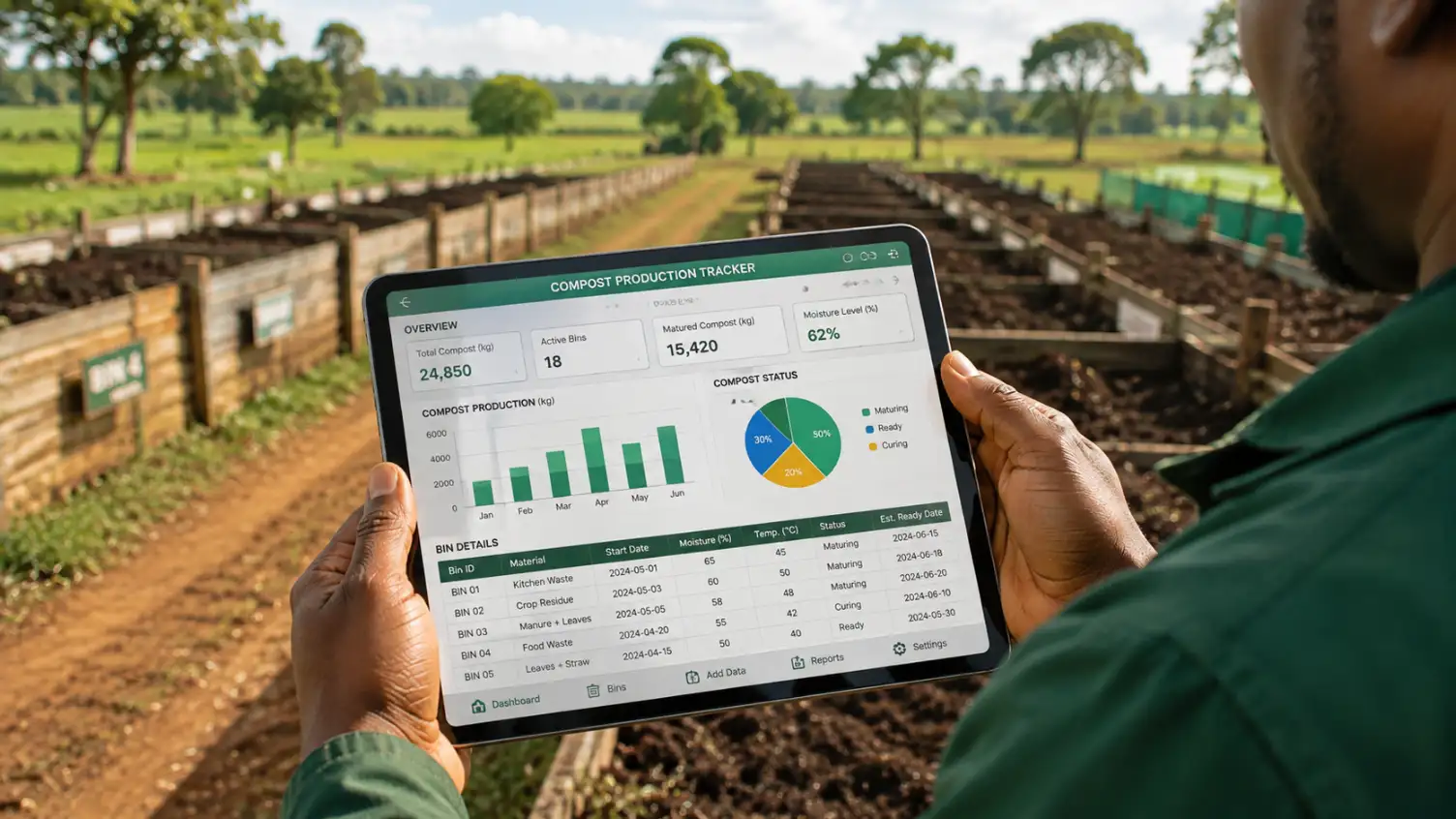
Switching to organic inputs can reduce seasonal production costs by 30% to 50%. While initial labor for composting is higher, the savings on synthetic fertilizers (KES 4,500+ per bag) and the increased market price for organic-grown produce lead to higher net profits per acre.
Let us look at a one-acre tomato farm in 2026. A traditional farmer might spend KES 45,000 on synthetic fertilizers and lime to combat acidity. An organic farmer using on-farm manure and vermicompost might spend KES 15,000 on raw materials and KES 10,000 on additional labor for composting and application. This results in a direct saving of KES 20,000 before the first tomato is even sold.
Beyond the input savings, there is the factor of market demand. In 2026, Kenyan consumers are more aware of the link between soil health and human health. Markets in Nairobi, such as Zucchini or various organic farmers markets, pay a premium of 20% to 40% for produce certified as organic or grown without heavy chemicals. This value addition at the soil level significantly boosts the bottom line.
There is also the hidden cost of chemical dependency. As soil health declines, a farmer must buy more and more chemical fertilizer just to keep yields from falling. This is a treadmill that leads to poverty. Organic fertilizer is an investment in an asset. Every year you apply compost, you are building the soil bank. After three to five years of consistent organic application, the soil becomes so fertile that you can actually reduce the amount of input needed while maintaining high yields.
Practical Tips for Transitioning Your Farm
Transitioning from a chemical-heavy system to an organic one requires patience. If your soil is currently dead from years of DAP, organic fertilizer will not work miracles overnight. The first season might even show slightly lower yields as the soil biology begins to wake up. This is where many farmers give up and go back to chemicals. You must be prepared for a transition period of one to two seasons.
Start by doing a soil test. This will tell you exactly how acidic your soil is and which nutrients are missing. Use organic fertilizer to address the underlying health of the soil while using small, targeted amounts of synthetic fertilizer if necessary to maintain yields during the transition. This is called Integrated Soil Fertility Management.
Focus on crop rotation. Legumes like beans or desmodium can fix nitrogen from the air into the soil, acting as a free fertilizer source. When you combine legumes with compost, you create a powerful nutrient cycle that reduces your need for external inputs. Mulching is also essential, as it protects the microbes in your organic fertilizer from being killed by the hot Kenyan sun.
Common Mistakes to Avoid
Applying Fresh Manure: This is the most common error. Fresh manure is high in ammonia and salts that will dehydrate and kill your seedlings. It also contains undigested seeds from the weeds the animals ate. Always compost or cure manure for at least 60 days before use.
Ignoring Moisture in Compost: A compost pile that is too dry will stop decomposing. A pile that is too wet will become anaerobic and smell bad. Your compost should always feel like a wrung-out sponge. In dry regions, you must cover your piles with plastic or banana leaves to retain moisture.
Overusing Poultry Manure: Because it is so strong, farmers often treat it like cow manure and apply too much. This can lead to nitrogen toxicity, where the plant grows lots of leaves but very little fruit. Always mix poultry manure with carbon-rich materials or use it sparingly.
Using Diseased Plant Material: If your tomato crop had blight, do not put those vines in your compost pile unless you are sure your pile is reaching hot temperatures (above 55 degrees). Otherwise, you are simply recycling the disease back into your field for the next season.
Risks and Reality Check
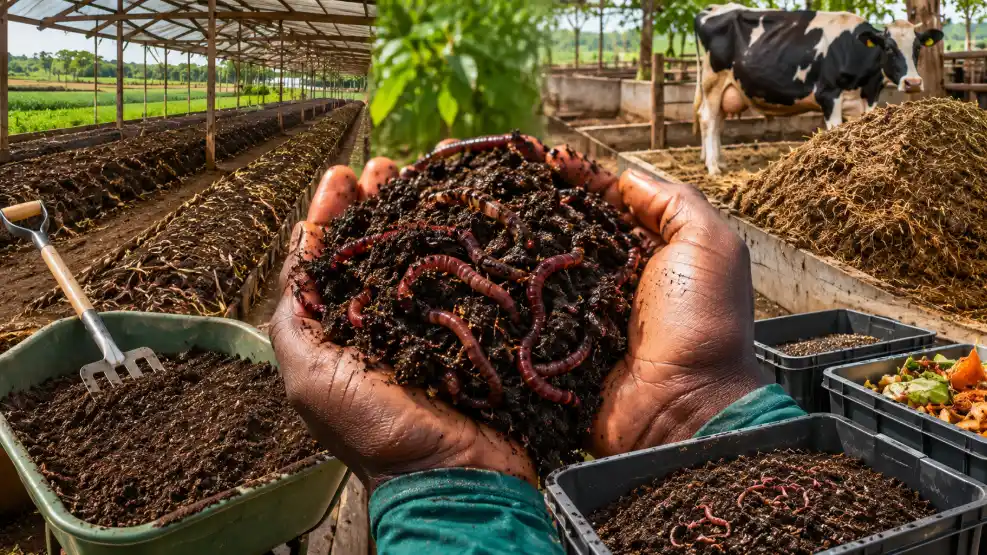
The main risks include using hot (un-rotted) manure which burns crops, importing weeds through poor quality compost, and the presence of pathogens like E. coli in improperly handled animal waste. Success requires patience, as organic transitions usually take 1 to 2 seasons to show full benefits.
One reality that farmers must face is the labor requirement. Making 10 tonnes of compost is hard work. It requires moving heavy materials and regular turning. For many older farmers or those without access to affordable labor, this can be a significant barrier. In these cases, investing in small-scale machinery like a shredder for maize stalks can make the process much easier.
Another risk is the source of your manure. If you buy manure from a farm that uses heavy doses of antibiotics or feeds its cattle on pesticide-sprayed grass, those chemicals can end up in your compost. Whenever possible, know your source or produce your own manure on-farm to ensure the highest quality and safety for your crops.
Where to Buy Organic Fertilizer in Kenya
For those who cannot produce enough fertilizer on-farm, there are several reliable sources across the country. Local livestock farms in areas like Limuru and Githunguri are excellent sources for raw manure, but you must factor in the cost of transport and the time required for curing.
Agricultural suppliers and Agrovets in major towns now stock a wide variety of branded organic products. Companies like Regen Organics have distribution networks that reach into rural sub-counties. Additionally, many farmer cooperatives are now setting up their own composting facilities to provide high-quality inputs to their members at subsidized rates.
If you are looking for practical organic farming resources, hydroponic supplies, or high-quality grow bags to use with your compost, visit Crazy Kanairo Farming to browse our catalog. We specialize in helping Kenyan farmers transition to more sustainable and profitable methods. You can also contact us on WhatsApp for personalized recommendations based on your specific crops and location.
How to Store Organic Fertilizer Properly
Improper storage can reduce nutrient quality before application.
Follow these best practices:
- Store compost under a roof or waterproof cover.
- Prevent rainwater from washing away nutrients.
- Keep fertilizer away from direct sunlight.
- Maintain moderate moisture levels.
- Store on raised ground to prevent flooding.
- Keep livestock away from stored compost.
Proper storage preserves nutrients and maintains microbial activity.
Case Study: Improving Tomato Production Using Compost
A small-scale tomato farmer in Kirinyaga County incorporated well-rotted compost into planting holes before transplanting and applied compost tea every three weeks during crop growth. Over successive seasons, the farmer observed healthier root systems, improved moisture retention during dry periods, and reduced dependence on synthetic fertilizers. Although the initial compost preparation required additional labour, production costs declined over time as more fertilizer was produced on the farm.
This example illustrates an important principle of organic farming: improvements in soil health often accumulate over several growing seasons rather than appearing immediately.
Conclusion
The transition to organic fertilizer in Kenya is not just an environmental trend, it is a vital economic survival strategy for the year 2026 and beyond. By understanding the differences between manure, compost, and vermicompost, you can take control of your farm’s fertility and reduce your dependence on expensive, imported chemicals. While the process requires more labor and a different mindset, the rewards of healthier soil, more resilient crops, and higher profits are well worth the effort.
As you begin your organic journey, remember that soil health is a marathon, not a sprint. Start by composting your farm waste, testing your soil regularly, and gradually increasing your organic matter levels. With consistency and the right techniques, your shamba will become a productive and sustainable asset for generations to come. For more help and professional farming supplies, reach out to the Crazy Kanairo Farming team on WhatsApp today.
Frequently Asked Questions
What is the best organic fertilizer in Kenya for vegetables?
Vermicompost and well-rotted poultry manure are the best for vegetables like tomatoes and sukuma wiki due to their high nitrogen and phosphorus content which promotes leafy growth and fruiting.
How do I make organic fertilizer at home in Kenya?
Mix 3 parts dry browns (maize stalks) with 1 part greens (kitchen waste), keep it moist, and turn it every 2 weeks for 3 months until it becomes dark, earthy, and crumbly compost.
What is the difference between organic and inorganic fertilizer?
Organic fertilizers come from living sources and build soil health over time, while inorganic (chemical) fertilizers are factory-made minerals that provide a quick but temporary nutrient boost.
Where can I buy organic fertilizer in Kenya?
You can buy from commercial producers like Safi Organics, Regen Organics (Evergrow), or local livestock farms. Many Agrovets in major towns now stock branded organic bags.
How much does organic fertilizer cost in Kenya?
In 2026, a 50kg bag of commercial organic fertilizer costs between KES 1,200 and KES 2,000. On-farm produced compost can cost as little as KES 200 per bag in labor and transport.
Which is better: compost, manure, or vermicompost?
Vermicompost is superior for nutrient density and plant hormones, but compost and manure are more practical for large-scale field crops due to their lower cost and higher available volumes.
Can organic fertilizer completely replace chemical fertilizer?
Yes, but it requires a 2 to 3 year transition period to rebuild soil biology. Many successful Kenyan farmers now use 100% organic inputs for horticulture and 70% for cereal crops.
What are the benefits of using organic fertilizer in Kenya?
It reverses soil acidity, improves water retention during droughts, feeds beneficial microbes, and significantly reduces the seasonal cost of production for the farmer.
How do I apply organic fertilizer to crops correctly?
Mix it into the soil during land preparation or place it in the planting hole. Never leave organic fertilizer on the surface where the sun can kill the beneficial microbes.
What are the disadvantages of organic fertilizer?
The main disadvantages are the large volumes required, the labor-intensive nature of composting, and the slower nutrient release compared to synthetic alternatives.