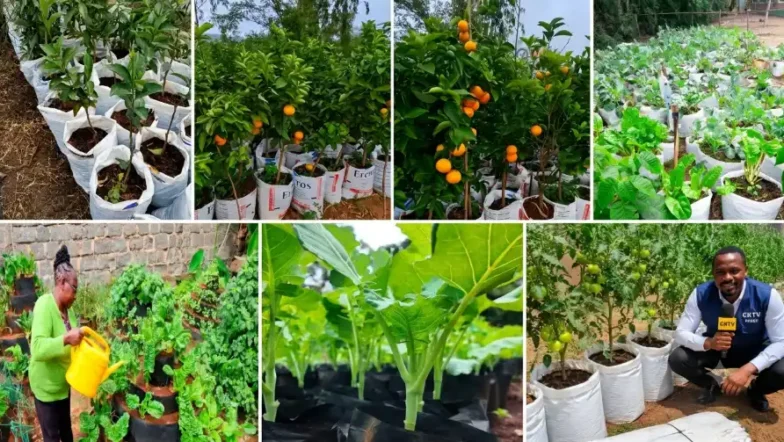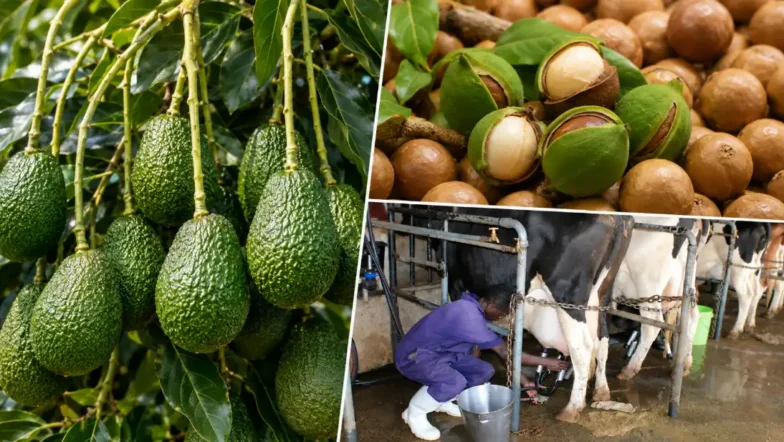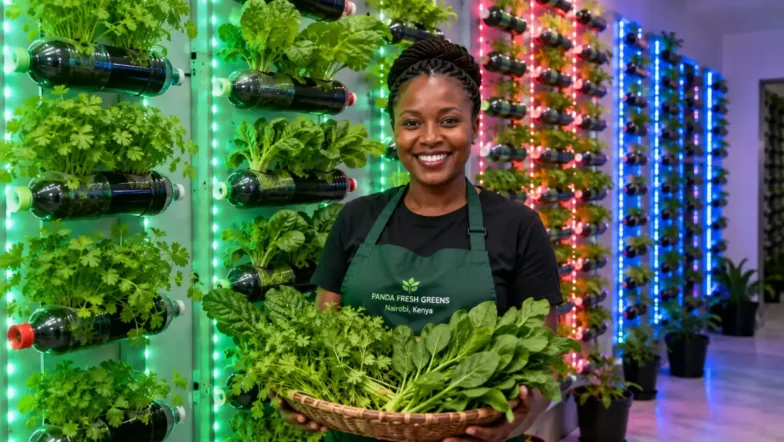
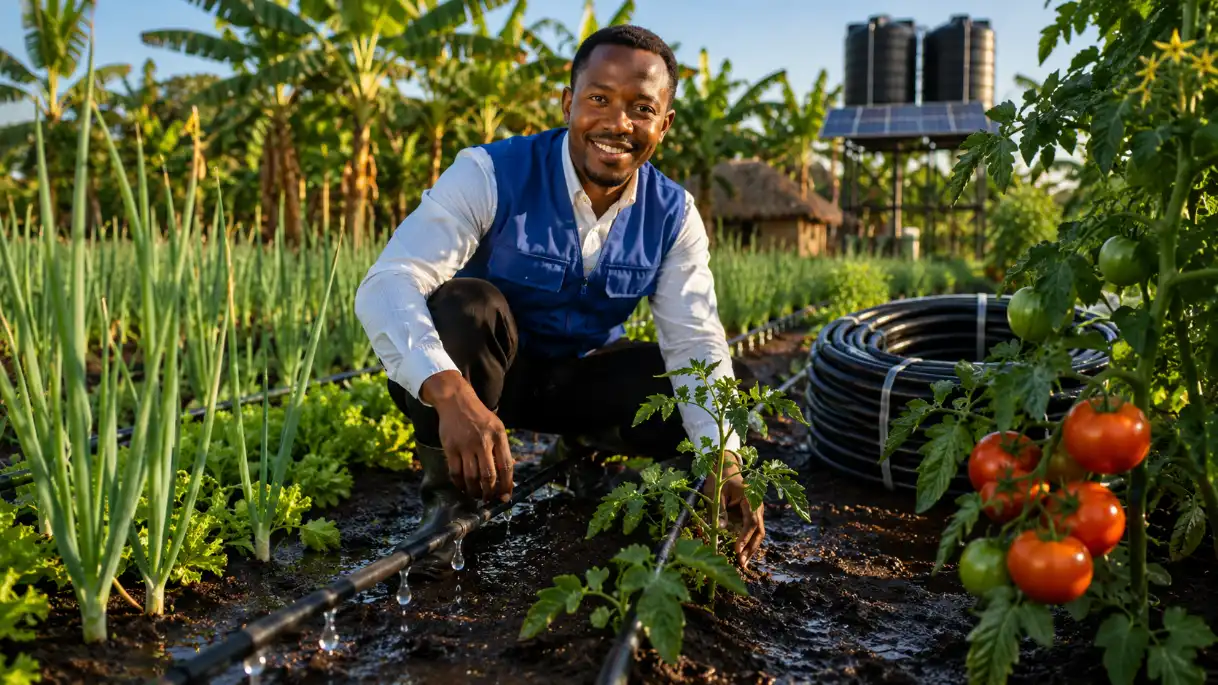

- 2026 Market Pricing: A complete 1-acre drip irrigation system in Kenya currently costs between KES 145,000 and KES 195,000, depending on pipe thickness and filtration needs.
- Water Efficiency: Modern drip systems save up to 60 percent more water than traditional furrow methods, making them vital for farming in semi-arid counties like Kajiado and Machakos.
- Profitability: Farmers using drip technology for high-value crops like onions and tomatoes typically see a return on investment within two harvest cycles.
Table of Contents
Farming in Kenya has evolved into a high-stakes business where precision is the only way to survive. As we move through 2026, the reliance on predictable rainfall has almost entirely vanished. Smallholder farmers are now faced with the reality of expensive inputs, with fertilizer prices remaining a significant overhead. Every drop of water must count, and every gram of nutrient must reach the plant directly.
This shift has made drip irrigation the most important investment for any shamba. It is no longer just about watering plants; it is about managing a production line. Whether you are in the fertile highlands of Nyandarua or the dry plains of Makueni, a well-designed drip system ensures your crops never face moisture stress. This guide provides a comprehensive look at the best systems, costs, and practical realities of drip irrigation today.
Read Also: SunCulture Solar Water Pump Prices in Kenya 2026: Cost and Profit Guide
The most effective drip irrigation system for small Kenyan farms is a UV-treated drip tape system with 16mm piping and a high-quality disc filtration unit. For those with limited initial capital, gravity-fed kits from reputable suppliers like Amiran or local installers provide the best balance of affordability and technical support.
The Current State of Irrigation in Kenya
By 2026, the Kenyan agricultural sector has embraced technology out of necessity. The cost of living and the price of electricity have pushed farmers toward more efficient watering methods. Traditional flood irrigation, once common in Mwea and other irrigation schemes, is being phased out. It is too wasteful, leading to soil erosion and high labor costs for digging trenches.
Small-scale farmers are now looking for “smart” solutions. They want systems that are easy to maintain and can be powered by renewable energy. In counties where water is sourced from boreholes, the cost of pumping water has become a major concern. This economic pressure is the primary driver behind the mass adoption of drip systems which use significantly less water and energy.
Furthermore, the variety of crops being grown has changed. There is a massive push for export-quality produce such as Hass avocados and bird’s eye chilies. These crops require precise watering schedules that only a drip system can provide. If you want to compete in the 2026 market, you must move away from the “wait and see” approach of rain-fed agriculture.
What Is Drip Irrigation and Why It Saves Money
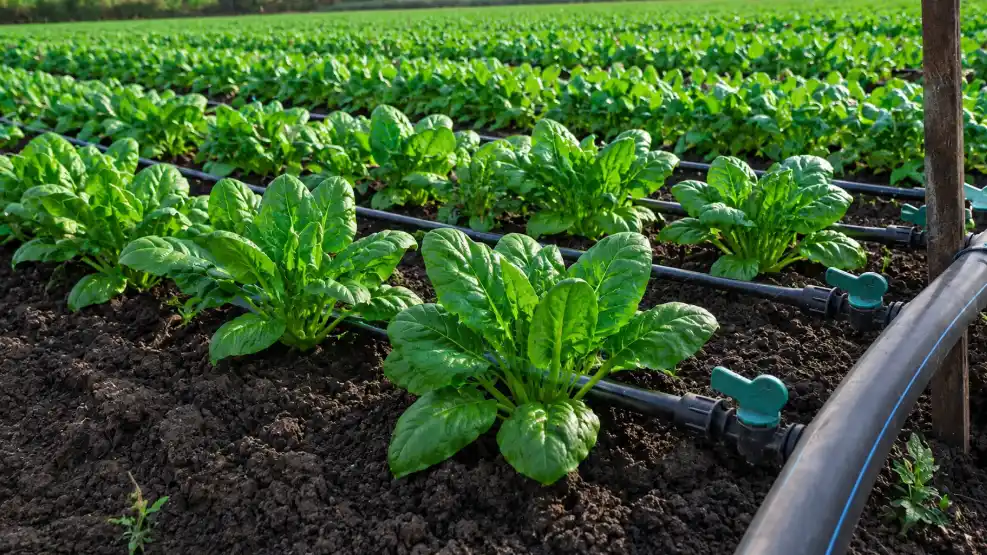
Drip irrigation is a method where water is delivered at very low pressure through a network of pipes and emitters. By dripping water directly onto the soil surface above the roots, it prevents evaporation and runoff. This precision reduces water bills by half and allows for direct nutrient application through the water lines.
The main reason drip irrigation is superior is its efficiency. In a standard setup, water travels through a mainline and then into smaller drip tapes. These tapes have tiny holes, known as emitters, spaced at regular intervals. Because the water comes out slowly, it has time to soak deep into the soil where the roots are located.
In regions like Makueni and Machakos, where every liter of water is precious, this efficiency is a game-changer. You are no longer watering the weeds between the rows. You are only watering the crop. This also means you spend much less on herbicides and manual weeding because the areas between your crops remain dry and unfavorable for weed growth.
Additionally, drip irrigation allows for fertigation. This is the practice of mixing water-soluble fertilizers into the irrigation water. Instead of someone walking around with a bucket of fertilizer, the system does the work. This ensures that every single plant receives the same amount of nutrition, leading to a very uniform crop and higher market prices.
How a Drip Irrigation System Works on Your Farm
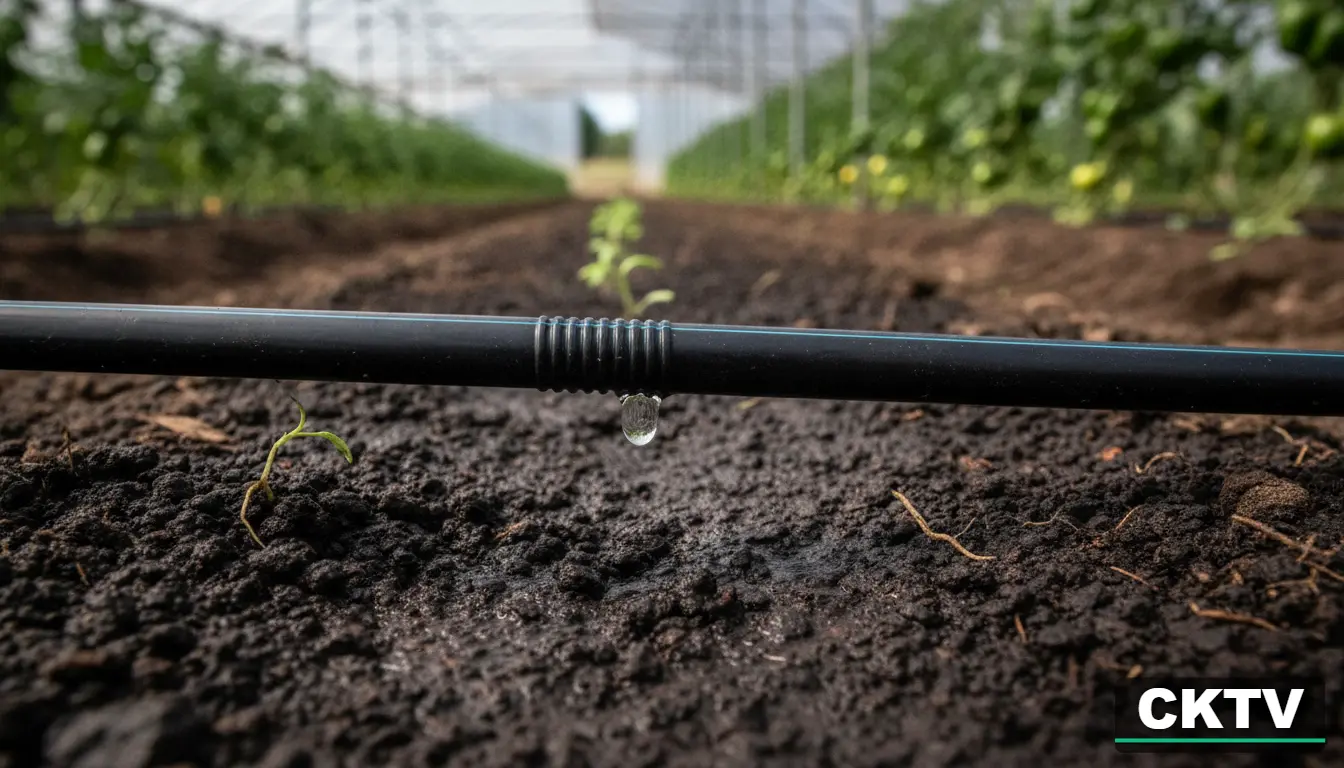
A farm drip system works by using a pump or gravity to move water from a tank through a filtration system. The water then travels into a mainline pipe, through sub-mains, and finally into drip tapes. Emitters in the tapes release water at a controlled rate, usually between 1 and 2 liters per hour per plant.
Understanding the flow of water is essential for troubleshooting. It all starts at your water source. This could be a dam, a borehole, or a large plastic storage tank. In many small farms in Kenya, farmers use solar-powered pumping systems to move water into storage tanks before gravity feeds drip lines. This removes dependence on diesel fuel and reduces operating costs.
Some integrated solutions in Kenya combine solar pumping, storage, and drip irrigation into one system, reducing the need for separate components and complex setup. This holistic approach is becoming the standard for 1-acre and 2-acre farms. Once the water leaves the tank, it must pass through a filter. This is the most important part of the system for longevity.
From the filter, the water enters the mainline, usually a 1.5-inch or 2-inch HDPE pipe. This pipe carries the water to the edge of the crop rows. From here, sub-mains take over, and finally, the drip tapes branch out. Each tape is secured with a “take-off” connector that allows you to turn specific rows on or off depending on your needs.
Can drip irrigation be used with solar water pumps in Kenya?
Yes, drip irrigation works very well with solar water pumps in Kenya. These two technologies complement each other perfectly by creating an automated, low-cost system for small and medium-scale farmers.
Read Also: Top Solar Water Pumps Kenya 2026: Best Models for Irrigation, Save 80% on Fuel
A solar pump lifts water from a borehole, river, or storage tank during the day, filling an elevated tank. From there, gravity or low-pressure flow distributes the water through your drip lines, eliminating the need for expensive diesel fuel and reducing labor.

For farmers looking for a reliable, all-in-one solution, I recommend SunCulture. They are a market leader in Kenya, specifically because they offer:
- Complete Kits: Their packages include the solar pump, drip irrigation equipment, and professional installation services.
- Affordable Financing: They offer “Pay-As-You-Grow” plans, which allow farmers to pay for the system in small monthly installments.
- Comprehensive Support: Beyond just hardware, they provide technical training and customer support to ensure your system is optimized for your specific crop needs.
- You can explore their range of solar irrigation systems here: SunCulture Solar Irrigation
Essential Components of a Reliable Drip System
Building a drip system is like assembling a puzzle. Every piece must fit perfectly for the system to work under pressure. If you buy low-quality fittings, you will spend your entire harvest season fixing leaks instead of managing your crops. In 2026, the quality of plastics used in Kenyan irrigation has improved, but you still need to be careful.
The following table outlines the key components you need for a standard 1-acre vegetable farm. It describes the role of each part to help you understand why you shouldn’t skip any of them during installation.
| Component Name | Primary Function | Recommended Material |
|---|---|---|
| Water Filter | Removes sand and silt to prevent emitter clogging | Disc Filter (more durable than screen) |
| Mainline Pipe | The primary artery that carries water from the source | High-Density Polyethylene (HDPE) |
| Drip Tape | Thin pipes with emitters that deliver water to rows | UV-Treated Polyethylene (16mm) |
| Venturi Injector | Used for mixing liquid fertilizer into the water | Plastic with chemical-resistant valves |
| Control Valves | Allows for zoning and pressure regulation | Ball valves or gate valves |
Types of Drip Irrigation Systems in Kenya
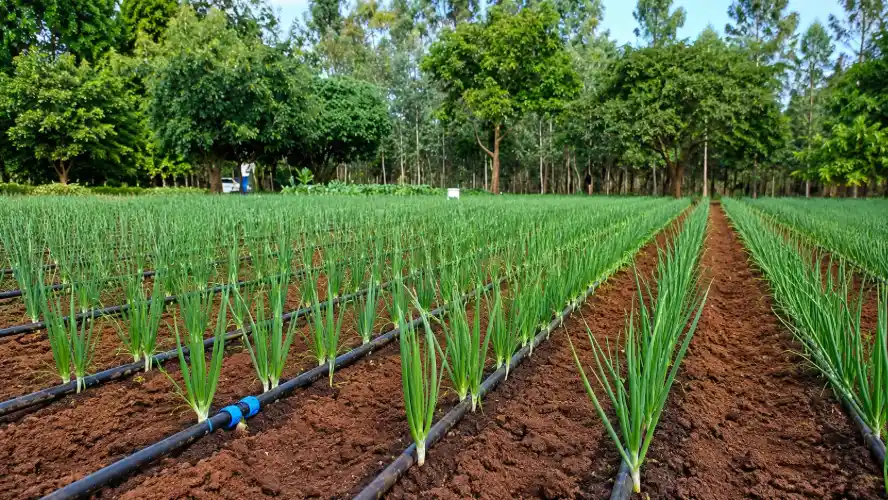
Farmers in Kenya generally choose between drip tape systems, hard-wall drip lines, and micro-sprinkler systems. Drip tapes are best for seasonal vegetables like onions, while hard-wall lines are preferred for permanent orchards. Micro-sprinklers are often used in nurseries or for cooling crops like strawberries.
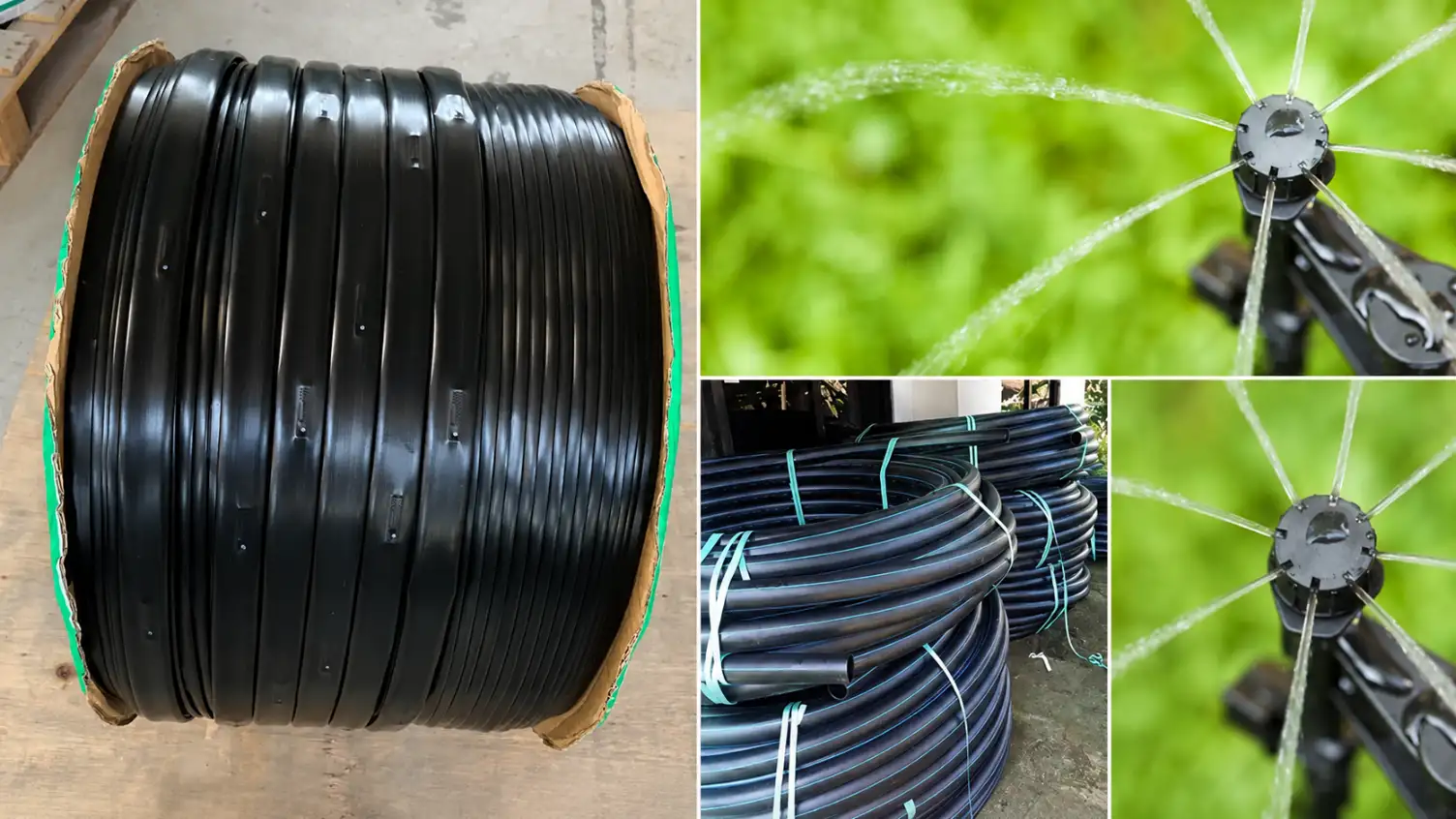
Drip tape systems are the most popular for small-scale vegetable production. They are affordable and can be rolled up and stored between seasons. This is ideal if you plan to use a tractor or oxen to plough your land after each harvest. However, drip tapes are thin and can be damaged by sharp tools or rodents.
Integrated drip lines, also known as hard-wall lines, are much thicker. These are designed to stay in the field for five to ten years. They are commonly used for fruit trees like macadamia or avocados. While they cost more upfront, their durability makes them cheaper in the long run for permanent plantations. They can withstand being stepped on and are much harder for pests to chew through.
Micro-irrigation systems are specialized setups. These use tiny sprinklers or misters instead of drippers. They are perfect for seedbeds or for crops that need high humidity. Many farmers in the flower sector in Naivasha use these systems to maintain the perfect environment for delicate blooms. For a standard vegetable farmer, however, standard drip tape remains the best option.
Drip Irrigation Cost in Kenya (2026 Prices)
The cost of installing drip irrigation in 2026 starts at approximately KES 45,000 for a quarter-acre and goes up to KES 195,000 for a full acre. This price includes materials and labor but excludes the main water storage tank. High-end systems with automation can exceed KES 250,000 per acre.
One of the biggest hidden costs in drip irrigation is water pumping. Farmers using diesel pumps often spend significantly more over time than the initial irrigation setup cost. This is why some farmers prefer integrated solar irrigation solutions that bundle pumping and irrigation into one system with financing options, reducing upfront pressure. This is a crucial consideration for 2026 economic planning.
For example, SunCulture provides solar-powered irrigation systems designed for smallholder farmers, combining pumping, drip irrigation, and financing options into one package. This model allows farmers to pay for the system using the extra profit they make from their increased yields. It turns a large capital expense into a manageable monthly operating cost.
When you are looking at quotes, pay attention to the spacing of the emitters. A system designed for onions requires drip lines every 30cm, while a system for watermelons only needs lines every 1 meter. The more lines you have per acre, the higher the cost of the kit. Always ask for a breakdown of the pipe thickness (measured in mils) to ensure you are getting a system that will last.
How Much Does 1 Acre of Drip Irrigation Cost?
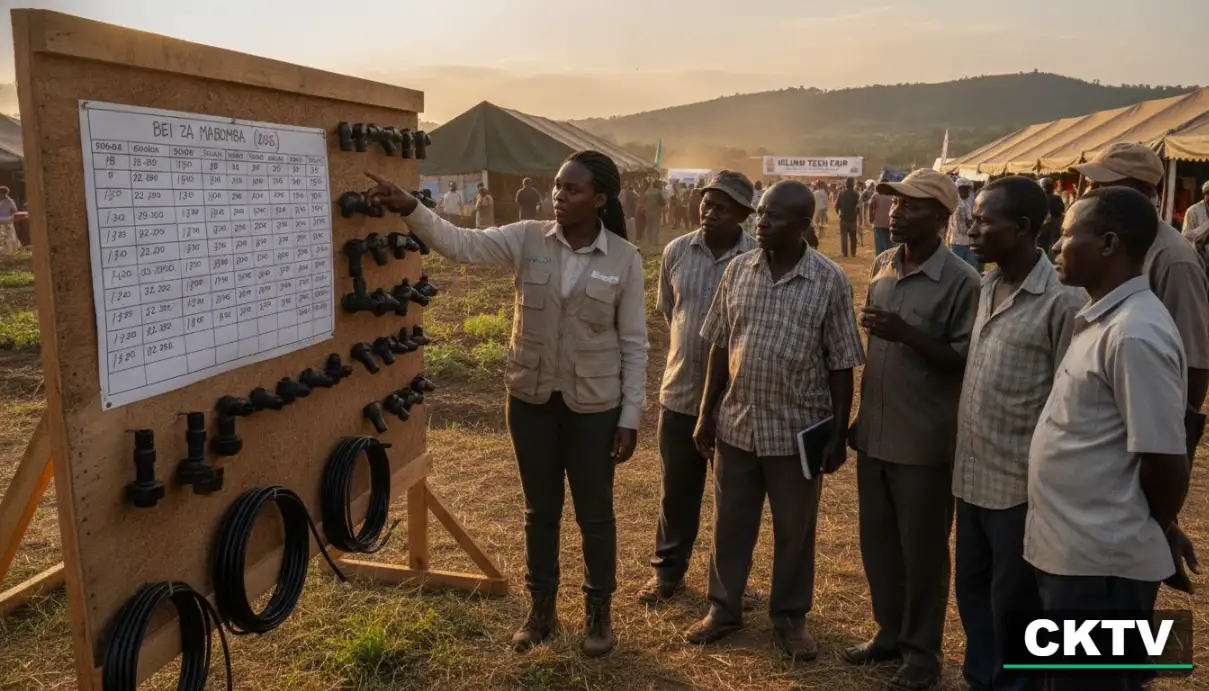
To give you a better idea of the investment required, we have broken down the costs for a standard 1-acre setup. These figures are based on 2026 market averages in Nairobi and Eldoret for a standard vegetable system with two lines per bed. Prices include professional installation by a certified technician.
| Setup Level | Equipment Included | Estimated Cost (KES) |
|---|---|---|
| Basic Gravity Kit | Thin-wall tape, basic filter, manual valves | 135,000 – 150,000 |
| Standard Mid-Range | Medium-wall tape, disc filter, Venturi injector | 160,000 – 185,000 |
| Professional Solar-Integrated | Durable pipes, solar pump, digital controller | 210,000 – 275,000 |
Read Also: Vertical Hydroponics vs. Soil Farming: 5 Reasons Why Vertical Wins 2026
Which Drip System Is Best for Small Farms?
For farms between 0.25 and 1 acre, a gravity-fed drip tape system is the most cost-effective choice. It is simple to operate and does not require expensive electricity or fuel. For farms larger than 2 acres, a pump-assisted system with pressure-compensating emitters is necessary to ensure all plants get equal water.
The “best” system depends entirely on your specific situation. If you are farming on a budget in a place like Kajiado, you want a system that can handle the high mineral content in the water. This means you need a very good filter and emitters that don’t scale up easily. If you are in a high-rainfall area but want to farm through the dry season, a simpler kit might suffice.
Small farms often benefit from a “block” design. This is where you divide your acre into four sections. You can then rotate your crops and water only the blocks that are currently occupied. This saves water and reduces the pressure required from your pump or tank. A 5,000-liter tank is usually enough to water a quarter-acre block at a time.
You should also consider the labor available on your farm. If you are a “weekend farmer” who lives in the city, you might want to invest in a simple timer. These devices can be attached to your valves to turn the water on and off at specific times. This ensures your crops stay healthy even when you are not there to supervise the work.
Best Crops for Drip Irrigation in Kenya
The most profitable crops for drip irrigation in Kenya include tomatoes, onions, capsicum, watermelons, and chilies. These crops thrive when watered at the root level, which keeps their foliage dry and prevents fungal diseases.
Top Crops & Recommended Varieties
- Tomatoes: Essential for drip irrigation to prevent Early Blight.
- Varieties: Anna F1, Kilele F1, and Tylka F1 are high-yielding and disease-resistant.
- Onions: Require consistent, non-waterlogged moisture for bulb development. Aqua Hub Kenya
- Varieties: Red Creole and Bombay Red are market favorites.
- Capsicum (Bell Peppers): Need steady hydration for fruit quality.
- Varieties: California Wonder and Maxibel F1.
- Watermelons: Large spacing makes hand-watering difficult; drip lines ensure the fruit develops without stress.
- Varieties: Sukari F1 and Charleston Gray.
- Chilies: Benefit from the precise water control drip systems provide, leading to uniform heat and size.
- Varieties: Serenade F1 and Hot Fire.
Best Drip Irrigation Brands in Kenya
Choosing the right irrigation brand depends on your budget, scale, and technical needs. Here are the top providers in Kenya:
1. Netafim
Known globally as the pioneer of precision irrigation, Netafim is the gold standard for high-end, efficient farming. Their systems use advanced, clog-resistant emitters that handle water from dams or boreholes effectively, reducing maintenance and water waste.
- Best for: Commercial farmers looking for long-term durability and precision.
- Website: Netafim Official
2. Amiran Kenya
Amiran is the go-to for small-to-medium-scale farmers. Their “Amiran Farmer’s Kits” (AFK) are all-in-one packages that include pipes, emitters, and essential support. They are ideal for beginners because they come with a solid reputation and a wide support network to help you get started.
- Best for: Beginners or smallholders wanting a complete, “plug-and-play” solution.
- Website: Amiran Kenya
3. Grekkon Limited
Grekkon specializes in highly customized, budget-friendly irrigation setups. They cater to everyone from kitchen garden enthusiasts to large-scale farmers. They are excellent at designing systems for difficult terrains, such as hilly plots where water pressure management is critical.
- Best for: Farmers needing custom installations on a specific budget or challenging land.
- Website: Grekkon Limited
4. Illuminum Greenhouses
This company focuses on modern, tech-driven farming. They offer drip kits integrated with smart sensors, like their FarmShield™ technology, which allows for automatic water regulation and remote monitoring.
- Best for: Tech-savvy farmers looking to modernize their irrigation with automation.
- Website: Illuminum Greenhouses
Pro Tip: Before buying, assess your water source (is it clean borehole water or dirty dam water?) and your land’s topography. If you have low water pressure, mention this to the supplier immediately; they will need to design a gravity-fed or pump-assisted system specifically to match that.
Where to Buy Certified Seeds & Seedlings In Kenya
For consistent results, always source from verified suppliers that provide high-germination and disease-free materials.
- Plantech Kenya: A top-tier provider for transplant-ready vegetable and fruit seedlings grown in high-tech greenhouses. Plantech Kenya Limited
- East African Seed Company (EASEED): A reliable source for genetically pure seeds tailored for the African climate. East African Seed Company
- GrowPact Kenya: Excellent for high-yielding, fast-growing seedlings with professional agronomic support.
- Seed Co Kenya: A trusted name for both field crops and vegetable seeds nationwide.
- Seedlink: A platform that connects you to verified nurseries across various counties if you are looking for specific fruit tree seedlings. Fruit Seedlings | seedlink
Pro Tip: If you are buying seedlings, ask for “grafted” varieties for fruit trees. Grafted plants generally produce fruit faster and have stronger resistance to soil-borne diseases.
Read Also: Borehole Drilling Cost in Kenya 2026: Price Per Metre, Permits & Pump Setup
To ensure your farming operation is compliant and uses the highest quality inputs, you should prioritize government-backed portals. These sites provide verified data, certified seed sources, and technical agricultural advice.
Government & Verified Agricultural Portals
- KALRO (Kenya Agricultural & Livestock Research Organization): The primary authority for agricultural research in Kenya. Use their Digital Agriculture Platform for crop-specific advisories, soil health data, and finding the right crop for your specific agro-ecological zone.
- AFA (Agriculture and Food Authority): The regulator for Kenya’s crop sector. Use this site to understand current regulations, market standards, and development strategies for horticulture and industrial crops.
- Kenya Seed Company (KSC): A state corporation and the most trusted source for certified seeds. You can purchase directly through their eCitizen portal to ensure you are getting genuine, high-yield varieties.
- ASDG Portal (Agriculture Sector Data Governance): A centralized hub for accessing data on crops, livestock, and fishery value chains. It is the best place to find official government statistics and sector performance reports.
- KALRO GAPs Knowledge Hub: Specifically provides “Good Agricultural Practices” (GAPs). These are the standard operating procedures you must follow to produce high-quality, export-ready produce.
Quick Summary of Verified Seed Sources
| Supplier | Best For | Link |
| Kenya Seed Company | Certified maize, horticulture, and vegetables | kenyaseed.com |
| KALRO | Research-backed seedlings and soil analysis | kalro.org |
| EASEED | Climate-adapted vegetable seeds | easeed.com |
Pro Tip: Always check if a seed supplier is listed on the Kenya Plant Health Inspectorate Service (KEPHIS) registry. Buying certified seeds prevents the introduction of soil-borne diseases that can ruin your drip irrigation lines and lower your yield.
In 2026, we are also seeing more farmers use drip for sukuma wiki and spinach. While these were traditionally grown with overhead sprinklers, drip irrigation produces much larger, greener leaves. It also allows the farmer to harvest continuously for several months without the soil becoming compacted and hard.
How to Install a Drip Irrigation System (Basic Guide)
Installation starts with land leveling and bed preparation. Once the beds are ready, lay the mainline and sub-main pipes. Punch holes for the take-offs, connect the drip tapes, and flush the system with water to remove any dirt before installing the final end caps.
The first step is always land preparation. Your beds should be well-tilled and leveled. If the land is on a slope, your mainlines should run downhill and your drip tapes should run across the slope. This helps maintain even pressure throughout the lines. Once your beds are raised, you are ready to lay the pipes.
When laying the mainline, ensure it is buried at least six inches underground if you plan to use a tractor later. For sub-mains, you can leave them on the surface for easy access. Use a specialized punch tool to make holes in the sub-main for the connectors. Do not use a hot nail or a knife, as this will lead to leaks that are impossible to fix.
After laying the drip tapes, do not close the ends immediately. Turn on the water and let it run for a few minutes. This is called “flushing.” It pushes out any dust or plastic shavings that got into the pipes during installation. Once the water runs clear, fold the ends of the tapes and secure them with an “end-closure” or a piece of cut tape.
Risks and Common Failure Points
The leading cause of drip system failure in Kenya is emitter clogging from poor filtration. Other risks include physical damage by weeding tools, rodents chewing through pipes during dry spells, and poor system design that leads to low pressure at the end of the field.
Clogging is the silent killer of agribusiness. If your filter is not cleaned regularly, it will eventually let sand through. Once a dripper is blocked, it is very hard to unblock. You will see individual plants starting to wilt while the rest of the field is green. To prevent this, flush your system once every two weeks and clean your disc filter after every irrigation cycle.
Rodents are another serious problem, especially in dry areas like Machakos. Rats and mice can sense the water inside the pipes and will chew through the plastic to get a drink. Some farmers solve this by leaving a few small bowls of water around the edge of the farm to satisfy the pests. Others prefer to use thicker drip tapes that are harder to bite through.
Poor installation is also a major risk. Many farmers try to save money by using a plumber who doesn’t understand irrigation. Irrigation is about hydraulics and pressure, not just connecting pipes. If your pump is too small or your pipes are too narrow, the water will never reach the far end of your farm. Always consult a specialist for the initial design.
Fertilizer Rule: Expert Advice for Drip Systems
When using a drip system, you must use water-soluble fertilizers. If you try to use standard CAN or DAP through the lines, they will not dissolve completely and will block your emitters instantly. In 2026, there are many “Easy-Dissolve” brands available in agrovets specifically for fertigation. These are more expensive per bag but are much more efficient.
The best practice is to start with plain water for 15 minutes, then inject the fertilizer, and finish with another 15 minutes of plain water. This “flushes” the fertilizer out of the pipes so that it doesn’t sit inside and cause algae growth or chemical corrosion. If you follow this rule, your drip tapes will last much longer and your plants will get the full benefit of the nutrients.
Read Also: Top 5 High-Yield 3-Month Crops in Kenya (2026 Profit Guide + ROI Breakdown)
Also, pay attention to the pH of your water. If your water is very “hard” (high in minerals), the fertilizer can react and form solids. You may need to add a small amount of phosphoric acid to the water to keep the lines clean. This is a technical step, so it is best to have your water tested by a lab like CropNuts before you start a heavy fertigation program.
Drip Irrigation vs Traditional Flood Irrigation
If you are still using flood irrigation, you are essentially throwing money into the soil. Flood irrigation uses ten times more water than drip to achieve the same result. In a country where water permits are becoming harder to get, being wasteful is not just bad for the environment; it is bad for your reputation with the local water authorities.
The table below shows why the transition to drip is non-negotiable for commercial success in the current agricultural climate.
| Feature | Drip Irrigation | Flood Irrigation |
|---|---|---|
| Water Efficiency | 90 – 95% | 40 – 50% |
| Weed Growth | Minimal (Dry spaces) | High (Wet everywhere) |
| Labor Cost | Low (Automated) | High (Manual digging) |
| Yield Quality | Uniform and High | Uneven and Average |
| Fertilizer Use | Precise (Fertigation) | Wasteful (Leaching) |
Conclusion: The Path Forward for Your Shamba
Investing in the best drip irrigation system for your small farm is the single most important decision you will make in 2026. While the initial cost might seem high, the savings in water, labor, and fertilizer will pay for the system very quickly. You are essentially buying insurance against drought and climate change.
The “busy but broke” farmer is the one who refuses to modernize. By adopting drip technology, you move into the category of professional agribusiness. You can predict your yields, manage your costs, and produce high-quality crops all year round. Start by talking to a reputable supplier, get your water tested, and begin with a manageable size that you can expand as your profits grow.
Remember that a drip system is a living part of your farm. It needs daily attention and regular maintenance. If you treat it well, it will serve you for many years. If you ignore the filters and the leaks, it will become a source of frustration. Choose quality over price every time, and your shamba will reward you with a bountiful harvest.
Farmers Also Ask (FAQ)
How much does a drip irrigation system cost in Kenya in 2026?
A standard 1-acre kit costs between KES 145,000 and KES 195,000. For a smaller 1/8th acre plot, you can expect to pay around KES 15,000 to KES 25,000 including installation.
What is the best drip irrigation system for small farms in Kenya?
The best choice is a gravity-fed drip tape system with 16mm pipes. It is affordable, easy to install, and perfectly suited for the most common vegetable crops grown in Kenya.
How does a drip irrigation system work on a farm?
It uses a network of pipes to deliver water directly to the plant roots. A pump or gravity pushes water through a filter and then into drip lines where emitters release it slowly.
Which brand of drip irrigation system is best in Kenya?
Netafim is the best for high-end precision. Amiran Kenya is the most trusted for all-in-one kits. Grekkon is the top choice for customized, affordable local installations.
How much does 1 acre of drip irrigation cost in Kenya?
Expect to invest about KES 165,000 for a professional installation. This varies based on the crop you are planting and whether you need a pump or a solar-powered system.
What are the disadvantages of drip irrigation systems?
The main drawbacks are the initial setup cost, the high risk of clogging if water isn’t filtered, and the vulnerability of the thin pipes to damage from jembes or rodents.
Can drip irrigation be used with solar water pumps in Kenya?
Yes. This is the most efficient setup. Solar pumps fill a high tank during the day, and gravity then provides the pressure to run the drip system without fuel costs.
What crops grow best using drip irrigation in Kenya?
High-value vegetables like tomatoes, onions, capsicum, and watermelons. It is also excellent for orchards like avocados and passion fruit when using button drippers.
What is included in a 1 acre drip irrigation kit in Kenya?
A typical kit includes 10,000 meters of drip tape, a 2-inch disc filter, mainline and sub-main HDPE pipes, take-off connectors, control valves, and end caps.
Is drip irrigation better than traditional irrigation methods in Kenya?
Absolutely. It uses 60% less water, doubles your yield by preventing plant stress, and allows for precise feeding, which is impossible with traditional flood irrigation.