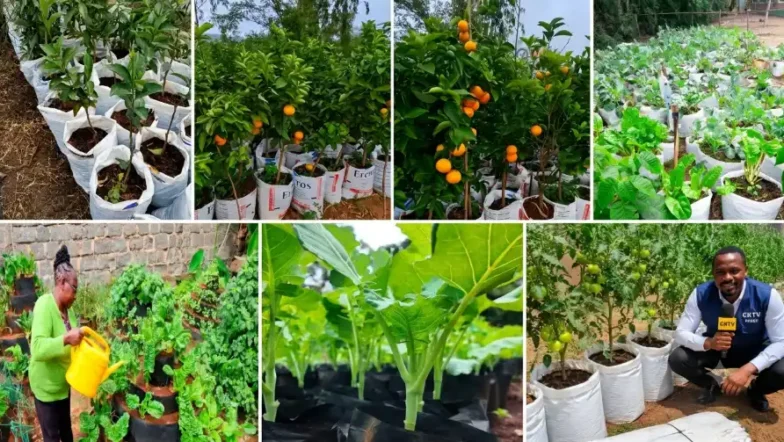
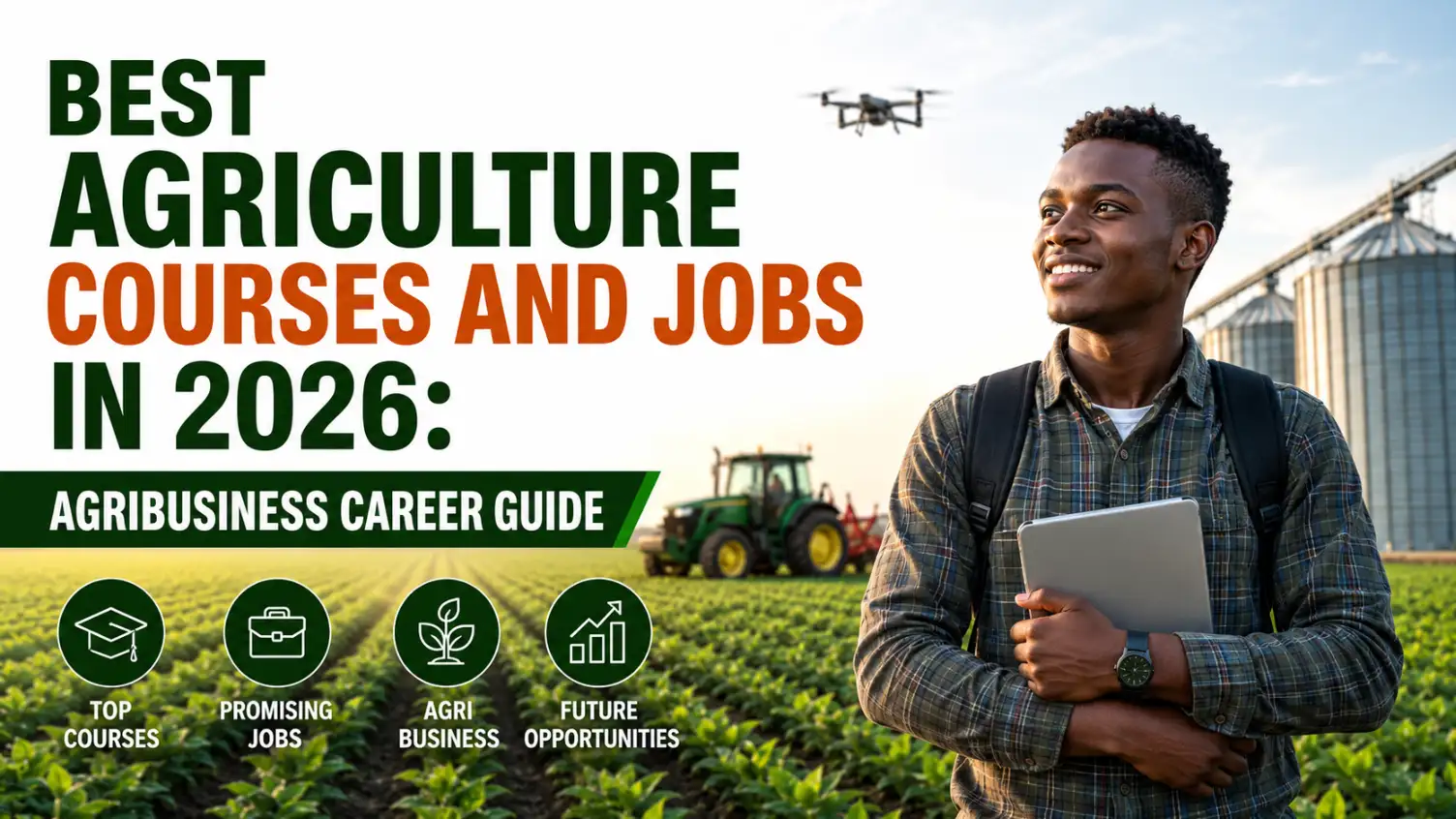

- Strategic Growth: By 2026, the convergence of technology and export logistics makes Agribusiness Management and Agricultural Engineering the most lucrative career paths in Kenya, with a focus on data-driven yield optimization.
- High-Demand Roles: Precision Agronomists, Carbon Credit Auditors, and Export Compliance Managers are currently facing a critical talent shortage, offering high entry-level salaries in the private sector.
- Skill Requirement: Success in the modern agricultural job market now requires a mandatory combination of field expertise, digital literacy for farm software, and a deep understanding of international phytosanitary standards.
Table of Contents
The agricultural landscape in Kenya has undergone a radical shift. Moving far beyond the outdated image of manual labor, the sector in 2026 is a sophisticated engine of biological science, global commerce, and digital innovation. For students and career changers, this transition offers a recession-proof path in an industry that contributes significantly to Kenya’s GDP and national stability.
Agriculture in 2026 is no longer just farming; it is a professionalized value chain. Careers now prioritize specialized roles in agri-tech, export logistics, and climate-resilient science over generalist approaches. The most marketable professionals are those who bridge the gap between technical production and commercial profitability.
Why Agriculture is One of the Strongest Careers in 2026
The narrative in regions like Nakuru, Uasin Gishu, and Kiambu has pivoted toward industrial-scale professionalism. In 2026, agriculture is a first-choice career for those seeking to solve global food security challenges while tapping into high-value export markets. The professionalization of the sector has brought corporate structures, better pay, and technological integration into every step of the process.
Food Security Demand
Kenya’s population growth continues to drive an insatiable demand for high-efficiency food systems. As urban centers like Nairobi and Mombasa expand, the pressure on the supply chain increases. This creates a permanent need for Agricultural Officers who can maximize output on shrinking land sizes. Every 90kg bag of maize produced now relies on professional soil analysis and precise nutrient management to be profitable.
Read Also: 100 Smart Garden Tips 2026: The Ultimate Guide for Kenya Farmers
Export Agriculture Growth
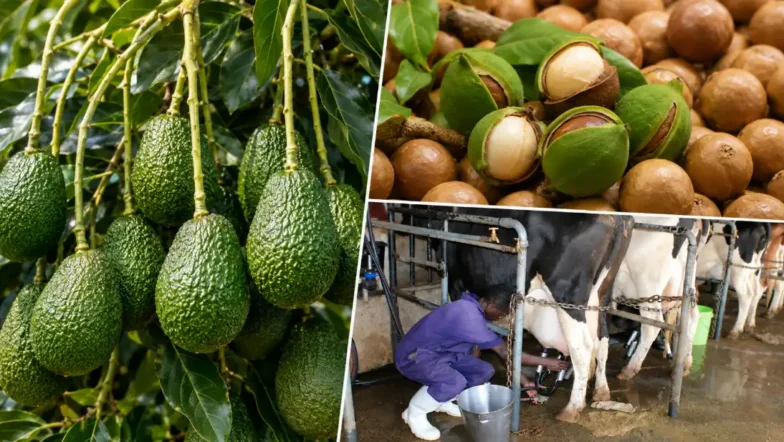
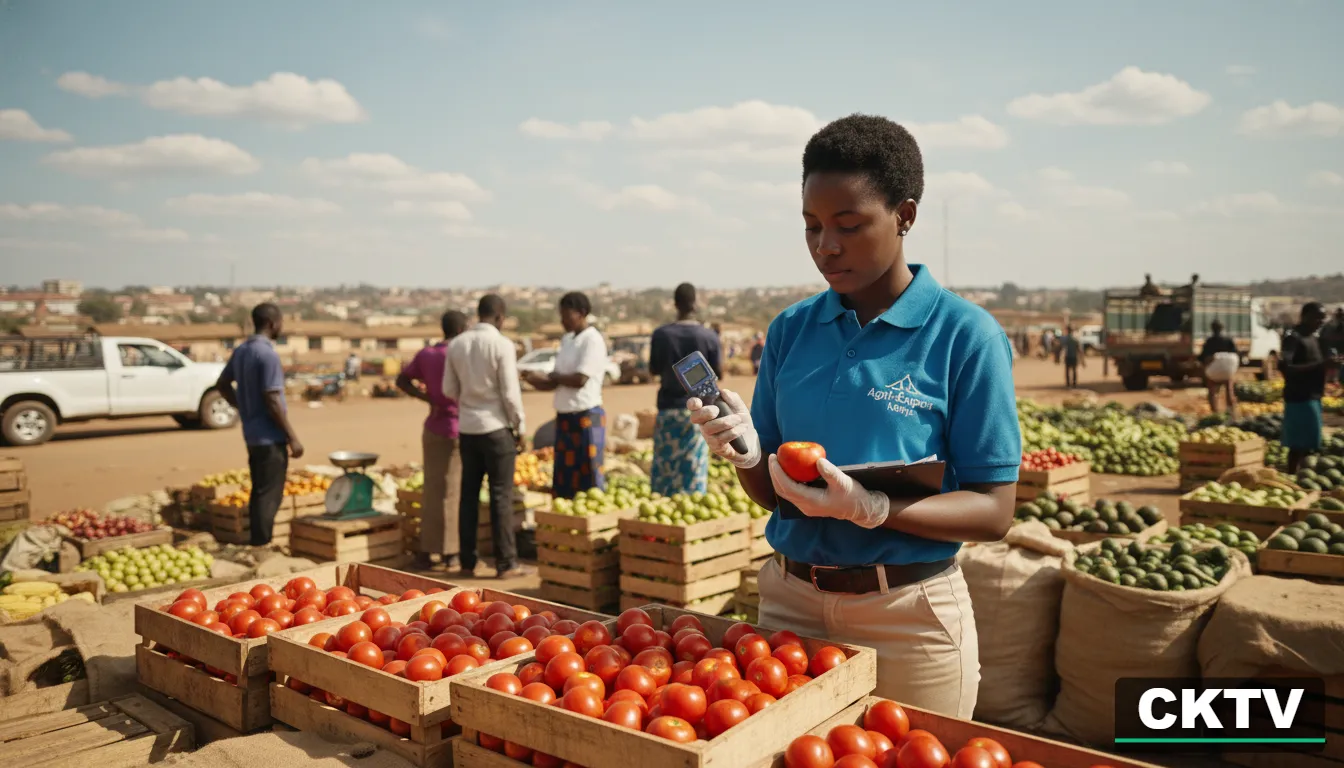
The 2026 export market is dominated by high-value crops like avocados, macadamia nuts, and specialty flowers. The “Green Gold” rush has created a massive niche for Export Quality Controllers. These experts ensure produce meets strict international standards set by KEPHIS. If you can navigate the complexities of global trade logistics, your value in the job market is immense.

Technology in Farming
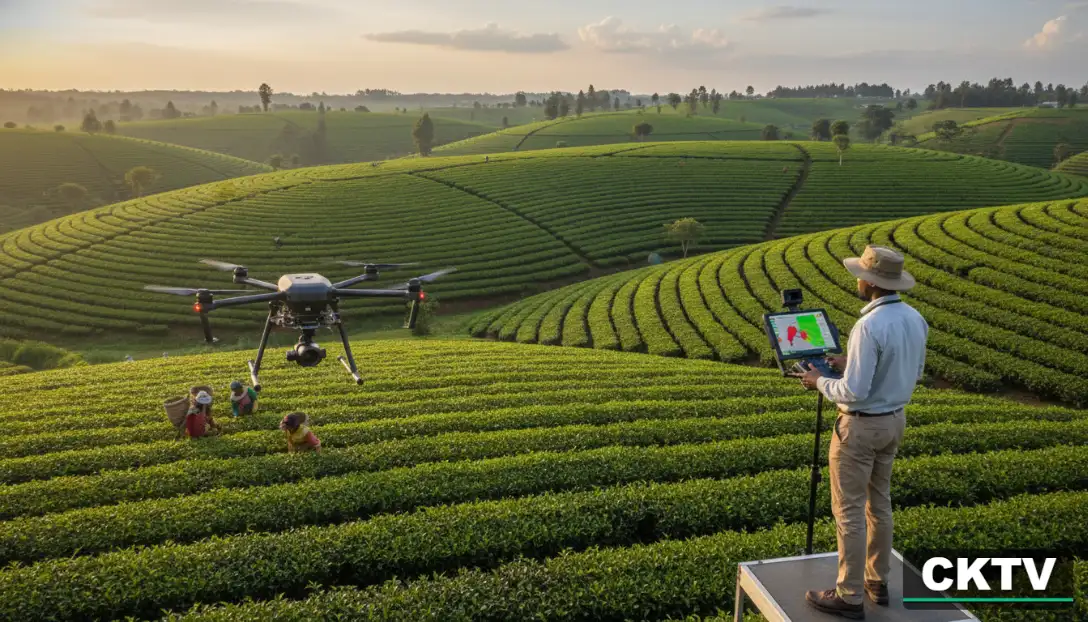
Precision agriculture is the new standard. From the Mwea rice fields to large tea estates in Kericho, drones are used for crop health monitoring. Careers in Agri-Tech, focusing on the development and maintenance of these digital tools, are among the highest-paid. Employers are actively seeking individuals who can interpret satellite data to reduce waste and improve efficiency.
Entrepreneurship Opportunities
Agribusiness in 2026 is about “farming the farmers.” Many of the best opportunities are found in service provision. Starting a soil testing lab, a cold-chain logistics company, or a digital payment platform for farmers offers a higher return on investment than traditional employment. The government continues to provide incentives for Youth in Agribusiness to drive innovation in the private sector.
What Are Agriculture Courses?
Agriculture courses are structured academic and practical training programs focused on the science of production, engineering of farm systems, and the economics of the food value chain. They range from certificate levels at TVETs to advanced degrees at specialized universities.
The curriculum for agricultural science in 2026 has been modernized to meet global standards. It is no longer restricted to botany and zoology. Modern degrees now include modules on Climate-Smart Agriculture, Agribusiness Finance, and Data Analytics. These programs aim to produce professionals who understand both the biology of a crop and the mathematics of a profit-and-loss statement.
Read Also: 15 Most Profitable Agribusiness Ideas in Kenya to Start in 2026
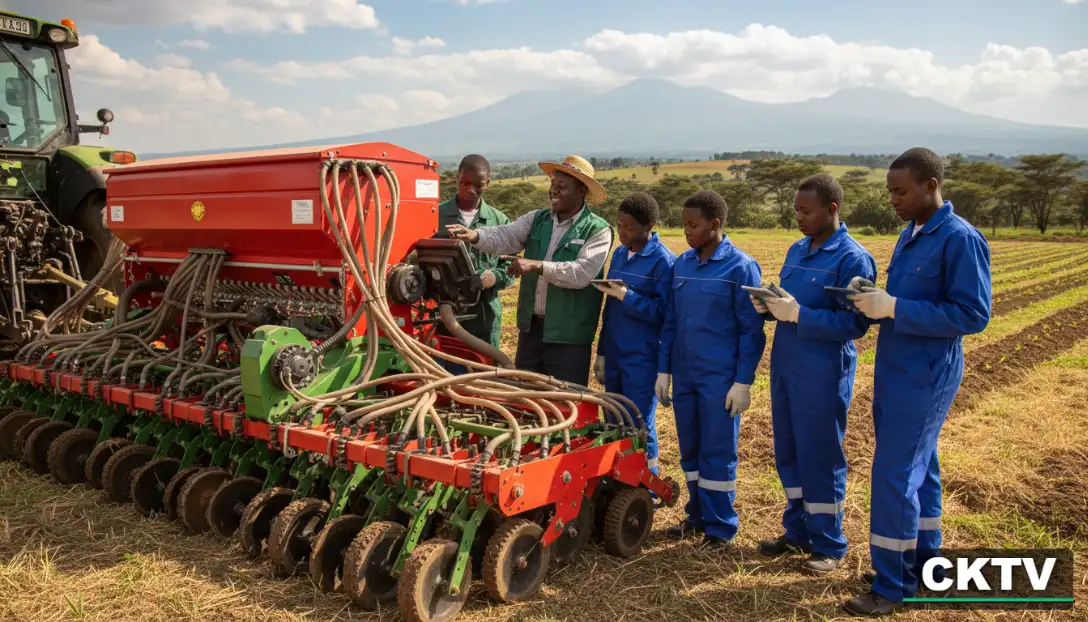
Students today split their time between state-of-the-art laboratories and commercial field stations. Whether you study at Egerton University or a local National Polytechnic, the focus is on practical employability. You will gain skills in irrigation design, livestock genetics, and post-harvest loss prevention. This holistic training ensures that graduates can manage a shamba as a serious corporate entity.
Best Agriculture Courses in 2026 (Kenya Focus)
Selecting the right course requires an understanding of where the investment is flowing. The table below outlines the most prominent agriculture-related courses in Kenya for 2026, highlighting their focus and the sectors they serve.
| Course Category | Common Level | Typical Duration | Primary Focus |
|---|---|---|---|
| Agribusiness Management | Degree/Diploma | 3 – 4 Years | Finance, Marketing, Supply Chain |
| Agricultural Engineering | Degree | 5 Years | Irrigation, Machinery, Automation |
| Horticulture & Export | Degree/Diploma | 3 – 4 Years | Fruits, Flowers, Phytosanitary Standards |
| Animal Science | Degree/Diploma | 3 – 4 Years | Livestock Genetics, Dairy, Nutrition |
| Soil Science & Agronomy | Degree | 4 Years | Soil Health, Pest Control, Crop Yield |
Agricultural Science Courses
Pure agricultural science remains the bedrock of the industry. This involves intensive study of soil chemistry, entomology, and plant pathology. In 2026, the focus has shifted toward biological pest control to reduce the heavy reliance on chemicals. Graduates often find work as Agronomists for seed companies like Kenya Seed Company or as Extension Officers in agricultural hubs.
Agribusiness Management Courses
This is arguably the most versatile path. It treats farming as a business venture rather than just a lifestyle. You will learn to draft business plans that Equity Bank or KCB will fund. Career outcomes include Agribusiness Managers and Credit Analysts for specialized agricultural loans. In a high-risk world, those who can manage the “business” side of farming are in high demand.
Horticulture and Livestock Production
Horticulture is a primary driver of Kenya’s foreign exchange earnings. Studying this prepares you for the competitive world of floriculture in Naivasha. On the livestock front, Animal Science has been transformed by genomic selection. Specialists are now using wearable technology on cattle to monitor health and milk production in real-time, especially in the Meru and Nyandarua dairy belts.
Agricultural Engineering and Sustainability
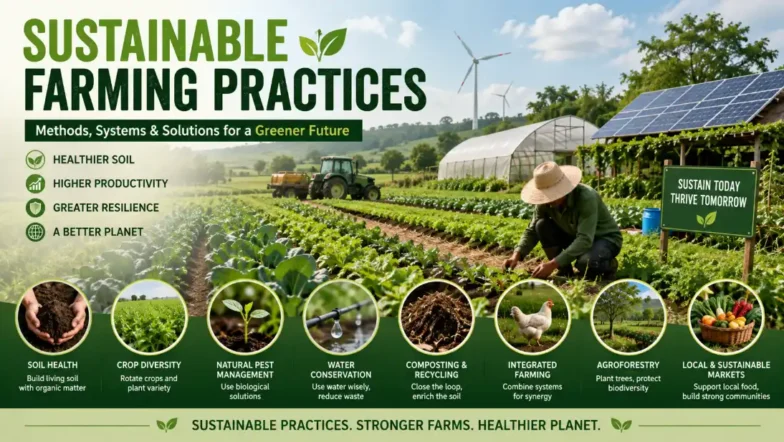
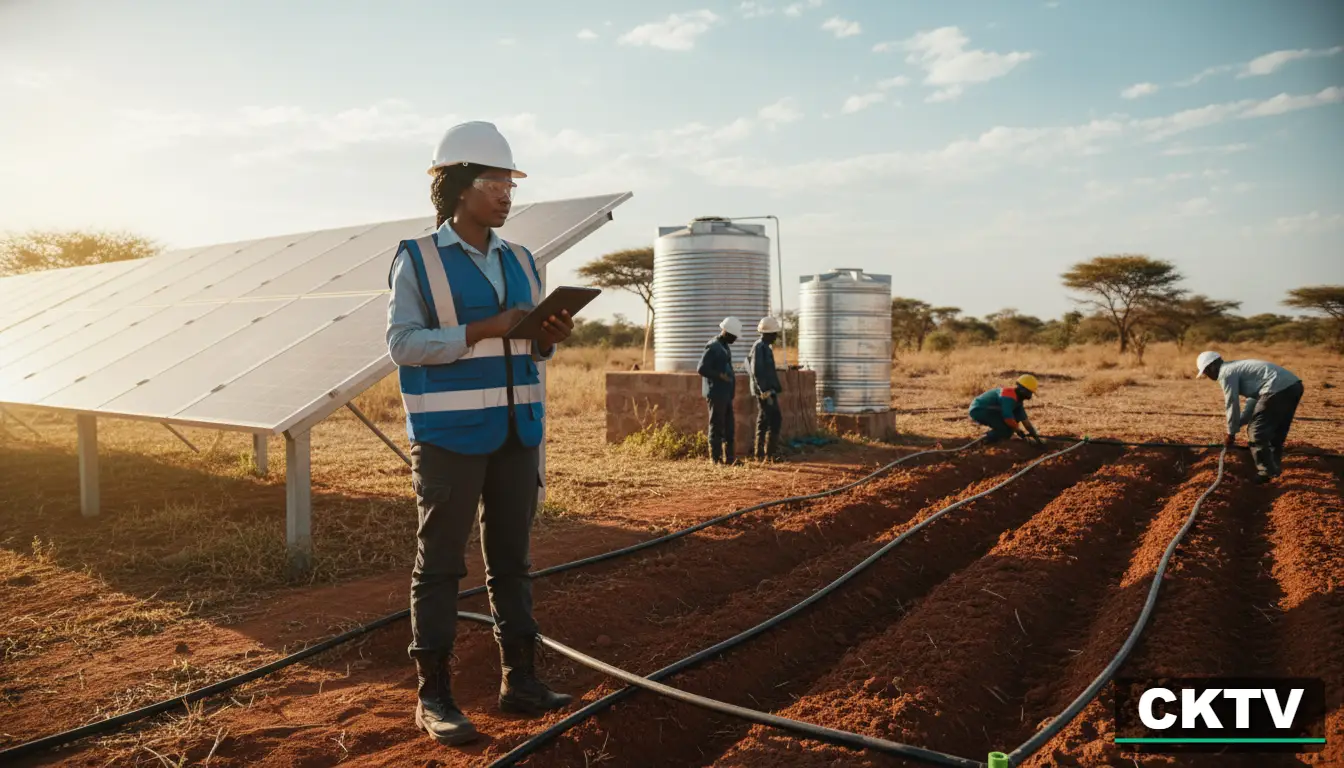
As water scarcity becomes a more pressing issue, Agricultural Engineering graduates specializing in smart irrigation are highly sought after. Similarly, Sustainable Agriculture courses are growing as “Carbon Farming” becomes a viable income stream. Learning how to measure and verify soil organic carbon can lead to a lucrative career in the emerging Carbon Credit sector.
Top Agriculture Jobs in 2026 (High Demand Roles)
Job roles in 2026 are categorized into technical field roles, commercial management, and digital agri-tech support. High-demand positions currently include Precision Agronomists, Export Compliance Managers, and Farm Operations Directors, all offering competitive corporate salaries.
The job market is no longer a monolith. It is a diverse ecosystem of specialized roles. Whether you enjoy being in the fertile soils of Eldoret or a climate-controlled corporate office in Westlands, there is a professional path for you. The following roles represent the peak of demand in the current Kenyan market.
Field & Technical Jobs
- Commercial Agronomist: These professionals act as the “doctors” of the farm. They diagnose soil issues and prescribe exact fertilizer regimens, such as the correct balance of DAP and CAN. Salaries for experienced agronomists can exceed KES 120,000 per month.
- Farm Manager: Responsible for large-scale operations, often exceeding 500 acres. This role requires expertise in labor management, crop cycles, and machinery maintenance. It is a high-responsibility role with significant benefits.
- Irrigation Technician: Specializing in the design of solar-powered and automated water delivery systems. With the shift toward dryland farming in Taita Taveta and Kajiado, these technicians are rarely without work.
Agribusiness & Commercial Jobs
- Supply Chain Manager: Ensuring that perishable goods from Githunguri reach markets in Mombasa or export hubs without loss. This requires deep knowledge of cold-chain logistics and transport optimization.
- Agricultural Marketing Officer: Tasked with branding Kenyan produce for global markets. Marketers who can successfully tell the “Kenyan-grown” story to international buyers are highly valued by export firms.
- Input Sales Representative: Working for multinationals like Yara or Syngenta to distribute high-quality seeds and fertilizers to agro-vets across the country. This is a high-commission, sales-driven role.
Modern Digital Agriculture Jobs
The “Geeks of the Shamba” have arrived. Agricultural Data Analysts use satellite imagery and ground sensors to predict harvest dates and yields. Drone Pilots are now used for precision spraying and mapping. These roles often require a double-competency in agriculture and IT. In 2026, a Precision Farming Technician can earn a premium as a consultant for high-value tea and coffee estates.
Agriculture Jobs Without Experience or Degree
While degrees open many doors, the agricultural sector remains one of the few where hands-on experience can rival formal certificates. There are several entry-level paths for those without extensive formal training. These roles often serve as a starting point for a long-term career in farm management or technical specializations.
Read Also: Top 10 Best Money-Making Agriculture Business Ideas in Kenya (2026)
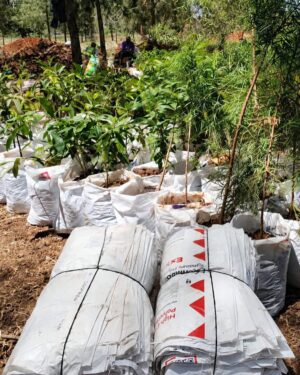
Nursery Assistants are essential for the massive tree-planting and seedling initiatives across the country. Greenhouse Attendants in Limuru and Thika gain invaluable experience in climate-controlled production and pest management. Many successful Farm Supervisors started as general laborers and worked their way up by mastering the practicalities of the crop cycle and labor coordination.
How to Get Hired in Agriculture (Step-by-Step Path)
Success in the agricultural job market is achieved by combining formal education with verifiable field results. Employers in 2026 look for a “Practical Portfolio”-a record of internships, field attachments, and hands-on projects completed during the course of study.
Step 1: Identify Your Niche. Do not try to be a generalist. Decide whether you are naturally inclined toward Plant Science, Animal Husbandry, or Agribusiness Finance. This focus allows you to target the right internships and specialized certifications early on.
Step 2: Quality Education. Enroll in an accredited institution. Ensure your program is recognized by the Commission for University Education (CUE) or TVETA. In 2026, adding short-course certifications in “Smart Irrigation” or “GlobalGAP Standards” to your degree will significantly boost your resume.
Step 3: Gain Practical Exposure. Every long holiday should be spent on a commercial farm or with an agribusiness firm. Do not focus on the salary initially. The goal is to see how a large-scale shamba operates under pressure. Brands like Kakuzi PLC and Del Monte are excellent places to seek attachments.
Step 4: Build a Professional Network. Join the active Kenyan “Agri-Twitter” and LinkedIn communities. Networking often leads to job openings that are never publicly advertised. Attend agricultural trade fairs and ASK Shows to meet industry leaders and potential employers.
Step 5: Master Digital Platforms. Create profiles on BrighterMonday, Fuzu, and specialized agri-job boards. Set up alerts for “Agronomist,” “Agribusiness,” and “Field Officer” roles. Keep your digital resume updated with your latest practical field achievements.
Skills Employers Want in 2026
Employers today prioritize a “T-shaped” skill set. This means having deep technical knowledge in one area of agriculture while maintaining a broad understanding of digital tools and business principles. The following skill categories are non-negotiable for anyone looking to reach the senior levels of the industry.
Technical and Scientific Skills
You must understand the science of the soil. Knowing when to apply DAP for root development and CAN for leaf growth is fundamental. However, in 2026, you also need to understand regenerative agriculture. This includes soil carbon sequestration and integrated pest management (IPM). If you are in animal science, you must be proficient in artificial insemination and modern fodder conservation techniques like silage making.
Digital and Analytical Skills
If you cannot use a smartphone for data collection, you will struggle in the 2026 job market. Proficiency in farm management software like DigiFarm is essential. Being able to set up soil moisture sensors or use GIS (Geographic Information Systems) to map out crop health across a 1,000-acre estate provides a massive competitive advantage.
Business and Soft Skills
Modern agriculture is a people-intensive business. You need the ability to communicate technical advice to a smallholder farmer in Bungoma and then present a budget to a boardroom in Nairobi. Negotiating with commodity brokers and managing diverse labor forces requires high emotional intelligence and leadership skills that go beyond what is taught in a textbook.
Future Agriculture Careers (2027 and Beyond)
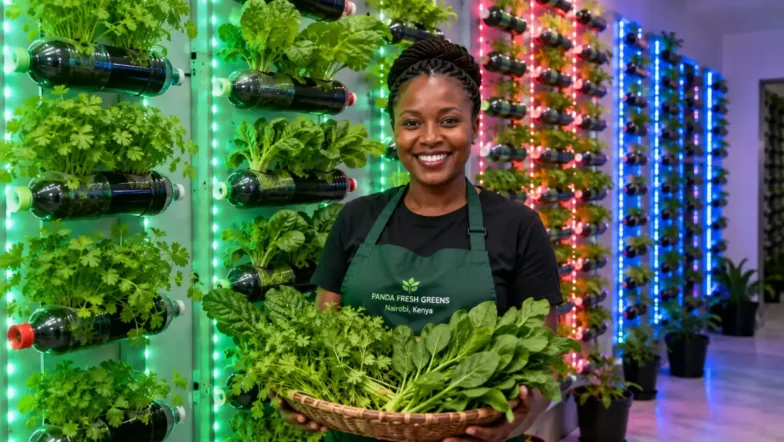
As we look past 2026, new roles are emerging that merge agriculture with environmental science and data engineering. Carbon Credit Auditors will be needed to verify the environmental impact of large-scale farming operations. Vertical Farming Specialists will design indoor food systems for Kenya’s rapidly growing urban populations.
We will also see a rise in Agri-Data Scientists who use machine learning to predict weather patterns and market fluctuations with near-perfect accuracy. These roles represent the future of food security. If you are starting your studies today, leaning toward these high-tech specializations will ensure your long-term relevance in a changing global economy.
Common Mistakes Students Make in Agriculture Careers
One of the biggest mistakes is relying solely on a certificate or degree. In agriculture, a “First Class” degree with zero field experience is often less attractive to an employer than a “Pass” with three years of solid internship experience. You must get your hands dirty early and often.
Read Also: Top 5 Agriculture insurance companies in Kenya 2026: Madison vs. CIC vs. Co-op Bank.
Another mistake is ignoring the business side of the sector. Many students focus entirely on how to grow a crop but fail to understand how to market it or manage the financial risks. In 2026, a farmer who cannot calculate their cost of production is destined for failure. Finally, many graduates fail to network, missing out on the “hidden job market” where the best roles are often found.
Expert Advice on Fertilizers and Soil Health
In the professional world of 2026, fertilizer application is a science, not a guessing game. Soil testing is the first step in any professional farm management plan. Applying DAP (Diammonium Phosphate) at planting provides essential phosphorus for root development, but it must be done based on specific soil deficiencies.
Later in the cycle, top-dressing with CAN (Calcium Ammonium Nitrate) or Urea provides the nitrogen boost required for vegetative growth. However, over-application can lead to soil acidity and environmental runoff. Professionals in 2026 are increasingly moving toward NPK blends customized for specific crops and using organic amendments to maintain soil structure over the long term.
Risks & Reality Check: The Hard Truths
The primary risks in agriculture involve climate volatility and market instability. Professional careers in this field require high resilience, the ability to work in remote rural areas, and a constant vigilance against counterfeit inputs that can ruin a crop and a reputation.
Let’s be realistic: Agriculture is not for everyone. If you choose a field-based role as an Agronomist, you will spend your days in the sun, often in remote locations like Narok or Baringo. You will be far from the amenities of the city. You must also deal with the unpredictability of the weather; a failed rain season can impact your performance targets and bonuses.
There is also the challenge of the “Broker Culture.” In many parts of Kenya, middle-men still exert significant control over market prices. As a professional, you will have to navigate these complex social and economic structures. Furthermore, the market is sometimes flooded with counterfeit seeds and chemicals. Maintaining your integrity and ensuring quality in such an environment is a constant struggle.
Sourcing Education: Where to Enroll For the Best Courses
When looking for where to enroll, prioritize institutions with a strong track record of research and industry partnerships. The following institutions are the “gold standard” for agricultural education in Kenya for 2026. They offer a mix of academic rigor and practical field exposure.
- Egerton University (Njoro): The premier institution for agribusiness and animal science. Contact: +254 51 2217891 | www.egerton.ac.ke
- JKUAT (Juja): Best for those interested in agricultural engineering and modern agri-tech. Contact: +254 67 5870001 | www.jkuat.ac.ke
- Bukura Agricultural College: Known for producing the most practical, field-ready diploma graduates. Contact: +254 20 2349265 | www.bukuracollege.ac.ke
- University of Nairobi (CAVS): Leading in agricultural economics and high-level research. Contact: +254 20 4910000 | www.uonbi.ac.ke
Conclusion: Your Agriculture Career Roadmap
The 2026 outlook for agricultural careers is exceptionally bright for those who view it as a professional discipline. By combining a specialized agriculture course with aggressive practical experience, you can build a stable, high-paying career that contributes to national development. The “Hard Truth” is that the accidental farmer is a thing of the past; the future belongs to the trained professional.
Read Also: Dairy Farming in Kenya: Complete Beginner’s Guide, Costs, Profits and Best Breeds
Start by identifying your area of interest-be it the technical science of soil, the business of the supply chain, or the engineering of smart systems. Gain your credentials, build your field portfolio, and embrace the digital tools that are defining the modern era. In 2026, there is no more important work than ensuring the sustainable and profitable production of food. Your journey into agribusiness starts with a single, informed choice today.
Join our WhatsApp channel here to get real-time alerts on the best agricultural training, internships, and industry insights as they happen.
Frequently Asked Questions (FAQs)
What is the best agriculture course in Kenya for 2026?
BSc. Agribusiness Management is widely considered the best due to its versatility, combining agricultural science with the financial and marketing skills needed in the corporate sector.
Which agricultural courses are most marketable in Kenya today?
Courses in Agricultural Engineering, Climate-Smart Agriculture, and Horticulture (with an export focus) are currently the most marketable as they address critical industry needs.
What are the KCSE requirements for agriculture and agribusiness courses in Kenya?
Most degree programs require a C+ average with strong grades in Biology and Chemistry. Diplomas usually require a C-, while Certificates are available for those with a D+.
Which agriculture course has the highest job opportunities in Kenya?
Agribusiness Management offers the most jobs because it allows graduates to work in banking, logistics, farm management, and NGO development programs across all counties.
Is agribusiness a good career in Kenya in 2026?
Yes, it is excellent. The sector is professionalizing rapidly, leading to higher salaries, better job stability, and numerous opportunities for entrepreneurial growth in the value chain.
What jobs can I get after studying agricultural science?
Graduates find roles as Commercial Agronomists, Research Officers at KALRO, Extension Officers, Seed Quality Specialists, and Crop Protection Experts for international input firms.
Can I study agriculture without strong science subjects in KCSE?
Yes, courses like Agribusiness Management or Agricultural Economics focus more on business and mathematics, making them accessible to students who may not excel in pure sciences.
Which institutions offer the best agriculture courses in Kenya?
Egerton University, JKUAT, University of Nairobi, and Bukura Agricultural College are the top-rated institutions for their facilities and industry-aligned curricula.
Are agriculture jobs in Kenya well paying and stable?
Professional roles in private agribusiness firms and NGOs are very well-paying (KES 80k – 200k+). While farm-level roles vary, corporate positions offer high stability and benefits.
What is the difference between agricultural science and agribusiness management?
Agricultural Science focuses on the technical “how” of growing crops and raising animals, while Agribusiness Management focuses on the “how much” of profit, marketing, and finance.