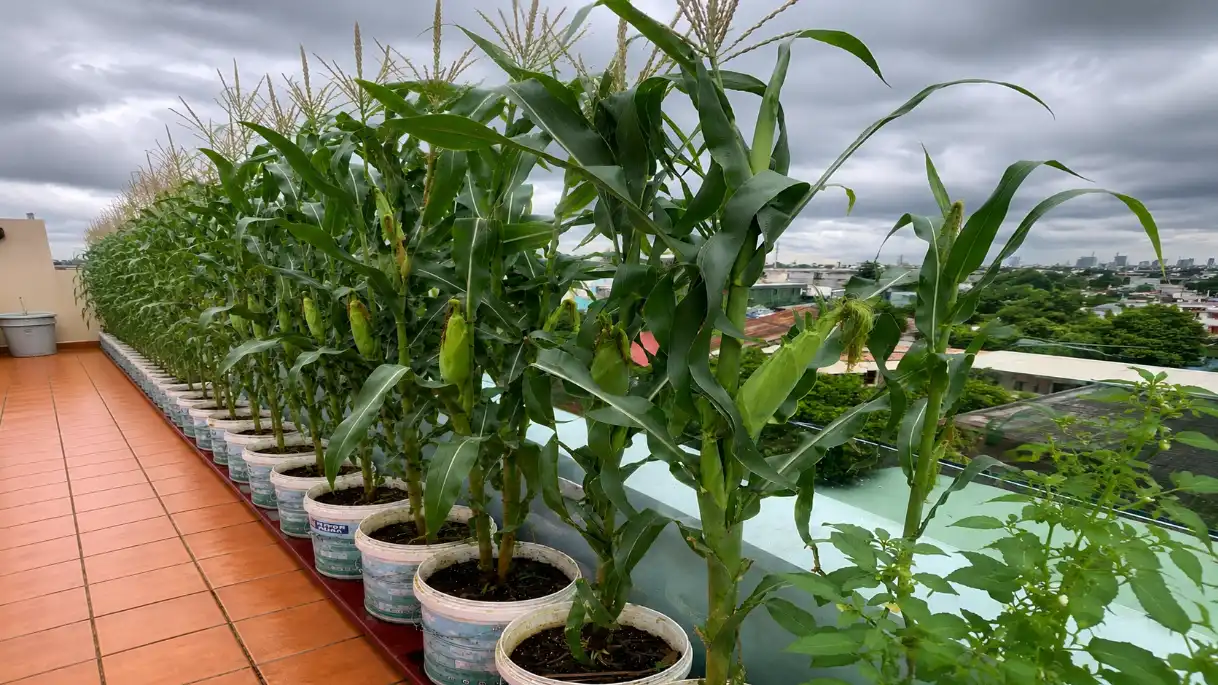

- Container Requirement: A minimum 20-litre (5-gallon) bucket is essential for one maize plant to ensure sufficient root space and nutrient reservoir.
- Manual Pollination: Because isolated bucket plants lack field-scale wind pollination, you must manually transfer pollen from tassels to silks to ensure full grain filling.
- 2026 Financials: The estimated setup cost for a 10-bucket unit is KES 3,500, with a potential yield of 15 to 20 roasting-grade cobs per season.
Table of Contents
Container maize farming has shifted from a novelty to a necessity in the urban landscape of 2026. As residential densities in Nairobi and its satellite towns like Syokimau and Ruiru continue to climb, traditional ground-space farming is becoming a luxury. This guide offers a comprehensive technical framework for producing high-quality maize within the confines of a plastic bucket, optimized for the unique climate and economic conditions of 2026 Kenya.
Successful bucket farming requires a departure from the “plant and forget” mentality of large-scale open-field agriculture. In a container, you are the entire ecosystem for the plant. You provide the rain, the soil minerals, and even the wind for pollination. This intensive approach, while demanding, allows for year-round production and protection from soil-borne diseases that often plague communal urban garden plots.
By the end of this guide, you will understand how to manage the lifecycle of a maize plant from a single seed in a 20-litre bucket to a fully developed ear of corn. We will address the commercial realism of this method, focusing on household food security and the potential for small-scale agribusiness ventures targeting the lucrative green maize market in urban estates.
Can maize grow successfully in containers or buckets?
Maize can grow successfully in buckets if provided with at least 20 litres of soil volume and consistent moisture. While yield per plant is comparable to field-grown maize, success depends on intensive fertilizing and manual pollination since isolated plants do not benefit from the massive pollen clouds found in traditional fields.
The biological feasibility of bucket maize
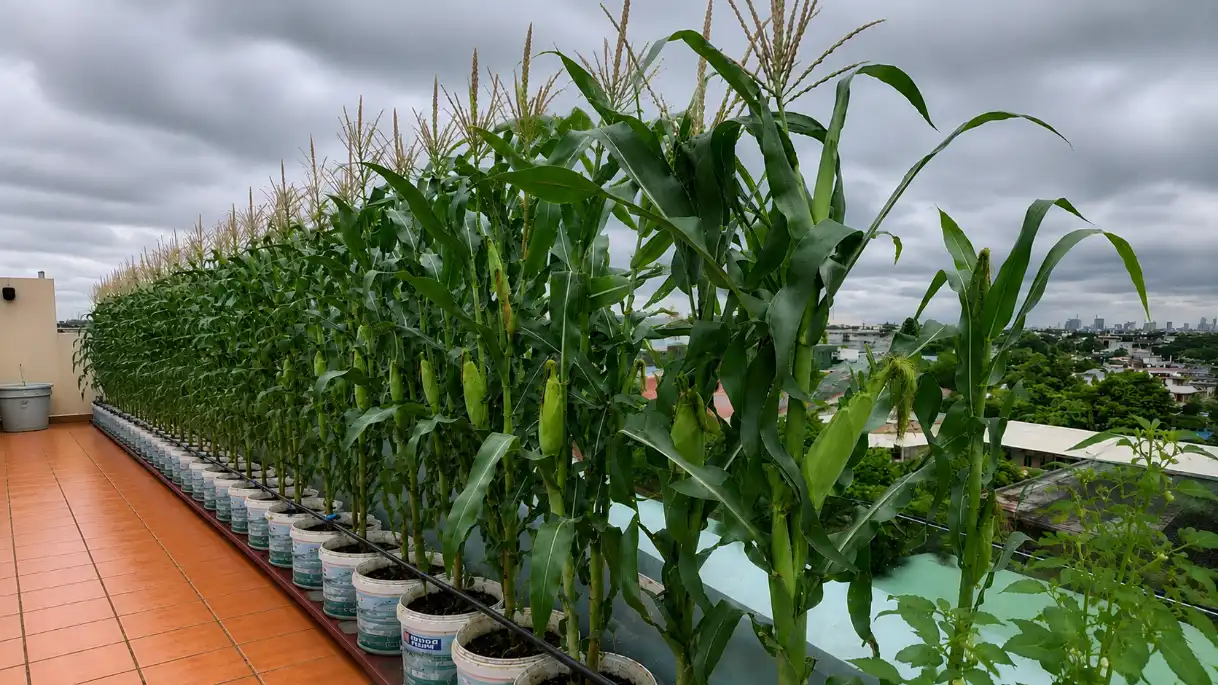
The maize plant, or Zea mays, possesses a fibrous root system that can extend deep into the earth. However, research conducted by KALRO and other agricultural bodies by 2026 confirms that maize can adapt its root architecture to confined spaces if the media is sufficiently aerated. The primary constraint is not the vertical depth alone but the total volume of nutrient-available soil.
Read Also: Top 10 Best Maize Seeds in Kenya 2026: Prices, Yields & Highest Profit Varieties
In a 20-litre bucket, a hybrid maize stalk can reach its full genetic potential of 2 to 2.5 meters in height. The challenge lies in the stability and feeding of such a large organism. Because the bucket has a limited moisture-holding capacity, the plant is more susceptible to wilting during the hot afternoon sun common in regions like Machakos or Kajiado. This requires a disciplined watering schedule that differs from the seasonal reliance of open-field farming.
Furthermore, the “heat island effect” in cities like Nairobi can actually accelerate growth. Urban temperatures are often 2 to 3 degrees higher than rural areas, which can benefit maize development provided the roots are kept cool. Using white buckets or insulating the containers is a common strategy used by successful 2026 urban farmers to prevent root scorching during the peak heat of February and March.
Choosing the right container for maize farming
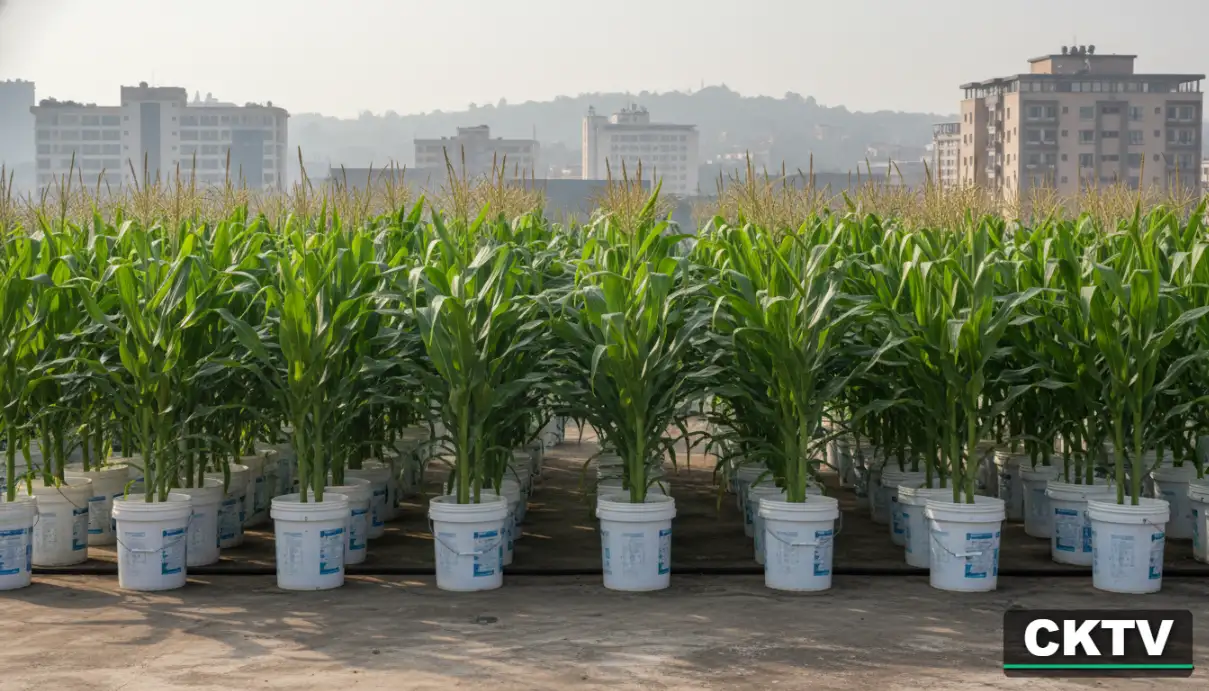
The best container for maize is a 20-litre (5-gallon) plastic bucket or a heavy-duty UV-treated grow bag. Containers must have at least 12 inches of depth and four to six 1-inch drainage holes at the base to ensure oxygen reaches the roots and to prevent lethal waterlogging.
Size and material considerations
In the 2026 Kenyan market, the most accessible container remains the standard 20-litre paint or oil bucket. These are frequently recycled from construction sites for approximately KES 150. While 10-litre buckets are tempting for space-saving, they rarely provide enough room for a maize plant to reach the tasseling stage without severe nutrient lockout and stunted growth. The root mass will simply “circle” the bucket and choke itself.
Grow bags are an increasingly popular alternative in 2026. Made from breathable fabric, these bags allow for “air pruning” of the roots. This prevents the roots from circling and instead encourages a dense, fibrous root mat that is more efficient at absorbing nutrients. However, grow bags lose moisture faster than plastic buckets, requiring more frequent irrigation in the arid climates of the lower eastern regions.
The science of drainage and aeration
Drainage is the single most important factor in container construction. Maize roots cannot survive in anaerobic (oxygen-free) conditions. If water sits at the bottom of the bucket for more than a few hours, the root hairs begin to die, leading to the yellowing of leaves. Experts recommend drilling holes not only at the flat bottom but also along the lower 2 inches of the side walls.
Read Also: 2026 Fertilizer Guide: Understanding NPK Ratios for Maximum Maize Yields
Adding a 1-inch layer of coarse gravel or broken charcoal at the bottom of the bucket before adding soil is a best practice. This creates a “sump” area where excess water can collect and drain away without clogging the holes with fine soil particles. In 2026, many urban farmers are also using perforated PVC pipes inserted vertically into the bucket to provide deep-core aeration to the root zone.
Best maize varieties for bucket farming in 2026
Short-stature, early-maturing hybrid varieties like Pannar 15, SC 403, and DK 777 are the top choices for bucket farming. These varieties reach maturity in 90 to 110 days and are less likely to become top-heavy, making them safer for balcony and rooftop environments with high wind speeds.
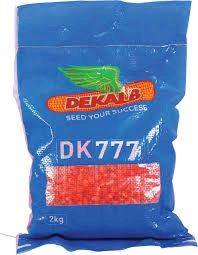
Variety selection is where many beginners fail. Planting a “highland” variety like H6213 in a bucket on a Nairobi balcony will result in a plant that is far too tall for its base. These varieties are bred for the deep soils of the North Rift and will inevitably topple over in a bucket system. By 2026, the focus has shifted entirely toward “climate-smart” hybrids that prioritize harvest index over plant height.
The following table outlines the specific performance metrics of the most popular container-friendly varieties available in Kenyan agrovets during the 2026 season.
| Variety Name | Days to Maturity | Average Height | Expected Cobs | Drought Tolerance |
|---|---|---|---|---|
| Pannar 15 (P15) | 95 – 100 | 1.8 Meters | 1 to 2 Large | High |
| SC 403 (Simba) | 90 – 105 | 1.7 Meters | 1 Medium | Very High |
| DK 777 | 110 – 120 | 2.1 Meters | 2 Medium | Medium |
| Sweet Corn (Sugar King) | 75 – 85 | 1.5 Meters | 2 Small |
Where to Source Certified Seeds and Fertilizers in Kenya
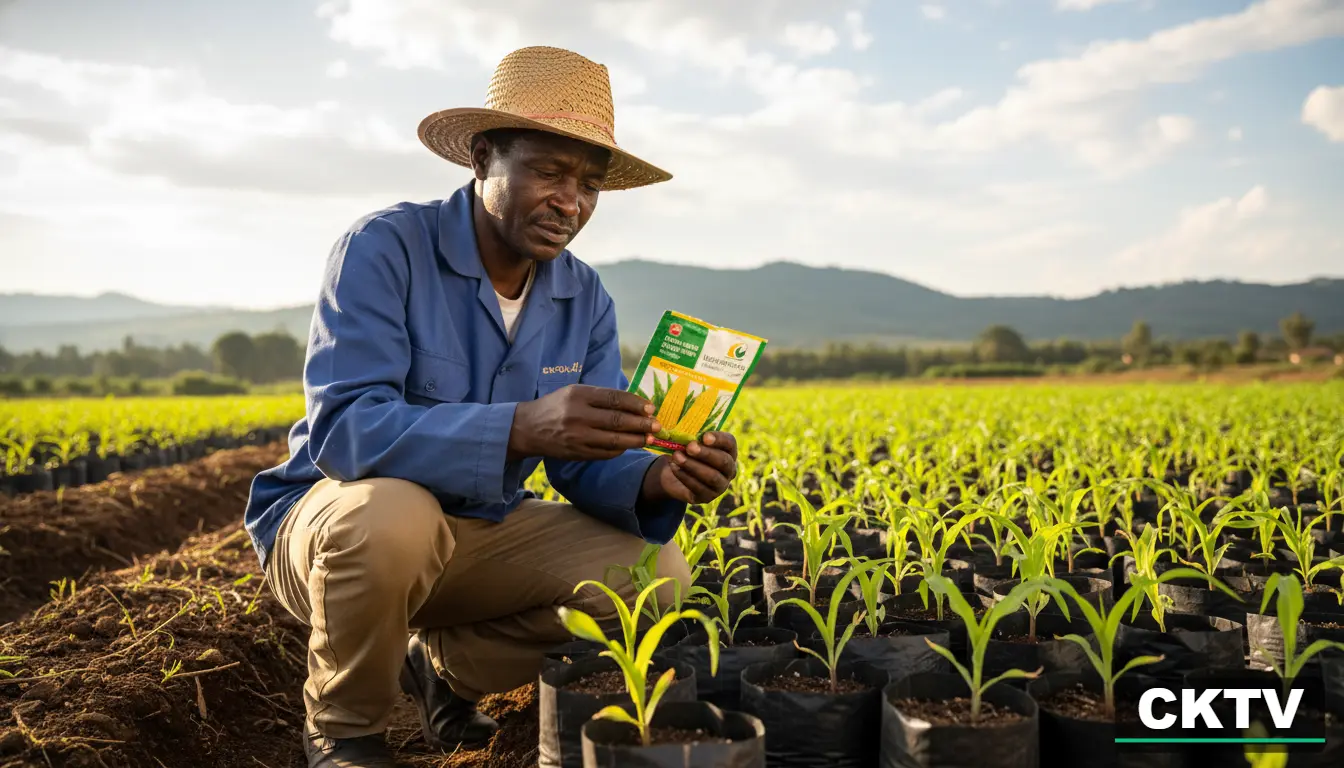
Securing authentic, certified inputs is non-negotiable for successful container farming. Avoid purchasing uncertified seeds from open-air market displays; they frequently lack the genetic stability and pest resistance of certified hybrids.
- Kenya Seed Company: This remains the primary source for certified hybrid maize seeds in the country. You can explore their current portfolio of hybrid varieties at https://www.kenyaseed.co.ke/.
- Simlaw Seeds: A major provider of hybrid seeds and technical agricultural advice for Kenyan farmers. View their available seed catalog and regional distribution networks at https://www.simlaw.co.ke/.
- Jumia Kenya (Agriculture Category): Jumia provides a platform for verified sellers to distribute farm tools and non-perishable inputs. You can search for garden supplies and specific agricultural inputs Here
- Authorized Local Agrovets: For heavy inputs like DAP, CAN, and NPK fertilizers, prioritize physical visits to licensed agrovets. Always inspect every seed packet for the KEPHIS (Kenya Plant Health Inspectorate Service) validation sticker before making a purchase.
Pro-Tip for 2026: When sourcing through online marketplaces, only purchase from vendors who provide clear batch numbers and variety specifications. For fertilizer, ensure the packaging is factory-sealed; moisture-damaged or “clumped” fertilizer is often a sign of poor warehouse storage and significantly reduced nutrient potency.
Soil preparation and the ultimate bucket mix
The ideal soil mix for bucket maize is a ratio of 2 parts red volcanic soil, 2 parts well-rotted cow or chicken manure, and 1 part river sand. This mixture provides the high nitrogen levels required for maize while maintaining the “fluffy” texture necessary for container drainage and root expansion.
Read Also: Maize Farming in Kenya: High Yield Production Guide, Best Practices and Profit Tips 2026
Why “shamba soil” is insufficient
One of the most common mistakes in 2026 is simply scooping soil from the ground and putting it in a bucket. Soil in a container behaves differently than soil in a field. Without the natural activity of deep-burrowing insects and the vast drainage network of the earth, garden soil tends to compact into a hard, cement-like block. This prevents oxygen from reaching the roots and causes the plant to suffocate.
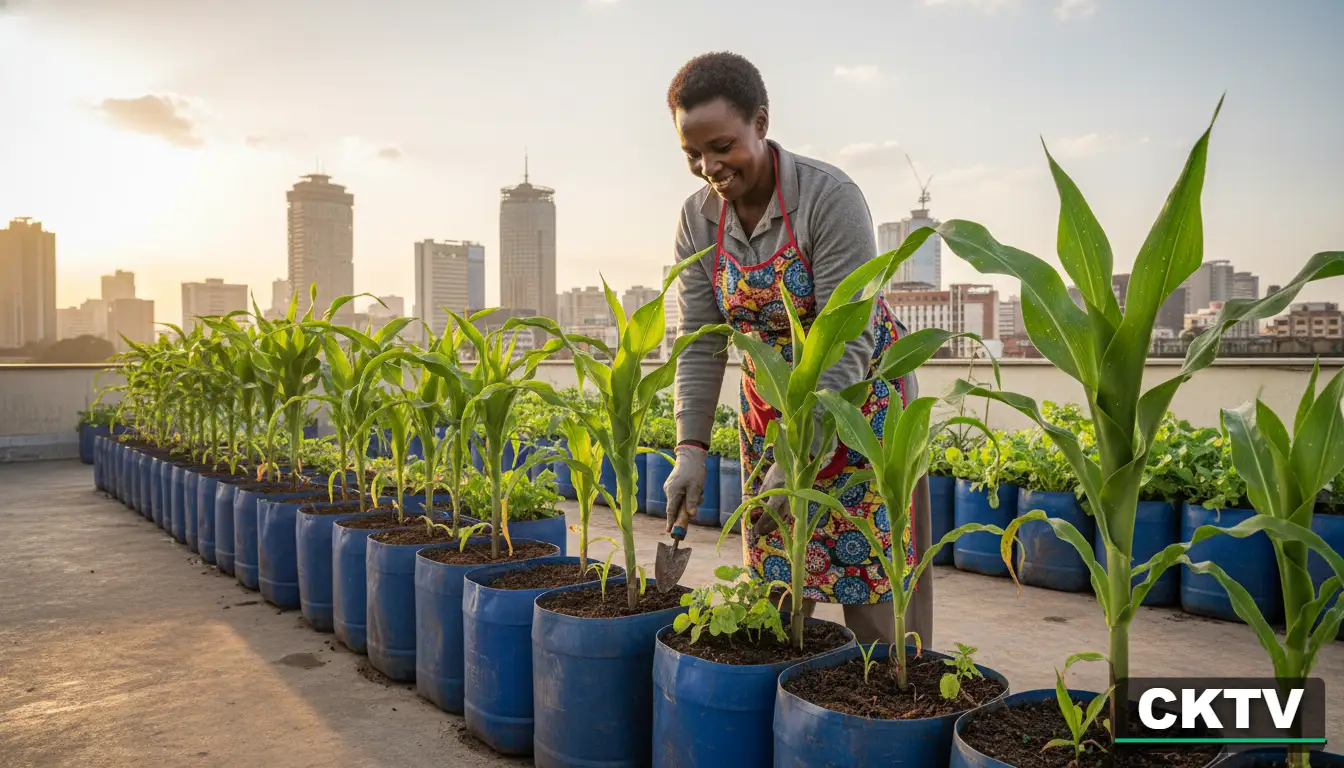
The addition of manure is not just for nutrients; it is for soil structure. In 2026, organic manure prices in Nairobi have risen to KES 500 per 50kg bag, but this remains a vital investment. Well-decomposed manure acts like a sponge, holding onto water and slowly releasing nitrogen as the maize plant grows. If the manure is “fresh” or smells like ammonia, it is not ready and will burn the young maize roots.
Adjusting pH and micro-nutrients
Maize thrives in slightly acidic to neutral soil, with a pH range between 5.8 and 7.0. Many soils in the Central Highlands of Kenya are naturally acidic, which can lock up phosphorus. Adding two tablespoons of agricultural lime to each 20-litre bucket during the mixing phase can significantly improve nutrient availability. This is a cheap intervention that can double the yield of container-grown maize.
In 2026, advanced container farmers are also incorporating “pumice” or “rice husks” into their mixes. These materials are lightweight and provide permanent aeration. Pumice is particularly useful for rooftop farmers who need to keep the total weight of their buckets low to avoid structural stress on the building. A 20-litre bucket filled with wet clay soil can weigh over 25kg, whereas a pumice-amended mix might only weigh 15kg.
Step-by-step planting process
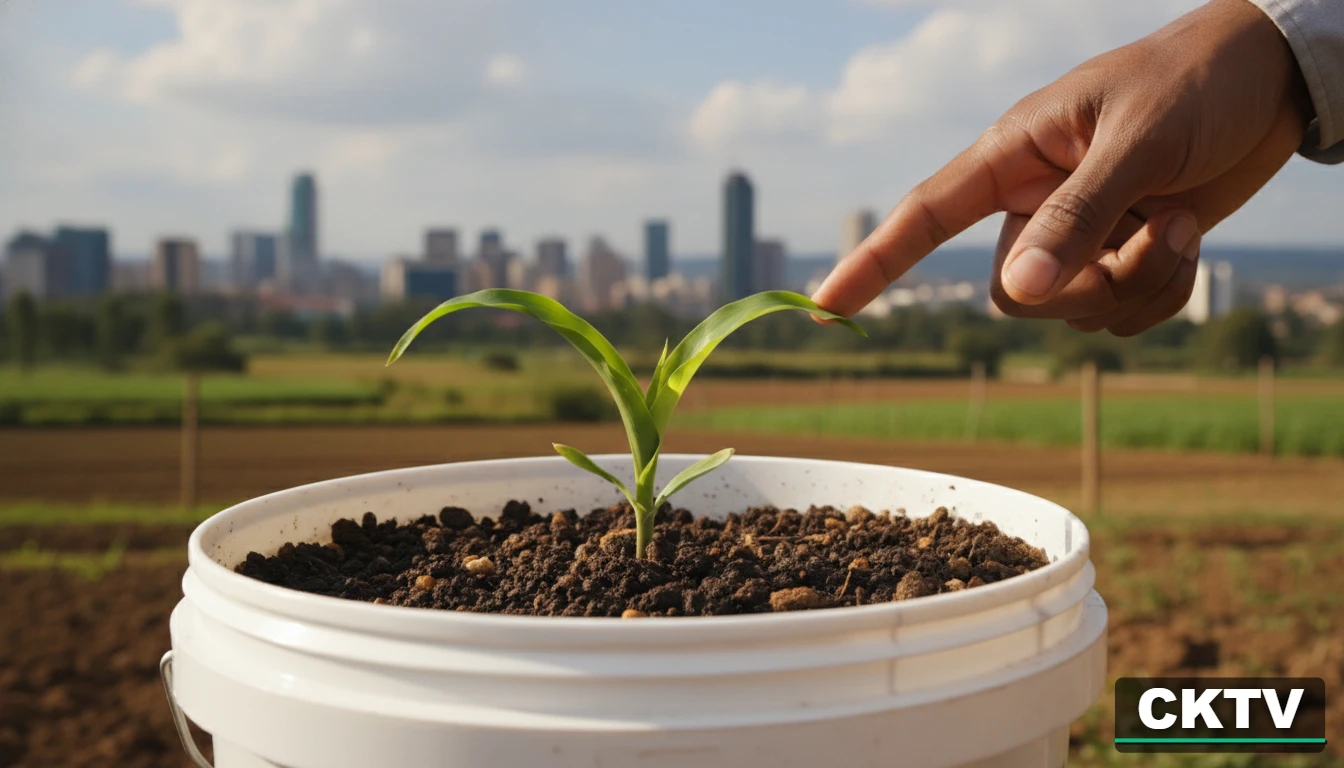
Plant two maize seeds per bucket at a depth of 3 cm. After the seedlings reach 10 cm in height, use a pair of scissors to snip the weaker seedling at the soil level. This “thinning” process ensures that the remaining plant has exclusive access to all resources in the container.
The planting timeline
Success starts with timing. In Kenya, the best time to plant your buckets is at the very onset of the rainy season to take advantage of the high atmospheric humidity, even if you are hand-watering. On Day 1, fill your buckets with the soil mix, leaving about 3 inches of space at the top. Water the buckets thoroughly and let them sit for two days. This allows the soil to settle and any “hot” spots in the manure to stabilize.
On Day 3, make two small holes in the center of the bucket, about 5cm apart. Place one seed in each hole. Cover them with soil and firm it down gently with your palm. Do not pack it too tightly. If you are using hybrid seeds from a reputable agrovet, you should see sprouts emerging within 5 to 7 days. If the weather is exceptionally hot, you may need to cover the top of the bucket with a thin layer of dry grass to keep the soil surface from crusting over.
Initial care and thinning
Once the seedlings have two or three leaves, it is time for the hardest part of bucket farming: thinning. Many farmers are tempted to leave both plants in the bucket, thinking they will get double the harvest. In reality, you will get zero cobs. The two plants will compete for sunlight and nutrients, and both will end up as thin, weak stalks. Choose the most vigorous plant and remove the other. Do not pull the extra plant out by the roots, as this can damage the root system of the one you are keeping.
Water management: The lifeblood of the bucket system
A mature maize plant in a bucket requires 1.5 to 2.5 litres of water per day, depending on the temperature and wind. Watering should be done at the base of the plant in the early morning to ensure the reservoir is full before the heat of the day, and to keep the leaves dry to prevent fungal diseases.
Recognizing moisture stress
In 2026, erratic weather patterns mean that urban farmers must be hyper-vigilant. Maize has a very specific way of telling you it is thirsty: the leaves will curl inward, resembling green needles. This is a defense mechanism to reduce the surface area and stop water loss. If you see this in the morning, your plant is in critical danger. If you only see it during the peak heat of the afternoon, it is a normal response to heat, but you should still check the soil moisture.
The “finger test” is the most reliable way to check for water. Stick your finger two inches into the soil. If it feels dry, it is time to water. In the confined space of a bucket, there is no “deep water” for the roots to find. Once the bucket is dry, the plant stops growing. Repeated drying out will lead to a small, stunted cob with missing kernels, a condition known as “tip blanking.”
Avoiding the overwatering trap
While underwatering is common, overwatering is equally dangerous. If the leaves of your maize plant start turning a pale yellow, especially at the bottom of the stalk, the roots may be drowning. This happens when the drainage holes are blocked or if the bucket is sitting in a tray of stagnant water. Roots need to “breathe” oxygen. Always ensure that excess water can flow freely out of the bottom of the bucket.
The 2026 fertilizer program for bucket maize
The optimal feeding program for bucket maize involves applying 10g of DAP fertilizer at planting, followed by 10g of CAN top-dressing when the plant is knee-high (V6 stage). A final 10g of NPK 17:17:17 should be applied just as the tassels begin to emerge to support ear development.
Expert advice on nutrient application
Maize is a “heavy feeder,” particularly of nitrogen and phosphorus. In the 2026 Kenyan market, fertilizer prices have stabilized due to local production and subsidies, but they remain a significant part of the budget. For bucket farming, you must apply fertilizer in a “ring” at least 5cm away from the stem. Never let the granules touch the green stalk, as this will cause chemical burns that can kill the plant.
Read Also: DIY Bottle Drip Irrigation Farming in Kenya (2026): Grow Tomatoes, Strawberries & Vegetables Using Recycled Containers
A secret of high-yield container farmers is the use of “foliar” feeding. This involves spraying a liquid fertilizer directly onto the leaves. In 2026, brands like EasyGro or Maxicrop are widely used in Kenya. Because bucket soil can sometimes become “exhausted” of micro-nutrients like Zinc and Boron, a foliar spray every two weeks can ensure the plant has everything it needs to produce a large, sweet cob. This is especially important for those growing sweet corn for the premium market.
| Plant Age | Growth Stage | Fertilizer Type | Dosage per Bucket |
|---|---|---|---|
| Day 0 | Planting | DAP or Compound G | 10 Grams (1 Tablespoon) |
| Day 30 | Knee-High (V6) | CAN or Urea | 10 Grams |
| Day 55 | Tasseling (VT) | NPK 17:17:17 | 15 Grams |
| Every 14 Days | Vegetative | Liquid Foliar Feed | As per bottle instructions |
Manual pollination: Ensuring full cobs
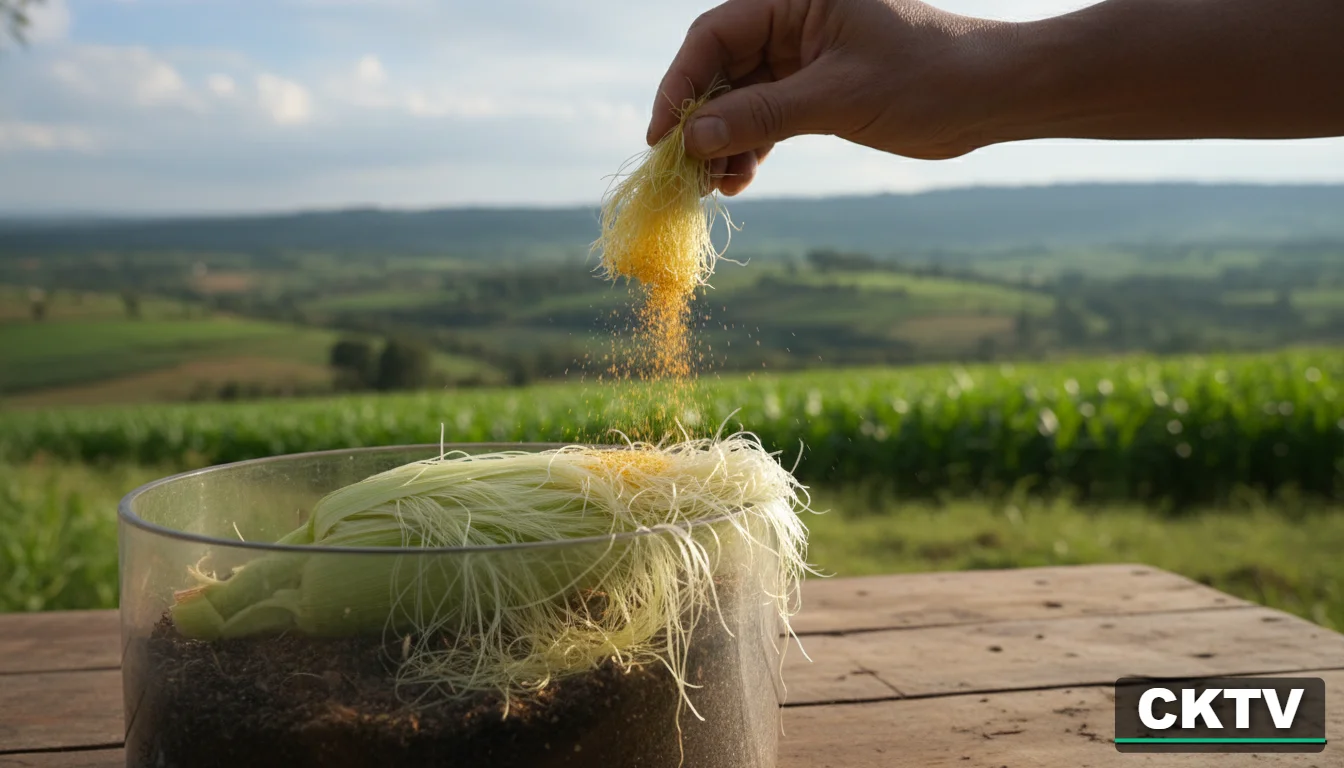
Manual pollination is done by gently shaking the male tassels (at the top of the plant) over the female silks (the hairs on the ear) once a day for three consecutive days. This process ensures that every silk receives a grain of pollen, which is necessary for the formation of every single kernel on the cob.
This is the most critical step that differentiates bucket farming from field farming. In a 50-acre field, the wind creates a “pollen rain” that covers every plant. On a balcony in Kileleshwa with only five buckets, the wind might blow all your pollen over the railing and into the street. Without manual pollination, you will harvest a cob that is mostly empty, often called a “blind ear.”
The best time to do this is between 8:30 AM and 10:30 AM. This is when the pollen is most viable and the silks are most receptive. You can even take a small paper bag, shake the tassels into it to collect the yellow dust, and then carefully pour that dust over the silks. If the silks have turned brown and shriveled, pollination is complete. If they remain bright and “sticky” for more than a week, they are still waiting for pollen.
Managing pests and diseases in urban Kenya
The Fall Armyworm (FAW) is the primary threat to bucket maize in 2026. Control it by checking the central “whorl” of the plant daily for small holes or sawdust-like droppings. If found, apply a pinch of sand mixed with neem powder or a localized application of a systemic insecticide like Belt or Voliam Targo.
Common urban pests
Because buckets are often located near houses, they are less likely to be attacked by large animals but are more susceptible to “domestic” pests. Aphids are a major problem in 2026, often brought in by ants. They appear as small black or green clusters on the underside of leaves. A simple spray of water mixed with a little dish soap is often enough to dislodge them. If ignored, they will suck the sap and cause the leaves to curl and turn black with sooty mold.
Stem borers are another silent killer. The larvae tunnel into the center of the stalk, weakening it until it snaps in the wind. In 2026, the use of “Push-Pull” technology in buckets is difficult, so farmers rely on physical inspection. If you see a small hole in the side of the stalk with “frass” (waste) coming out, you can sometimes kill the borer by inserting a thin wire into the hole, saving the plant without the use of heavy chemicals.
Disease prevention in confined spaces
Fungal diseases like Leaf Blight thrive in the stagnant air of crowded balconies. This is why spacing is crucial. Even if you have limited space, leave at least 30cm between your buckets. This allows the sun to reach the lower leaves and the wind to dry out the foliage after rain. If you see long, cigar-shaped brown spots on the leaves, remove the affected leaves immediately and improve the airflow around the plants.
Rooftop and balcony farming challenges
Rooftop maize faces extreme wind speeds that can snap mature stalks. Farmers must stake each plant with a sturdy bamboo pole and secure the buckets to a heavy base or the balcony railing to prevent the entire setup from being blown over during the heavy storms of the April “long rains.”
In 2026, the “Rooftop Revolution” in Nairobi’s Eastlands area has seen thousands of residents growing their own food. However, the wind at the height of a four-story building is significantly stronger than at ground level. A mature maize plant with its broad leaves acts like a sail. Without support, the plant will lean, and the roots will be loosened in the bucket, leading to “lodging.”
Heat management on rooftops is the second major hurdle. Concrete roofs absorb heat all day and radiate it back at night. This can lead to a “root oven” effect. Successful farmers in 2026 use wooden pallets to lift their buckets off the concrete. This allows air to circulate under the bucket, keeping the soil temperature within the optimal range for nutrient uptake and preventing the “baking” of beneficial soil microbes.
Harvesting: When is your maize ready?
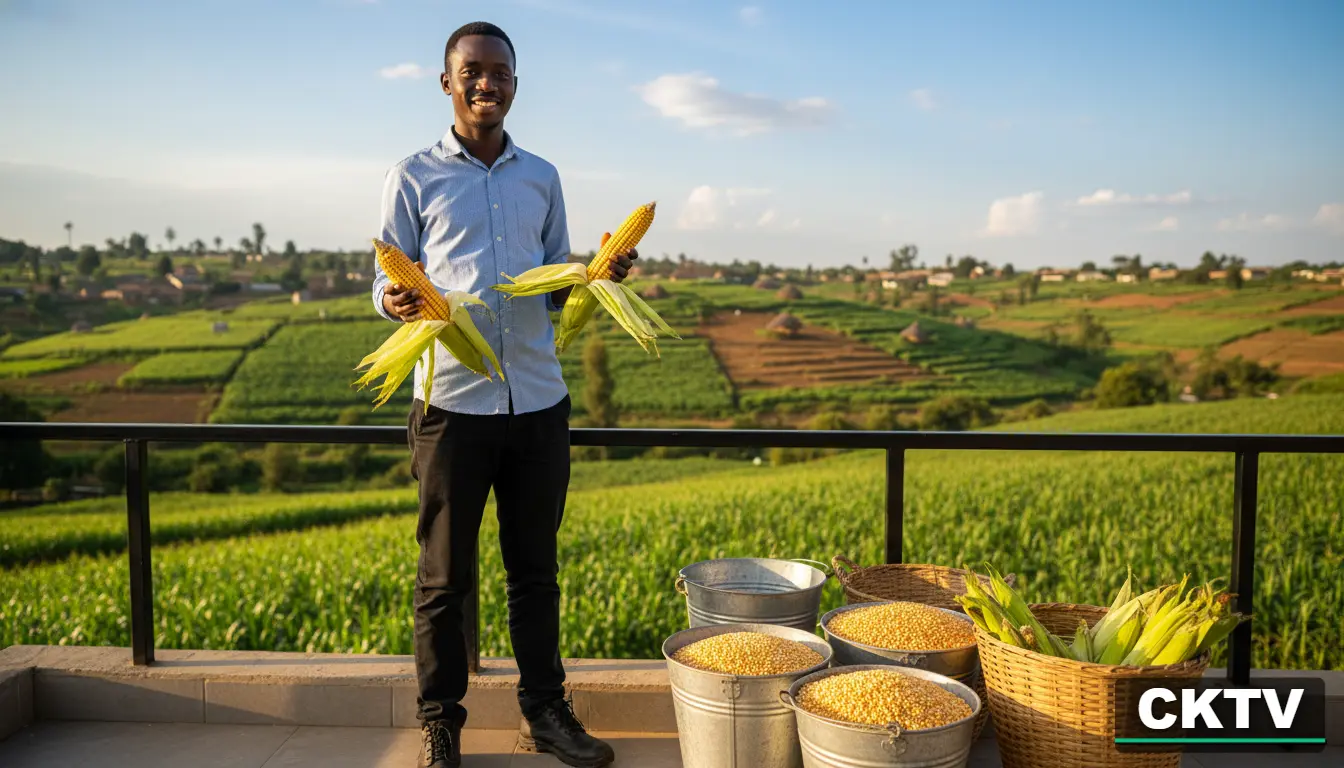
For “Green Maize” (roasting or boiling), harvest when the silks are dark brown and the kernels squirt a milky liquid when pressed. For “Dry Grain,” wait until the husks are completely yellow and dry, and the kernels have a “black layer” at the base when detached from the cob.
In the 2026 market, green maize for roasting is a luxury item in Kenyan cities, often retailing for KES 50 per cob. This makes harvesting at the “milk stage” the most economically sensible choice for bucket farmers. To check, peel back the top of the husk slightly-do not remove the whole husk. If the kernels are full and bright yellow (or white, depending on the variety), they are ready. If they look small and pale, cover them back up and wait another five days.
If you are growing maize for flour, you must leave it on the stalk until the plant is completely dead and the cob hangs downward. This “dry down” period is when the starch hardens. Once harvested, ensure the cobs are kept in a dry, airy place. In the humid conditions of 2026 Mombasa or Kisumu, mold can destroy a harvest in days if it is stored in a plastic bag or a damp corner.
Cost and profit analysis (2026 Estimates)
Setting up a 10-bucket maize unit in 2026 costs approximately KES 3,500 if buying all materials new. With a yield of 15 cobs valued at KES 750 total per season, the system pays for itself by the third season, primarily serving as a food security tool rather than a high-profit commercial venture.
We must be realistic about the economics of bucket farming. If your goal is to get rich selling maize, 10 buckets will not do it. However, the value of bucket farming is in the “Avoided Cost.” In 2026, a family in Nairobi spends a significant portion of their income on food. Growing your own maize eliminates the transport and middleman costs, and provides a level of food safety that commercial maize-often high in aflatoxins-cannot guarantee.
The following table provides a realistic budget for a beginner setting up a small-scale bucket farm in a Kenyan urban center in early 2026.
| Item | Quantity | Estimated Cost | Duration |
|---|---|---|---|
| Recycled 20L Buckets | 10 | KES 1,500 | 5+ Years |
| Manure-Amended Soil | 3 Bags | KES 1,200 | 2 Seasons |
| Certified Hybrid Seeds | 1 Pack (250g) | KES 250 | 1 Season |
| Fertilizer (DAP/CAN) | 1kg each | KES 350 | 2 Seasons |
| Bamboo Stakes | 10 | KES 200 | 3 Seasons |
| Total Initial Cost | – | KES 3,500 | – |
The Biggest Mistakes Farmers Make
The most common failures in bucket maize farming are using containers smaller than 20 litres, planting more than one seed per bucket, and neglecting manual pollination. These errors lead to stunted plants and empty cobs, regardless of how much fertilizer or water is applied.
Another major mistake in 2026 is the “Shade Trap.” Urban residents often try to grow maize on balconies that only get 2 hours of sunlight because of nearby tall buildings. Maize is a C4 plant; it is a “sun-eater.” It requires a minimum of 6 hours of direct, intense sunlight to produce the energy needed for grain formation. If your balcony is shaded, your maize will be tall and spindly but will never produce a cob.
Finally, ignore the “Cheap Seed” temptation. In 2026, there is still a black market for uncertified seeds sold in open containers at local markets. These are often just commercial grain treated with food coloring to look like treated seeds. They have poor germination rates and no resistance to the modern strains of Fall Armyworm. Always buy seeds in sealed packets with a KEPHIS (Kenya Plant Health Inspectorate Service) validation sticker.
Conclusion: The future of urban maize
As we navigate the agricultural landscape of 2026, the ability to grow a national staple like maize in a bucket is more than just a hobby-it is a skill of resilience. While the yields may be small compared to the vast fields of Trans Nzoia, the impact on a household’s connection to their food is profound. By following the technical requirements of container size, soil nutrition, and manual pollination, any Kenyan with a sunny square meter of space can participate in the country’s grain production.
The key to success in 2026 is consistency. A bucket plant cannot wait for rain; it cannot search for deeper nutrients. It relies entirely on your discipline. If you can commit 10 minutes a day to checking moisture and pests, the reward of a fresh, sweet, pesticide-free roasted cob on a cool Nairobi evening is well worth the effort. Start with five buckets, master the cycle, and become part of the urban farming revolution.
Farmers Also Ask (FAQ)
How many maize plants can I grow in a 20-litre bucket?
You should only grow one maize plant per 20-litre bucket to avoid competition for nutrients and water, which ensures the plant has enough energy to produce a full cob.
How many stalks of corn can you grow in a 5-gallon bucket?
One stalk is the maximum for a 5-gallon (20-litre) bucket. Attempting to grow more will result in thin stalks and no grain production.
Can maize grow successfully in containers or buckets?
Yes, maize thrives in containers if they are deep enough and if the farmer performs manual pollination and intensive fertilization to compensate for the limited soil volume.
What is the best fertilizer schedule for maize farming in Kenya?
Apply DAP at planting, top-dress with CAN at the knee-high stage, and use NPK 17:17:17 during the tasseling stage for optimal grain fill in 2026.
When should I apply NPK and urea in maize farming?
Apply NPK at the flowering stage to support cob development. Urea can be used as a top-dressing instead of CAN if the soil is not overly acidic.
What is the best month to start bucket farming in Nairobi?
September is ideal for the short rains, or March for the long rains. However, with consistent watering and the right hybrid seeds, you can start any month of the year.
How many months does maize take to reach maturity and yield?
Early-maturing hybrid varieties take 3 to 4 months, while late-maturing varieties in cooler highland regions can take up to 6 to 9 months.
What is the best fertilizer program for high maize yield in Kenya?
The best program combines basal phosphorus (DAP), nitrogen top-dressing (CAN), and micronutrient foliar sprays during the vegetative and reproductive stages.
Are plastic buckets safe for growing food?
Yes, provided they are food grade (look for the PETE or HDPE marks) and did not previously hold toxic industrial chemicals, petrol, or lead-based paints.
What can I grow alongside maize in a bucket?
You can plant 2 to 3 climbing beans at the base. The beans provide nitrogen to the soil, and the maize stalk provides a natural trellis for the beans to climb.
Do I need to support the maize stalks with sticks?
Generally no, but if you are in a windy area like Ngong or a high-rise balcony, staking the plant with a bamboo stick or firm wire is highly recommended to prevent lodging.
Why are the leaves on my bucket maize turning yellow?
Yellowing is usually a sign of Nitrogen deficiency or over-watering. Check your drainage holes and apply CAN or a Nitrogen-rich foliar feed immediately to restore health.