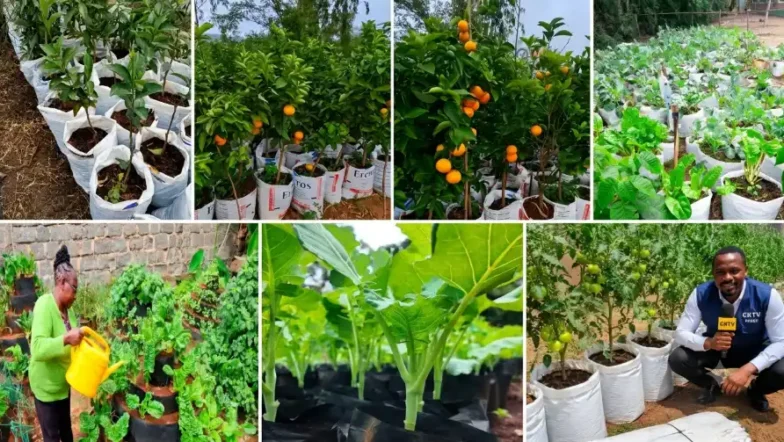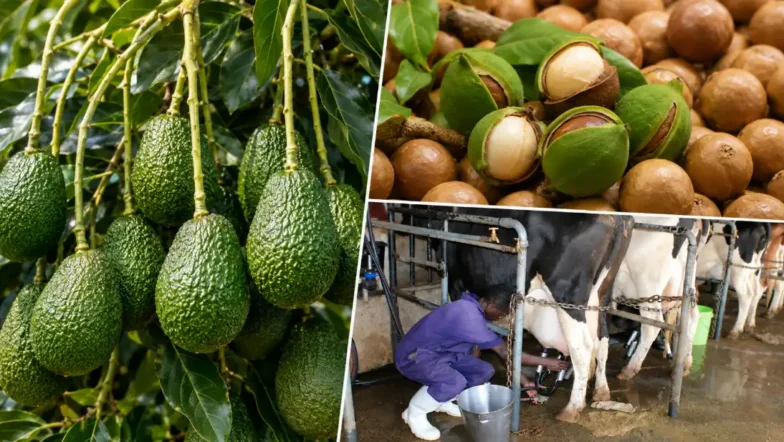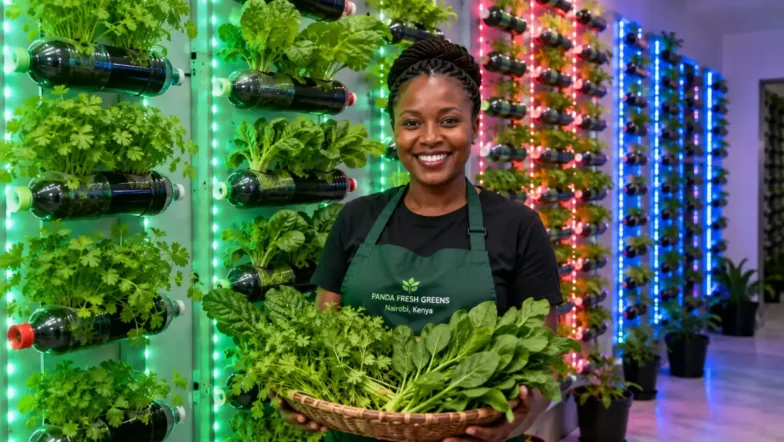

- Cost Reduction: Adopting sustainable methods like composting and integrated pest management can reduce annual input costs by 30% to 45% compared to conventional chemical-heavy farming.
- Yield Stability: While initial transition years may see a slight dip, long-term yields under conservation agriculture in Kenya remain 20% more stable during drought years than traditional tillage methods.
- Market Premium: Certified organic and sustainably grown produce in 2026 attracts a price premium of 15% to 25% in high-end Nairobi retail markets and export channels to Europe.
Table of Contents
The global food system is at a breaking point. As we head toward 2026, the combination of a surging world population and a shrinking pool of arable land has made traditional agricultural methods increasingly risky. In Kenya, farmers in regions like Laikipia and Machakos are facing the brunt of climate change, dealing with erratic rains and soils that no longer respond to heavy doses of synthetic fertilizer.
Traditional farming, characterized by deep plowing and heavy chemical use, has led to widespread soil degradation and biodiversity loss. This guide serves as a commercial and practical roadmap for transitioning to sustainable farming practices. It is designed to help the modern farmer build a resilient system that prioritizes long-term profitability and environmental health over short-term, high-cost gains.
Sustainable farming is the only viable path forward for the agricultural sector. Throughout this guide, you will learn about the methods, systems, and technologies that define this movement. From agroforestry to precision technology, we will explore how to restore your land’s health while significantly lowering your daily production costs.
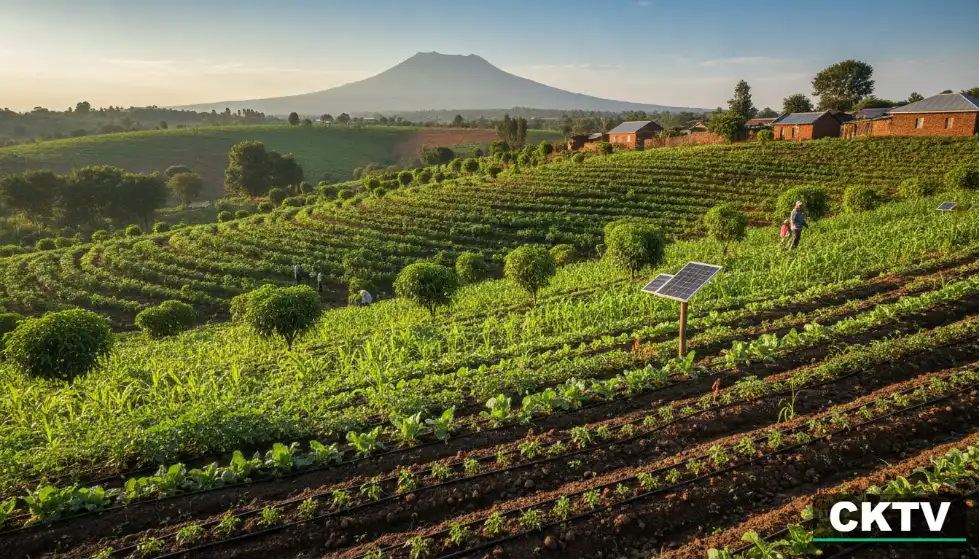
What Is Sustainable Farming?
Sustainable farming is a holistic system of agriculture that focuses on producing food while protecting the environment and ensuring economic viability. It mimics natural ecosystems to manage pests, recycle nutrients, and maintain moisture, reducing the farmer’s dependence on expensive, external synthetic chemicals.
Read Also: Maximizing Small Spaces: A Practical Guide to Productive Home Gardening in Kenya
Sustainable farming is not a single technique but a collection of integrated systems. At its heart, it is about balance. Unlike conventional farming, which often operates on a linear model of input-output, sustainable farming is circular. On a sustainable farm, waste from one process, such as livestock manure, becomes the primary fuel for another, like crop fertilization.
Conventional farming in Kenya often relies on heavy tillage and mono-cropping. This leads to “dead soil” that lacks the biological life needed to hold water and nutrients. Sustainable systems, however, use biological fertilizers and minimal tillage to keep the soil alive. This approach reduces the farmer’s vulnerability to global price hikes in the fertilizer market.
It is also important to distinguish this from organic farming. While organic farming strictly prohibits synthetic chemicals, sustainable farming is more flexible. It allows for the minimal, judicious use of chemicals if they are necessary for the farm’s survival, provided the overall goal remains the long-term health of the ecosystem. It is a practical middle ground for commercial farmers.
The Three Pillars of Sustainable Farming
Sustainable farming rests on three interconnected pillars: environmental health, economic profitability, and social equity. A farm is only truly sustainable if it protects natural resources, generates enough profit to be self-sustaining, and supports the well-being of the surrounding community.
Environmental Sustainability
This pillar focuses on protecting the natural resources the farm depends on. In counties like Narok and Bungoma, soil erosion is a massive threat to productivity. Environmental sustainability involves keeping the soil covered, protecting local water sources from chemical runoff, and ensuring that pollinators like bees have a safe habitat to thrive.
Economic Sustainability
A farm must be profitable to survive. This pillar focuses on reducing “externalities” or the costs of buying seeds and chemicals from outside. By making your own compost or using Integrated Pest Management, you keep more money in your pocket. Diversified income streams, such as selling both timber and avocados, protect you if the price of one crop falls.
Social Sustainability
Sustainability includes the people involved. This means providing safe working conditions for laborers and ensuring food is free from harmful residues. For Kenyan farmers, this also means strengthening rural communities by creating local jobs. A farm that treats its neighbors and workers well is more resilient to social and economic shocks over the long term.
Why Sustainable Farming Is Important
The world urgently needs sustainable agriculture because our current path is leading to a food crisis. Soil erosion is occurring at a rate 10 to 40 times faster than soil formation. In East Africa, water shortages are becoming the new normal. Sustainable farming provides the tools to withstand these challenges while keeping production levels high.
Chemical pollution from conventional runoff has led to the loss of critical pollinators. Without bees and other insects, many high-value crops like passion fruit and coffee would fail. Sustainable practices create a safe haven for these insects, ensuring that pollination happens naturally without the need for expensive artificial interventions.
Furthermore, rising farming costs are pricing small-scale farmers out of the market. The price of synthetic fertilizers like DAP and CAN has fluctuated wildly in recent years. By adopting sustainable methods, farmers can produce their own fertility on-site, effectively decoupling their success from the volatility of global commodity markets.
Principles of Sustainable Farming
The principles of sustainable farming include maintaining healthy soil, optimizing water use, and fostering biodiversity. These principles guide every decision on the farm, from the choice of seeds to the way livestock are managed, ensuring that the agricultural system mimics nature’s efficiency and resilience.
Healthy soil is the foundation of all agriculture. In a sustainable system, soil is viewed as a living organism rather than just dirt to hold plants up. By encouraging beneficial microorganisms and earthworms, farmers create a soil structure that can absorb heavy rains and provide a steady supply of nutrients to crops.
Read Also: Top 5 High-Yield 3-Month Crops in Kenya (2026 Profit Guide + ROI Breakdown)
Efficient water use is equally critical. In arid and semi-arid lands, sustainable farmers use techniques like drip irrigation and rainwater harvesting. By monitoring soil moisture and using mulch to prevent evaporation, they can grow more food with less water, which is essential as competition for water resources increases.
Biodiversity acts as a natural insurance policy. On a sustainable farm, you will see a mix of crops, trees, and livestock. This diversity makes the farm less likely to be wiped out by a single pest or a specific weather event. It also creates a balanced environment where natural predators keep pest populations in check without the need for toxic sprays.
Sustainable Farming Methods
This section explores the specific methods used to achieve sustainability. Each method offers a different way to solve common farming problems like pests, weeds, and low fertility. When used together, they create a powerful, self-sustaining system that can thrive in the diverse climates of Kenya.
Conservation Agriculture
Conservation agriculture is built on three main rules: minimum soil disturbance, permanent soil cover, and crop rotation. By not plowing the land, you preserve the fungal networks that make nutrients available. Farmers in Uasin Gishu are now using specialized no-till seeders to plant directly into the previous season’s crop residue.
Crop Rotation and Intercropping
Planting the same crop every year drains specific nutrients and allows pests to build up. A sustainable rotation might involve maize followed by beans and then a fodder crop like Boma Rhodes. Intercropping, such as planting beans between maize rows, maximizes land use and provides a living mulch that keeps the soil cool.
Agroforestry
Integrating trees into your crop system is one of the most profitable moves a farmer can make. Planting Grevillea trees along farm boundaries provides timber, firewood, and a windbreak. In Embu, farmers use Calliandra trees as high-protein fodder for dairy cows, which reduces the need for expensive commercial feed concentrates.
Integrated Pest Management (IPM)
IPM is a strategy that focuses on long-term prevention of pests. It involves monitoring pest levels and using biological controls, like ladybugs or parasitic wasps, before turning to chemicals. Cultural controls, such as crop rotation, and mechanical controls, like sticky traps, are the first lines of defense in an IPM system.
Precision Agriculture
Modern sustainability often involves high-tech tools. Precision agriculture uses GPS, soil sensors, and drones to apply water and fertilizer only where they are needed. This prevents waste and reduces the environmental impact of farming. For example, a soil sensor can tell a farmer exactly when to turn on the drip irrigation.
Sustainable Farming Systems
While methods are individual techniques, systems are the overarching frameworks that organize those methods. An integrated farming system, for example, combines crops and livestock in a way that maximizes nutrient recycling. The manure from the cows fertilizes the kale, and the stalks from the kale feed the cows.
Agroecological farming takes this a step further by applying ecological principles to the design of the entire farm. It prioritizes local knowledge and traditional seeds that are already adapted to the local climate. This system is highly resilient and requires very few external inputs, making it ideal for small-scale commercial farmers.
Climate-Smart Agriculture is specifically designed to address the challenges of a warming planet. It focuses on increasing productivity while also helping farmers adapt to climate change and reducing greenhouse gas emissions. This often involves using drought-tolerant seed varieties and installing solar-powered irrigation systems to replace diesel pumps.
Sustainable Soil Management
Sustainable soil management uses biological enhancements like biochar, compost, and green manures to build organic matter. These solutions increase the soil’s water-holding capacity and nutrient density, allowing crops to thrive even during dry spells without the need for high amounts of synthetic fertilizer.
Before applying any amendment, a soil test is mandatory. As of 2026, a standard soil analysis in Kenya costs between KES 1,500 and KES 3,500. This test tells you exactly what your soil lacks, preventing you from wasting money on the wrong nutrients. It is the first step in any sustainable soil plan.
The table below compares different soil amendments that are becoming popular among Kenyan farmers as they move away from chemical-only systems.
| Amendment Type | Primary Benefit | Application Rate (per Acre) | Estimated Cost (KES) |
|---|---|---|---|
| Compost (Well-rotted) | Adds organic matter and microbes | 5 to 10 Tons | KES 15,000 to 30,000 |
| Biochar | Long-term moisture storage | 500kg to 1 Ton | KES 12,000 to 25,000 |
| Green Manure (Legumes) | Natural nitrogen fixation | Seed cost only | KES 2,500 to 5,000 |
| Lime (Agri-Grade) | Corrects soil acidity (pH) | 500kg to 2 Tons | KES 8,000 to 32,000 |
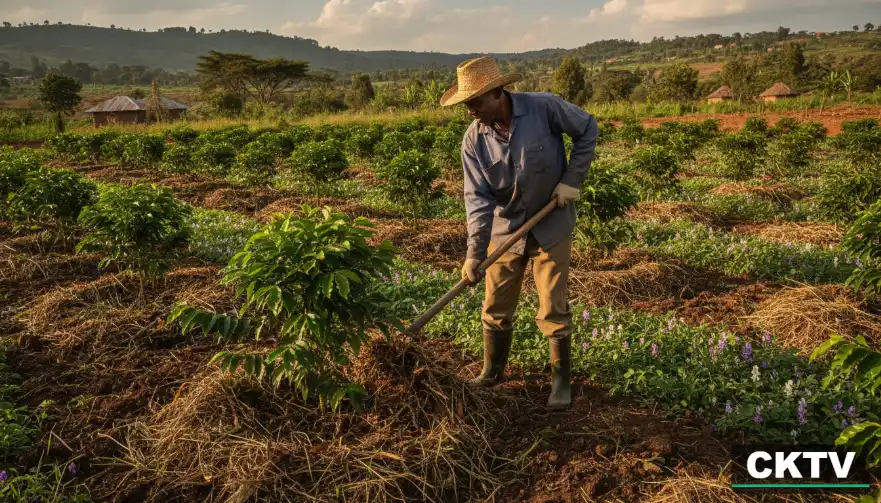
Mulching is perhaps the simplest and most effective soil management tool. By covering the soil with dry grass or crop stalks, you reduce water loss through evaporation. This keeps the soil temperature stable, which is crucial for the survival of the beneficial bacteria that help plants grow and fight off diseases.
Water Conservation in Sustainable Agriculture
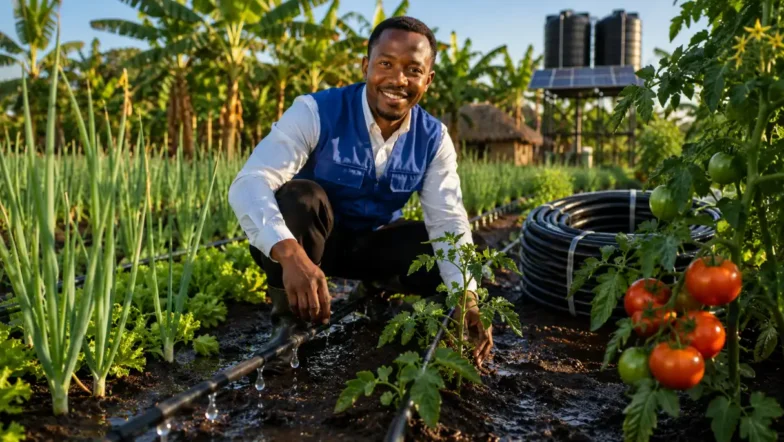
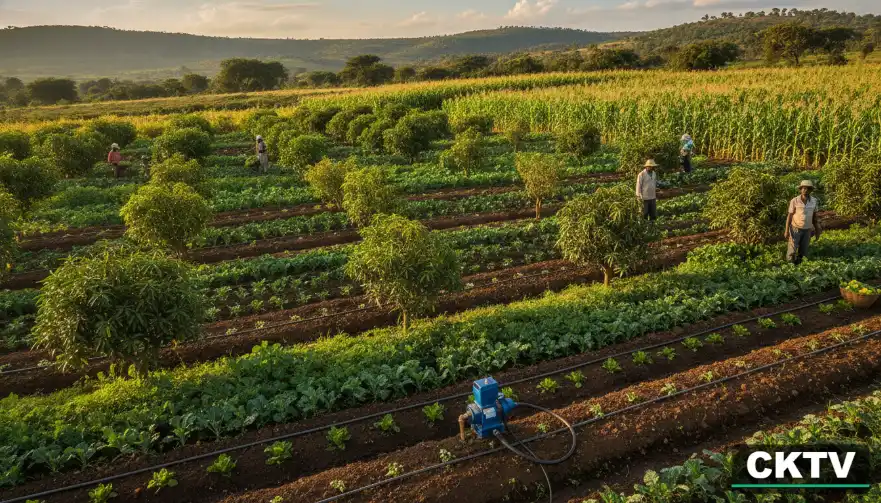
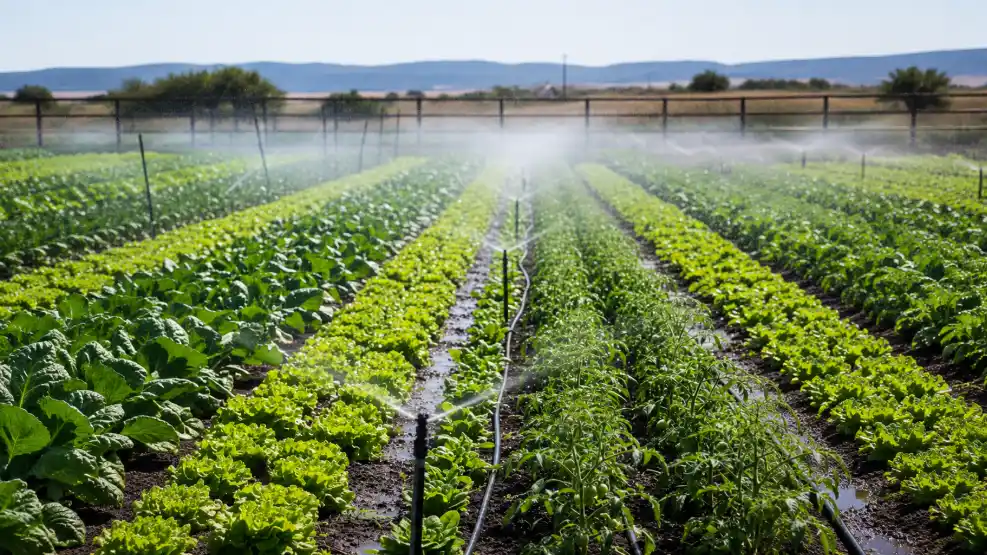
Water is one of the biggest challenges facing modern agriculture, especially in regions that experience irregular rainfall and prolonged dry seasons. Sustainable farming replaces inefficient flood irrigation with water-saving technologies such as drip irrigation, which delivers water directly to plant roots where it is needed most. A basic drip irrigation kit for a quarter-acre typically costs between KES 15,000 and KES 25,000. When combined with mulching, drip irrigation can reduce water consumption by up to 60% while improving crop growth and reducing weed pressure.
For farmers looking to modernize their irrigation systems, companies like SunCulture provide complete solar-powered irrigation solutions, including drip irrigation kits, solar water pumps, smart irrigation controllers, and flexible financing options. These systems enable farmers to irrigate their crops without relying on expensive diesel pumps or unreliable electricity, lowering operating costs while ensuring a consistent water supply throughout the growing season.
Rainwater harvesting is another essential water conservation strategy. By constructing farm ponds or installing large storage tanks, farmers can capture rainwater during wet seasons and use it for irrigation during dry periods. In counties such as Kitui, terracing helps slow water runoff, allowing more moisture to infiltrate the soil and reducing erosion on sloping land.
Solar-powered water pumps are also transforming irrigation in Kenya. Unlike fuel-powered pumps that incur ongoing operating costs, solar pumps use free energy from the sun to draw water from boreholes, rivers, dams, or storage tanks. This makes irrigation more affordable, environmentally friendly, and reliable for smallholder and commercial farmers alike. When paired with drip irrigation systems, solar pumps create an efficient, sustainable irrigation solution that increases productivity while conserving valuable water resources.
Read Also: Top 10 Best Maize Seeds in Kenya 2026: Prices, Yields & Highest Profit Varieties
Soil moisture monitoring has also become more accessible. Low-cost sensors can now be linked to a smartphone, sending an SMS to the farmer when the soil is too dry. This ensures that irrigation only happens when necessary, preventing water waste and protecting the roots from the diseases that thrive in overly wet conditions.
Sustainable Crop Production
Sustainable crop production relies on choosing resilient varieties, practicing crop diversification, and using companion planting. These methods naturally manage weeds and diseases, reducing the need for chemical sprays and ensuring a more stable harvest across different weather conditions.
Choosing the right crop variety is half the battle. Sustainable farmers look for seeds that are resistant to local pests and can handle heat stress. In Kenya, many farmers are switching to drought-tolerant maize or indigenous vegetables like Managu and Terere, which are naturally hardier than exotic varieties.
Companion planting is a technique where certain plants are grown together because they help each other. For example, planting marigolds near tomatoes can help repel harmful nematodes in the soil. Similarly, the classic “Three Sisters” method of planting maize, beans, and squash together provides natural shade, support, and nitrogen.
Natural fertilizers, such as seaweed extracts or fermented compost teas, are used to give plants a boost without the salt buildup associated with synthetic fertilizers. These liquid fertilizers can be applied directly to the leaves, allowing the plant to absorb nutrients quickly during critical growth stages like flowering and fruiting.
Sustainable Livestock Farming
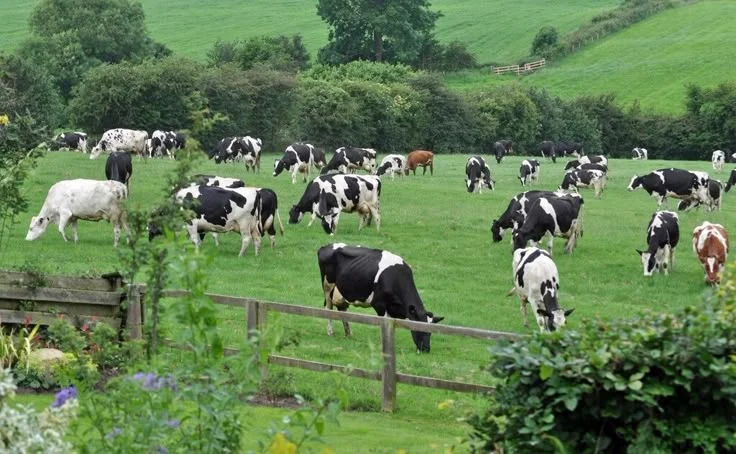
Livestock are an essential part of a sustainable farm because they help recycle nutrients. Rotational grazing is a key practice here. Instead of letting animals wander over a whole field, they are kept in a small area for a short time and then moved. This prevents overgrazing and gives the grass time to recover.
Animal waste management is also crucial. Manure should be collected and composted rather than left in a heap where it can pollute water. By composting the manure, you kill off pathogens and weed seeds, turning what was once a waste product into a high-value fertilizer for your vegetable beds.
Methane reduction is a growing concern in livestock sustainability. By improving the quality of animal feed with protein-rich fodder like Lucerne or Desmodium, farmers can improve digestion. This not only reduces the amount of methane the animals produce but also increases the yield of milk and meat per animal.
Technology Driving Sustainable Agriculture
Technology is making sustainability easier to achieve for commercial farmers. Artificial Intelligence can now analyze satellite imagery to predict pest outbreaks before they happen. Drones are being used to map field health and even release beneficial insects into large crop areas with extreme precision.
IoT sensors are the eyes and ears of a sustainable farm. These small devices monitor soil pH, moisture, and temperature in real-time. This data allows farmers to make informed decisions rather than guessing. When you know exactly how much water a plant needs, you save both money and a precious resource.
Blockchain technology is also playing a role by providing traceability. Modern consumers want to know where their food comes from and how it was grown. By using blockchain, a sustainable farmer can prove that their produce was grown without harmful chemicals, allowing them to access high-end markets that pay a premium.
Benefits of Sustainable Farming
The environmental benefits are clear: cleaner water, healthier soil, and more wildlife. However, the economic benefits are what drive most farmers to switch. By reducing the need for purchased inputs, sustainable farmers can often achieve higher net profits than their conventional neighbors, even if their total yield is slightly lower.
Socially, sustainable farming improves food security by ensuring that land remains productive for decades. It also produces healthier food for consumers, as sustainably grown produce often contains fewer chemical residues and higher levels of essential minerals. This leads to better health outcomes for the community at large.
Climate benefits are also significant. Healthy soils act as a carbon sink, pulling carbon dioxide out of the atmosphere and storing it in the ground. By practicing sustainable farming, farmers are actively helping to fight climate change while also making their own operations more resilient to its effects.
Challenges of Sustainable Farming
Main challenges include high initial labor requirements, the need for specialized knowledge, and a transition period where yields may fluctuate. Overcoming these requires patience, continuous learning, and starting with small pilot plots to master new techniques before scaling up.
Startup costs can be a barrier, especially for technology like solar pumps or drip irrigation. However, many of these costs are one-time investments that pay for themselves through lower operating expenses. Accessing credit for these “green” investments is becoming easier as more banks recognize the value of sustainable systems.
Knowledge is perhaps the biggest challenge. Sustainable farming is more complex than simply following a chemical spraying calendar. It requires a deep understanding of your specific land and its ecology. Farmers must be willing to spend more time observing their fields and learning from their results to be successful.
Labor can also be an issue in the early stages. For example, making large amounts of compost is more physically demanding than buying a bag of fertilizer. However, as the soil health improves, the need for labor often decreases, as the farm becomes more self-managing and natural systems take over much of the work.
Sustainable Farming in Kenya
Kenya is becoming a leader in sustainable agriculture in East Africa. In the Rift Valley, large-scale wheat and maize farmers are increasingly adopting no-till practices to save on fuel and labor. In the central highlands, coffee and tea farmers are using agroforestry to shade their crops and provide extra income from timber.
Dairy farming is also seeing a shift. The “Zero Grazing” model, combined with high-quality fodder production, is helping smallholders increase milk yields without needing more land. By using biogas digesters, these farmers are also turning cow manure into clean cooking gas and high-quality liquid fertilizer for their gardens.
Government support is also growing. Programs through the Ministry of Agriculture are focusing on climate-smart techniques and providing training to extension officers. Organizations like KALRO are developing new seed varieties that are specifically designed to thrive in the low-input environments of sustainable farms.
How to Transition to Sustainable Farming Successfully
The first step is to evaluate your current farm. Do a thorough soil test and map out your water sources. Set clear sustainability goals, such as reducing fertilizer use by 20% in the first year. Start small by dedicating just one or two acres to sustainable practices so you can learn without risking your entire income.
Read Also: 15 Most Profitable Agribusiness Ideas in Kenya to Start in 2026
Focus on soil health first. Start making your own compost and apply it to your pilot plot. Introduce cover crops to keep the soil protected during the off-season. Gradually reduce your chemical inputs as the soil biology begins to recover. It is important to do this slowly to avoid a sudden “crash” in your yields.
Keep detailed records of everything you do and the results you see. This data will help you understand what works on your specific land and what doesn’t. Join a local farmers’ group or attend training sessions to stay updated on the latest sustainable techniques. The transition is a journey of continuous improvement.
Common Myths About Sustainable Farming
One common myth is that sustainable farming produces lower yields. While there can be a slight dip during the transition as the soil recovers, long-term yields are often more stable and sometimes even higher than conventional yields, especially during years with poor rainfall or pest outbreaks.
Another myth is that it is only for small-scale farms. In reality, some of the largest farms in the world are now using sustainable practices like precision agriculture and cover cropping to manage thousands of acres profitably. Sustainability is about efficiency, which is important regardless of the size of the farm.
Some people also believe that sustainable farming is too expensive. While some equipment has a high upfront cost, the reduction in daily expenses for chemicals and water usually leads to better financial health. In the long run, sustainable farming is almost always the more affordable option for a commercial business.
The Future of Sustainable Farming
The future of agriculture is digital and biological. We will see more use of artificial intelligence to manage complex farm ecosystems and a move toward “carbon farming,” where farmers are paid for the carbon they store in their soil. Vertical farming and hydroponics will also play a larger role in feeding urban populations.
Renewable energy will become the standard on farms. Solar and wind power will run irrigation pumps, lighting, and processing equipment, making farms truly energy-independent. This shift will not only help the environment but also protect farmers from the rising costs of electricity and fossil fuels.
Ultimately, sustainable farming is about ensuring that agriculture remains a productive and honorable profession for the next generation. By adopting these practices today, we are protecting the resources that our children and grandchildren will need to feed themselves and thrive in a changing world.
Conclusion
Sustainable farming is no longer just an environmental ideal. It is a practical, profitable, and resilient approach to modern agriculture. As climate change, rising input costs, and declining soil fertility continue to challenge farmers worldwide, adopting sustainable farming practices has become one of the smartest long-term investments for both smallholder and commercial producers.
By improving soil health, conserving water, promoting biodiversity, integrating livestock, and embracing technologies such as precision agriculture, farmers can reduce production costs, stabilize yields, and build stronger, more profitable farming businesses. Sustainable farming systems also help protect natural resources, ensuring that future generations can continue producing healthy food without exhausting the land.
The transition does not have to happen overnight. Start with simple changes such as composting, crop rotation, mulching, or installing a drip irrigation system. As your soil becomes healthier and your farm more efficient, you can gradually adopt additional sustainable farming methods that suit your climate, budget, and production goals.
Ultimately, the future of agriculture belongs to farmers who focus on long-term productivity rather than short-term gains. Every step toward sustainability strengthens your farm against drought, market volatility, pests, and changing weather patterns while creating new opportunities to access premium markets and improve profitability.
Whether you manage a small family farm or a large commercial operation, embracing sustainable farming practices is one of the most valuable decisions you can make for your land, your livelihood, and the future of agriculture. Continue learning, implement one improvement at a time, and build a farming system that remains productive, profitable, and environmentally responsible for generations to come.
Frequently Asked Questions (FAQ)
What Is Sustainable Farming and Why Is It Important?
It is a way of farming that protects the environment, is profitable, and supports people. It is vital because it ensures we can grow food without destroying the natural resources we need.
What Are the Best Sustainable Farming Practices for Modern Agriculture?
The best practices include conservation tillage, crop rotation, and integrated pest management. These methods focus on building soil health and reducing the need for expensive chemical inputs.
What Are the Most Effective Sustainable Farming Methods?
Regenerative agriculture and agroforestry are highly effective. They focus on restoring the ecosystem and creating multiple income streams for the farmer through trees and various crop types.
What Is the Difference Between Sustainable Farming and Organic Farming?
Organic farming strictly bans synthetic chemicals. Sustainable farming is a broader goal that focuses on long-term viability and allows for minimal chemical use if it helps the overall system.
What Are the 7 Core Practices of Sustainable Agriculture?
They include soil health management, water conservation, crop diversity, natural pest control, agroforestry, livestock integration, and the use of renewable energy across the farm.
What Are the 7 Principles of Sustainability in Agriculture?
Profitability, environmental stewardship, social equity, resource efficiency, biodiversity, climate resilience, and food safety are the seven guiding principles for a sustainable operation.
What Are the Main Types of Sustainable Farming Systems?
Common systems are integrated crop-livestock farming, agroecology, permaculture, and climate-smart agriculture. Each system organizes farming methods into a productive, self-sustaining loop.
What Are 5 Examples of Sustainable Agriculture Practices?
Drip irrigation, composting, planting windbreaks, using predatory insects to fight pests, and rotating maize with nitrogen-fixing beans are five excellent examples for any modern farm.
How Can Farmers Transition to Sustainable Farming Successfully?
Start by testing your soil and starting a small pilot plot. Introduce composting and cover crops slowly, and gradually reduce chemical use as your soil’s natural health and biology improve.
What Is the Future of Sustainable Farming and Sustainable Agriculture?
The future is a mix of high-tech sensors and biological wisdom. Farmers will use AI to optimize their resources while earning extra income from carbon credits and premium clean-food markets.