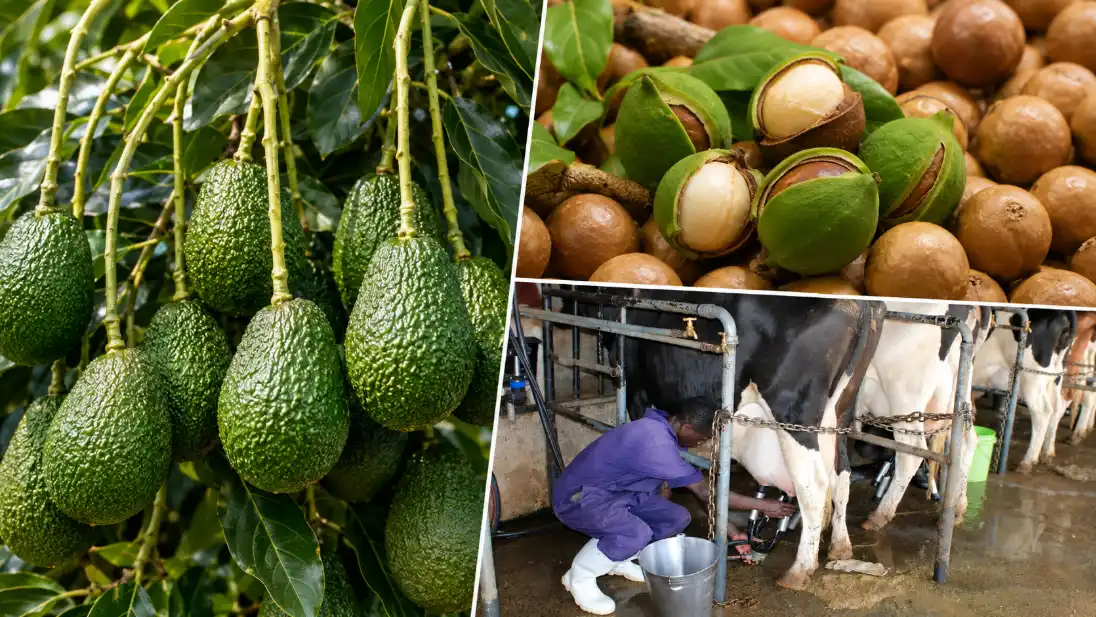

- Top Financial Performer: Hass Avocado continues to dominate the export sector with the highest profit-per-acre potential, especially as new trade routes to China and India stabilize by 2026.
- Most Stable Cash Flow: Intensive Dairy farming is the premier choice for consistent daily income, provided the farmer controls feed costs through on-farm silage production and high-yield genetics.
- Best Long-Term Asset: Macadamia nut farming represents a resilient wealth hedge that requires minimal daily labor once established, benefiting from a global recovery in nut prices and local value-addition factories.
Table of Contents
Choosing between avocado, macadamia, and dairy farming in 2026 requires more than just a passing interest in agriculture. It demands a sophisticated understanding of how global trade shifts, climate changes, and local production costs interact. The Kenyan agricultural landscape has matured into a space where only professionalized, data-driven farming survives the rigors of the international market. This guide provides a strategic deep dive into these three sectors to help you determine where your capital should be deployed for maximum growth.
As we approach 2026, the focus has shifted from mere volume to high-value traceability and sustainability. European and Asian buyers are no longer just looking for “Kenyan produce.” They are looking for certified, ethically grown, and chemically compliant products that meet strict global safety standards. For the Kenyan investor, this means the era of “peasant farming” is over, and the era of the “agri-preneur” has officially arrived.
The decision to invest in any of these three ventures must be based on your land size, available water, and your appetite for risk. While avocado and macadamia offer lucrative lump-sum payments, dairy provides the liquidity needed to keep a farm running day-to-day. This article explores these dynamics in detail, providing you with a 2026 roadmap to success in Kenya’s booming export-oriented agribusiness sector.
The 2026 Reality: Why Export Farming Is Different Today
Export farming in 2026 is governed by the EU Deforestation Regulation (EUDR) and digital traceability. Success now requires farmers to map their farms via GPS, maintain digital input records, and adhere to strict sanitary standards that were optional just five years ago. Technology and compliance are now as important as the soil itself.
Read Also: Hass Avocado Seedlings in Kenya 2026: Trusted Nurseries, Prices and Spacing Guide
The Kenyan government has pivoted its focus toward high-value agriculture through initiatives like the National Agricultural Value Chain Development Project (NAVCDP). This project has digitized millions of farmers, making it easier to track produce from the farm gate to the shipping container. In 2026, if your farm is not registered in these digital databases, accessing the most lucrative export markets will be nearly impossible.
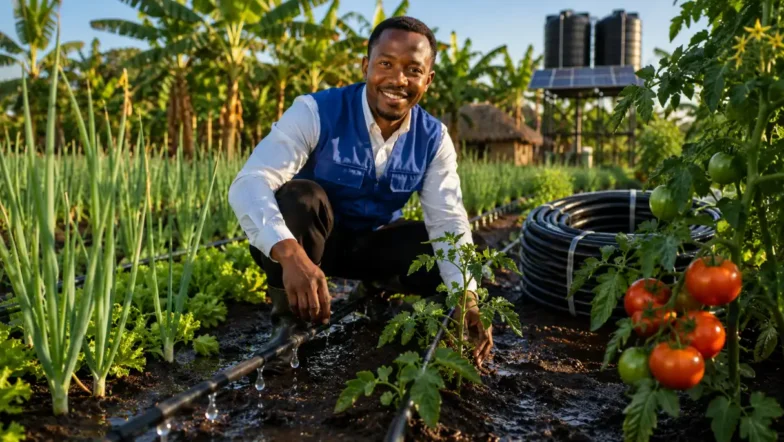
Climate change is no longer a distant threat but a daily operational reality for Kenyan farmers. Unpredictable rainfall patterns have made irrigation a mandatory requirement rather than a luxury. Farmers in 2026 are increasingly adopting solar-powered drip systems and water pans to ensure consistency in fruit size and milk production. Without a reliable water source, your agribusiness venture will likely fail before it even begins.
Furthermore, the global demand for “healthy fats” and “organic proteins” continues to rise. Avocados and macadamia nuts are central to the global wellness trend, while high-quality dairy products are in high demand across the East African Community (EAC). By positioning your farm to meet these specific nutritional demands, you are tapping into a market that is far more resilient than traditional cash crops like tea or coffee.
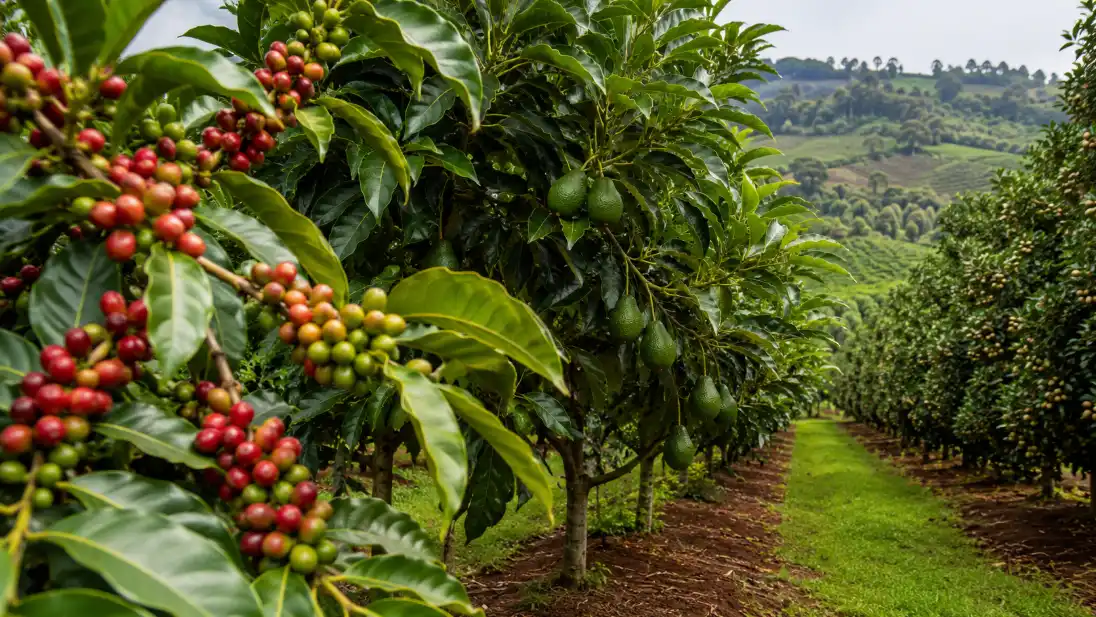
What Makes an Agribusiness Export-Ready?
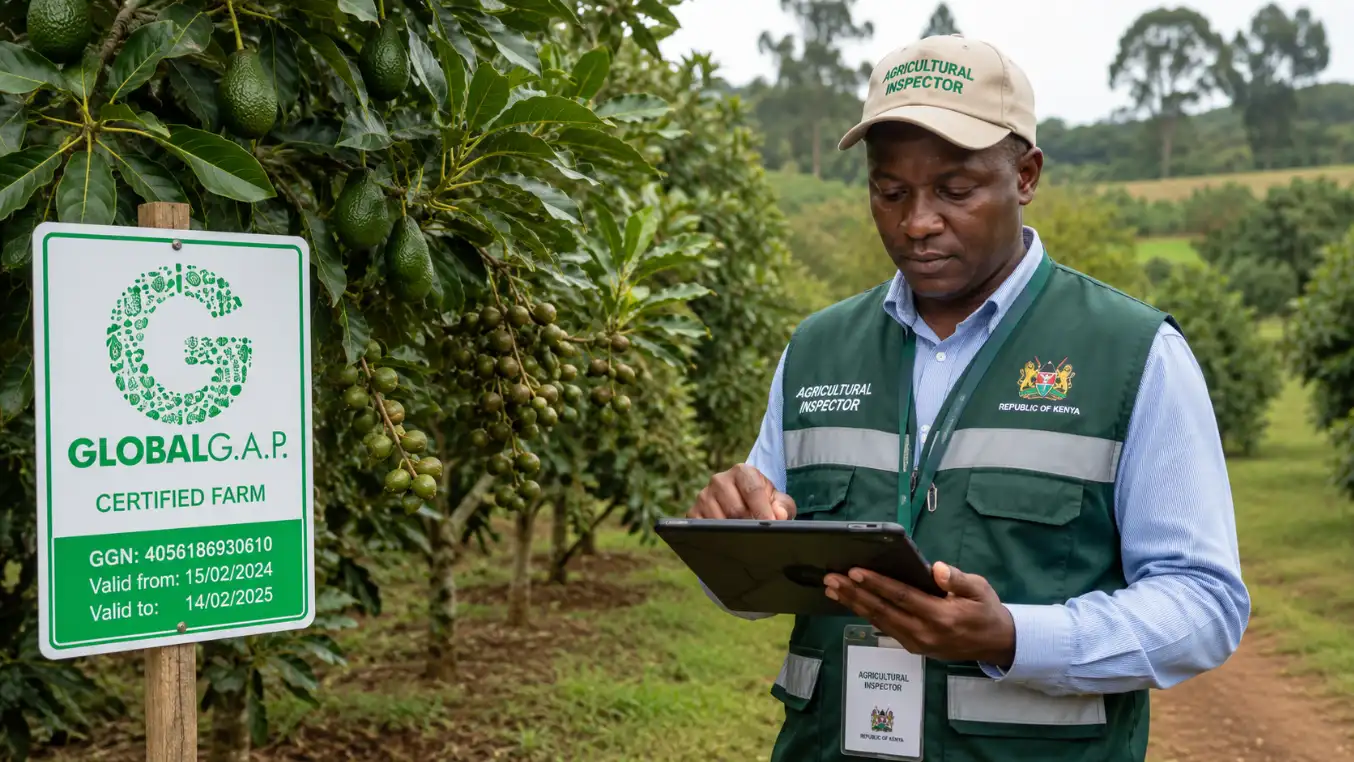
An export-ready venture must possess a GLOBALG.A.P. certification, a KEPHIS phytosanitary certificate, and a contract with a licensed aggregator or processor. It also requires the infrastructure to maintain a cold chain for perishables or high-standard drying facilities for nuts to prevent aflatoxin contamination.
Quality standards are the gatekeepers of international trade. For avocado and macadamia, this starts with the dry matter content and moisture levels respectively. In 2026, exporters use portable scanners to check fruit maturity in the field. If your avocados do not meet the 23 percent dry matter threshold, they will be rejected at the packhouse, forcing you to sell at a loss in the local market.
Traceability is the second pillar of export readiness. Buyers in the Middle East and Europe want to know exactly what fertilizers and pesticides were used on your crop. Modern Kenyan farmers use mobile apps to log every activity on the farm. This data is then shared with exporters to prove that the produce is safe for consumption and was grown without violating environmental regulations.
Read Also: Top 5 Profitable Dairy Cow Breeds for Successful Farming in Kenya (2026 Guide)
Proper harvesting and post-harvest handling are where many farmers lose their “export-ready” status. Bruising during transport or delays in cooling can ruin an entire harvest. In 2026, successful farmers invest in specialized crates and small-scale cold storage units. They also ensure that their farm is accessible by all-weather roads so that collection trucks can reach the produce within hours of harvest.
Quick Comparison: Avocado vs. Macadamia vs. Dairy
To help you decide which path to take, it is essential to compare the physical and financial requirements of each venture. The table below outlines the key metrics for a one-acre unit for crops and a five-cow unit for dairy farming in the 2026 economic environment.
| Metric | Hass Avocado (1 Acre) | Macadamia (1 Acre) | Intensive Dairy (5 Cows) |
|---|---|---|---|
| Startup Capital | KES 180,000 – 250,000 | KES 200,000 – 300,000 | KES 950,000 – 1,400,000 |
| Time to First Income | 3 Years | 5 to 7 Years | Immediate (Daily) |
| Labour Intensity | Moderate | Low | Very High |
| Water Needs | Medium (Irrigated) | Moderate | High |
| Management Skill | Intermediate | Intermediate | Professional / Expert |
| Export Destination | China, EU, Middle East | USA, Asia, Europe | EAC, COMESA (Processed) |
This comparison highlights the fundamental trade-off in Kenyan agribusiness: capital versus time. Dairy requires the most money upfront and the most work daily but pays back immediately. Macadamia is a “slow burn” that builds long-term wealth with minimal effort. Avocado sits in the middle, offering a balanced approach that has made it the most popular choice for the Kenyan middle class.
Hass Avocado Farming: The Leader of the Pack
Hass avocado is Kenya’s top fruit export because of its long shelf life and high oil content. By 2026, the focus has shifted to high-density planting (HDP) which allows for 250 to 300 trees per acre, significantly increasing the yield compared to traditional spacing methods.
The best growing regions for Hass avocados are those with altitudes between 1,000m and 2,000m above sea level. This includes counties like Murang’a, Kiambu, Meru, and parts of the North Rift like Uasin Gishu. These areas provide the perfect cool-to-warm climate that allows the fruit to develop its signature nutty flavor and high oil percentage, which are the primary markers of quality for export.
Soil and water are the two most critical factors in orchard establishment. Avocados hate “wet feet,” so well-drained volcanic soils are essential. In 2026, smart farmers are using soil sensors to automate their irrigation systems. This ensures the trees get exactly the amount of water they need during the critical flowering and fruit-set stages, preventing fruit drop and ensuring uniform sizing.
Orchard Establishment and Fertilizer Program
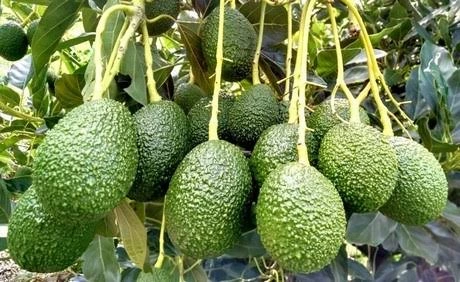
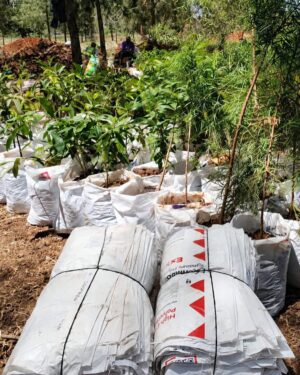
A professional avocado orchard starts with high-quality grafted seedlings from KALRO-certified nurseries. In 2026, it is common to use a spacing of 4 meters by 3 meters for high-density orchards. This requires intensive pruning to manage the canopy and ensure sunlight reaches all parts of the tree, which is vital for fruit quality and pest management.
The fertilizer program must be based on regular soil and leaf analysis. Below is a standard guideline used by top-tier Kenyan avocado exporters to maintain tree health and maximize yields in mature orchards.
| Stage | Fertilizer Type | Application Rate | Purpose |
|---|---|---|---|
| Post-Harvest | NPK 23:23:0 | 1.5 kg per tree | Vegetative recovery |
| Pre-Flowering | Boron + Zinc Foliar | As per label | Enhanced fruit set |
| Fruit Growth | CAN + Potassium | 1.0 kg per tree | Fruit sizing and weight |
| Maintenance | Organic Manure | 20 kg per tree | Soil structure and microbes |
Pest and disease management in 2026 is heavily reliant on Integrated Pest Management (IPM). Farmers use pheromone traps for Fruit Fly and False Codling Moth (FCM) instead of heavy chemical sprays. This not only lowers production costs but also ensures that the final product is free from chemical residues, making it easier to pass the stringent “MRL” (Maximum Residue Limit) tests required by EU buyers.
Macadamia Farming: The Long-Term Investment
Macadamia farming is the best agribusiness for those seeking a “passive” income stream in the long run. With the lifting of the raw nut export ban and the emergence of local oil extraction plants, macadamia prices in 2026 have stabilized at profitable levels for farmers who focus on nut-in-shell (NIS) quality.
Macadamia trees are remarkably resilient once they reach maturity. They can survive periods of drought that would kill an avocado tree, making them an excellent choice for areas with less reliable irrigation. However, the first three years are crucial. Young trees must be protected from wind and provided with consistent moisture to develop a strong root system that will support four decades of production.
Read Also: Is Macadamia Farming Profitable? Everything You Need to Know in 2026
Suitable counties for macadamia include Embu, Kirinyaga, Tharaka Nithi, and parts of Bungoma. These regions offer the acidic-to-neutral soils that macadamias prefer. In 2026, the focus is on two main varieties: MRG-20 and KMB-3. These varieties are favored by processors because of their high kernel recovery rate (KRR) and resistance to common pests like the nut borer.
Processing and Export Standards
The biggest challenge in macadamia farming is the long wait for the first harvest, which usually takes 5 to 7 years. To manage this, many Kenyan farmers intercrop macadamias with beans or vegetables during the early years. This provides a short-term income while the trees mature. By 2026, some farmers are also using macadamia orchards as sites for honey production, as the flowers are a favorite of bees.
Export standards for macadamia are strict regarding moisture content and aflatoxins. After harvesting the nuts as they fall naturally from the tree, they must be de-husked within 24 hours. They are then placed in drying racks where the moisture is reduced to about 10 percent before being sold to the factory. Farmers who invest in their own solar dryers receive a significantly higher price than those who sell “wet” nuts to middlemen.
The profitability of macadamia is tied to the global “confectionery and snack” market. As China and India develop a taste for these premium nuts, the demand is expected to outstrip supply by late 2026. This makes macadamia a solid “pension plan” for farmers who have the patience to wait for the trees to reach their peak production years.
Intensive Dairy Farming: Consistent Cash Flow
Intensive dairy farming in 2026 is about “precision feeding” and “genetic superiority.” By using sexed semen and Total Mixed Ration (TMR) feeding systems, smallholders can achieve yields of 30 to 40 liters per cow per day, turning milk into a reliable daily salary.
The dairy sector in Kenya has moved away from the “grazing” model to the “zero-grazing” or “semi-zero-grazing” model. This is driven by land fragmentation and the need for higher efficiency. In 2026, the most successful dairy farms are those that treat their cows like elite athletes, providing them with a comfortable environment, clean water, and a perfectly balanced diet of proteins, carbohydrates, and minerals.
Breeds like the Holstein-Friesian remain the favorites for pure volume, while Jersey and Guernsey cows are preferred by those looking to produce high-fat milk for specialized products like cheese and butter. In 2026, the use of genomic testing has become more affordable, allowing farmers to identify the most productive calves early and cull those that will not be profitable.
Feeding Programs and Value Addition
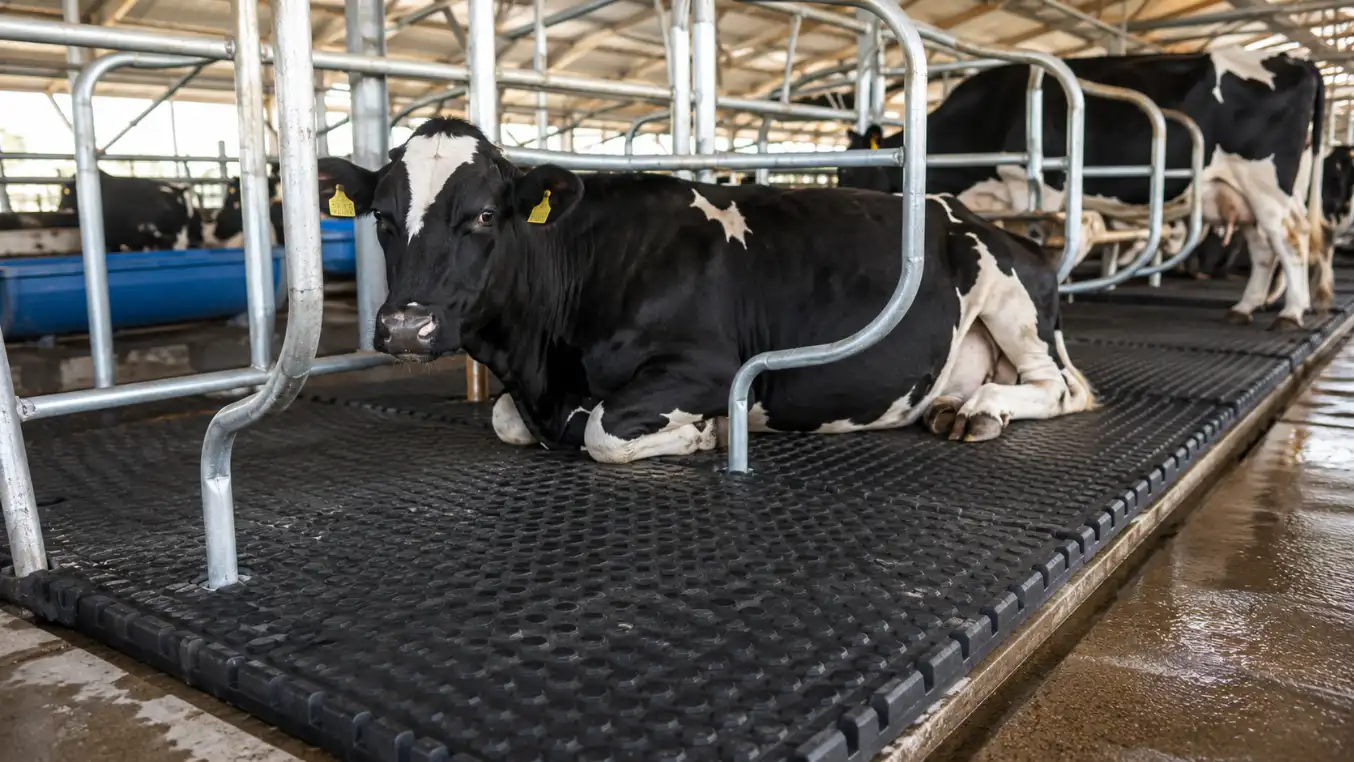
Feeding is the single largest cost in dairy farming, often taking up 70 percent of the total budget. Successful farmers in 2026 are no longer buying expensive commercial concentrates as their primary feed. Instead, they grow their own Boma Rhodes, Lucerne, and Yellow Maize for silage. They then use a TMR mixer to create a consistent feed that ensures the cow’s rumen stays healthy and milk production stays high.
Water is often the “forgotten nutrient” in dairy farming. A high-yielding cow in 2026 can drink up to 100 liters of water a day. If the water is dirty or limited, milk production will drop immediately. Modern dairy units are designed with automatic waterers that provide fresh, clean water 24 hours a day, which is essential for maintaining health and productivity.
| Feed Component | Percentage of Diet | Function |
|---|---|---|
| Silage (Maize/Sorghum) | 50% | Energy and bulk |
| Lucerne / Desmodium | 25% | Protein for milk synthesis |
| Dairy Meal / Brans | 20% | Concentrated energy/minerals |
| Mineral Salts / Premix | 5% | Bone health and fertility |
Value addition is the final frontier for dairy profitability. Rather than selling raw milk to cooperatives for KES 50 per liter, farmers in 2026 are forming small groups to process their own yogurt, mala, and ghee. These products have a longer shelf life and can be sold at a 50 to 100 percent markup, especially in urban markets like Nairobi and Mombasa where demand for “farm-fresh” processed dairy is skyrocketing.
Profitability Comparison: Five and Ten Year ROI
When comparing these ventures, it is vital to look at the long-term return on investment (ROI). Agriculture is not a get-rich-quick scheme; it is a business of compounding returns. The table below provides a realistic look at the cumulative net profits for each venture over a ten-year period, assuming standard management and 2026 market prices.
| Venture | Year 3 Profit | Year 5 Profit | Year 10 Profit |
|---|---|---|---|
| Hass Avocado (1 Acre) | KES 50,000 | KES 450,000 | KES 8,500,000 (Cumulative) |
| Macadamia (1 Acre) | KES 0 | KES 120,000 | KES 6,200,000 (Cumulative) |
| Intensive Dairy (5 Cows) | KES 1,200,000 | KES 2,400,000 | KES 7,500,000 (Cumulative) |
The data shows that while dairy starts strong and provides consistent income, avocado eventually overtakes it in terms of total net profit because the operational costs of an orchard are much lower than those of a dairy herd. Macadamia starts the slowest but has the most potential for growth after year 10, as the trees can continue to increase their yield for another 30 years with very little extra capital investment.
For an investor starting in 2026, the “sweet spot” is often a combination of these ventures. For example, using the manure from a dairy unit to fertilize an avocado orchard creates a closed-loop system that reduces fertilizer costs by up to 40 percent. This diversification also protects the farmer from price fluctuations in any single commodity, ensuring a stable financial future.
Export Market Opportunities and Buyer Expectations
The export market in 2026 is no longer just about Europe. China and India have become major buyers of Kenyan avocados and macadamias, while the African Continental Free Trade Area (AfCFTA) has opened up new markets for Kenyan dairy products in West and Central Africa.
Middle Eastern markets, particularly Dubai and Qatar, have become high-value destinations for “ready-to-eat” avocados. These buyers pay a premium for fruit that has been ripened in specialized facilities in Kenya and air-freighted directly to their shelves. This requires a level of logistical sophistication that only the most professional farmers and aggregators can achieve in 2026.
The Chinese market for macadamias is shifting from “in-shell” nuts to processed kernels and macadamia oil. This is a huge opportunity for Kenyan processors to add value locally before exporting. As a farmer, your goal is to align yourself with processors who have strong ties to these Asian markets, as they offer more stable prices than the traditional European buyers who are increasingly focused on price competition.
For dairy, the regional market is the primary target. Countries like the DRC and South Sudan have a massive deficit in milk production. In 2026, Kenyan dairy cooperatives are increasingly exporting UHT milk and milk powder to these regions. To benefit from this, your milk must be free from antibiotics and have a low bacterial count, which can only be achieved through strict hygiene at the farm level.
Export Compliance Checklist for 2026
To ensure your produce is not rejected at the port, you must follow a rigorous compliance roadmap. This checklist is based on the 2026 requirements from KEPHIS and the Horticultural Crops Directorate (HCD).
- Farm Mapping: Every export farm must have a GPS-mapped boundary registered with the HCD to comply with deforestation regulations.
- Water Analysis: Annual testing of irrigation water to ensure it is free from heavy metals and pathogens like E. coli.
- Input Logs: A digital or physical book recording every fertilizer, pesticide, and herbicide application, including the batch number and date.
- Harvest Records: Documentation of harvest dates, quantities, and the names of the individuals who handled the produce.
- Sanitation Facilities: Proper toilets and handwashing stations for workers, located a safe distance from the production areas.
- Waste Management: A clear plan for disposing of chemical containers and organic waste to prevent environmental contamination.
Meeting these requirements can seem overwhelming, but they are the “price of entry” for the world’s most profitable markets. Many exporters now provide agronomists to help their contract farmers meet these standards, as it is in their interest to have a reliable supply of high-quality produce. If you are a smallholder, joining a certified “Producer Group” is the most cost-effective way to achieve compliance.
Value Addition: Increasing Your Profit Margins
Value addition is the key to decoupling your income from volatile commodity prices. In 2026, the most profitable farmers are those who process “reject” avocados into oil, macadamias into nut butter, and milk into high-end probiotics like Greek yogurt.
In the avocado sector, up to 20 percent of your crop may be graded as “Export Reject” due to surface blemishes or small size. In the past, this fruit was sold for pennies in the local market. In 2026, however, numerous small-to-medium factories have emerged that extract crude avocado oil from these rejects. This oil is then sold to the cosmetics and health food industries, ensuring that nothing from the farm goes to waste.
Macadamia value addition is even more lucrative. Roasted and salted macadamias sell for three times the price of raw nuts in the international market. Furthermore, macadamia shells are now being used to produce high-quality charcoal briquettes, providing an additional revenue stream for processors and large-scale farmers who can aggregate the shells.
Read Also: Top 10 Hass Avocado Diseases in Kenya: Causes, Symptoms & Treatment Guide (2026)
Dairy value addition is perhaps the most accessible for the average farmer. Small-scale pasteurizers and yogurt-making machines have become affordable and easy to operate. By branding your own “Farm Fresh” yogurt and selling it to local schools, hospitals, and supermarkets, you can bypass the low prices offered by the large processors and take full control of your financial destiny.
The Biggest Mistakes Farmers Make
Even with the best intentions, many agribusiness ventures fail because of avoidable errors. In 2026, the cost of these mistakes is higher than ever due to increased input prices and stricter market standards. One of the most common errors is buying “cheap” seedlings or livestock. A cow that produces 10 liters of milk costs just as much to feed as one that produces 30 liters, but it will never be profitable.
Ignoring soil health is another recipe for disaster. Applying the same “general” fertilizer year after year leads to soil acidification and nutrient lock-out. By 2026, a soil test (costing around KES 2,500) is a mandatory investment. It tells you exactly what your soil is missing, allowing you to buy only the nutrients you need, which saves money and increases yields.
Finally, many farmers fail because they do not have a marketing plan before they plant. They wait until the fruit is ripe or the milk is in the bucket to look for a buyer. In the fast-paced world of 2026 exports, you must have a contract or a relationship with an aggregator months in advance. Agriculture is a business of logistics, and those who fail to plan their “exit” from the farm gate will find themselves at the mercy of predatory middlemen.
Risks & Reality Check
Agribusiness is a high-risk, high-reward venture. In 2026, the primary risks include climate volatility, disease outbreaks like Foot and Mouth Disease (FMD) or Potato Spindle Tuber Viroid (PSTVd) in avocados, and sudden shifts in international trade policy. Mitigation requires insurance and diversification.
Price fluctuations are an inherent part of global trade. In 2023, macadamia prices crashed, leaving many farmers stranded. While prices have recovered in 2026, the lesson remains: never put all your eggs in one basket. Successful Kenyan investors diversify by crop type and by market destination. If you have five acres, consider planting three in avocado and two in macadamia, while keeping a few dairy cows for daily cash.
Labor is also becoming a significant challenge in rural Kenya. As more young people move to cities, finding reliable farmworkers is getting harder and more expensive. In 2026, savvy farmers are investing in basic mechanization-such as motorized sprayers, brush cutters, and milking machines-to reduce their reliance on manual labor and increase the speed of operations.
Biosecurity is the final pillar of risk management. A single visitor carrying a plant disease on their boots can ruin an entire orchard. In 2026, commercial farms are increasingly fenced and have strict “no entry” policies for unauthorized persons. They also have disinfection footbaths at the entrance to the dairy unit or the orchard to prevent the spread of soil-borne pathogens.
Can You Combine These Ventures?
Integrated farming is the “gold standard” for 2026. Combining dairy with tree crops creates a synergistic relationship that is far more profitable than either venture alone. The dairy cows produce manure, which is the best organic fertilizer for avocado and macadamia trees. The trees, in turn, can provide shade and, in some cases, supplemental fodder through their leaves or byproducts.
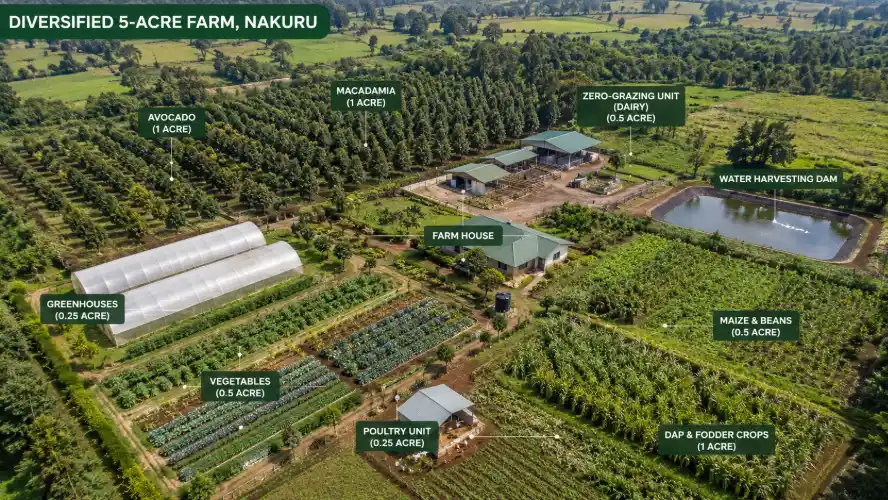
For example, a farmer with three acres can have two acres of avocados and one acre dedicated to fodder production for three high-quality dairy cows. The manure from the cows is composted and returned to the avocado trees, reducing the need for expensive chemical NPK. The income from the milk pays the daily workers and the utility bills, while the annual avocado harvest provides the “bonus” for major investments or savings.
This “circular” approach also makes the farm more resilient to climate change. Organic matter from the manure improves the soil’s water-holding capacity, meaning the trees stay hydrated longer during dry spells. In 2026, this is not just an environmental choice; it is a financial one that separates the most profitable farms from the rest.
Future Outlook for 2026 to 2030
The next five years will see even more technology entering the Kenyan farm. We are already seeing the use of drones for precision spraying and the application of Artificial Intelligence (AI) to predict pest outbreaks before they happen. Farmers who embrace these tools will be able to produce more with fewer resources, giving them a massive competitive advantage in the global market.
Carbon credits are also emerging as a new revenue stream for tree farmers. By 2026, several programs have been launched in Kenya that pay avocado and macadamia farmers for the carbon their trees sequester. While the payments are currently small, they are expected to grow as global companies look for ways to offset their emissions, providing an extra “green” paycheck for the farmer.
Read Also: Top 5 High-Yield 3-Month Crops in Kenya (2026 Profit Guide + ROI Breakdown)
Ultimately, the future of Kenyan agribusiness is bright for those who are willing to learn and adapt. The global population is growing, and the demand for high-quality, nutritious food is not going away. Whether you choose avocado, macadamia, or dairy, the key to success in 2026 is professionalization. Treat your farm like a factory, your soil like a bank account, and your produce like a premium brand.
Final Verdict: Which Venture Fits You?
There is no single “winner” in this comparison; the best venture depends on your goals and resources. If you are looking for high growth and export prestige, Hass Avocado is the undisputed champion. It has the most developed value chain and the highest potential for international scaling.
If you are looking for long-term stability and a retirement plan, Macadamia is your best choice. It requires the least work once established and provides a reliable income for decades. It is the perfect venture for those who live in the city and only visit their farm occasionally.
If you are looking for daily cash flow and an active business, Intensive Dairy is the way to go. It is a demanding venture that requires constant attention, but it provides the liquidity that tree crops cannot. It is best suited for those who live on the farm or have a highly trusted manager on-site.
The most successful strategy in 2026 is to diversify. Start with the venture that fits your current budget and time, and then reinvest the profits into the others. By building a balanced farm that includes both short-term cash flow and long-term assets, you are creating a resilient agribusiness that will thrive well into the 2030s and beyond.
Frequently Asked Questions
Which is the best export-ready agribusiness venture in Kenya for 2026: avocado, macadamia, or dairy?
Hass Avocado is the most accessible for export due to massive demand in China and Europe and a well-developed shipping infrastructure from Kenya.
How much capital do I need to start avocado, macadamia, or dairy farming in Kenya?
Avocado needs KES 200k/acre, Macadamia KES 250k/acre, and a professional 5-cow Dairy unit requires at least KES 950k for housing, cows, and equipment.
Which agribusiness offers the fastest return on investment in Kenya?
Dairy farming offers the fastest ROI with daily income starting immediately, while avocados take 3 years and macadamias take 5 to 7 years to yield.
Can small-scale farmers export avocados, macadamia, or dairy products directly from Kenya?
Direct export is hard for individuals; smallholders usually succeed by joining cooperatives or “Outgrower” schemes with established large-scale exporters.
What are the mandatory requirements for exporting agricultural produce from Kenya in 2026?
You need farm registration with HCD, a KEPHIS phytosanitary certificate, GLOBALG.A.P. compliance, and digital traceability records for all inputs used.
Is GLOBALG.A.P. certification required for Kenyan farmers to access international export markets?
Yes, most high-value markets in Europe and the Middle East require GLOBALG.A.P. to ensure food safety, environmental care, and worker welfare.
How do I obtain a KEPHIS phytosanitary certificate for export crops in Kenya?
Apply via the KEPHIS online portal, pay the fee, and arrange for an inspector to visit your farm to verify the produce is pest-free.
Why is dry matter testing important for Hass avocado exports from Kenya?
Dry matter (min 23%) ensures the fruit is mature. Immature fruit won’t ripen properly, causing quality issues that lead to expensive rejections in Europe.
How can Kenyan farmers meet international traceability and export compliance standards?
By using digital farm management apps to log all activities, mapping farm boundaries via GPS, and maintaining strict records of all fertilizer and pesticide use.
Is it more profitable to specialize in one agribusiness or combine avocado, macadamia, and dairy farming?
Combining is more profitable; dairy manure reduces orchard fertilizer costs by 40%, and the different income cycles provide better financial security year-round.