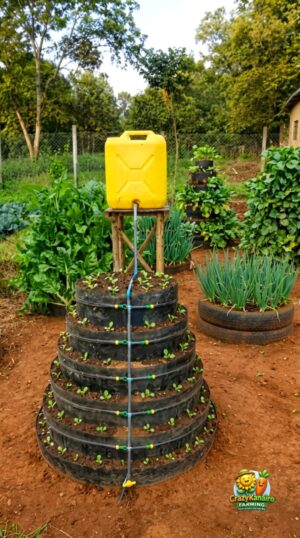
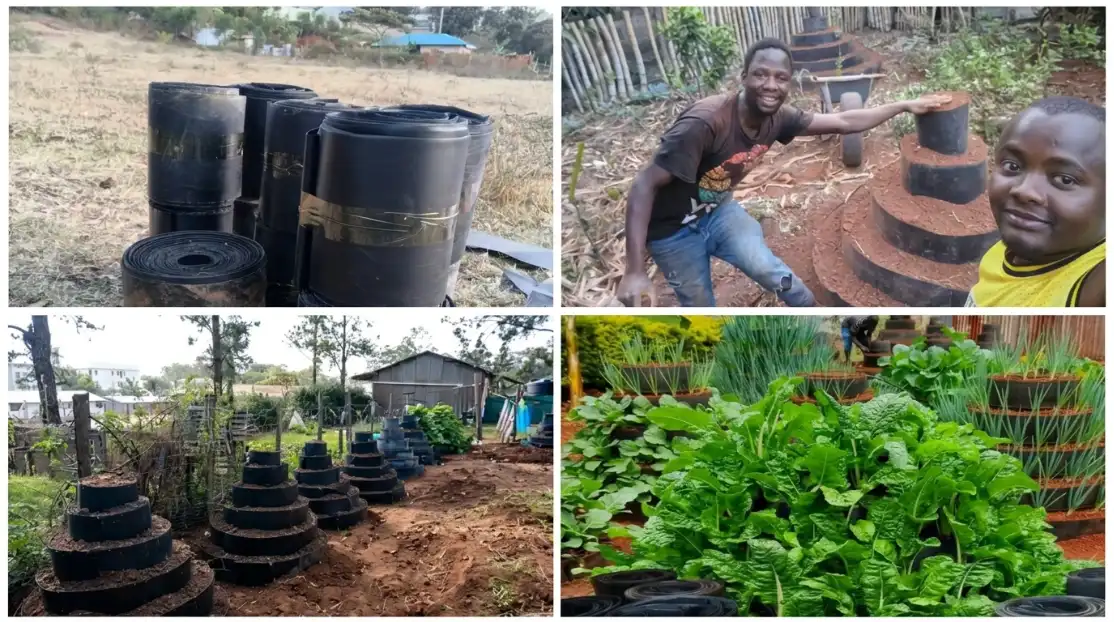

- A single six-layer vertical garden tower costs KSh 1,500 for high-density UV-treated materials, with professional installation labour available at KSh 1,000 per unit across Kenya.
- Each multi-storey tower holds between 85 and 120 plants across a footprint of 1.6 metres diameter, saving up to 80 percent of horizontal ground space.
- Commercial growers operating a 10-tower setup can generate net operating returns of KSh 18,000 to KSh 28,000 every two months by producing leafy greens and herbs for urban markets.
Table of Contents
Urbanization and land fragmentation across Kenyan towns like Nairobi, Eldoret, Nakuru, and Kiambu have made conventional horizontal agriculture increasingly inaccessible for household food production and small-scale commercial farming. Vertical gardening solves space constraints by building upward, allowing urban households, schools, and agribusiness entrepreneurs to cultivate significant quantities of fresh vegetables on small concrete paved yards or limited plots. This detailed practical guide breaks down the precise setup costs, crop choices, management practices, and commercial profit potential for vertical gardening in Kenya in 2027.
What Is Vertical Gardening and How Does It Work?
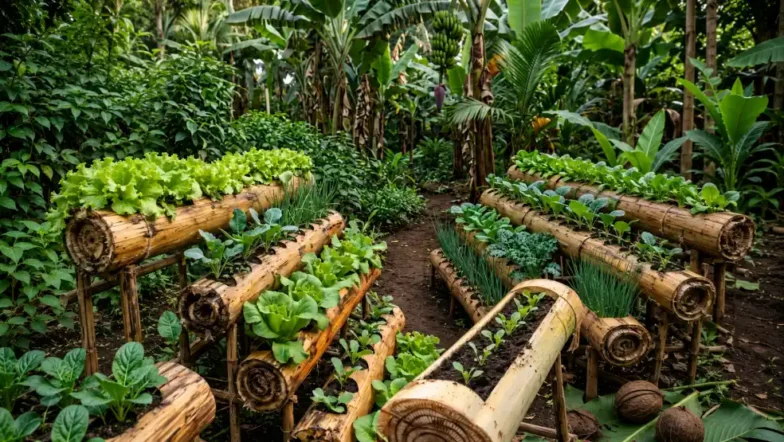
Vertical gardening in Kenya is a spatial farming method where crops grow upward using stacked soil-filled pockets, multi-storey structures, or wall-mounted modules. It maximizes limited urban space, conserves irrigation water through targeted localized drainage, and enables continuous crop production near consumption centers without requiring expansive agricultural land.
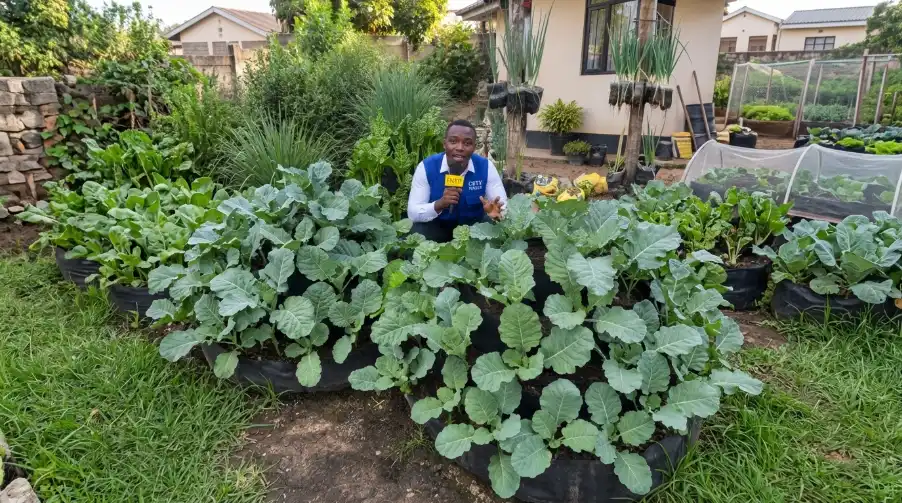
Vertical gardening re-engineers traditional ground planting into three-dimensional growing spaces. Instead of spreading seeds or seedlings across square metres of horizontal farmland, crops are arranged in tiered layers using durable food-grade materials, geotextile fabrics, or UV-stabilized sheet plastics. Soil or nutrient-rich growing media is held within staggered pockets, allowing daylight to strike all growing surfaces evenly.
Read Also: 20 Best Vegetables to Grow in a Kitchen Garden in Kenya 2026: Complete Organic Growing Guide
The core structural design relies on vertical alignment around a central core. Water applied at the top tier moves downward through gravity, moistening successive root zones while preventing excess puddle formation. In Kenyan urban centers, this structural efficiency converts unused outdoor space such as balcony edges, concrete parking bays, courtyard perimeters, and institutional yards into intensive food production points.
It is helpful to distinguish soil-based vertical garden towers from indoor hydroponic setups. While hydroponic systems rely entirely on dissolved chemical nutrient solutions and electrical water pumps, multi-storey soil towers use natural topsoil mixed with organic manure. Soil-based vertical units offer superior thermal stability, lower operational technical risk, and lower initial financial investment for beginner growers across Kenya.
Types of Vertical Gardening Systems Available in Kenya
Kenyan farmers utilize multi-storey garden towers, UV-treated grow bags, low-cost sack gardens, and vertical hydroponic channels. Multi-storey towers provide high stability, holding up to 120 plants per unit, while grow bags offer mobility, and hydroponics suits high-tech indoor urban commercial operations.
Multi-Storey Vertical Garden Towers
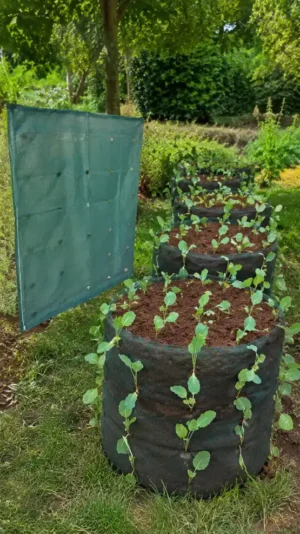
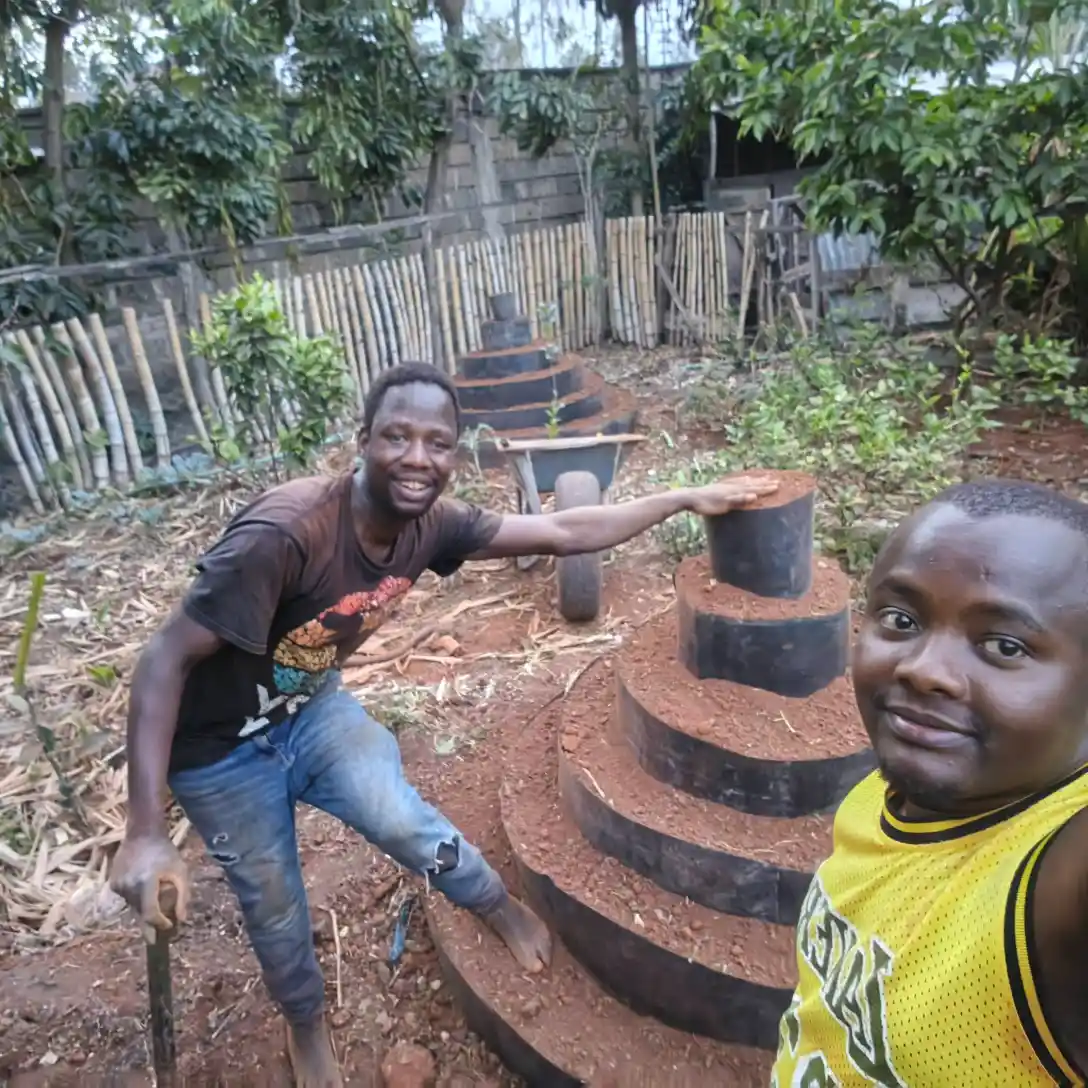
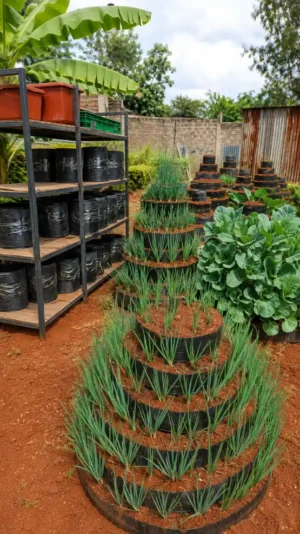
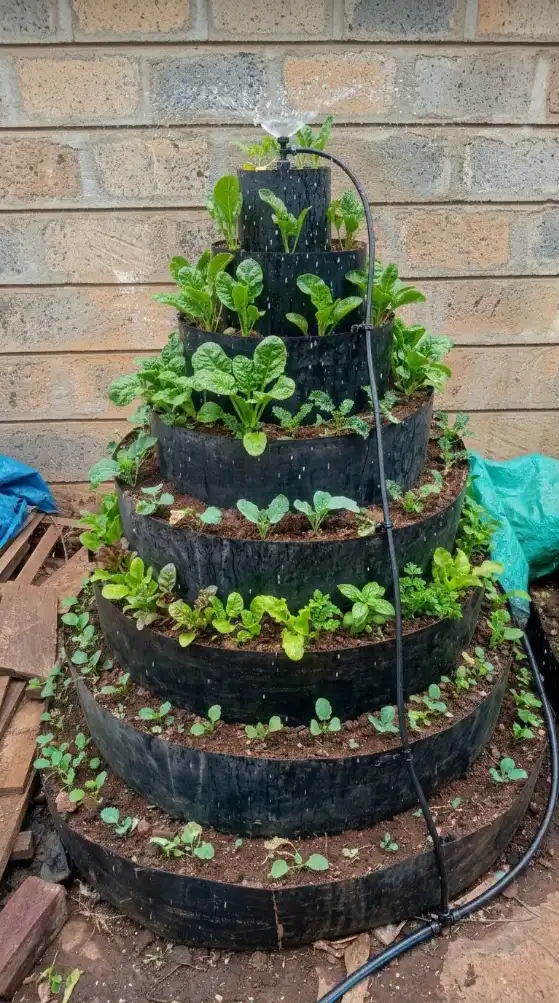
The six-layer multi-storey garden tower represents the most efficient soil-based vertical architecture available in the local market. Manufactured from UV-treated ultra-high-density polyethene sheets, these structures are engineered to withstand prolonged tropical sun exposure without deteriorating or leaching chemicals into the root media.
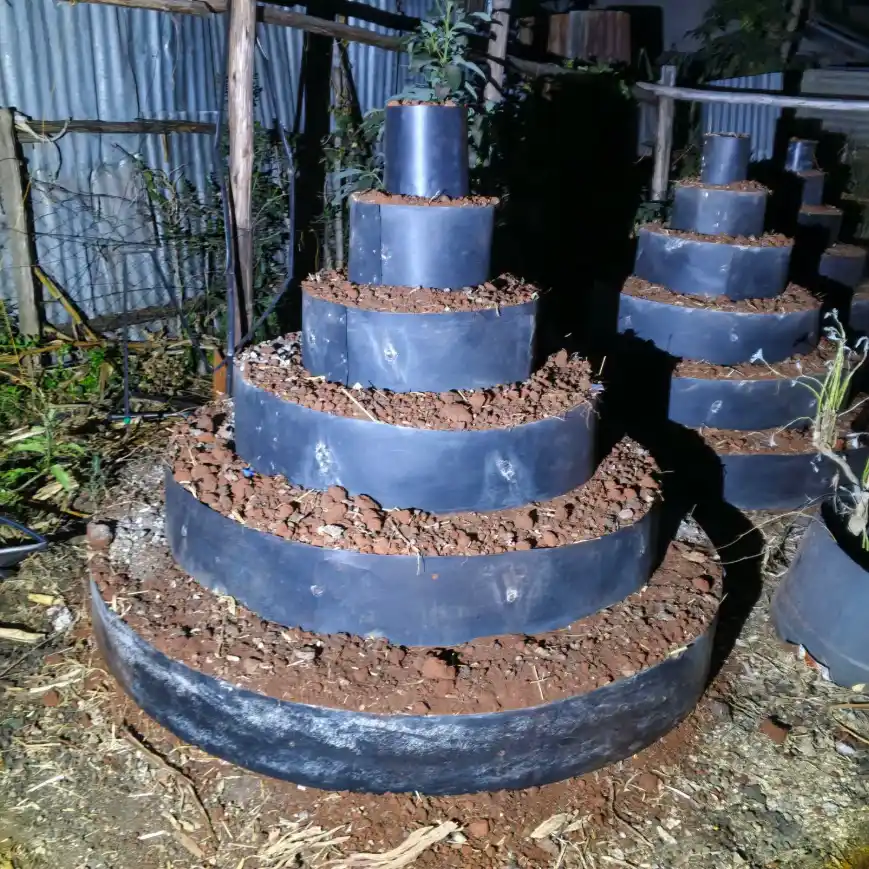
A standard six-layer multi-storey tower built by Crazy Kanairo Farming features these specifications:
- Vertical height: Approximately 1.2 metres from ground level to the top rim.
- Base diameter: Approximately 1.6 metres across the lowest structural ring.
- Capacity: 85 to 120 individual plants depending on crop canopy size and lateral spacing.
- Media volume: Requires approximately 10 wheelbarrows of rich topsoil and 3 wheelbarrows of fully decomposed organic manure.
Detailed product specifications and regional delivery options for these multi-tiered units are accessible on the vertical multi-storey garden system product page.
Grow Bags for Vertical and Small-Space Gardening
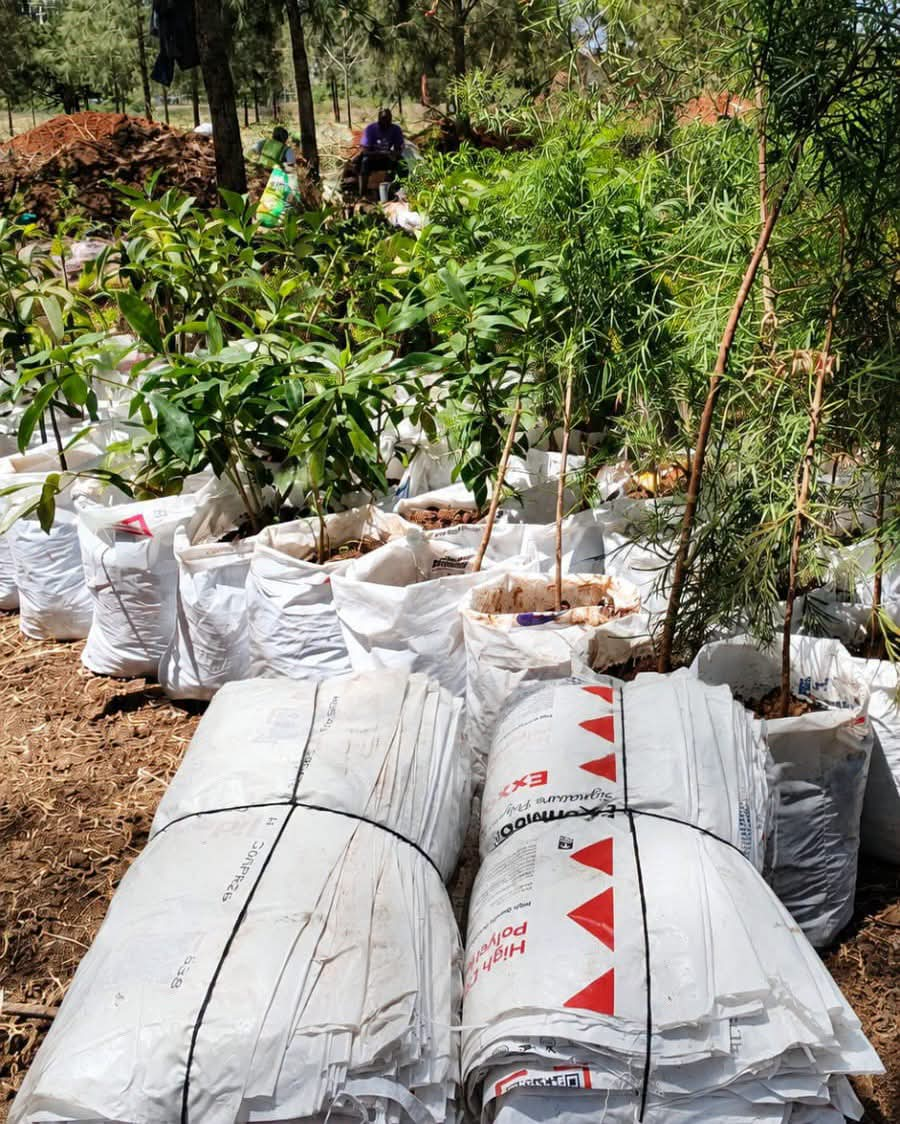
Heavy-duty UV-treated plastic grow bags offer high flexibility for small urban areas. Available in sizes ranging from 5-gallon to 15-gallon capacities, grow bags can be placed on multi-tier wooden or metal display racks to create vertical stepped wall systems. They possess pre-punched drainage holes near the bottom rim to prevent root rot in heavy rainy seasons across regions like Kiambu and Kakamega.
Sack Gardens and Other Low-Cost Systems
Sack gardening utilizes recycled synthetic gunny bags filled with a mix of topsoil, manure, and a central vertical gravel column for drainage. While cheap to establish using locally scavenged materials, traditional gunny sacks degrade rapidly within 4 to 8 months under harsh tropical UV exposure. They lack the structural longevity and neat aesthetic presentation offered by purpose-built multi-storey polyethene towers.
Read Also: 5 Best Space-Saving Grow Bags in Kenya: Types, Prices, Uses & Where to Buy
Hydroponic Vertical Gardening
Vertical hydroponic systems use PVC pipes or specialized A-frame channels to circulate liquid nutrient solutions directly across bare plant roots. Although hydroponics achieves rapid growth rates for delicate greens like butterhead lettuce, setup expenses are higher. Systems require reliable power for water pumps, regular pH testing, and ongoing mineral formulation purchases, making soil-based towers more practical for most home growers.
Benefits of Vertical Gardening in Kenya
Vertical gardening optimizes small spaces, reduces household vegetable expenditure, cuts irrigation water usage by up to 60 percent, minimizes weed pressure, and delivers fresh harvests directly outside the kitchen door, serving both urban residential families and school nutritional programs across Kenya.
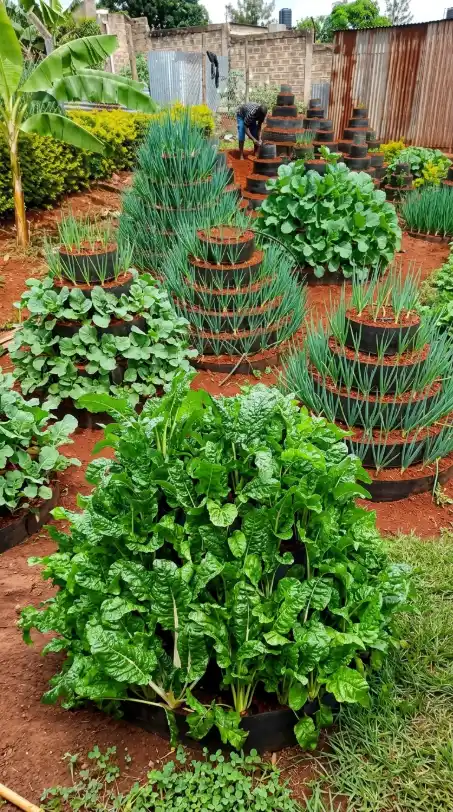
Adopting vertical multi-storey structures delivers distinct agronomic and financial advantages over conventional ground plots:
- Space Optimization: Yields equal to a 10-metre by 10-metre traditional garden plot can be harvested from a small 1.6-metre circular tower space.
- Water Efficiency: The continuous downward movement of moisture ensures water applied at the top hydrates multiple plant layers before escaping, drastically cutting water costs in dry areas like Machakos and Kajiado.
- Pest and Weed Management: Raising crops off the flat soil surface isolates roots from soil-borne nematodes, cuts down on soil splash fungal diseases, and eliminates hours spent hand-weeding standard garden rows.
- Convenience and Accessibility: Harvesting can be conducted while standing comfortably, making management easy for urban workers, elderly family members, and school students.
- Nutritional Independence: Households secure an uninterrupted supply of chemical-free vegetables, buffering family food budgets against food inflation in local markets.
Best Vegetables to Grow in a Vertical Garden in Kenya
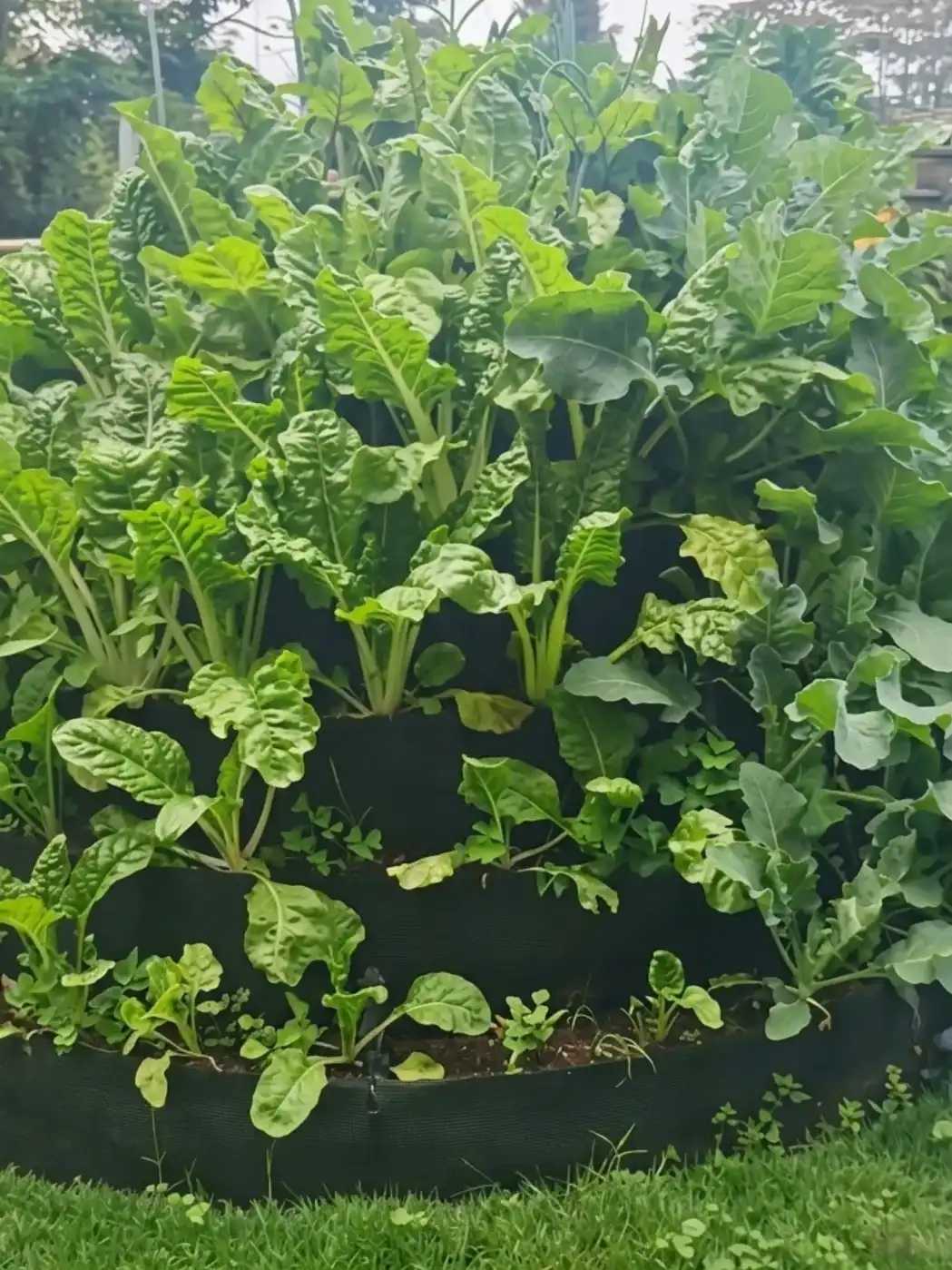
Fast-growing leafy greens and compact herbs perform best in vertical gardens in Kenya. Sukuma wiki, spinach, red and green lettuce, dhania, spring onions, mint, basil, and alpine strawberries thrive in the tiered pocket designs of multi-storey garden towers.
Selecting appropriate crops for specific layers in a multi-storey vertical tower is critical for balancing sunlight distribution and root expansion. Heavy feeding crops with spreading canopies should occupy lower tiers, while light herbs and trailing plants thrive in middle and upper pockets.
| Crop Name | Suitable Tower Position | Time to First Harvest | Expected Harvest Yield | Key Agronomic Considerations |
|---|---|---|---|---|
| Sukuma Wiki (Kale) | Bottom & Middle Layers | 30 – 40 Days | 1.5 – 2.0 kg per plant/season | Requires steady nitrogen input; pick outer leaves regularly to prevent top shading. |
| Spinach (Fordhook Giant) | Bottom & Middle Layers | 35 – 45 Days | 1.8 – 2.5 kg per plant/season | Prefers constant soil moisture; highly responsive to well-decomposed cow or poultry manure. |
| Lettuce (Lollo Rossa / Iceberg) | Middle & Top Layers | 30 – 50 Days | 200 – 350 grams per head | Requires good drainage; shield top layer from intense direct afternoon heat in midland zones. |
| Dhania (Coriander) | Top Layers & Pockets | 25 – 35 Days | Bunch harvest per pocket | Sensitive to transplant shock; best sown directly or transplanted very young into top pockets. |
| Spring Onions | All Layers | 45 – 60 Days | Continuous stem thinning | Requires well-draining soil; low root volume allows dense companion planting. |
| Herbs (Basil, Mint, Parsley) | Top Layer | 30 – 45 Days | Continuous clipping | Thrives in open sunlight; mint should be kept isolated in dedicated pockets to control invasive roots. |
| Strawberries (Chandler) | Middle & Top Layers | 60 – 75 Days | 300 – 600 grams per plant/year | Requires sunlight and potassium-rich organic feeding for fruit sweetness; clear runners regularly. |
Sukuma Wiki (Kale)
Sukuma wiki remains the staple green across Kenyan households. In a vertical tower, varieties such as Kales 1000PM or Collard Southern Yield perform exceptionally well. Planting them in the lower rings gives their thick stems structural stability while allowing the large leaves to expand outward without casting heavy shadows on small companion crops planted higher up.
Spinach
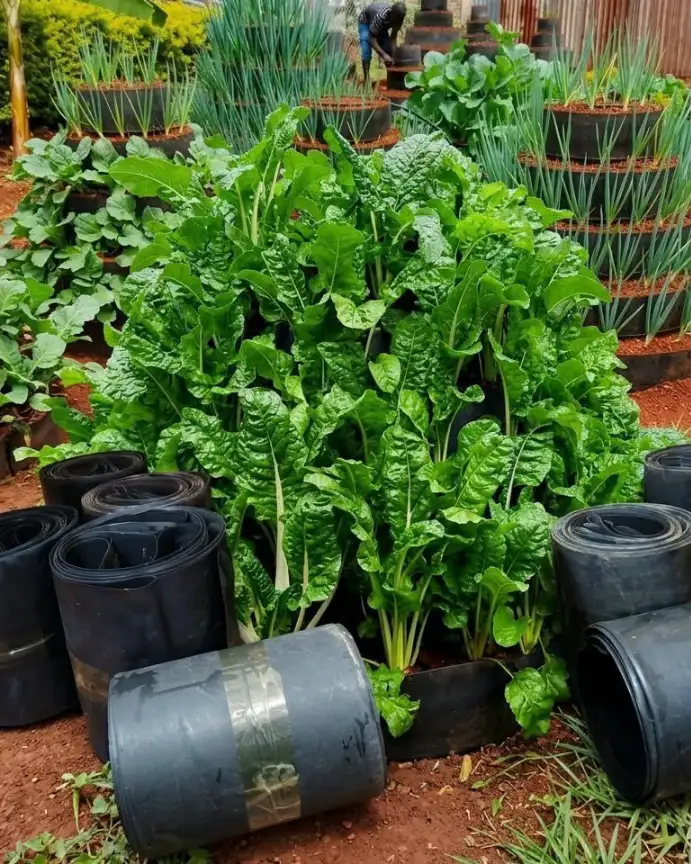
Swiss Chard and Fordhook Giant spinach varieties yield fleshy leaves when grown in vertical pockets. Because spinach has shallow feeder roots, it thrives in soil rich in manure. Keep moisture levels consistent across the lower-middle tower sections to prevent premature bolting and leaf bitterness during warm periods in regions like Nakuru or Mombasa.
Lettuce
Leaf lettuce varieties, including Grand Rapids, Lollo Rossa, and Butterhead, present strong economic value for urban growers selling to local eateries. Their short growth cycle allows rapid turnarounds. Placing lettuce in upper layers ensures excellent airflow, which suppresses grey mold (Botrytis) and fungal spotting.
Dhania (Coriander)
Dhania is an essential culinary herb with consistent market demand across urban green-grocers. It requires shallow soil depth, making it ideal for the small side pockets of multi-storey towers. Avoid overwatering dhania, as saturated roots quickly lead to root rot and yellowing leaves.
Read Also: Organic Fertilizer in Kenya: Complete Guide to Compost, Manure & Vermicomposting (2026)
Spring Onions
Spring onions act as useful pest deterrents when interplanted alongside leafy greens throughout multi-storey structures. Their pungent natural aroma helps repel aphids and thrips. They occupy minimal root space and tolerate variable soil moisture better than soft leafy crops.
Herbs Such as Basil, Mint and Parsley
High-value herbs thrive in upper tower pockets exposed to uninterrupted sunlight. Sweet basil, curled parsley, and peppermint yield high returns per square foot. Mint roots expand rapidly, so dedicate specific isolated pockets to prevent root competition with neighbouring crops.
Strawberries and Other Suitable Crops
Cultivating Chandler or Sweet Charlie strawberry splits in vertical towers keeps developing berries clean and suspended away from damp soil. Hanging fruit escapes earthworm damage and soil rot. Strawberries require full sun exposure on top layers along with ash or wood-potash soil additions to spur sweetness.
How Much Does Vertical Gardening Cost in Kenya in 2027?
Setting up a standard multi-storey vertical garden tower in Kenya costs KSh 1,500 for materials and KSh 1,000 for assembly labour. Total setup expenses per unit, including 10 wheelbarrows of soil, 3 wheelbarrows of manure, and quality seedlings, range between KSh 3,200 and KSh 4,000.
Evaluating setup costs for vertical gardening requires factoring structural materials, substrate delivery, seedling procurement, and site preparation. Below is a transparent breakdown of component costs across single-unit and multi-unit installation configurations in 2026/2027 KES prices.
Cost of Setting Up One Vertical Garden Tower
| Expense Category | Description & Quantities | Estimated Cost (KSh) |
|---|---|---|
| Tower Material | 1 x Six-Layer Multi-Storey UV-treated polyethene structure | 1,500 |
| Installation Labour | Professional assembly, base leveling, and filling service | 1,000 |
| Topsoil Media | 10 wheelbarrows rich red loam soil (Sourced locally or delivered) | 1500 – 3000 |
| Organic Manure | 3 wheelbarrows fully decomposed cow/poultry manure | 500 – 800 |
| Vegetable Seedlings | 85 to 100 healthy nursery splits (Sukuma, Spinach, Lettuce) | 300 – 500 |
| Basic Accessories | 15-Litre watering can or basic hose connector fittings | 400 – 600 |
Cost of Setting Up Five Vertical Garden Towers
For a small backyard kitchen garden or small school demonstration plot containing 5 multi-storey towers, material efficiencies reduce transport costs per unit:
- 5 x Tower Materials (Crazy Kanairo Farming): KSh 7,500
- 5 x Installation Labour: KSh 5,000
- Soil & Manure Supply (1 Pickup truck load delivered): KSh 4,500 – 6,000
- Seedlings (450 to 500 quality plug plants): KSh 1,500 – 2,000
- Transport (Nairobi Metro area allocation): KSh 1,500 – 2,500
- Total Estimated Investment (5 Towers): KSh 20,000 – 23,000
Cost of Setting Up Ten Vertical Garden Towers
Setting up a small commercial production cluster with 10 multi-storey towers allows urban commercial growers to access bulk input rates:
- 10 x Tower Materials: KSh 15,000
- 10 x Installation Labour: KSh 10,000
- Soil & Manure Supply (1 Canter lorry load delivered): KSh 9,000 – 12,000
- Seedlings (900 to 1,000 plugs): KSh 3,000 – 3,500
- Simple Drip Micro-Irrigation Kit (Optional header tank setup): KSh 4,500 – 6,000
- Logistics and Site Clearing: KSh 2,500 – 3,500
- Total Estimated Investment (10 Towers): KSh 44,000 – 50,000
Is Vertical Gardening Cheaper Than Conventional Gardening?
Upfront capital setup expenses for vertical gardens exceed simple traditional hoe-and-bed ground preparation. However, operational accounting shows vertical systems become cheaper per kilogram of harvested produce within 12 months. This efficiency stems from minimal water waste, zero manual weeding costs, reduced pesticide expenditure, and high yield density per square metre of available ground space.
How to Set Up a Vertical Garden Step by Step
Setting up a vertical garden requires choosing a sunny level plot, mixing topsoil with aged manure at a 3:1 ratio, assembling structural sheets firmly around a stable center column, packing the soil medium evenly, planting seedlings carefully by pocket layer, and watering deeply.
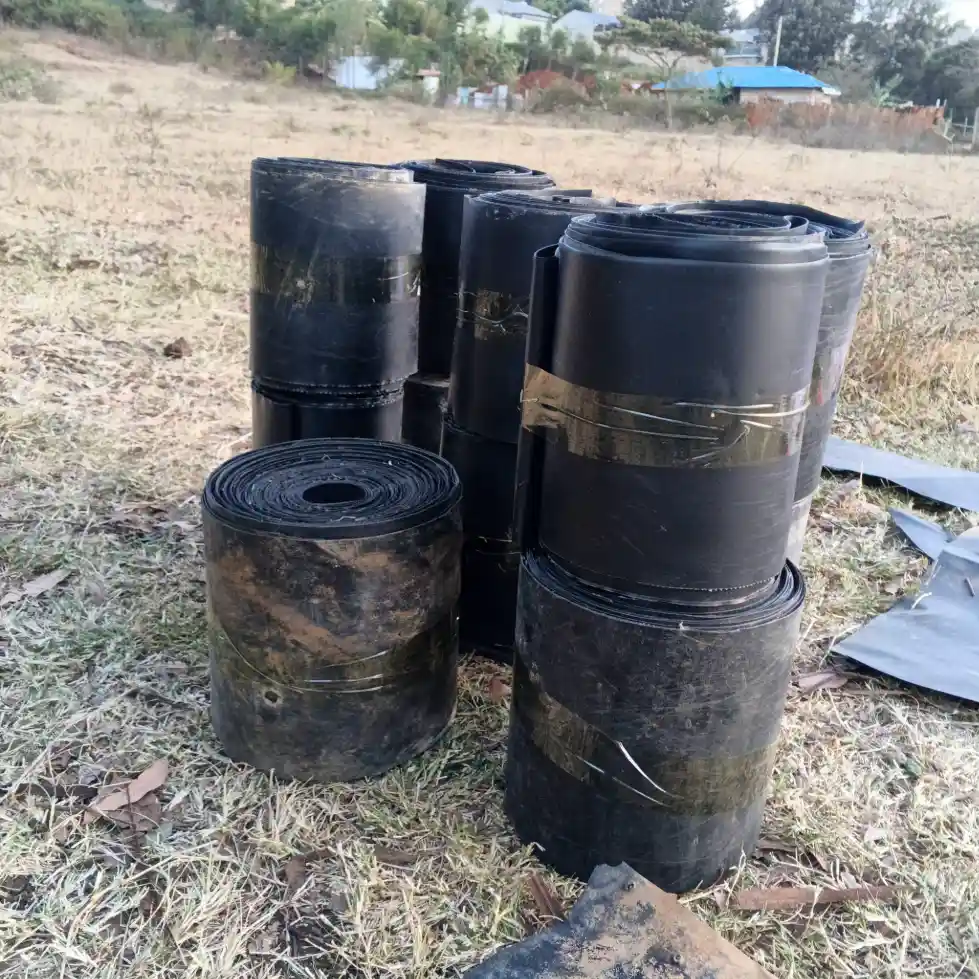
Achieving structural longevity and maximum crop yields requires strict adherence to proper installation protocols during assembly.
Step 1: Choose a Suitable Location
Select a flat surface that receives a minimum of 5 to 6 hours of direct sunlight daily. Suitable sites include backyard yards, clear concrete paths, rooftop slabs, or level garden edges. Ensure a reliable water tap or storage tank is accessible nearby to streamline daily watering routines.
Step 2: Prepare the Soil and Manure
Sieve native red loam or sandy-loam soil to remove large rocks, plastic debris, and un-decayed tree roots. Mix the sieved soil with fully decomposed, dry organic manure at a ratio of three parts soil to one part manure (approximately 10 wheelbarrows soil to 3 wheelbarrows manure per tower). Add 500 grams of agricultural lime per mix if testing indicates acidic soil conditions below pH 6.0.
Step 3: Assemble the Vertical Garden Tower
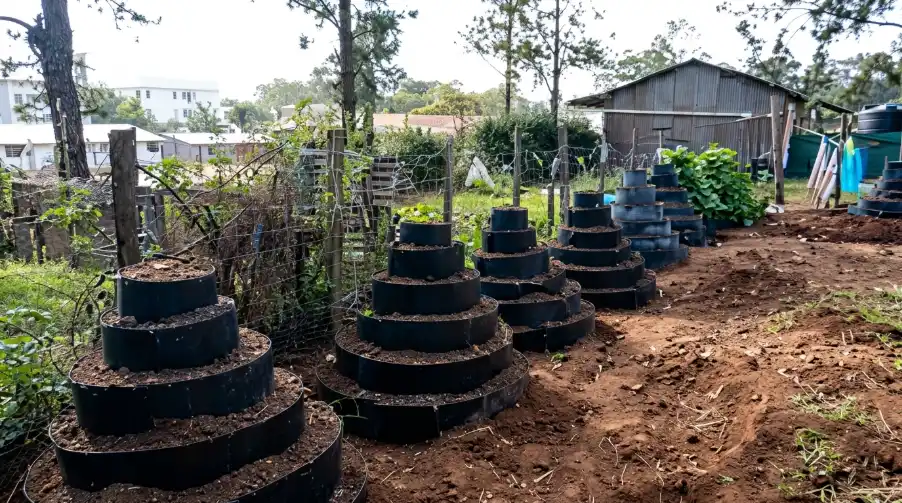
Level the ground site flat and compact the base soil firm. Lay down the heavy bottom structural sheet of the six-layer polyethene unit, securing its joint locking mechanism to form a rigid 1.6-metre base ring. Place a porous ballast drain core in the center, then fill the ring with your soil-manure substrate. Repeat this process layer by layer, stepping structural rings inward up to the sixth top tier until reaching its 1.2-metre peak.
Step 4: Plant Healthy Seedlings
Moisten the media throughout the structure fully prior to planting. Select vigorous, disease-free nursery seedlings from certified stock. Insert small root plugs gently into each staggered pocket cut, firming soil around seedling bases to remove air pockets. Plant heavier crops like kale on bottom tiers and shorter herbs near top levels.
Step 5: Water the Tower Properly
Apply clean water slowly onto the exposed top soil layer using a soft rose head watering can or micro-drip emitter. Allow gravity to carry water downward through central soil channels to lower tiers. Verify that water penetrates down to base pockets without causing soil washing or soil blowout through structural side joints.
Step 6: Monitor Growth and Replace Failed Plants
Inspect planted towers daily during the first week. Replace any weak or damaged seedlings within 5 days to ensure uniform growth across all layers. Keep structural soil pockets topped up with rich compost soil if settling occurs following initial heavy waterings.
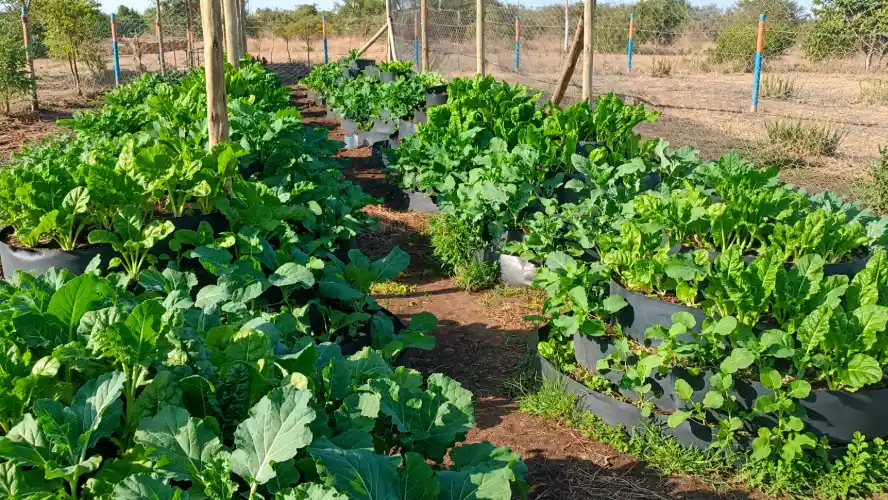
Vertical Garden Installation Services in Kenya
Crazy Kanairo Farming offers complete professional kitchen garden installation services across Kenya. For KSh 2,500 per tower (KSh 1,500 materials plus KSh 1,000 installation labour), experienced teams manage media selection, structural assembly, soil blending, and seedling planting for urban homes and institutions.
Building structural towers correctly requires precise media balancing and soil compaction to ensure stability and long-term durability. Crazy Kanairo Farming provides full-service vertical garden installation across urban and peri-urban locations throughout Kenya.
Our practical installation service covers:
- Site evaluation, sunlight exposure assessment, and ground surface levelling.
- Supply of certified UV-stabilized six-layer multi-storey tower materials.
- Sourcing and precision blending of sieved topsoil and fully decomposed manure.
- Complete structural build-out, central drainage column insertion, and soil loading.
- Planting 85 to 120 healthy seedlings matched to home dietary needs or commercial targets.
- Initial deep irrigation step and practical maintenance training for your household staff.
Pricing remains transparent at KSh 1,500 for single tower materials and KSh 1,000 for assembly labour per tower unit. Transport and substrate sourcing fees are calculated based on your specific location across Nairobi, Kiambu, Machakos, Nakuru, Eldoret, or Mombasa metro zones.
To arrange a consultation or request a custom installation quotation for home or institutional projects, visit the dedicated kitchen garden installation services page.
Where to Buy Vertical Gardening Materials in Kenya
Durable vertical multi-storey garden materials, UV-treated grow bags, and garden accessories can be ordered directly from Crazy Kanairo Farming online or via direct WhatsApp at 0751 042 669, with delivery arrangements across major Kenyan towns.
Read Also: Best Drip Irrigation System for Small Farms in Kenya (2026 Guide)
Investing in UV-treated materials is critical for vertical structures exposed to continuous tropical sunlight. Cheap non-UV plastics degrade rapidly, cracking under heat within months. Crazy Kanairo Farming supplies heavy-duty materials designed for long-term agricultural performance in Kenyan conditions.
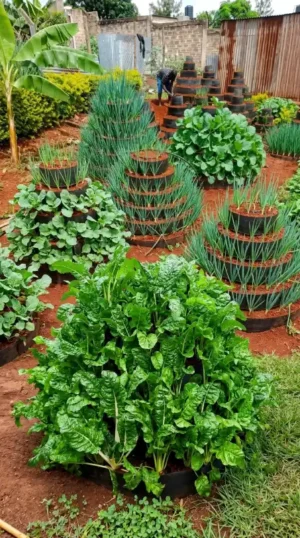
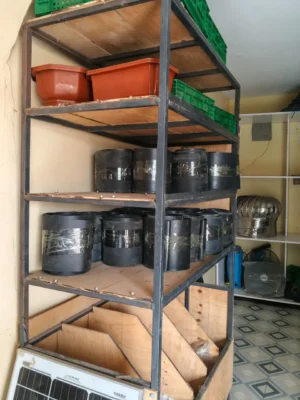
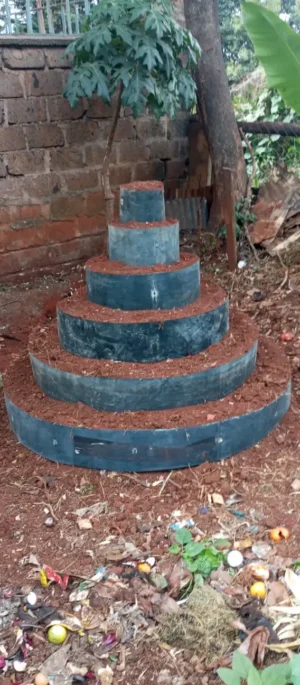
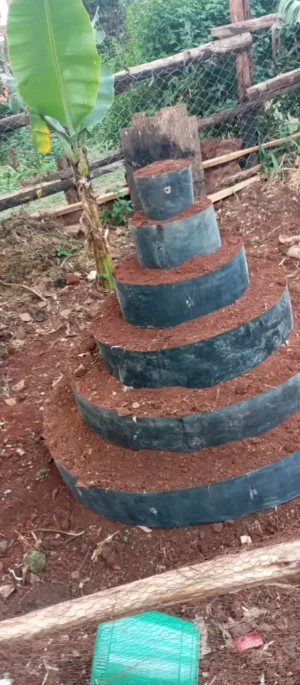
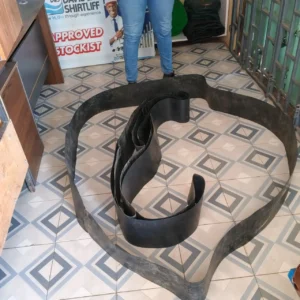
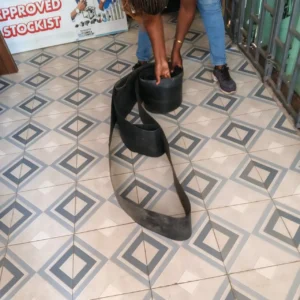
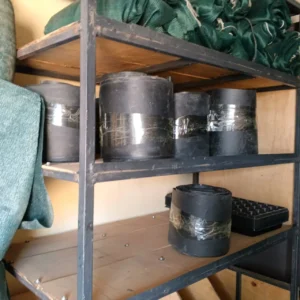
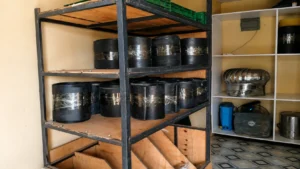
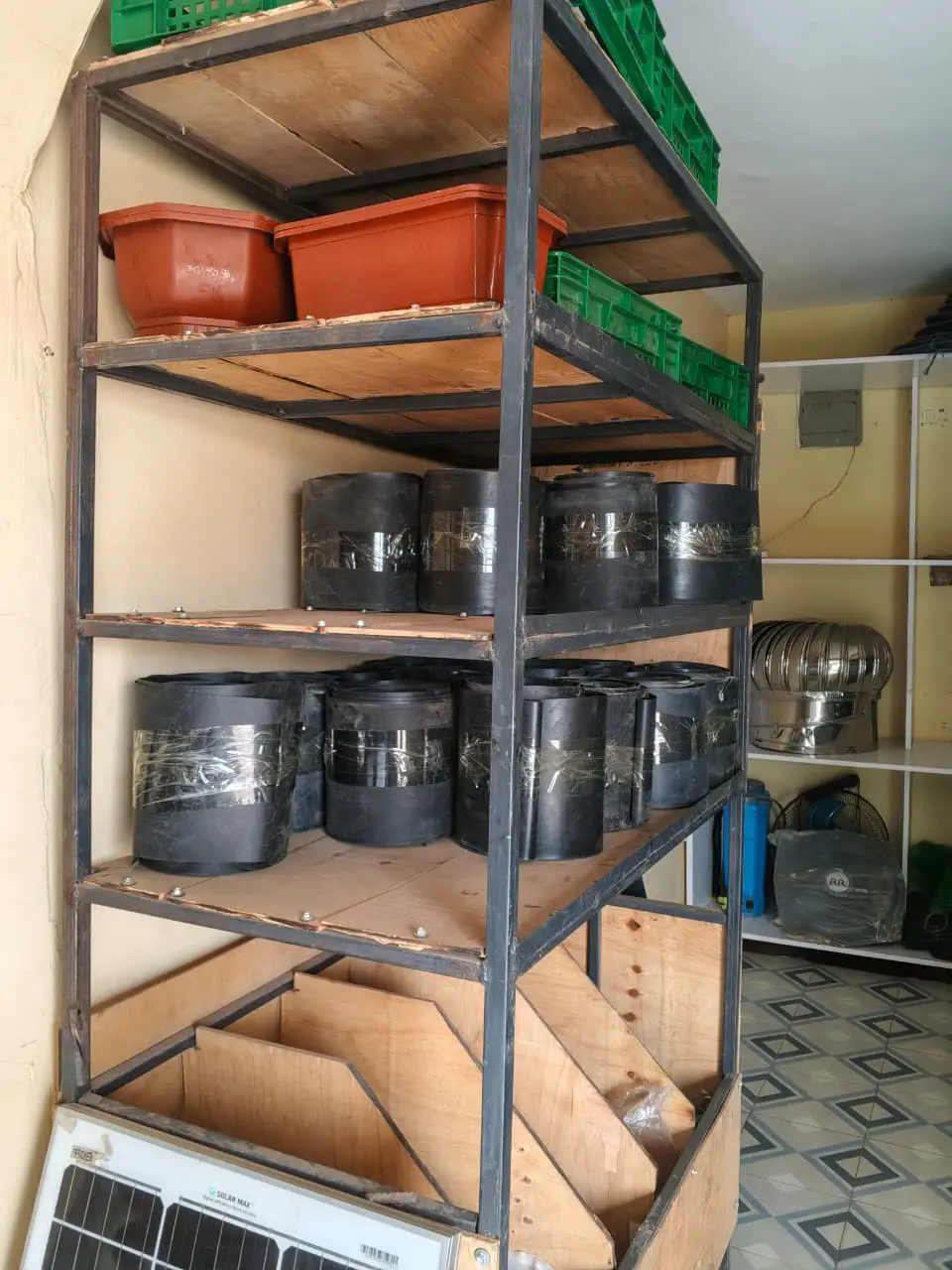
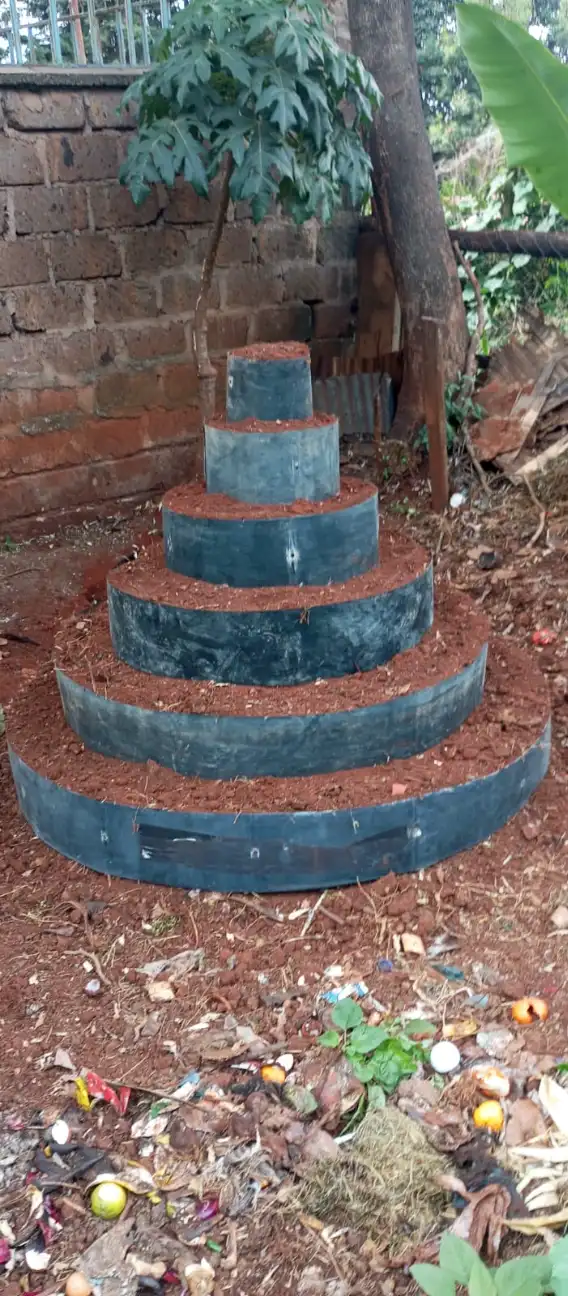
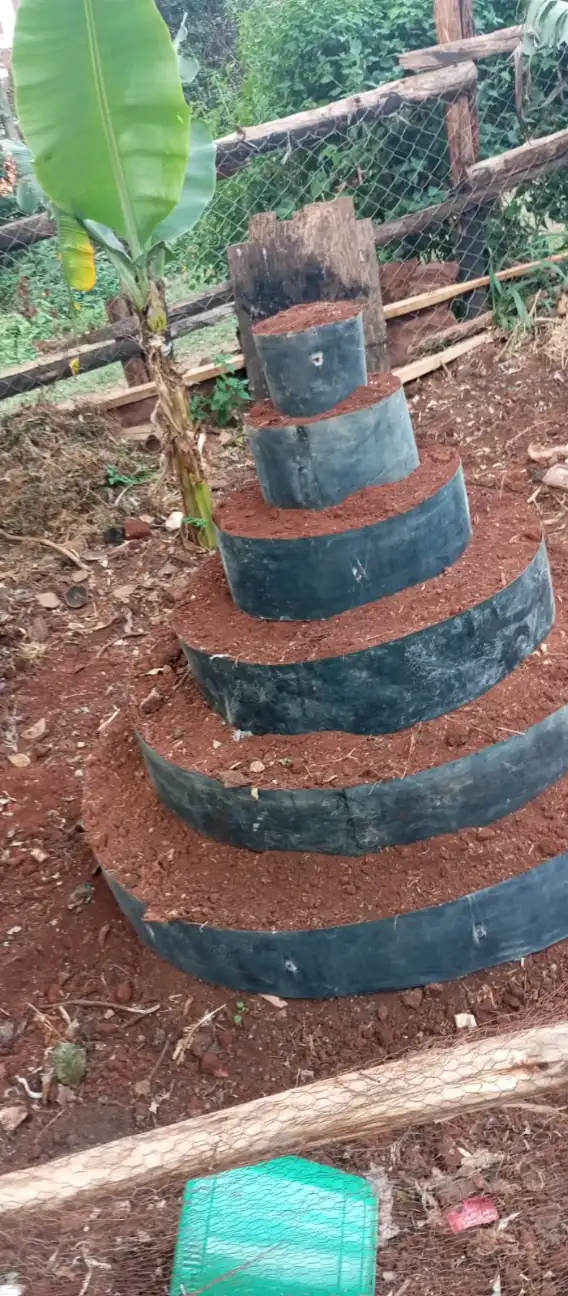
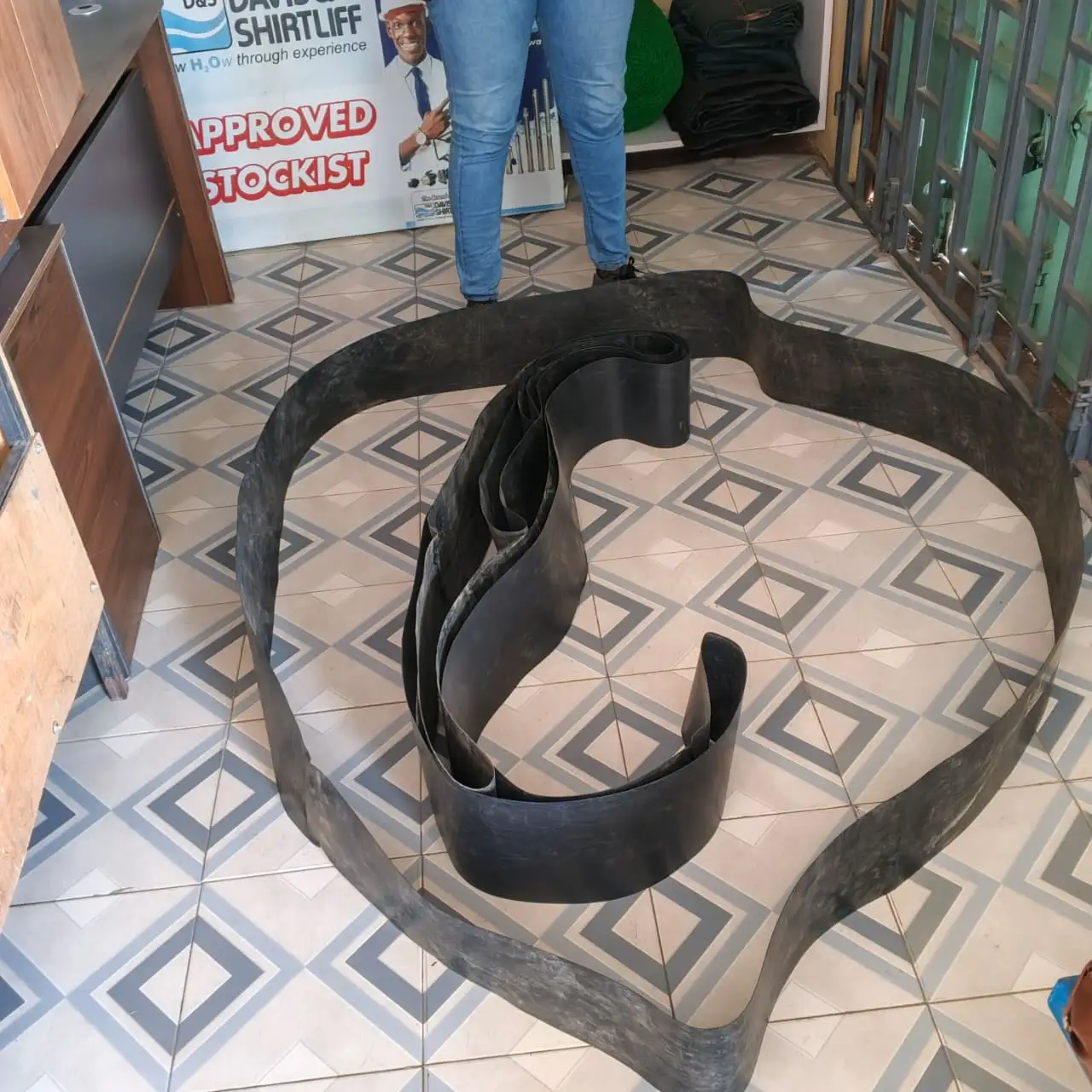
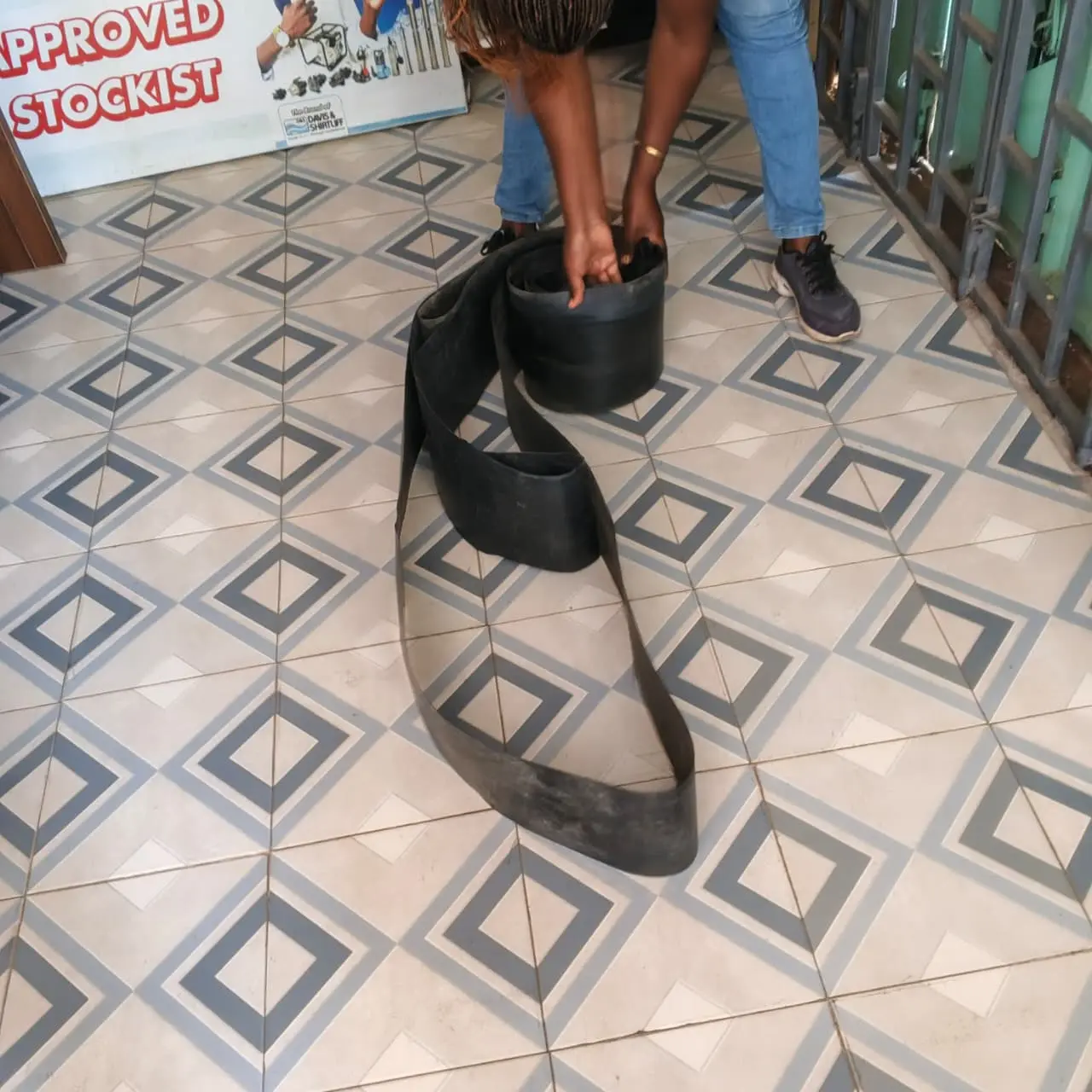
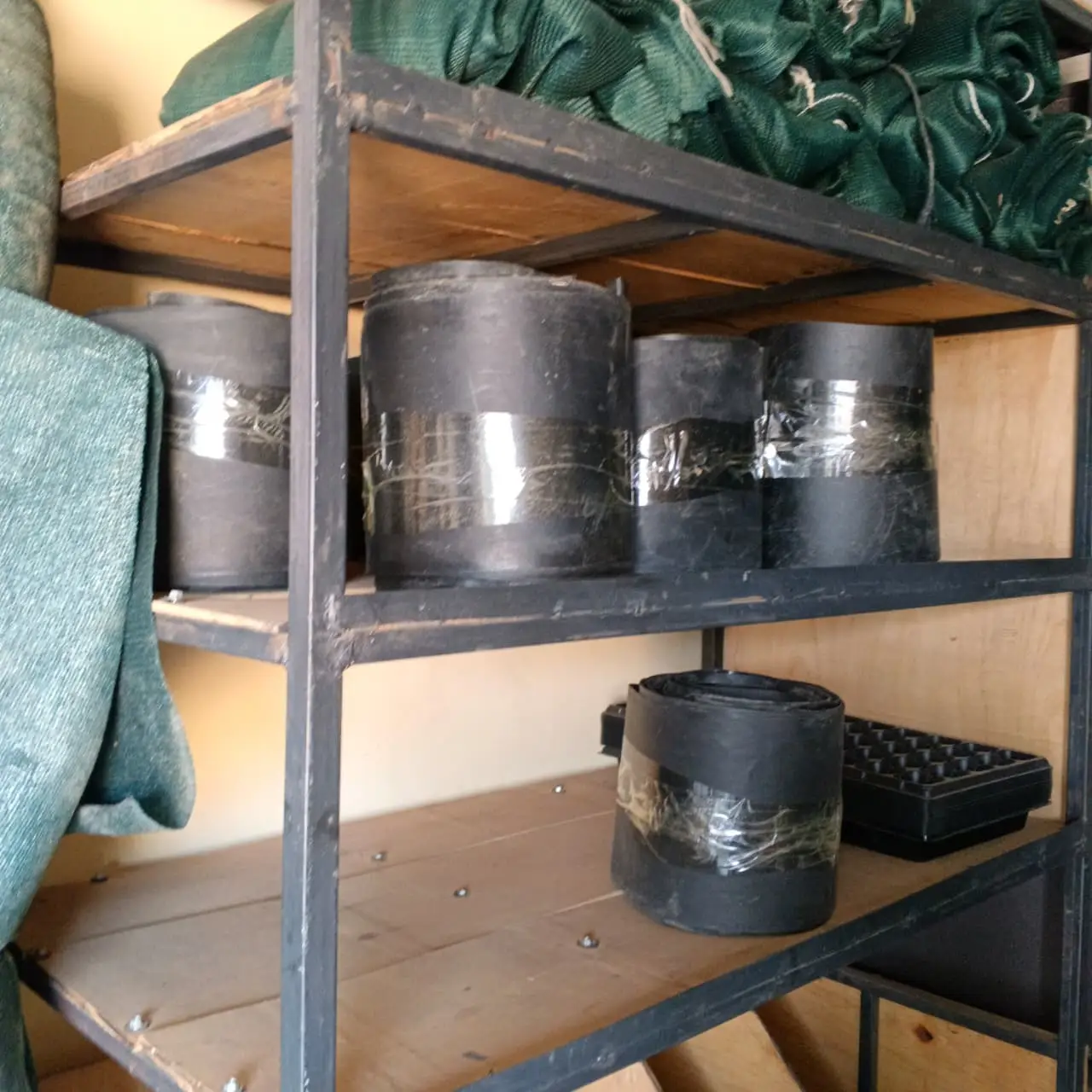
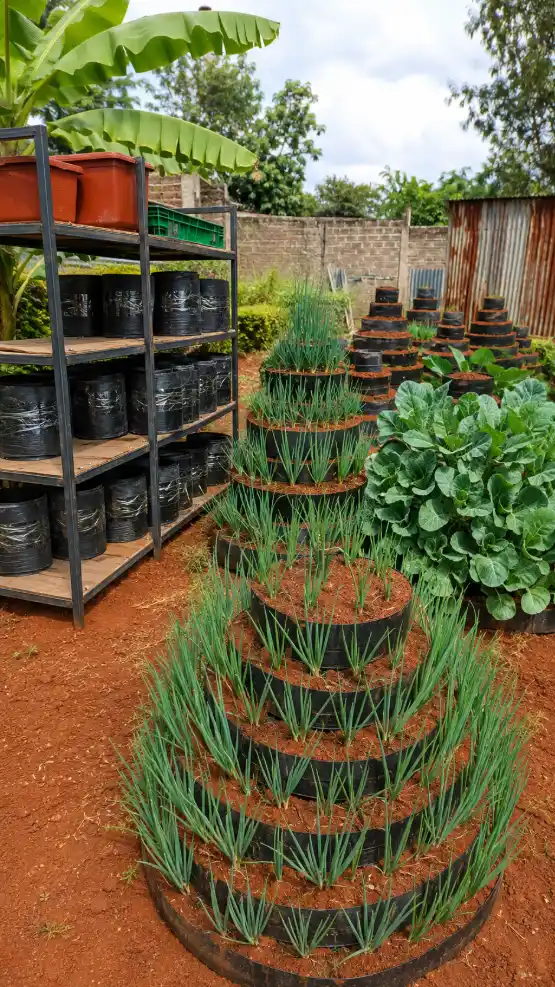
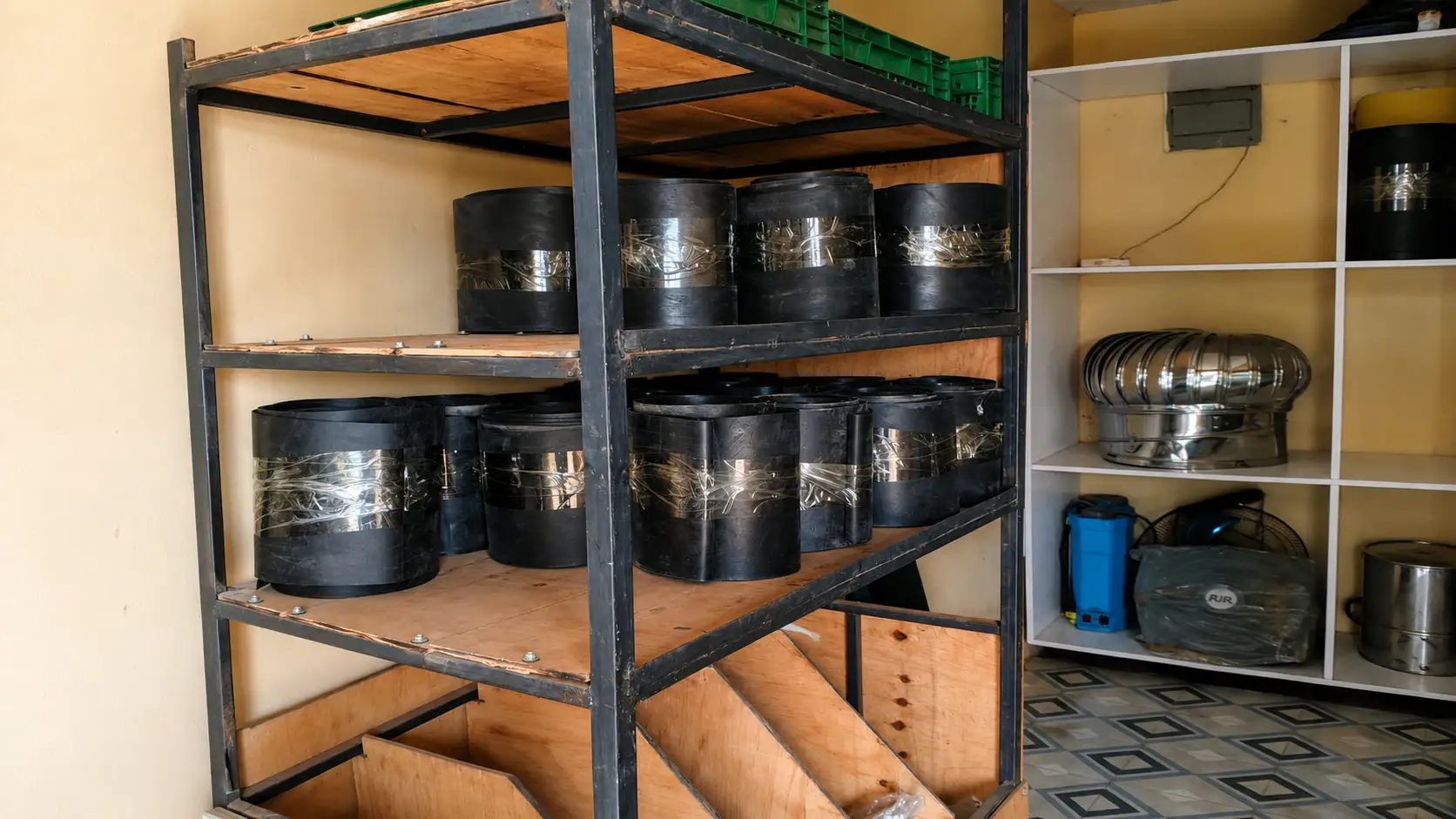
6 Layer Vertical Multi-Storey Garden System in Kenya | Buy Space-Saving Garden Planters
Maximize your harvest with our 6 Layer Vertical Multi-Storey Garden System made from premium 1mm UV-stabilized HDPE. Designed for homes, apartments, schools, hotels and commercial farms, this space-saving vertical garden helps you grow more vegetables, herbs and flowers in a compact area while promoting healthy plant growth. Perfect for urban farming and kitchen gardening across Kenya. | KSh 1750 Per Unit.
https://www.youtube.com/shorts/zBARDRsPEI8
Products available for countrywide dispatch include:
- Six-Layer UV-Stabilized Multi-Storey Garden Towers (KSh 1,500 per unit).
- Heavy-duty UV-treated vegetable grow bags in various gallon capacities.
- Pre-mixed organic compost, sieved soil media, and specialized organic fertilizers.
- Commercial-grade nursery seedlings of hybrid kale, spinach, herbs, and strawberries.
- Custom micro-drip irrigation components suited for multi-tower garden setups.
For immediate product availability checks, bulk multi-unit ordering, or delivery arrangements, connect directly with customer support via WhatsApp on 0751 042 669 or place orders online through the multi-storey garden store portal.
How to Water and Maintain a Vertical Garden
Maintaining vertical gardens involves watering 15 to 20 litres per tower daily or installing targeted micro-drip lines, feeding monthly with organic liquid fertilizers like vermi-tea or CAN top-dressing, and checking lower pockets regularly for soil moisture. Water the tower from top downwards.
Manual Watering Versus Drip Irrigation
Manual watering requires applying 15 to 20 litres of clean water per tower daily, divided between morning and late afternoon applications. Apply two-thirds of the water to the open top layer, allowing it to percolate down through the central drainage channel, and spray the remaining third across outer pocket openings using a gentle rose watering can.
For installations with more than 5 towers, installing a micro-drip system fed by a raised 250-litre gravity tank saves time and labour. Run a vertical 16mm HDPE main tube alongside each tower, attaching button drippers or micro-sprinklers above each tier ring. Operating micro-drip systems for 15 minutes twice daily keeps media moisture consistent while lowering water usage by up to 40 percent compared to hand watering.
Fertilizer and Nutrient Management
Vegetable crops growing tightly in vertical pockets consume soil nutrients rapidly. Recharge soil vitality using these practical fertilization schedules:
- At Planting: Ensure soil is blended thoroughly with aged manure or well-cured compost.
- 3 Weeks Post-Planting: Top-dress pockets with 5 grams of CAN fertilizer or apply a nitrogen-rich organic foliar liquid spray (e.g., seaweed extract or nettle tea).
- Ongoing Harvest Maintenance: Apply 10 grams of NPK 17-17-17 or a handful of rich worm castings (vermicompost) around the root pockets every 4 weeks to sustain fast leaf regrowth.
Pest and Disease Control
Monitor the undersides of leaves twice a week for common pests, including aphids, whiteflies, red spider mites, and cutworms. Early detection helps prevent pest populations from spreading throughout your vertical garden.
You can also plant pest-repellent flowers and herbs around your vertical garden towers. Marigolds are a popular choice because their scent may help deter certain pests, while their flowers attract beneficial insects. Other options include basil and garlic, depending on the pests you want to manage. These companion plants should complement, not replace, regular pest monitoring.
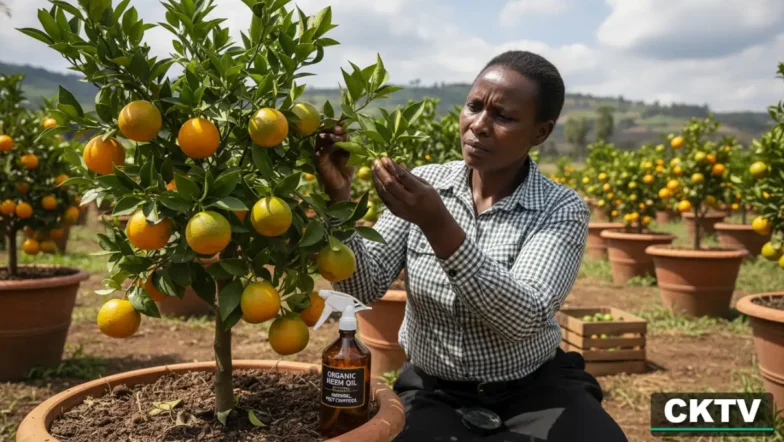
For minor pest outbreaks, consider using a labelled neem oil product according to its instructions. Test it on a few leaves first and avoid spraying during hot sunshine or when pollinators are active. Avoid adding dish soap unless the product label specifically recommends it, as some soaps can damage plant leaves.
Maintain good garden hygiene by promptly removing yellowing, diseased, or decaying leaves. Keep the planting pockets well ventilated, avoid overwatering, and ensure water drains properly to reduce the risk of fungal diseases.
Drainage and Structural Maintenance
Inspect tower structural rings every three months to verify base alignment and stability. If heavy rains cause soil media to settle lower within middle pockets, top up tiers with a sieved 1:1 soil and manure compost mix. Ensure lower drainage ports remain free of root blockages to prevent stagnant water from pooling around bottom roots.
Can You Make Money from Vertical Gardening in Kenya in 2027?
Yes, vertical gardening is commercially profitable in Kenya in 2027. A 10-tower setup harvesting spinach, kale, and dhania yields gross revenues of KSh 36,000 to KSh 48,000 over a 3-month cycle against operating expenses of KSh 12,000, delivering solid net profits for dedicated urban growers.
Commercial vertical farming succeeds by turning small urban spaces into high-density production sites for fresh leafy greens. Understanding operational profitability requires separating fixed initial equipment costs from recurring crop expenses while comparing fresh commercial sales against avoided home grocery costs.
Selling Fresh Leafy Vegetables
Urban consumers, local residential estates, roadside green-grocers (mama mboga), and neighborhood restaurants present consistent demand for fresh, cleanly grown leafy vegetables. Vertical towers yield clean, grit-free produce that commands premium prices in urban centers like Nairobi, Mombasa, and Kisumu compared to conventional soil-splattered floor-grown produce brought from distant rural markets.
Growing Vegetables to Save Household Expenses
For home growers, financial returns show up as reduced monthly grocery bills. A standard 2-tower installation producing sukuma wiki, spinach, dhania, and spring onions supplies a family of five with daily vegetables, cutting household vegetable expenses by KSh 3,000 to KSh 4,500 every month. Over a year, these grocery savings repay the initial setup costs completely while delivering fresh, chemical-free greens daily.
Example Profit Calculation for a Small Vertical Garden (10 Towers)
Below is a practical 3-month operational cash flow estimate for an urban commercial installation operating 10 multi-storey towers loaded with spinach and sukuma wiki:
| Financial Category | Itemized Detail & Calculation Basis | Amount (KSh) |
|---|---|---|
| Initial Capital Investment | 10 Towers (KSh 15,000) + Labour (KSh 10,000) + Media & Setup (KSh 19,000) | 44,000 (One-time) |
| Recurring Operating Expenses | 1,000 replacement seedlings + fertilizers + water bill + organic pest sprays | 12,000 (Per cycle) |
| Production Yield Volume | 1,000 plants yielding ~0.3 kg per harvest over 8 continuous weekly harvests | 800 total kg produce |
| Gross Sales Revenue | 800 kg sold at an average local price of KSh 50 per kg | 40,000 |
| Net Operating Profit (Cycle 1) | Gross Sales Revenue (40,000) minus Recurring Operating Expenses (12,000) | 28,000 |
| Net Operating Profit (Subsequent Cycles) | Recurring setup costs fall as structural towers last 5+ years without replacement | 28,000 – 32,000 |
Accounting for initial capital equipment payoff, a 10-tower setup breaks even completely within its second 3-month harvest cycle. Detailed operational blueprints for building scale commercial kitchen garden enterprises are explored in our guide on running a profitable kitchen garden business in Kenya.
Common Vertical Gardening Mistakes to Avoid
Avoid using raw un-decomposed manure, overpacking dense clay soil, shading lower tiers by poor orientation, overwatering without drainage checks, and planting spreading crops in small top pockets to ensure healthy crop yields in vertical gardens.
Prevent crop losses and structural issues by avoiding these common beginner setup mistakes:
- Using Fresh, Raw Manure: Fresh animal manure generates intense decomposition heat within confined structural pockets, scorching tender seedling roots (“burning”). Always use dark, fully decomposed, odorless manure.
- Packing Clay-Heavy Topsoil: Heavy red clay sets hard like concrete when dry, suffocating delicate plant roots and preventing vertical drainage. Mix clay soils with coarse sand and organic compost to maintain loose media structure.
- Ignoring Sunlight Angles: Positioning vertical towers right against high perimeter walls blocks sunlight on rear pockets. Maintain at least 1 metre of open clearance around towers to ensure uniform light exposure.
- Overcrowding Plant Pockets: Planting multiple seedlings into single structural pockets causes root competition, stunted leaf growth, and poor crop yields. Plant exactly one healthy seedling per pocket cut.
- Irregular Moisture Management: Allowing soil media to dry out completely causes soil shrinking inside structural tiers, causing added water to run down structural edges without hydrating interior root channels.
Start Your Vertical Garden with Crazy Kanairo Farming
Vertical gardening offers a reliable, highly efficient way to address urban land constraints, lower household vegetable expenses, and establish profitable small-scale commercial agribusinesses across Kenya in 2027. By stacking growing tiers vertically, growers maximize small spaces while conserving water and producing clean, fresh harvests steps away from the kitchen table.
Crazy Kanairo Farming is ready to support your kitchen garden setup with high-density UV-treated multi-storey materials, nursery stock, and practical installation services built around your location and dietary requirements.
Ready to establish your high-yielding vertical garden?
- Order Your Vertical Garden System Online: Purchase genuine six-layer units directly via the vertical multi-storey garden store page.
- Book Professional Installation Services: Schedule custom residential or institutional site builds via the kitchen garden installation portal.
- Direct WhatsApp Consultation: Message our practical technical support team on 0751 042 669 to request custom quotations, check local delivery schedules, or order garden inputs today.
Frequently Asked Questions About Vertical Gardening in Kenya
What is the cost of vertical gardening in Kenya?
Starting vertical gardening costs between KSh 4,000 for a single complete tower setup and KSh 44,000 for a commercial 10-tower setup including soil, manure, seedlings, and assembly labour.
How much does a six-layer vertical garden tower cost?
durable UV-treated six-layer multi-storey vertical garden tower unit costs KSh 1,500 for structural materials alone from Crazy Kanairo Farming, or KSh 2,500 fully installed with assembly labour.
How many plants fit in a multi-storey tower?
A standard six-layer multi-storey vertical garden tower holds between 85 and 120 plants across its staggered growing pockets, depending on selected crop leaf size and tier arrangement.
Which vegetables grow best in vertical gardens in Kenya?
Sukuma wiki, Fordhook Giant spinach, leaf lettuce, dhania, spring onions, parsley, sweet basil, and strawberries perform best across vertical multi-storey towers in Kenya.
How much soil and manure does one tower require?
A single six-layer vertical garden tower requires approximately 10 wheelbarrows of sieved topsoil mixed thoroughly with 3 wheelbarrows of fully decomposed organic manure.
Does vertical gardening require daily watering?
Yes, soil-based vertical towers require 15 to 20 litres of water daily per unit during dry seasons, divided between top-layer pouring and targeted side-pocket watering.
Can I install a vertical garden myself?
Yes, DIY setup is straightforward using basic garden tools, sieved soil, aged manure, and assembly sheets following our step-by-step structural filling instructions.
Does Crazy Kanairo Farming offer installation services?
Yes, Crazy Kanairo Farming provides complete professional vertical garden installation services across Kenya at KSh 1,000 labour charge per tower plus transport and material costs.
Where can I buy a vertical garden tower in Kenya?
Buy UV-stabilized multi-storey vertical garden towers directly from Crazy Kanairo Farming online or via WhatsApp at 0751 042 669 with dispatch across all major Kenyan towns.
Is vertical gardening profitable in Kenya in 2027?
Yes, vertical gardening is profitable in 2027. A 10-tower commercial setup can generate net returns of KSh 28,000 per harvest cycle selling fresh leafy greens to urban consumers.
Is vertical gardening suitable for beginners?
Yes, vertical soil-based towers are ideal for beginners because they eliminate weed management, reduce pest problems, require minimal ground space, and are easy to maintain daily.
Can I use drip irrigation with a multi-storey tower?
Yes, micro-drip irrigation using vertical 16mm drip lines with button emitters above each tier ring works perfectly, saving water and reducing manual labor across multiple towers.