
- Profit Potential: Commercial chilli farming in 2026 offers a net profit of KES 450,000 to KES 850,000 per acre annually, depending on the variety and whether you target the export or local wholesale market.
- Production Cycles: Most high-yield varieties like Bird’s Eye and Habanero take 75 to 90 days to reach first harvest, with continuous picking lasting for 4 to 6 months under optimal irrigation.
- Export Strategy: Success in 2026 requires strict adherence to KEPHIS phytosanitary standards and GLOBALG.A.P certification to access high-value European and Middle Eastern markets where prices remain stable.
Table of Contents
Chilli farming has evolved from a backyard horticultural activity into a high-stakes commercial venture across Kenya’s arid and semi-arid lands. In 2026, the demand for Kenyan chillies is driven by a robust global spice market and an expanding local agro-processing sector that produces sauces and oleoresins. Whether you are planting in the volcanic soils of Naivasha or the sun-drenched plains of Kajiado, understanding the technical precision required for export-grade yields is the difference between a lucrative harvest and a total loss.
The 2026 landscape is defined by data-driven farming. Successful producers are no longer guessing which seeds to plant or when to water. Instead, they are using soil sensors, hybrid seeds with better resistance to wilt, and digital platforms to connect directly with international buyers in the UK, Netherlands, and Germany. This guide provides the financial blueprints and technical roadmap needed to navigate this profitable sector.
Overview of Chilli Farming in Kenya
Chilli farming thrives in altitudes below 1,500m with temperatures between 20°C and 30°C, making regions like Machakos, Makueni, Kilifi, and parts of Rift Valley ideal. The 2026 market favors drought-resistant, high-capsaicin varieties that cater to both the fresh export trade and the local industrial processing sector.
The Kenyan landscape for chilli production has shifted significantly toward irrigation-led systems. While rain-fed farming is still practiced in areas like Trans Nzoia, the most successful commercial farmers in 2026 utilize drip irrigation to ensure consistent fruit size and pungency. This consistency is what export aggregators in Nairobi and Mombasa look for when signing contracts with smallholders.
In 2026, the Ministry of Agriculture has intensified its support for “Export Processing Zones” for horticulture, encouraging farmers to organize into clusters. These clusters help in managing the logistical costs of transporting perishable chillies to airports. Regions like Kirinyaga and Murang’a have seen a surge in “Bullet” chilli production, while the coast remains the stronghold for the African Bird’s Eye variety.
Climate suitability is the first filter for success. Chillies require a long, warm growing season. Temperatures below 15°C can stunt growth and cause poor fruit sets, while excessive humidity can encourage fungal diseases like Anthracnose. Areas like Athi River and parts of Narok have emerged as hotspots because they provide the intense heat necessary to build the capsaicin levels that industrial spice buyers demand.
Read Also: Butternut Farming in Kenya (2026): Complete Guide on Yields, Profits, Spacing & Market Opportunities
Soil health remains the foundation of any successful shamba. Based on 2026 KALRO field trials, chillies require well-drained sandy loam soils with a pH range of 6.0 to 6.5. Farmers are increasingly moving away from heavy synthetic reliance toward integrated soil management, combining organic manure with precise fertigation to maintain soil structure and boost the plant’s immunity against wilt diseases.
Is Chilli Farming Profitable in Kenya?
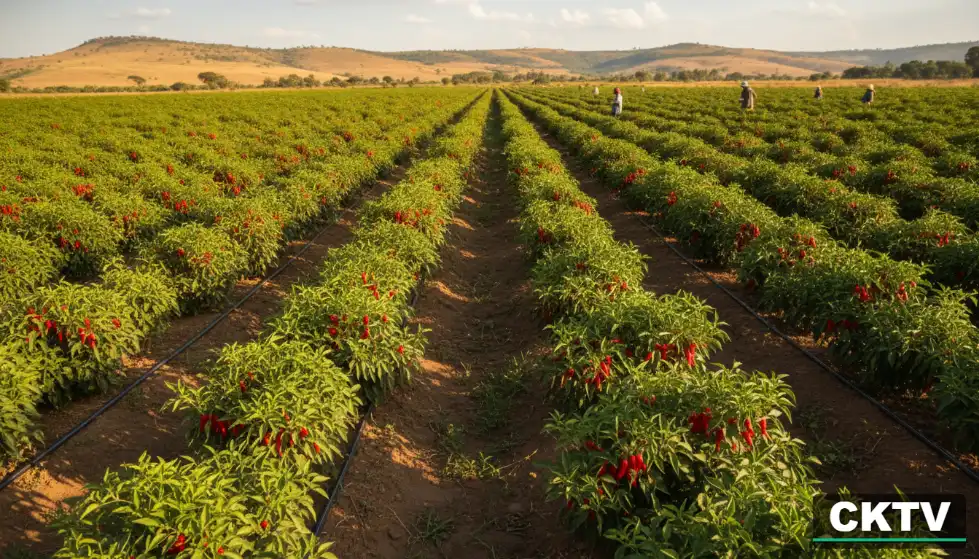
Chilli farming is highly profitable in 2026, yielding net returns of KES 500,000+ per acre for farmers who bypass brokers and sell directly to exporters or processors. Profitability is dictated by crop management, water efficiency, and the ability to maintain “Grade 1” quality for international buyers.
Profitability in the chilli business is a product of technical discipline rather than luck. In 2026, a “Smart Mentor” approach suggests that you treat your acre like a factory. If you produce 5,000kg of Habaneros and sell at a farm-gate price of KES 150 per kg, your gross revenue is KES 750,000. With production costs averaging KES 250,000, your net profit stands at KES 500,000 per season.
However, profitability is not uniform. A farmer growing African Bird’s Eye (ABE) for the dried market has a different profit profile than one growing fresh Cayenne for local supermarkets. Dried ABE requires more labor for harvesting and drying but offers a much longer shelf life, allowing the farmer to wait for peak market prices. Fresh Habaneros offer higher weight per pod but must be sold within 48 hours of picking.
The Export vs. Local Market Logic
The export market offers price stability but demands perfection. Exporters in 2026 are paying a premium for chillies that meet the “Zero Residue” pesticide standards. Conversely, the local market in Nairobi’s Wakulima or Mombasa’s Kongowea market is more forgiving on aesthetics but highly volatile in pricing. Smart farmers split their risk by dedicating 70% of their crop to a fixed-price export contract and 30% to the local spot market.
Local demand in Kenya is also growing. The expansion of the urban middle class and the mushrooming of Asian and West African restaurants in Nairobi has created a year-round market for high-heat varieties. Processing companies like Peptang and various cottage industry sauce makers are also constantly looking for consistent suppliers, often offering stable prices even when the export market is sluggish.
Common Profit Killers in 2026
Most beginners lose money due to “post-harvest shrinkage.” Chillies lose weight rapidly after picking. If you harvest on a Friday but the buyer arrives on a Monday, you might lose up to 15% of your tonnage to dehydration. Investing in simple charcoal coolers or ensuring “Just-in-Time” logistics via M-Pesa fueled transport systems is critical for protecting your margins.
Read Also: Tomato Farming in Kenya 2026: Complete Guide From Nursery to Harvest
Another major drain on profit is the use of uncertified seeds. While “saving seeds” from a previous harvest seems economical, it leads to lower yields and higher disease susceptibility in the second generation. In 2026, the KES 15,000 spent on high-quality hybrid F1 seeds can result in KES 200,000 more in revenue compared to using local “shamba” seeds. Quality inputs are the cheapest insurance policy a farmer can buy.
Startup Costs for Chilli Farming per Acre (2026 Breakdown)
Setting up a commercial chilli acre in 2026 requires an initial investment of KES 180,000 to KES 280,000. This includes land preparation, certified seeds, drip irrigation kits, and specialized fertilizers. Costs can be lower if you already own an irrigation source or use organic manure from your own livestock.
Budgeting for 2026 requires a realistic look at the rising cost of inputs. While the government has introduced some subsidies on fertilizers like DAP and NPK, high-quality hybrid seeds remain a significant investment. Below is a detailed financial breakdown for a high-intensity commercial acre using modern drip technology.
The following table outlines the essential expenditure for a standard one-acre chilli project in Kenya. These figures are based on 2026 market rates for agricultural supplies and professional labor services.
| Activity/Item | Estimated Cost (KES) | Description |
|---|---|---|
| Land Prep & Manure | 25,000 – 35,000 | Ploughing, harrowing, and 5-10 tonnes of well-rotted manure. |
| Certified Seeds (100g-200g) | 8,000 – 15,000 | Hybrid varieties like F1 Demon or Habanero. |
| Nursery Management | 10,000 – 15,000 | Seedling trays, coco peat, and nursery shade nets. |
| Drip Irrigation System | 120,000 – 160,000 | Main pipes, laterals, and installation (One-time cost). |
| Fertilizers & Chemicals | 35,000 – 50,000 | DAP, CAN, NPK, and specialized fungicides/insecticides. |
| Labour (Planting to Harvest) | 30,000 – 45,000 | Transplanting, weeding, and 12-15 picking sessions. |
| Total Initial Investment | 228,000 – 320,000 | Excluding land lease costs. |
Note that the drip irrigation system is a capital expenditure that will serve you for at least 5 years. In subsequent seasons, your production cost drops to approximately KES 100,000 per acre, significantly boosting your ROI. Many farmers in Nakuru and Narok are now using solar-powered pumps to further reduce the daily operational cost of irrigation, which can save up to KES 4,000 per month in fuel.
Labor is often underestimated. Picking chillies is a slow, meticulous process. You cannot rush it without damaging the plants. In 2026, the prevailing daily rate for agricultural labor in rural Kenya is between KES 400 and KES 600. During peak harvest, you may need a team of 10 pickers working two days a week. Factor this recurring cost into your monthly cash flow projections to avoid running out of capital mid-season.
Download Asset
Expected Yield of Chilli per Acre in Kenya
Yields vary by variety, but on average, a well-managed acre can produce between 4,000kg and 8,000kg of fresh chilli per year. African Bird’s Eye (ABE) typically yields lower per plant but commands higher prices, while “Bullet” and Cayenne varieties provide higher tonnage.
In 2026, yield is no longer measured just in “bags” but in “export-grade kilograms.” To hit the 8-tonne mark, a farmer must achieve a plant population of approximately 10,000 to 12,000 plants per acre. This requires a spacing of 60cm by 45cm or 60cm by 60cm, depending on the canopy size of the variety chosen. Closer spacing can increase yield but also increases the risk of fungal spread due to poor airflow.
Varietal selection plays a 40% role in your final yield. While a local variety might produce 200g of fruit per plant, a high-performance F1 hybrid can easily produce 800g to 1.2kg of fruit over a six-month picking cycle. This is why the initial investment in seeds is so critical. The genetics of the plant determine its “yield ceiling,” while your management determines how close you get to that ceiling.
Varietal Yield Comparison
The African Bird’s Eye (ABE) is a favorite for the dried export market. While it might only yield 1.5 to 2.5 tonnes of dried product per acre, the concentration of capsaicin makes it highly sought after. On the other hand, the Habanero F1 hybrids can produce up to 1kg per plant over a 6-month harvesting window, totaling over 10 tonnes if the farmer masters the art of “top-dressing” with potassium-rich fertilizers during the fruiting stage.
Bullet chillies, also known as “Demon” varieties, are high-tonnage performers. They are slightly larger than Bird’s Eye and have a faster growth cycle. In regions like Kirinyaga, farmers are reporting yields of up to 12 tonnes per acre by using intensive mulching and fertigation techniques. These high-yield varieties are perfect for the wholesale local market where volume is more important than extreme heat levels.
Factors Affecting 2026 Yields
Water stress is the biggest enemy of yield. Even a three-day delay in irrigation during the flowering stage can cause massive “flower drop,” leading to a 30% reduction in final output. Furthermore, soil salinity in regions like Baringo can stunt growth. Successful 2026 farmers are investing in basic soil testing (costing around KES 2,500) before planting to ensure they aren’t wasting fertilizer on “locked” soils.
Read Also: Vegetable Farming for Profit in Kenya: Okra, Spinach & Dhania Guide (2026)
Pollination is another overlooked factor. While chillies are self-pollinating, the presence of bees and other pollinators in the field can increase fruit set and improve the shape of the pods. Farmers in 2026 are increasingly leaving small strips of flowering weeds or planting sunflowers at the edges of the chilli acre to attract beneficial insects that boost yield and also eat pests like aphids.
Market Prices of Chilli in Kenya (2026)
In 2026, farm-gate prices for fresh chillies range from KES 120 to KES 200 per kg. Dried African Bird’s Eye chillies fetch higher prices, often between KES 450 and KES 600 per kg, especially when sold to aggregators with direct links to the European pharmaceutical and food industries.
The price of chilli in Kenya is highly sensitive to the export calendar. Between November and March, when the European winter limits their local production, Kenyan exporters are aggressive and prices peak. During the local rainy seasons (April to June), supply often spikes, causing a temporary dip in local market prices. However, the export demand remains relatively inelastic for those who meet the quality standards.
Price transparency has improved in 2026 thanks to agricultural apps and collective bargaining through farmer groups. It is now common for farmers to receive daily price updates on their mobile phones. This power allows them to choose between selling at the farm gate or transporting the produce to regional hubs where prices might be 20% higher.
Regional Price Variations
In Nairobi’s City Market, retail prices for premium Habaneros can reach KES 300 per kg, but this requires the farmer to handle their own logistics and packaging. In Mombasa, the demand from the hotel industry keeps the price of “Bullet” chillies stable at KES 150 per kg throughout the year. Farmers in western Kenya often find better margins selling to processors in Kisumu who manufacture hot sauces for the East African region.
In the export market, prices are often quoted in USD or Euros by the end buyer, but the local aggregator will pay in KES. In 2026, the exchange rate stability has helped farmers plan their income more accurately. A stable export price of 1.50 USD per kg converts to approximately KES 195, which is a very healthy margin for a well-run farm.
The Middleman Factor
The “Broker Problem” is still a reality in 2026. Brokers often offer KES 80 per kg to desperate farmers who lack storage. To counter this, many farmers are now using digital platforms to find “Aggregators” who offer transparent pricing. Contracting with companies like Mace Foods or various horticultural exporters ensures you have a guaranteed price before you even put a seed in the ground.
Smart farmers also look at the “Value Added” price. Grinding dried chillies into powder and selling it in 100g packets at local markets can increase the revenue per kg from KES 500 to over KES 1,000. While this requires more equipment and branding, the 2026 consumer trend toward locally branded spices makes this a highly viable path for small-scale entrepreneurs.
How Long Does Chilli Take to Grow in Kenya?
Chillies generally take 2.5 to 3 months (75-90 days) from transplanting to the first harvest. The nursery stage takes about 30 to 45 days, meaning the total journey from seed to market is approximately 4 months. Once harvesting begins, the plants can continue producing for 6 to 9 months.
The growth cycle of a chilli plant is divided into four distinct phases: the nursery phase, the vegetative phase, the flowering/fruiting phase, and the harvesting phase. In 2026, the use of “speedlings” (pre-grown seedlings in trays) has become popular because it reduces the time the plant spends in the field, thereby reducing water and labor costs during the most vulnerable stage of growth.
Read Also: Top 5 High-Yield 3-Month Crops in Kenya (2026 Profit Guide + ROI Breakdown)
Temperature is the main regulator of this timeline. In hotter areas like the Coast or Magadi, the plant might start flowering in just 60 days. In cooler highlands like Limuru, it may take up to 100 days. Managing these expectations is key to timing your harvest for peak prices. Most successful farmers aim for their peak production to hit between December and February when global supply is lowest.
The Harvesting Window
One of the best features of chilli farming is the “continuous income” model. Unlike maize, which you harvest once, chillies allow you to pick every 7 to 10 days. This provides a weekly cash flow that can be used to pay workers and maintain the farm. In warm regions like Garissa or Magadi, the growth rate is faster, but the harvesting window may be shorter due to heat stress unless the plants are well-mulched.
A typical chilli plant in Kenya will have a productive life of about 8 to 12 months. After this, the fruit size starts to diminish, and the plant becomes more prone to diseases. Most commercial operations in 2026 follow a “one-season” rule: they plant, harvest for 6 months, and then clear the field for a rotation crop like beans or onions to break the pest cycle before returning to chillies.
Best Chilli Varieties in Kenya (High Yield Types)
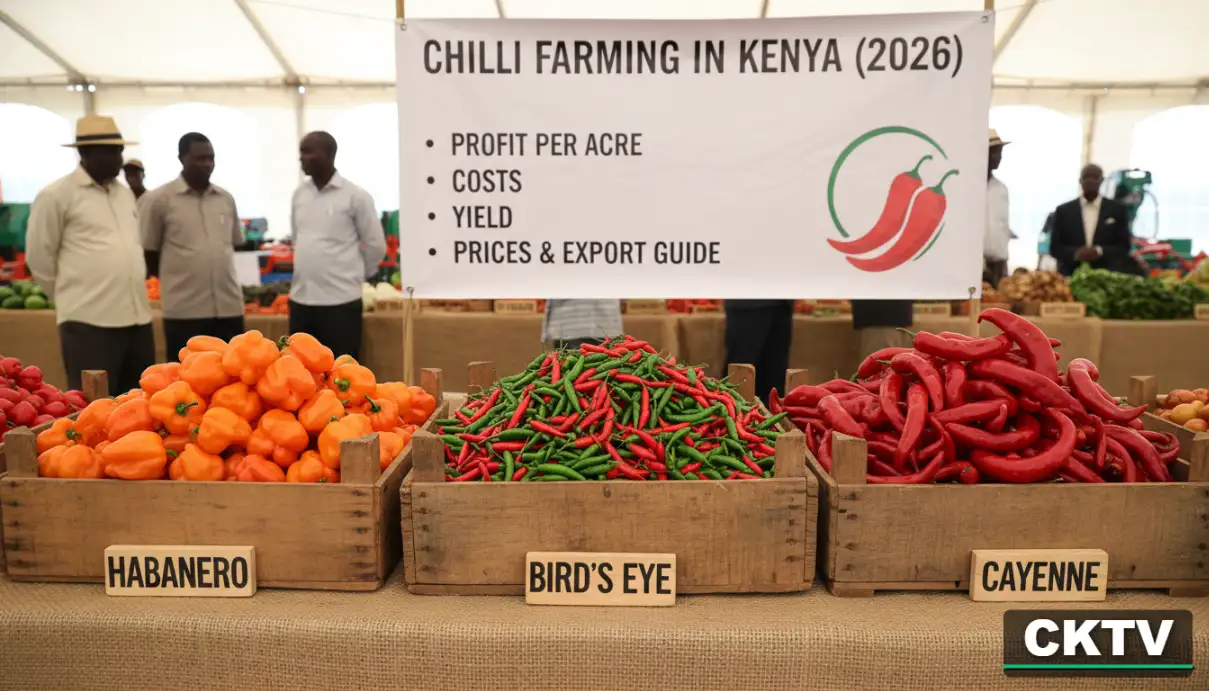
Top-performing varieties in 2026 include the African Bird’s Eye (for drying), Habanero (for heat and aroma), Cayenne (for the fresh market), and Bullet chilli (popular in local cuisine). Choosing a variety should be based strictly on your target buyer’s preference.
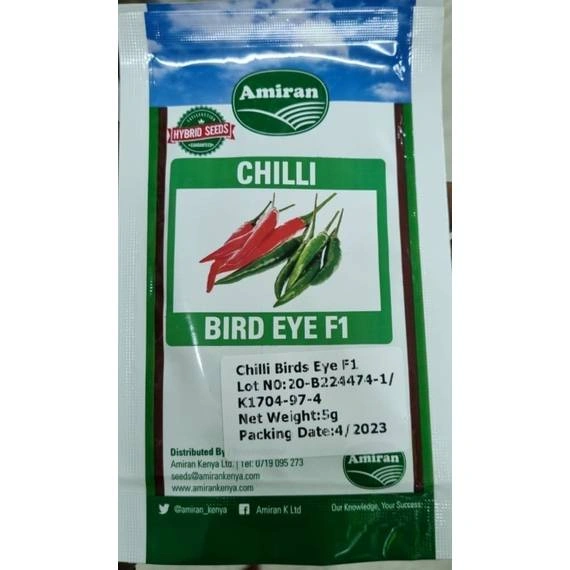
Before buying seeds, you must ask: “Who is my buyer?” If you are targeting the export of dried chillies, the African Bird’s Eye is your best bet. If you want to supply local supermarkets and high-end restaurants, the large, fleshy Habanero or the long, sleek Cayenne are more profitable. Each variety has specific nutrient requirements and pest tolerances.
The following table compares the most popular chilli varieties grown in Kenya as of 2026. This data helps farmers select the right type based on their specific climatic conditions and target market goals.
| Variety | Maturity (Days) | Yield Potential (Tons/Acre) | Best Market |
|---|---|---|---|
| African Bird’s Eye | 90 – 110 | 2 – 4 (Fresh) | Export (Dried), Oil Extraction |
| Habanero F1 | 75 – 85 | 6 – 10 | Fresh Export, Hot Sauces |
| Demon F1 (Bullet) | 70 – 80 | 8 – 12 | Local Wholesale, Supermarkets |
| Cayenne | 80 – 90 | 5 – 7 | Local Markets, Ground Spice |
In 2026, many farmers are also exploring the “Ghost Pepper” (Bhut Jolokia) for niche markets. While it is incredibly hot and has a lower yield, the price per kg can be triple that of standard varieties. However, this is recommended only for experienced farmers with a confirmed niche buyer who understands the handling risks of such extreme peppers.
Resistance to diseases like Leaf Curl Virus and Bacterial Wilt is a major factor in 2026 variety selection. New hybrid varieties from seed companies like East West Seed or Simlaw Seeds are specifically bred for the East African climate. While these seeds cost more, their “survival rate” in the field is significantly higher, making them a more secure investment for a commercial venture.
Where to Buy Chili Seeds & Seedlings
Reliable sources in Kenya generally fall into two categories: specialized seed companies and certified nursery operators.
- Kenya Seed Company (KSC): The most reliable source for certified seeds across the country. They maintain rigorous quality standards.
- Website: kenyaseed.co.ke
- Note: Excellent for standard high-yield varieties.
- Royal Seed (Simlaw Seeds): A division of Kenya Seed, widely recognized for high-performance vegetable hybrids including various chili cultivars.
- Website: simlaw.co.ke
- Note: Highly recommended for commercial hybrids tailored to Kenyan climate conditions.
- Amiran Kenya: A leader in agricultural inputs, particularly for farmers using greenhouses or advanced irrigation systems.
- Website: amirankenya.com
- Note: They provide full-stack solutions, including inputs, fertilizers, and technical support.
- Pannar Seed: Known for high-quality horticultural seeds and reliable performance in diverse ecological zones.
- Website: pannar.com
Essential Inputs for Chili Production
When setting up your chili farming enterprise, ensure you have the following technical inputs to maximize your ROI:
| Input Category | Recommended Type/Action |
| Fertilizers | DAP for planting; CAN or UREA for top-dressing; NPK 17:17:17 during fruit development. |
| Pest Management | Integrated Pest Management (IPM) using neem oil, sticky traps, and bio-insecticides for whitefly/aphid control. |
| Soil Amendments | Well-decomposed farmyard manure or compost to improve soil structure and microbial activity. |
| Fungicides | Copper-based fungicides to prevent fungal blights and damping-off, especially during the seedling stage. |
Professional Advice for Your Operation
- Seed Quality: Always verify the “Best Before” date on packets. Poor storage reduces germination rates significantly.
- Seedling Hardening: If you buy seedlings from a nursery, ensure they have undergone a “hardening off” process (gradual exposure to direct sunlight) before transplanting them to your main field. This reduces transplant shock.
Step-by-Step Chilli Farming Guide in Kenya
Success involves a 7-step process: proper nursery management, rigorous land preparation with organic matter, careful transplanting at the right spacing, consistent drip irrigation, balanced fertigation, proactive pest scouting, and disciplined harvesting and cooling.
1. Nursery Excellence
Do not direct-sow chilli seeds in the field. Use 200-hole plastic trays filled with sterilized coco peat. This prevents soil-borne diseases and ensures a 95% germination rate. Keep the seedlings under a 30% shade net and water them with a fine mist. They are ready for transplanting when they have 4 to 6 true leaves (about 15cm tall). Hardening off by reducing water and shade for the last 7 days is vital.
2. Land Preparation and Manure
Chilli roots need a loose, airy soil to prevent root rot. Deep-plough the land and incorporate 10 tonnes of well-composted goat or cow manure per acre. Avoid fresh manure as it introduces pests like cutworms and may “burn” the delicate young roots. In 2026, many farmers are using “Bio-char” to improve water retention in dry areas like Kitui and Machakos.
3. Transplanting and Spacing
Transplant in the late afternoon to reduce “transplant shock” caused by the hot Kenyan sun. Ensure the seedling is buried up to the first leaves to encourage a strong root base. Immediate watering after transplanting is non-negotiable. Using a spacing of 60cm by 45cm allows for easy movement during weeding and harvesting without damaging the brittle branches of the mature plants.
4. Irrigation and Nutrition
A chilli plant needs about 1 to 2 liters of water per day during the peak fruiting stage. Fertigation: applying fertilizer through the irrigation water: is the most efficient method in 2026. Use DAP at planting for root development, then switch to CAN for leaf growth, and finally NPK (17:17:17) or Potassium Nitrate during flowering to ensure heavy, spicy pods and prevent flower drop.
5. Fertilizer Expert Advice
Expert consultants in 2026 recommend the “split application” method. Rather than dumping a large amount of fertilizer once, apply smaller amounts every 14 days. This reduces leaching and ensures the plant has a steady supply of nutrients. Adding Micronutrients like Boron and Zinc during the flowering stage can significantly increase fruit weight and quality, making your chillies more attractive to export buyers.
Common Diseases and Pest Control in Chilli Farming
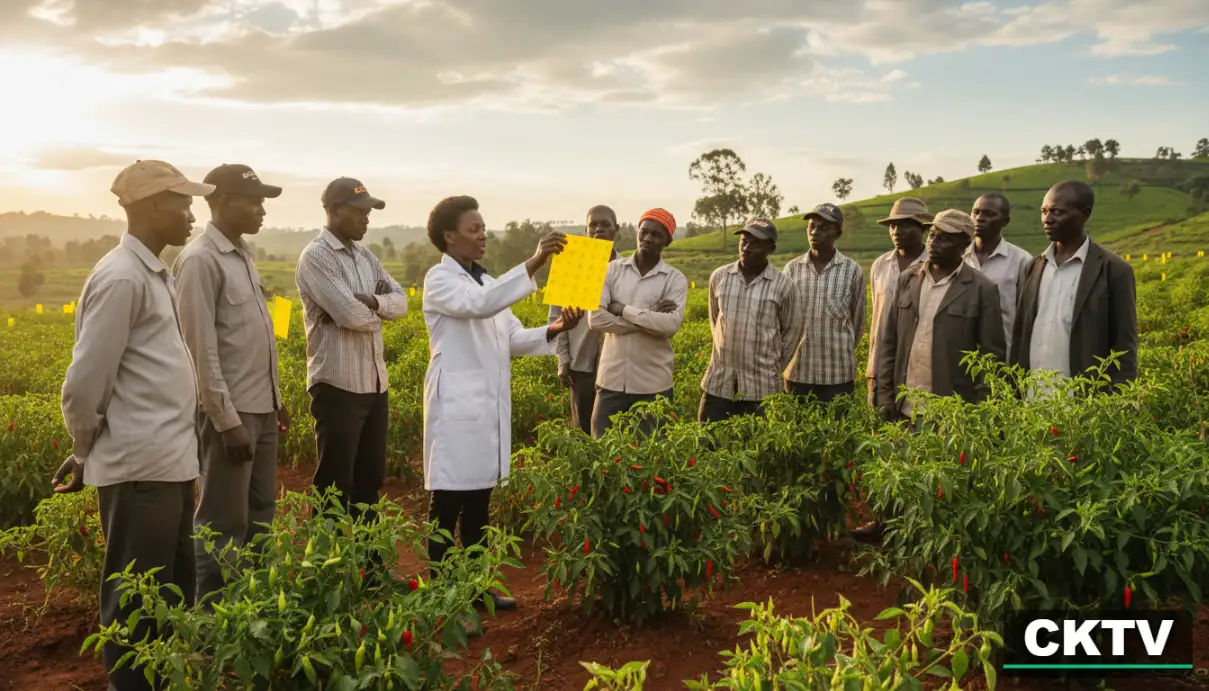
The most destructive pests are Thrips, Aphids, and Whiteflies, which also spread viruses. Diseases like Fusarium Wilt and Bacterial Wilt are common in poorly drained soils. In 2026, Integrated Pest Management (IPM) using sticky traps and bio-pesticides is the standard for export compliance.
The “Invisible Enemy” of chilli farming is the False Codling Moth (FCM). For export farmers, a single FCM found in a shipment can lead to a total ban of your produce in the EU market. In 2026, farmers are using pheromone traps to monitor and catch these moths before they lay eggs on the chilli pods. These traps are now widely available in agrovets across the country.
Thrips are another major concern. They attack the flowers, causing them to fall off, and they also scar the fruit, making it unmarketable for export. Management in 2026 involves using blue sticky traps and rotating between different classes of insecticides to prevent resistance. Biological controls, such as the use of predatory mites, are also gaining traction among large-scale organic-certified growers.
Dealing with Wilt
Bacterial wilt is devastating because there is no cure once a plant is infected. The only solution is prevention: practice crop rotation (never plant chillies after tomatoes, potatoes, or peppers), use certified seeds, and ensure your drainage is perfect. If a plant wilts, pull it out immediately and burn it to prevent the bacteria from spreading through the irrigation water or soil contact.
Read Also: Top 10 Best Maize Seeds in Kenya 2026: Prices, Yields & Highest Profit Varieties
Damping-off is a common nursery disease where young seedlings collapse at the base. This is usually caused by overwatering and poor ventilation. In 2026, farmers are using sterilized growth media and applying a copper-based fungicide once every 10 days in the nursery to keep these fungal pathogens at bay. A healthy nursery is 50% of the battle won.
Organic and Bio-Control
With the 2026 push for “Green Farming,” many exporters now prefer chillies treated with Neem oil or biological agents like Trichoderma for soil health. These methods are not only safer for the consumer but also prevent the pests from developing resistance to chemical sprays, which is a major problem with over-used synthetic pyrethroids. Bio-pesticides also help farmers meet the strict Maximum Residue Limits (MRLs) required for the European market.
Chilli Farming in Kenya for Export Market
Exporting requires registration with the Horticultural Crops Directorate (HCD) and obtaining a phytosanitary certificate from KEPHIS. Farmers must adhere to Maximum Residue Limits (MRLs) for pesticides and maintain a “traceability” book that records every activity from planting to harvest.
The export market is where the real money is, but it is not for the “lazy farmer.” In 2026, the European Union has tightened its “Green Deal” regulations. This means your chillies must not only be pest-free but also produced ethically. Working with an established export aggregator is the easiest entry point for a beginner. They provide the technical expertise and the “GlobalG.A.P” certification group-cover.
Kenya’s geographic location gives it a unique advantage in 2026. With improved cold-chain logistics at Jomo Kenyatta International Airport (JKIA), fresh chillies picked in Makueni on Monday can be on a supermarket shelf in London by Wednesday. This speed is what allows Kenyan farmers to compete with North African and Indian producers. However, maintaining that cold chain starts at the farm with proper pre-cooling.
Quality Grading
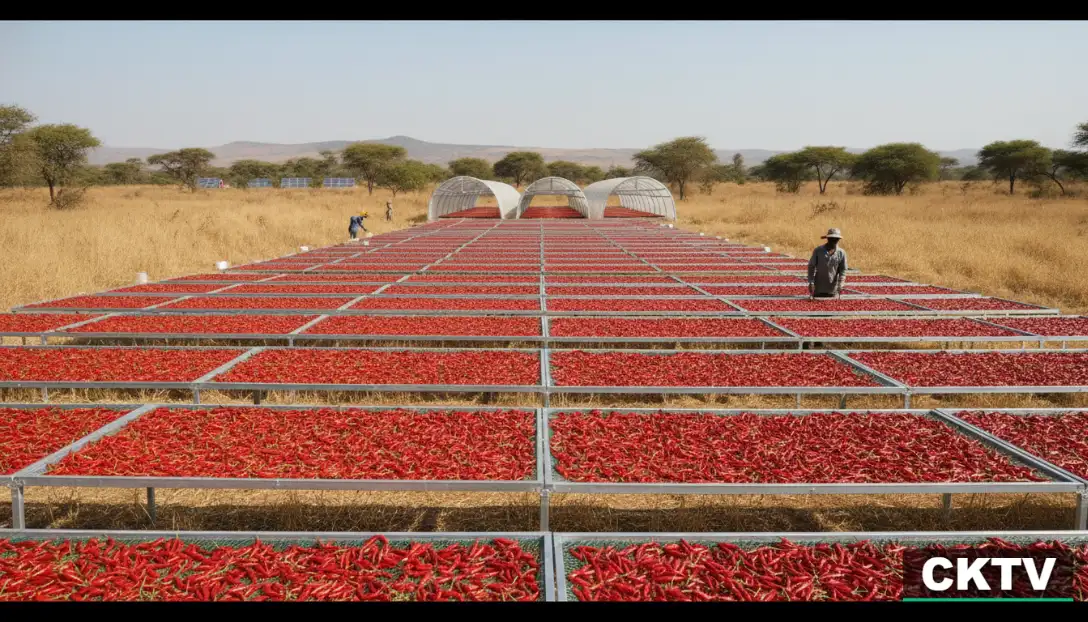
Export chillies are graded by size, color, and firmness. “Grade A” chillies must be uniform, free of sun-scald, and have the stalk (pedicel) still attached. If you are selling dried chillies, the moisture content must be below 12% to prevent mold growth during shipping. Solar driers have become an essential tool for 2026 export farmers to ensure clean, high-quality drying that meets international food safety standards.
Packaging also matters. Most exporters provide specialized crates or boxes for the farmers to use. Avoid using gunny bags for fresh chillies as they cause bruising and heat build-up, leading to rapid rotting. In 2026, many farmers are also exploring “Minimal Processing” (de-stalking and slicing) before export, which adds value and reduces shipping costs by removing the weight of the waste material.
Where to Sell Chilli in Kenya
Primary buyers include export companies like Vegpro and Sunripe, local processors like Peptang and Njoro Canning, and wholesale markets in Nairobi (Wakulima), Mombasa (Kongowea), and Kisumu. Digital platforms like M-Farm and Twiga Foods also offer reliable off-take for high-quality produce.
In 2026, the marketing of chillies has gone digital. Many farmers are joining WhatsApp groups and Telegram channels dedicated to “Chilli Aggregators.” Here, buyers post their daily requirements and prices. However, the most secure way to farm is through “Contract Farming,” where a buyer provides the seeds and technical support in exchange for a guaranteed supply at a fixed price. This protects the farmer from price crashes.
For the local market, don’t ignore the “Mama Mbogas.” While they buy in smaller quantities, they often pay higher retail prices than wholesalers. If you are near a major town, setting up a supply chain with local hotels and Indian restaurants can provide a steady, high-margin outlet for your freshest pods. These businesses value consistency and are often willing to pay KES 20-30 above the market rate for a reliable daily supply.
Industrial demand is also high. Companies that manufacture chili sauces, curry powders, and even medicinal balms are constantly in need of bulk supplies. These buyers usually prefer dried chillies, which are easier to transport and store. If your farm is far from Nairobi, focusing on the dried market reduces your logistical risks significantly. In 2026, the price for dried “Demon” variety chillies for industrial use is very attractive.
Risks and Challenges in Chilli Farming
Major risks include sudden market price crashes, crop failure due to extreme weather (drought or flooding), and rejection of export consignments due to pesticide residues or False Codling Moth infestation. Proper insurance and market diversification are the best mitigations.
The “Hard Truth” about chilli farming is that it is labor-intensive. During harvest, you need at least 5 people per acre to pick the chillies quickly. If labor is scarce in your area (e.g., during the coffee or tea picking seasons), your chillies will over-ripen on the plant, turning into “mush” and losing all market value. Always secure your labor force weeks before the harvest begins and consider offering performance bonuses for quality picking.
Price volatility is another reality. While export prices are stable, the local market can drop from KES 150 to KES 40 in a week if there is a glut. Successful farmers in 2026 are those who have the capacity to dry their excess chilli when prices are low, turning a perishable product into a shelf-stable one that can be sold when prices recover. Having a solar drier is no longer a luxury but a strategic business requirement.
Pests can wipe out an entire season’s work in days. Thrips, in particular, can be difficult to manage because they hide in the flowers. If you are not scouting your field every single morning, you might miss the early signs of an outbreak. In 2026, some advanced farmers are using drones for crop health monitoring, though for most, “eyes on the ground” remain the most reliable method of pest detection.
Is it worth it? (2026 Outlook)
Looking at the 2026 agricultural landscape in Kenya, chilli farming remains one of the top three “high-value” horticultural investments for small to medium-scale farmers. Its ability to provide weekly income, its relatively low water requirement compared to cabbage or tomatoes, and the growing global appetite for spicy foods make it a winner. However, it is only “worth it” for the farmer who treats it as a science rather than a hobby.
The shift toward sustainable and traceable food systems means that the barrier to entry is higher than it was five years ago. You need more than just land and water: you need knowledge. But for those who invest in that knowledge, the rewards are substantial. The export market alone is projected to grow by 12% annually through 2030, ensuring that the demand for Kenyan chillies will remain strong for the foreseeable future.
The Final Verdict
Chilli farming in 2026 is a “Systems Business.” You need a water system, a scouting system, and a marketing system. With a net profit potential exceeding KES 500,000 per acre, the reward justifies the effort. Start small with a quarter-acre to master the technicalities of the specific variety you choose, then scale up as you secure your export contracts. Agribusiness is the new frontier for wealth creation in Kenya, and chillies are leading the charge.
Farmers Also Ask
How profitable is chilli farming in Kenya per acre in 2026?
Net profits range from KES 450,000 to 850,000 per acre annually, depending on variety, management, and whether you target the export or local wholesale market.
What is the average yield of chilli per acre in Kenya?
A well-managed acre yields between 4,000kg and 8,000kg of fresh pods. High-yield F1 hybrids can reach up to 12,000kg with intensive fertigation and pest control.
How long does chilli take to mature in Kenya?
It takes 75 to 90 days from transplanting to the first harvest. The nursery stage adds another 30 to 45 days, totaling about 4 months from seed to harvest.
What is the current market price of chilli per kg in Kenya?
Fresh chilli prices in 2026 range from KES 120 to KES 200 per kg at the farm gate. Dried African Bird’s Eye can fetch KES 450 to KES 600 per kg.
Which chilli varieties are best for farming in Kenya?
African Bird’s Eye is best for export drying; Habanero and Cayenne are ideal for fresh export and local high-end markets; Bullet chillies dominate the local wholesale trade.
Is chilli farming in Kenya profitable for small-scale farmers?
Yes, because chillies provide a continuous weekly income from a small piece of land. A quarter-acre can comfortably sustain a household’s basic needs.
What are the startup costs for chilli farming per acre in Kenya?
Total startup costs in 2026 average KES 220,000 to KES 300,000 per acre, with the largest portion going toward drip irrigation and high-quality certified seeds.
How do you export chilli from Kenya to international markets?
Register with the HCD, obtain a KEPHIS phytosanitary certificate, comply with GLOBALG.A.P standards, and partner with a licensed horticultural aggregator or exporter.
What are the major challenges in chilli farming in Kenya?
Key challenges include False Codling Moth infestation, bacterial wilt, fluctuating local prices, high cost of quality seeds, and strict international pesticide residue limits.
What is the best climate and soil for chilli farming in Kenya?
Chillies thrive in warm climates (20-30°C) and altitudes below 1,500m. They require well-drained sandy loam soils with a pH of 6.0 to 6.5.