


- Commercial farming profitability in Kenya demands moving away from rain-fed monoculture toward verified high-value crops, precision drip irrigation, and soil-specific nutrition protocols.
- Initial startup budgets range from KSh 5,000 for urban multi-storey vertical gardens to over KSh 150,000 per acre for open-field commercial horticulture and fruit orchards.
- Long-term agricultural success requires linking directly to reliable buyers, tracking production costs down to individual inputs, and sourcing certified seedlings from accredited propagation nurseries.
Table of Contents
Farming in Kenya continues to serve as the backbone of household food security and rural enterprise. Entering 2027, the agricultural landscape requires precision, operational resilience, and direct alignment with real market demands. Escalating input costs, erratic rainfall patterns, and shifting consumer markets mean that traditional, unmeasured farming methods no longer protect capital. This operational master guide provides smallholders, commercial growers, and urban agribusiness investors with tested strategies, verifiable budgets, and field-proven practices required to establish profitable and sustainable farm operations nationwide.
1. Introduction to Farming in Kenya in 2027
Agriculture contributes roughly 20 to 25 percent of Kenya’s Gross Domestic Product directly and employs more than 40 percent of the total population. Transitioning to profitable farming in 2027 requires moving beyond speculative planting to data-driven crop selection, soil nutrient testing, reliable water sourcing, and calculated off-taker marketing agreements.
Data from the Kenya National Bureau of Statistics (KNBS), National Agriculture Production Report confirms that smallholder farming accounts for the overwhelming majority of total domestic food output. Despite its massive economic footprint, farming across our counties faces clear structural bottlenecks. Escalating commercial fertilizer prices, severe rainfall anomalies across the Arid and Semi-Arid Lands (ASAL), pest infestations such as the false codling moth and fall armyworm, and aggressive price suppression by middlemen in hubs like Marikiti in Nairobi or Kongowea in Mombasa continuously squeeze margins.
Read Also: Vertical Gardening in Kenya: Setup Costs, Best Crops and Profits in 2027
A common operational observation across our nursery supply operations is that beginner agribusiness investors regularly commit funds to land preparation and seed purchases before calculating their water balance or establishing who will purchase the harvest. Moving into 2027, farming can no longer be treated as a passive weekend retirement hobby. Achieving positive return on investment (ROI) requires rigorous planning, active management of soil biology, calculated selection of certified seeds, and complete literacy in farm input accounting.
2. Key Trends Shaping Kenyan Agriculture
Kenyan agriculture is transforming through climate-resilient crop genetics, high-efficiency micro-irrigation, localized digital advisory platforms, commercial contract farming arrangements, and crop diversification away from maize toward export-grade horticulture, spices, and commercial fruit orchards.
Climate-Smart and Climate-Resilient Agriculture
Unpredictable rainy seasons across counties like Machakos, Kitui, and Laikipia have made reliance on traditional bimodal rainfall obsolete. Climate-smart agriculture focuses on preserving topsoil structure and maximizing moisture retention. Minimum tillage, cover cropping using lablab or mucuna, and incorporating high-carbon farmyard manure reduce thermal stress on root systems. Furthermore, field trials conducted by the Kenya Agricultural and Livestock Research Organization (KALRO) demonstrate that adopting drought-tolerant open-pollinated and hybrid dryland varieties significantly reduces total crop failure risks during prolonged mid-season dry spells.
Irrigation and Water-Efficient Farming
Water security defines farm profitability. Flooding furrows wastes up to 60 percent of applied water through deep percolation and evaporation while leaching valuable nitrogen beyond the root zone. Contemporary commercial farming utilizes targeted drip lines fitted with pressure-compensating button drippers for orchards, or 16mm pre-punched drip tapes with 15cm to 30cm emitter spacing for dense vegetable beds. Smallholders increasingly invest in solar-powered submersible pumps, which eliminate recurring petrol and diesel expenses, paired with elevated UV-treated polyethylene water storage tanks to run gravity-fed drip networks.
Technology-Driven Agriculture
Data accessibility has shifted from expensive enterprise setups to practical mobile-first interfaces. Platforms such as the KALRO Kenya Digital Agriculture Platform provide real-time agro-weather advisories and pest surveillance updates. Soil analysis has evolved beyond slow wet-chemistry laboratories; portable digital spectrometer sensors now provide on-site readouts of pH, nitrogen, phosphorus, and potassium levels within forty-eight hours. Using automated digital record-keeping tools on standard smartphones allows growers to track daily labour units, agrochemical batch numbers, and production expenses accurately.
Commercial Farming and Agricultural Investment
National capital-intensive infrastructure frameworks, exemplified by the phased development of the Galana Kulalu Food Security Project, underscore the national push toward large-scale mechanized cereal production. For independent smallholder and medium-scale investors, the commercial frontier centers on organized out-grower contract farming. Exporters and food processors establish forward supply contracts for French beans, herbs, chilies, and processing tomatoes, shielding farmers from open-market price collapses by guaranteeing baseline farm-gate buying prices.
Read Also: 20 Best Vegetables to Grow in a Kitchen Garden in Kenya 2026: Complete Organic Growing Guide
High-Value Crop Diversification
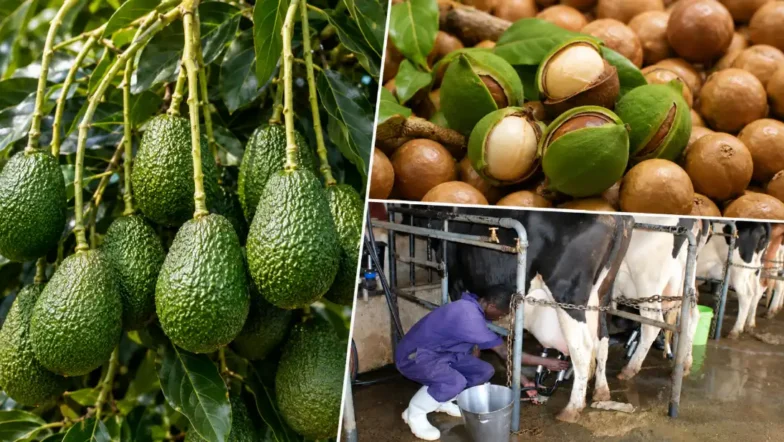
Relying exclusively on single-season staple crops like maize or common dry beans presents severe cash-flow risks. The national agricultural transformation agenda prioritized under the Fourth Medium Term Plan emphasizes high-value diversification. Allocating productive acreage to export avocados, macadamia, herbs, Asian vegetables, or grafted citrus allows farms to establish staggered, multiple income streams across twelve calendar months, spreading biological and market risks.
3. Most Profitable Farming Opportunities in Kenya
The most profitable agricultural ventures balance operational production costs against consistent domestic and export market demand. High-performing opportunities include indeterminate greenhouse tomatoes, bulb onions, Hass avocados, intensive poultry systems, commercial mushroom production, dairy goat husbandries, and Black Soldier Fly insect protein farming.
Vegetable Farming
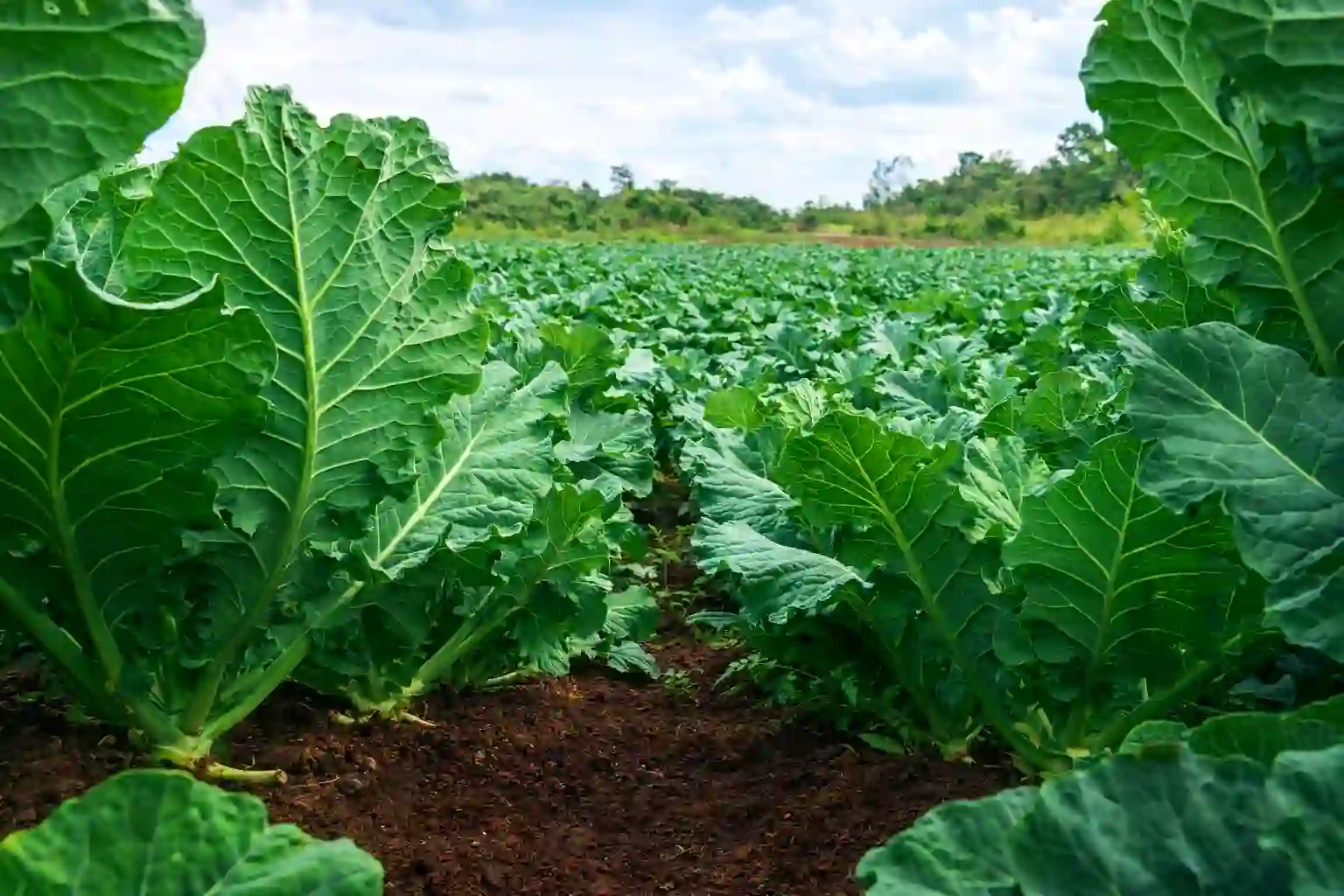
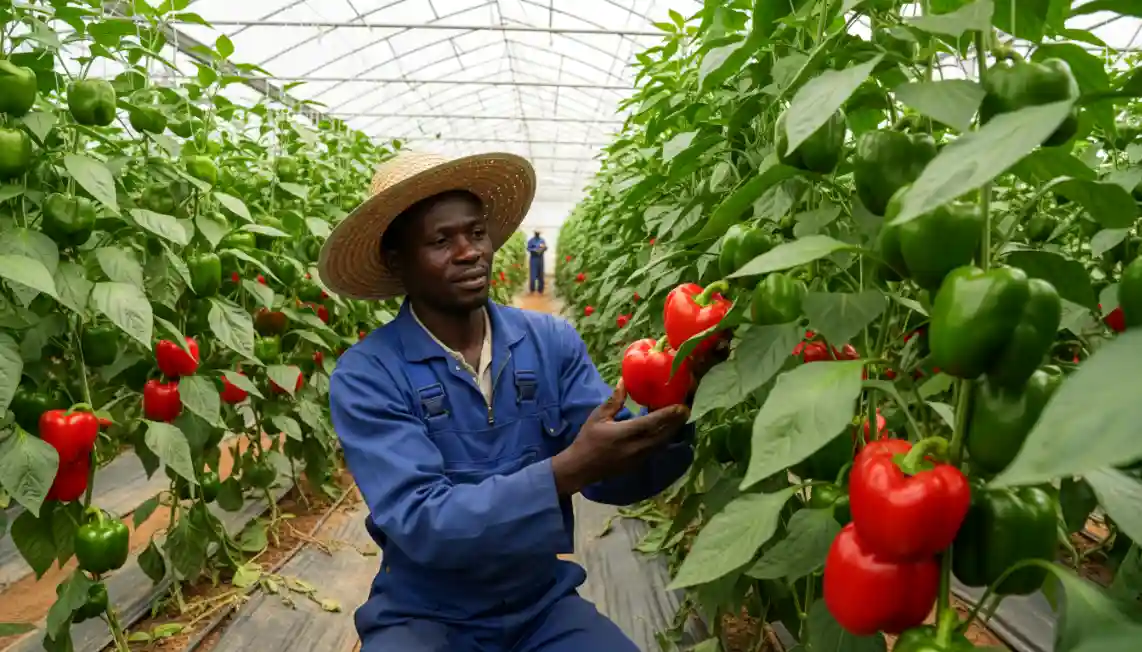
Commercial vegetable cultivation provides the most rapid cash-flow turnaround in Kenyan agriculture. Crops such as sukuma wiki (collard greens) and spinach yield continuously over several months when managed with proper nitrogen applications and consistent moisture. High-value choices like indeterminate hybrid tomatoes, red bulb onions, and sweet bell capsicum deliver exceptional gross returns per square meter, though they demand precise pest management protocols and disciplined scouting schedules.
Fruit Farming
Establishing commercial fruit orchards represents an enduring long-term investment. Export-grade Hass avocados, dwarf mangoes, Pixie oranges, and purple passion fruit generate sustained passive yields once the tree canopy reaches physiological maturity between years three and five. Success relies entirely on securing certified grafted planting stock from registered plant propagation nurseries to ensure early flowering, true-to-type varietal genetics, and rootstock resistance against soil-borne nematodes.
Mushroom Farming
Mushroom production delivers an exceptional yield-to-space ratio, making it an ideal agribusiness for peri-urban farmers with limited land. Cultivating oyster mushrooms (Pleurotus ostreatus) and white button mushrooms (Agaricus bisporus) occurs within darkened, climate-controlled cropping structures. Oyster mushrooms thrive on pasteurized agricultural residues including wheat straw, sugarcane bagasse, and shredded maize stalks. Sourcing contamination-free grain spawn, maintaining relative air humidity between 80 and 90 percent, and ensuring clean air exchanges determine success in this enterprise.
Poultry Farming
Commercial poultry production spans meat broilers, commercial table egg layers, and improved indigenous breeds like KALRO Kienyeji, Kenbro, and Kuroiler. While broilers offer rapid capital returns within 35 to 42 days, they operate on slim operational margins dictated by commercial feed prices. Improved indigenous poultry require longer production cycles of 4.5 to 5.5 months but demonstrate superior hardiness, lower housing capital expenditure, and command premium retail prices for both meat and organic eggs.
Dairy Farming
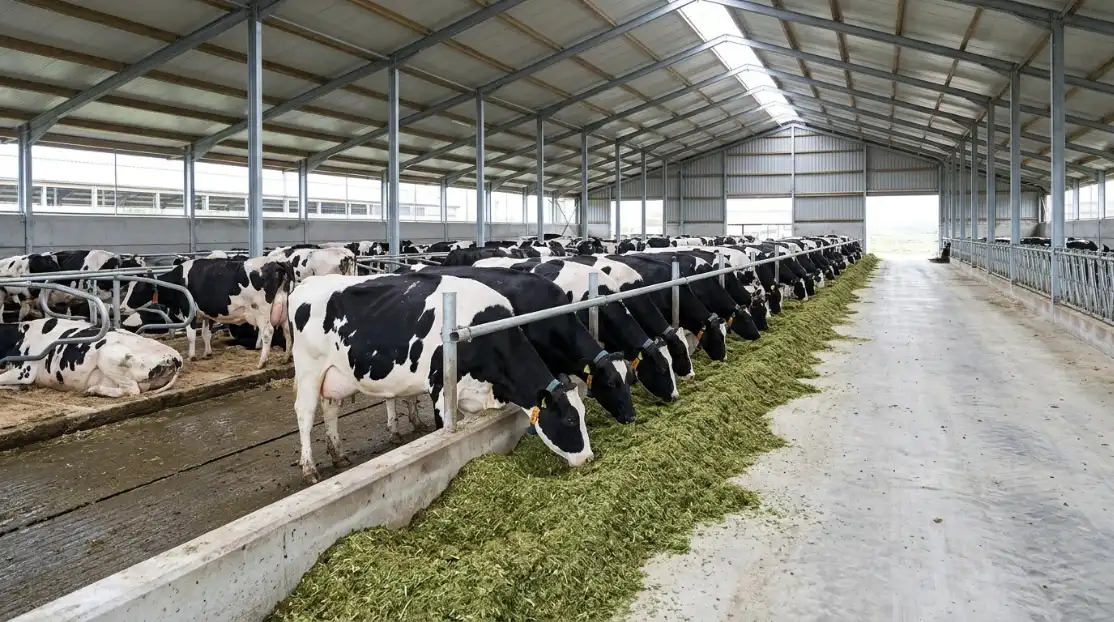
Dairy husbandry under complete zero-grazing structures maximizes milk yield per square meter in high-potential agricultural counties including Kiambu, Nandi, and Meru. Profitable zero-grazing depends heavily on high-energy, high-protein on-farm fodder preservation. Relying exclusively on commercial bagged dairy meal consumes up to 75 percent of gross milk revenue. Establishing high-yielding Super Napier (Pakchong 1), brachiaria grasses, and ensiled forage maize guarantees continuous, uniform lactation cycles regardless of dry seasons.
Goat Farming
Dairy goat farming utilizing European dairy genetics, primarily Toggenburg, Saanen, and British Alpine crosses, is expanding rapidly across smallholder farms. A healthy dairy doe consumes roughly one-tenth the dry feed biomass of a mature Holstein-Friesian cow while yielding between two and four liters of nutrient-dense milk daily. Goat milk consistently commands KSh 120 to KSh 180 per liter through health food markets and direct home delivery. In ASAL counties, meat goat production focusing on improved Galla goats offers rapid maturation and high meat conversion efficiency.
Fish Farming
Commercial aquaculture within excavated clay-lined earth ponds or modern high-density polyethylene (HDPE) fish liners provides sustainable protein production. Nile Tilapia (Oreochromis niloticus) and African Catfish (Clarias gariepinus) represent the standard commercial species reared in western Kenya, the central highlands, and the Lake Victoria basin. Water quality parameters, including dissolved oxygen levels, optimal water temperatures between 26 and 30 degrees Celsius, and high-protein extruded floating pellets, drive profitability.
Beekeeping and Honey Production
Modern apiculture utilizing Kenya Top Bar (KTB) hives or multi-box Langstroth hives converts dry, marginal, or forested acreage into steady revenue. Apart from generating pure crude and refined table honey, modern apiaries harvest valuable beeswax, propolis, and royal jelly. Siting apiaries near reliable water sources, away from noisy public thoroughfares, and within foraging distance of flowering crops significantly increases seasonal colonization rates and honey supers filling speeds.
Black Soldier Fly (BSF) Farming
Black Soldier Fly (Hermetia illucens) larvae production is reshaping sustainable livestock feeding. BSF farming converts municipal organic food waste, market greens, and brewery spent grain into high-value crude protein biomass containing up to 42 percent crude protein and 35 percent lipids. Harvested, blanched, and dried larvae directly replace costly imported fishmeal (omena) and soybean meal in poultry, pig, and fish feed formulations. Additionally, the residual digestion by-product, known as insect frass, serves as an exceptionally potent, slow-release bio-fertilizer rich in chitin and beneficial microorganisms.
Herb and Medicinal Plant Farming
Commercial production of culinary herbs and aromatics, including rosemary, sweet basil, French thyme, coriander, mint, and lemongrass, delivers rapid cash turnover per square meter. These crops demand well-drained soils, abundant sunlight, and strict adherence to Maximum Residue Limits (MRL) required by high-end local supermarkets and European export cargo consolidators. Value addition through simple solar dehydrators enables growers to package dried culinary flakes, mitigating perishable spoilage.
4. Vegetable Farming: Crops, Methods, and Markets
Vegetable farming in Kenya demands precise crop scheduling, rigorous nursery care, and structured pest prevention. Selecting well-adapted varieties, employing precise plant spacing, and targeting high-demand urban wholesale and retail distribution channels are fundamental to operating profitably.
Read Also: 5 Best Space-Saving Grow Bags in Kenya: Types, Prices, Uses & Where to Buy
Best Commercial Vegetable Crops in Kenya
Vegetable production represents the backbone of urban food supply and daily farm revenues across the country. The table below details verified field requirements for the primary commercial vegetables grown across major agricultural zones.
| Vegetable Crop | Recommended Varieties | Optimal Spacing | Maturity Window | Key Agronomic Focus |
|---|---|---|---|---|
| Sukuma Wiki | Sweet Georgia F1, Mfalme F1, Thousand-Head, Southern Georgia | 45cm x 45cm | 45 – 60 days | Sustained nitrogen nutrition; diamondback moth management |
| Spinach | Fordhook Giant, Giant Nobel | 30cm x 30cm | 50 – 60 days | Consistent soil moisture; partial shade in hot zones |
| Tomatoes | Zara F1, Anna F1, Kilele F1 | 60cm x 45cm | 75 – 90 days | Calcium management for blossom end rot; early blight control |
| Capsicum | Commandant F1, Buffalo F1 | 60cm x 45cm | 75 – 85 days | Thrips control; balanced potassium feed for firm fruit walls |
| Bulb Onions | Red Pinoy F1, Neptune F1 | 15cm x 10cm | 90 – 120 days | Curing post-harvest; downy mildew and thrips control |
| Cabbage | Gloria F1, Pruktor F1 | 60cm x 60cm | 75 – 90 days | Adequate calcium; black rot and aphid prevention |
| Managu (African Nightshade) | Local selection, KALRO Improved | 30cm x 15cm | 30 – 45 days | Organic manure application; continuous de-budding of flowers |
| Terere (Amaranth) | Traditional leafy amaranth | Broadcast / 20cm rows | 21 – 30 days | Rapid succession sowing; flea beetle monitoring |
| Kunde (Cowpea Leaves) | Machakos 66, KVU 27-1 | 30cm x 15cm | 25 – 35 days | Direct seeding; minimal synthetic inputs; drought hardy |
| Lettuce | Great Lakes, Iceberg selections | 30cm x 30cm | 60 – 75 days | Cool root zone temperature; tip-burn prevention via calcium |
Practical Step-by-Step Vegetable Cultivation Procedure
Achieving profitable yields requires completing field operations in a structured, sequential order rather than reacting to problems as they emerge:
- Conduct an accredited soil test to assess current soil pH and macro-nutrient base levels.
- Select certified hybrid or open-pollinated seed varieties matched to your elevation and temperature regime.
- Deep-till the farm soil to break hardpans, followed by fine harrowing to create a loose, friable tilth.
- Construct raised beds measuring one meter wide and twenty centimeters high to optimize drainage and root aeration.
- Incorporate well-decomposed, pathogen-free cattle or poultry manure at a baseline rate of five to ten tonnes per acre.
- Establish nursery seedlings within structured propagation trays utilizing fine, sterilized cocopeat growing media.
- Transplant hardened seedlings late in the afternoon or during overcast weather to eliminate thermal transplanting shock.
- Install targeted drip lines immediately to deliver precise moisture directly to juvenile root networks.
- Implement early preventative pest surveillance targeting whiteflies, thrips, and aphids using yellow and blue sticky traps.
- Apply targeted basal fertilizer during transplanting, followed by calculated foliar and top-dress nutrition plans.
- Harvest crops during cool early morning hours to preserve cellular moisture content and post-harvest shelf life.
- Grade and pack harvest lots into clean, ventilated plastic crates rather than overstuffed mesh sacks to avoid transit crushing.
Vegetable Farming in Small and Urban Spaces
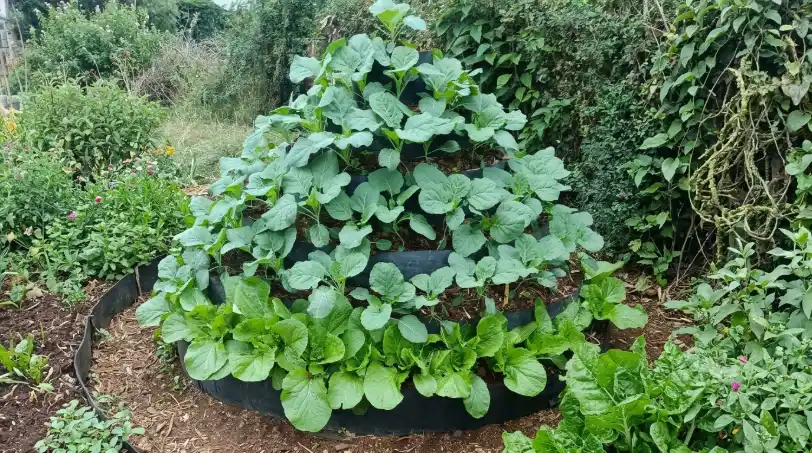
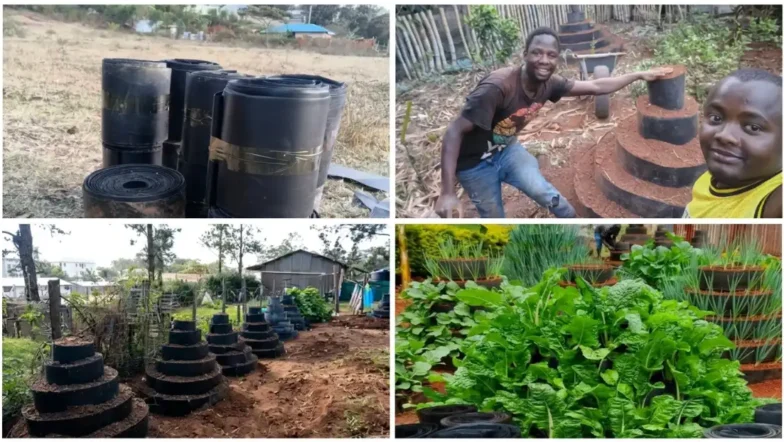
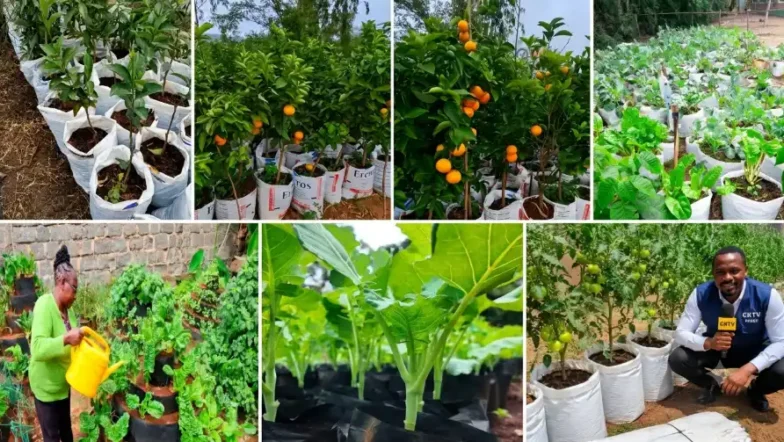
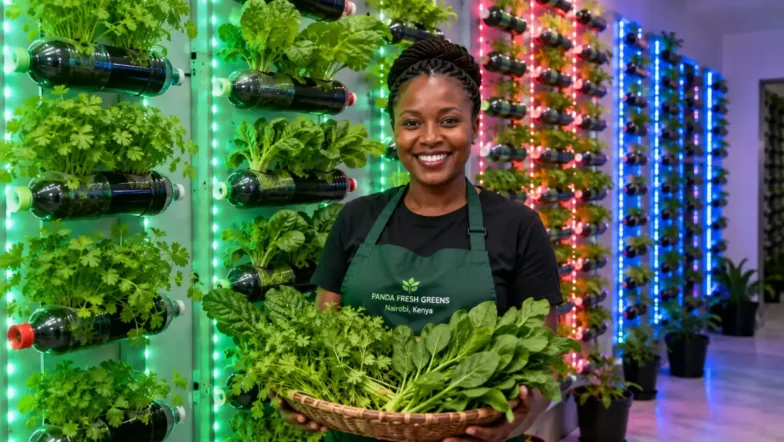
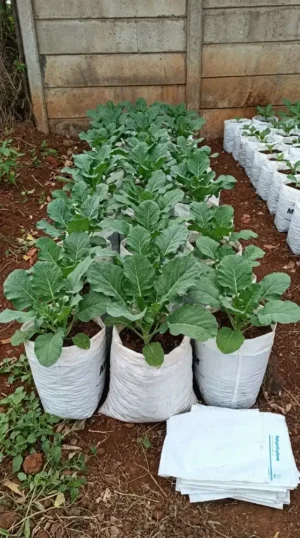
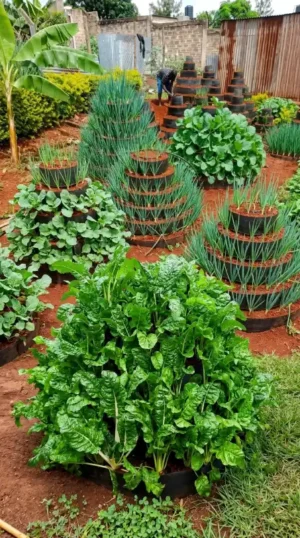
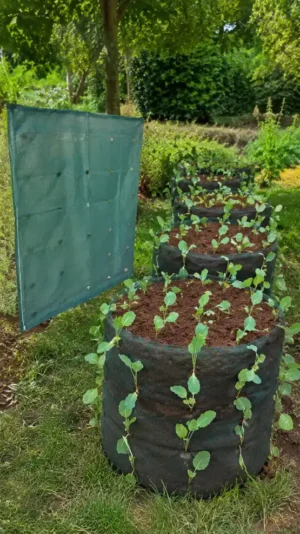
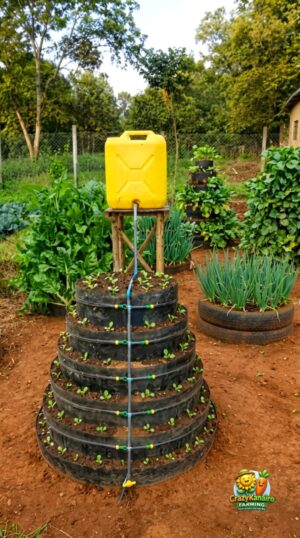
Urban and peri-urban land limitations across cities like Nairobi, Kisumu, and Nakuru have accelerated the adoption of space-efficient growing systems. Multi-storey vertical gardens fabricated from heavy-duty 0.5mm to 1.0mm UV-stabilized geomembrane material stack five to six circular tiers upward, concentrating sixty to eighty individual leafy vegetable plants into an operational footprint of barely one square meter. White UV-treated grow bags, containers, and raised modular timber boxes allow town dwellers to convert balconies, paved compounds, and flat rooftops into highly productive, pesticide-free home vegetable gardens.
5. Fruit Tree Farming: Varieties and Establishment
Commercial fruit orchards require verified grafted cultivars suited to regional microclimates. Long-term returns depend entirely on meticulous planting hole preparation, robust initial organic enrichment, regulated drip irrigation, canopy training through pruning, and strict phytosanitary fruit fly management.
Commercial Fruit Tree Selection
Establishing an orchard requires long-term capital commitment, making genuine varietal selection paramount. The Hass avocado remains the undisputed export leader due to its thick, durable pebbled skin and international culinary demand. In lower elevations and dry regions, grafted Pixie oranges, Washington Navel oranges, and dwarf Tommy Atkins or Apple mangoes deliver steady local and regional returns. Passion fruit (both purple and yellow grafted selections), tissue-culture bananas, dwarf hybrid pawpaws (such as Calina Papaya F1), and tree tomatoes (tamarrilo) provide earlier cash flows, often yielding sellable harvests within eight to twelve months of transplanting.
Grafted Seedlings Versus Seed-Grown Trees
Planting open-pollinated seeds directly from consumed fruits is a catastrophic mistake for commercial orchards. Seedling trees exhibit wide genetic variation, delayed juvenile phases lasting seven to twelve years, excessive upward vegetative growth that makes spraying difficult, and susceptibility to soil pathogens. Conversely, certified grafted seedlings unite a genetically superior, high-yielding scion with an adapted, disease-resistant rootstock. Grafted Hass avocados or Pixie oranges fruit reliably within two to three years, maintain manageable dwarf architectures, and produce uniform, market-standard fruits.
Step-by-Step Fruit Tree Planting Procedure
Proper planting hole preparation ensures vigorous early root exploration and accelerated vegetative framework development:
- Mark the orchard field precisely using a standard grid: Hass avocados require 5m x 5m to 7m x 7m; Pixie oranges require 4m x 4m; dwarf pawpaws require 2m x 2m.
- Excavate square planting holes measuring 60cm wide by 60cm long by 60cm deep, strictly separating topsoil from lower subsoil.
- Blend the excavated topsoil thoroughly with two large buckets (approximately 20kg to 30kg) of well-rotted farmyard manure and 150g of single superphosphate (SSP) or rock phosphate.
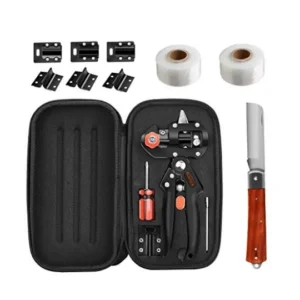
- Carefully slit the plastic potting bag using a sharp utility knife without disturbing or fracturing the delicate root ball.
- Position the root ball centrally in the hole, verifying that the grafting union remains at least 10cm clear above the finished ground level to prevent scion rooting.
- Backfill the manure-topsoil blend firmly around the root zone, gently tamping the soil to eliminate subterranean air pockets.
- Apply thirty to forty liters of water immediately around the root basin to settle the loose soil.
- Spread dry, disease-free organic straw or grass mulch around the base, maintaining a clear 15cm margin around the trunk to prevent fungal collar rot.
- Install sturdy wooden support stakes alongside the juvenile sapling and tie it loosely using soft twine to prevent wind damage.
Certified Agricultural Input Suppliers, Seed Varieties, and Procurement Sources
Securing authentic, disease-free certified inputs is the absolute baseline of profitable enterprise farming. Sourcing planting materials from unaccredited roadside vendors risks systemic viral infections, low germination, non-performing rootstocks, and complete crop failure. All legitimate input vendors must display current certification from the Kenya Plant Health Inspectorate Service (KEPHIS) or the Horticultural Crops Directorate (HCD).
Crazy Kanairo Smart Farming Products (Urban & Space-Saving Systems)
For high-density urban gardening, micro-irrigation setups, heavy-duty container units, and verified propagation seedlings, source directly from Crazy Kanairo Smart Farming. Orders can be placed online for nationwide courier delivery across Kenya.
- Catalog & Products:
- 6-Layer Multi-Storey Vertical Garden Towers: Heavy-duty, UV-stabilized 0.5mm–1.0mm geomembrane towers (holds 80 to 120 plants in a 1.6m base footprint); available with or without automated drip-irrigation kits.
- Grow Bags & Vertical Net Bags: White UV-treated vegetable grow bags (ideal for 1:1:1 soil/manure/cocopeat mixes), vertical planting net grow bags (1.3m tall, holding up to 85 plants), and heavy-duty 200kg silage bags.
- Nursery Bags & Media: Black seedling planting bags (packs of 100 in multiple sizes), plastic plug trays, premium moisture-retaining coco peat, and agricultural shade nets (55%, 75%, and 90% shading).
- Certified Seedlings & Planting Stock:
- Fruit Trees: Medium Grafted Hass Avocado, Grafted Pixie Orange, Grafted Washington Navel Orange, Giant Grape, High-Quality Tree Tomato, Purple Passion Fruit, Pawpaw Malkia F1, White Guava, and Exotic Pitaya (Dragon Fruit).
- Vegetable Plugs: California Wonder Capsicum, Thousand Headed Sukuma Wiki, Giant Strawberry plugs, and Moringa Oleifera.
- Hedging & Ornamental: Golden/Green Duranta, Kayaba (Kei Apple) live fencing, Alkeria Palm, and Yellow Acacia.
- Direct Contact & Fulfilment:
- Nursery & Depots: Kibiko (Jong’wa Area, Ngong) | Nairobi Hub | Countrywide Parcel Delivery.
- Direct Phone / WhatsApp Orders: +254 751 042 669
- Official Store Portal: https://crazykanairofarming.com/products/
Accredited Fruit Tree Nurseries & High-Value Varieties
When establishing commercial orchards, always verify that grafted seedlings feature clean graft unions and traceable KEPHIS certification tags.
- KALRO Practical Horticulture & Propagation Centers
- Varieties Available: Certified export-grade Grafted Hass and Fuerte Avocado, Grafted Pixie Orange, Washington Navel, Apple Mango, Tommy Atkins, Tissue-Culture Banana (Grand Naine, FHIA-17), and Purple Passion Fruit.
- Primary Locations: KALRO Thika (Horticulture Research Institute), KALRO Kandara, KALRO Kibos, and regional centers nationwide.
- Direct Contact: +254 722 206986 / +254 733 333223
- Official Portal: https://www.kalro.org
- Farmers Trend Propagation Nurseries
- Varieties Available: Traceable Grafted Hass Avocado, Grafted Purple Passion Fruit, Pixie Orange, Calina Papaya F1, Macadamia (Nelmak 1 & 2), and GI Giant Bamboo.
- Location: Murang’a Nursery & Regional Depots.
- Direct Contact: +254 790 509684 / +254 724 559286
- Official Portal: https://farmerstrend.co.ke
- Royal Seedlings Kenya
- Varieties Available: Certified Grafted Hass Avocado, Fuerte Avocado, Grafted Citrus, Tree Tomato (Tamarillo), and Dwarf Mangoes.
- Location: Karugia-Nguku Road, Murang’a County.
- Direct Contact: +254 711 315313
- Official Portal: https://royalseedlings.com
Certified Hybrid Seed Companies & Crop Selections
Commercial vegetable growers should select hybrid ($F_1$) varieties with built-in tolerance to field pathogens such as Bacterial Wilt, Blight, and Tomato Yellow Leaf Curl Virus (TYLCV).
- Kenya Seed Company (Simlaw Seeds)
- Key Varieties:
- Cabbage: Gloria F1, Pruktor F1
- Maize: H6214, H6218 (Highland), DH04, SC Dumbawi (Dryland/ASAL)
- Sukuma Wiki: Mfalme F1, Collard Southern Georgia
- Onions: Red Pinoy F1, Neptune F1
- Direct Contact: +254 722 205144 / +254 726 141856
- Official Portal: https://www.kenyaseed.com
- Key Varieties:
- Royal Seed (Kenya Highland Seed Ltd)
- Key Varieties:
- Tomatoes: Kilele F1, Zara F1, Anna F1 (Greenhouse Indeterminate)
- Capsicum: Commandant F1, Indra F1, Buffalo F1
- Spinach: Fordhook Giant
- French Beans: Teresa, Serengetti (Export grade)
- Direct Contact: +254 734 257638 / +254 722 201726
- Official Portal: https://royalseed.biz
- Key Varieties:
- East African Seed Company
- Key Varieties:
- Bulb Onions: Red Select F1, Jassor F1
- Watermelon: Sukari F1, Zebra F1
- Indigenous Greens: KALRO Managu (African Nightshade), Terere, Kunde (Cowpea KVU 27-1)
- Direct Contact: +254 722 207459 / +254 734 600645
- Official Portal: https://easeed.com
- Key Varieties:
Drip Irrigation, Solar Pumping & Equipment Suppliers
Installing proper drip lines and solar pumping systems ensures water-use efficiency and eliminates recurring fuel expenses.
- Amiran Kenya
- Equipment Supplied: Commercial UV-treated greenhouse kits, Amiran Farmers Kits (AFK), pressure-compensating button drippers, fertigation units, and solar pumps.
- Direct Contact: +254 719 095000 / 0800 720720 (Toll-Free)
- Official Portal: https://www.amirankenya.com
- Grekkon Limited
- Equipment Supplied: 16mm pre-punched drip tapes (15cm/20cm/30cm spacing), HDPE fish pond liners (0.5mm – 1.0mm), shade netting (30% – 80%), solar submersible water pumps, and rain hose kits.
- Direct Contact: +254 701 106004 / +254 722 372719
- Official Portal: https://grekkon.com
- DripTech Eco Flow Kenya
- Equipment Supplied: Multi-storey vertical garden geomembrane towers, gravity-fed vegetable drip line kits, disc/screen filtration units, and high-density UV grow bags.
- Direct Contact: +254 711 506453
- Official Portal: https://www.dripstech.co.ke
Soil Testing & Soil Remediation Laboratories
Before purchasing fertilizers or liming materials, test your soil chemistry to determine the exact pH, organic carbon levels, and nutrient deficiencies.
- Cropnuts (Crop Nutrition Laboratory Services)
- Services: Wet-chemistry soil analysis, soil pH correction advice, irrigation water suitability testing, and tissue analysis.
- Direct Contact: +254 799 444154 / +254 720 639933
- Official Portal: https://cropnuts.com
- KALRO National Agricultural Research Laboratories (NARL – Kabete)
- Services: Standard soil fertility testing, agricultural lime prescription, and compost quality audits.
- Direct Contact: +254 722 206986
- Location: Waiyaki Way, Kabete, Nairobi
6. Agroforestry and Commercial Tree Farming
Commercial tree farming and farm agroforestry enhance biological soil conservation, provide permanent boundary windbreaks, and produce reliable timber, construction poles, and animal forage. Success depends on planting the right species for the specific landscape to avoid ground-water depletion.
Fast-Growing Commercial Trees
Fast-growing timber and utility pole species provide substantial long-term balance sheet value to rural farms. Grevillea robusta remains a premier agroforestry selection because its deep taproot system penetrates straight down without competing aggressively with neighboring shallow-rooted food crops. Eucalyptus grandis and hybrid clones grow rapidly and produce heavy timber; however, they must never be planted near riparian corridors, wetlands, or bordering active vegetable plots due to their aggressive water uptake. For fodder and soil nitrogen fixation, Sesbania sesban and Calliandra calothyrsus provide nutritious forage for zero-grazed dairy livestock while improving soil fertility.
Indigenous Trees, Shade, and Nursery Operations
Integrating resilient indigenous species, including Markhamia lutea, Croton megalocarpus, and Acacia tortilis, maintains vital biodiversity balances and provides enduring shade, exceptional high-density charcoal fuel, and medicinal bark. Establishing an on-farm tree nursery offers an accessible commercial side enterprise. Sourcing authentic tree seeds from authorized agencies like the Kenya Forestry Research Institute (KEFRO), utilizing polythene potting tubes filled with forest soil and sand mixtures, and providing disciplined shade netting regimes allows growers to sell hundreds of healthy saplings each rainy season.
7. Livestock Husbandry and Integrated Farming
Integrated crop-livestock farming creates closed-loop circular nutrient cycles that slash external production costs. Livestock convert on-farm crop residues into nutrient-rich organic manures, while poultry and aquaculture can utilize insect proteins derived from recycled farm organic wastes.
Smallholder Livestock Systems
Modern livestock operations prioritize density and feeding efficiency. Improved indigenous poultry, maintained under structured semi-intensive housing, require complete biosecurity footbaths, structured vaccination schedules against Newcastle Disease and Gumboro, and supplemental feeding. Zero-grazing dairy units demand well-ventilated, slip-proof concrete floors with properly sloped drainage channels leading directly into manure storage pits. Dairy goat farming requires raised slatted timber housing floors to keep animal hooves clean and dry, preventing deadly foot rot and internal parasite infestations.
Circular Agricultural Integration
Integrating production lines generates compounding farm efficiencies:
- Cereal straw, bean haulms, and overgrown leafy vegetables serve as daily bulk forage and bedding for dairy cows and goats.
- Fresh cow dung feeds underground masonry biogas digesters, generating methane gas for household cooking while yielding nutrient-rich bio-slurry for vegetable top-dressing.
- Cattle and poultry manure undergo thermophilic composting before application to vegetable beds and fruit tree basins, building durable humic soil reserves.
- Black Soldier Fly production colonies convert kitchen scraps and spoiled vegetables into fresh protein feeds for free-range chickens and fish ponds.
- Strategically placed commercial honeybee hives adjacent to avocado and passion fruit orchards radically improve flower pollination efficiency, increasing fruit set by up to 30 percent.
8. Modern Farming Methods and Water Systems
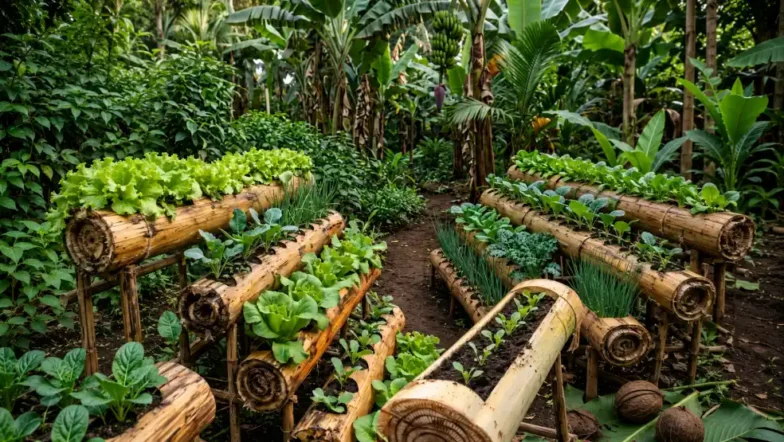
Modern farming methods overcome land scarcity and water unpredictability. By adopting hydroponic nutrient channels, protected climate-controlled greenhouses, multi-storey vertical gardens, and solar-powered drip irrigation, farms achieve steady production year-round.
Vertical, Hydroponic, and Container Farming
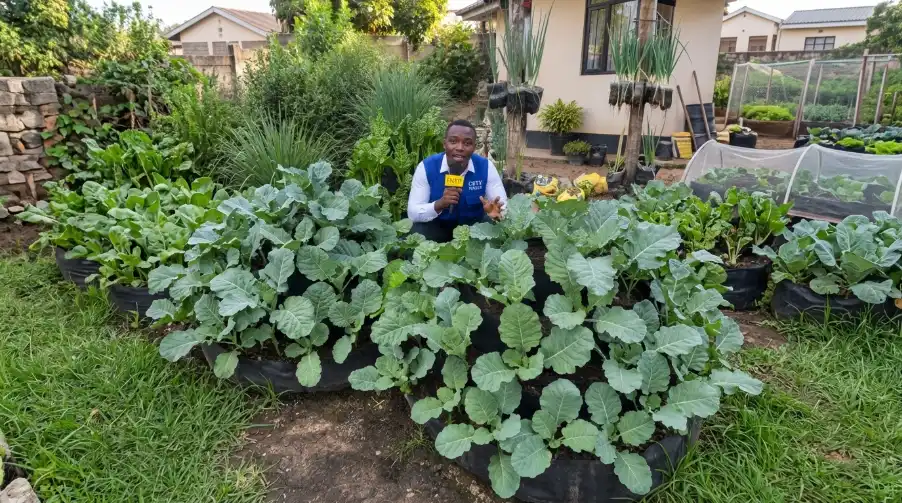
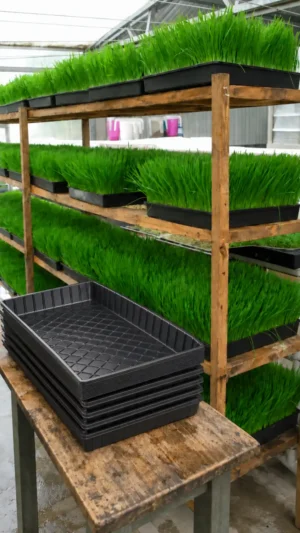
Modern intensive systems maximize yield per square meter through soilless or vertical media formats. Hydroponics circulates water enriched with mineral salts directly across exposed root zones via nutrient film technique (NFT) gullies or Dutch buckets, slashing water consumption by over 80 percent compared to conventional open-field furrows. For urban backyard growers, white UV-treated grow bags and multi-storey vertical garden towers eliminate soil-borne pathogens entirely, allow precise moisture delivery, and protect vulnerable roots from the blistering thermal radiation associated with thin, un-stabilized black plastic containers.
Protected Greenhouse Systems
Greenhouse farming provides a controlled environment that buffers high-value crops against erratic weather, torrential hail, and pest invasions. Modern 8m x 30m or 8m x 15m wooden or galvanized steel structures clad in 200-micron UV-stabilized polythene sheeting create optimal microclimates for indeterminate tomatoes, sweet peppers, and seedless cucumbers. Maximizing greenhouse ROI requires strict adherence to ventilation controls through side-netting skirts, disciplined pruning to single or double stems, and daily monitoring of fertigation concentrations using electrical conductivity (EC) meters.
Drip Irrigation Comparison
Water application methods directly influence crop yield, disease pressure, and operating costs. The table below compares the standard irrigation formats utilized across Kenyan commercial farms.
| Irrigation System | Water Efficiency | Initial Capital Cost | Operational Labour | Best Agricultural Application |
|---|---|---|---|---|
| Targeted Drip Irrigation | 90 – 95 percent | Moderate to High | Very Low | Commercial vegetables, greenhouse crops, commercial orchards |
| Overhead Sprinkler | 60 – 70 percent | Moderate | Moderate | Pastures, broad-acre lucerne, open-field carrot beds |
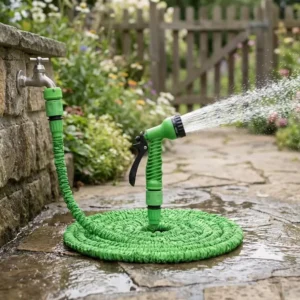
| Manual Hose / Bucket | 40 – 50 percent | Very Low | Extremely High | Small micro-kitchen gardens, backyard seedling nurseries |
| Gravity-Fed Drip System | 85 – 90 percent | Low to Moderate | Low | Sloping terrain, smallholder multi-storey vertical units |
| Solar Submersible Pumping | 90 – 95 percent (with drip) | High Initial Investment | Very Low | Off-grid ASAL commercial farms, deep borehole extractions |
9. Agricultural Technology and Digital Tools
Digital farming tools optimize input usage and protect crop health through real-time agro-meteorological advisories, on-site digital soil chemistry assessments, and mobile-based commodity price updates.
Adopting digital agriculture no longer requires large-scale capital investments. Smallholders and enterprise growers actively leverage platforms like the Kenya Agricultural Observatory Platform (KAOP) to obtain accurate, seven-day regional precipitation forecasts, eliminating the financial risk of broadcasting expensive seed into bone-dry seedbeds. Mobile digital extensions, including KALRO Good Agricultural Practice (GAP) mobile applications and services such as iShamba, provide verified pest identification guides and management recommendations directly to operators in the field.
Read Also: Vertical Hydroponics vs. Soil Farming: 5 Reasons Why Vertical Wins 2026
Transparent market pricing discovery has also eliminated traditional information asymmetry. Through digital platforms like the Kenya Agricultural Market Information System (KAMIS) and coordinated farmer WhatsApp aggregation networks, growers track daily wholesale movements across major urban centers. Documenting everyday farm operations through basic digital spreadsheet tools or dedicated farm record-keeping apps ensures precise tracking of fertilizer applications, labour costs, and daily milk or egg collections, simplifying tax compliance and seasonal profit-and-loss assessments.
10. Starting Farming with Limited Capital
Starting an agribusiness with limited funds requires launching operations in high-turnover micro-ventures that do not require land ownership. Utilizing leased plots, multi-storey vertical gardens, or commercial seedling propagation allows entrepreneurs to grow their operational capital progressively.
Farming Without Land Ownership
A lack of inherited or titled land should not halt agricultural ambitions. Urban and peri-urban entrepreneurs routinely lease underutilized residential backyards, church plots, or institutional grounds to install multi-storey vertical garden towers and grow bag units. Outside urban centers, arable agricultural land across counties like Machakos, Nakuru, and Murang’a leases at accessible annual rates ranging from KSh 5,000 to KSh 15,000 per acre. Negotiating multi-season written lease agreements provides the operational stability needed to cultivate short-season horticultural crops without committing massive capital to land purchases.
Realistic Startup Budget Frameworks
Capital determines operational scale and choice of agricultural enterprise. The table below outlines practical entry points across common Kenyan investment tiers.
| Investment Budget | Practical Agricultural Enterprise | Primary Equipment and Inputs Acquired |
|---|---|---|
| KSh 5,000 | Backyard Kitchen Garden | Two UV-treated grow bags, certified kale/spinach seeds, planting media, manual spray bottle |
| KSh 10,000 | Urban Multi-Storey Garden | One 6-layer geomembrane vertical garden tower, organic manure, 60 hybrid seedlings, hand tools |
| KSh 20,000 | Commercial Seedling Nursery | Seedling propagation trays, cocopeat growing media, hybrid tomato/pepper seeds, shade netting |
| KSh 50,000 | Eighth-Acre Open-Field Horticulture | Land preparation, leased plot, baseline gravity drip kit, certified seeds, basal/foliar fertilizers |
| KSh 100,000 | Quarter-Acre Commercial Irrigation | Solar or petrol water pump, 5,000L storage tank, commercial drip line network, agrochemicals |
11. Soil Preparation, Testing, and Fertility
Restoring soil fertility requires comprehensive chemical testing followed by targeted remediation. Balancing soil pH through agricultural lime, applying well-cured organic compost, and matching inorganic inputs to specific crop nutrient withdrawals prevents progressive soil acidification.
Kenyan agricultural soils vary widely by region, from the deep, acidic volcanic soils of the central highlands and Rift Valley tea zones to heavy swelling black cotton clay soils in low-lying plains, and open sandy soils across coastal and eastern regions. Continuous, unmonitored use of diammonium phosphate (DAP) fertilizer has driven soil pH across major grain-producing zones below 5.0, locking up essential phosphorus and micro-nutrients while inducing toxic aluminum availability. Correcting this requires routine soil testing before every planting season, applying finely ground agricultural lime or dolomitic limestone to raise the pH back to the optimal 6.0 to 6.8 range.
Building long-term soil structure requires substantial additions of stable organic matter. Incorporating fully matured farmyard manure, decomposing green manures, and retaining crop residues builds biological soil health. When inorganic fertilizers are required, splitting applications and transitioning toward balanced compound fertilizers like NPK 17:17:17, NPK 23:23:0, or water-soluble calcium nitrate ensures steady nutrient uptake without causing salt stress in the root zone.
12. Certified Seeds, Seedlings, and Input Quality
Using certified seeds and verified grafted plant stock ensures high germination rates, disease resistance, and true-to-type harvest quality. Verifying KEPHIS certification labels prevents catastrophic losses caused by counterfeit agricultural inputs.
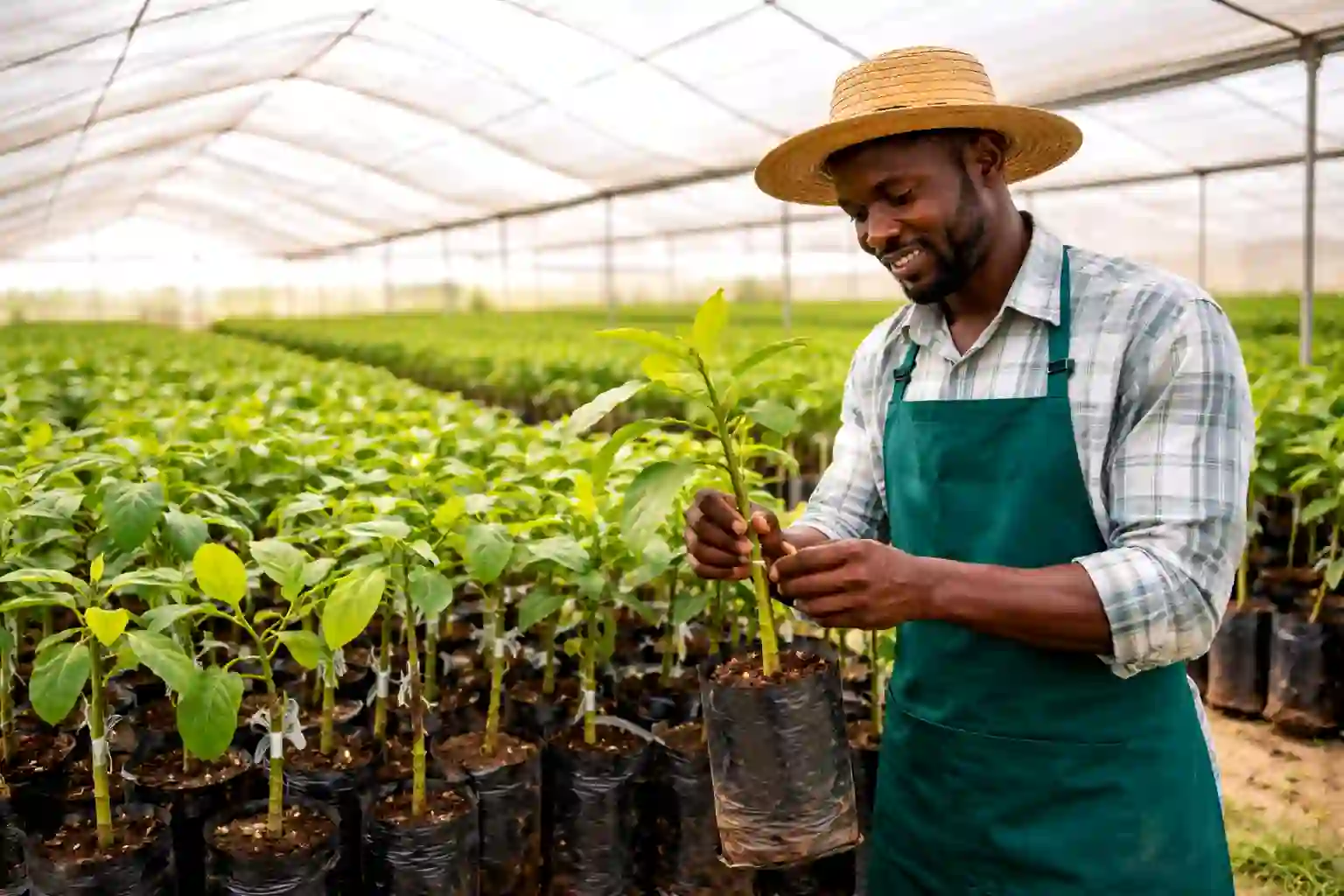
The quality of initial planting material determines the ultimate yield ceiling of any crop. Planting cheap uncertified seed packets bought from unaccredited open-air market stalls regularly leads to disastrous crop failures, low germination rates, and the introduction of devastating seed-borne bacterial and viral infections. The Kenya Plant Health Inspectorate Service (KEPHIS) mandates that all commercial seed stock carry official certification labels equipped with scratch-off security verification codes that confirm legitimacy via SMS.
When investing in grafted fruit trees like Hass avocados, mangoes, or citrus, buying exclusively from KEPHIS-registered propagation nurseries guarantees that the scions originate from disease-free, high-bearing mother orchards. At Crazy Kanairo Farming, nursery observations continually reveal that farmers who invest in sturdy seedlings raised in professional seedling trays using sterile cocopeat media experience near-zero field transplanting shock and achieve field uniformity that direct-seeded crops cannot match.
13. Irrigation Infrastructure and Water Security
Sustainable irrigation infrastructure requires calculating seasonal crop water requirements, establishing dependable storage reservoirs, and selecting energy-efficient distribution systems suited to the farm’s topography.
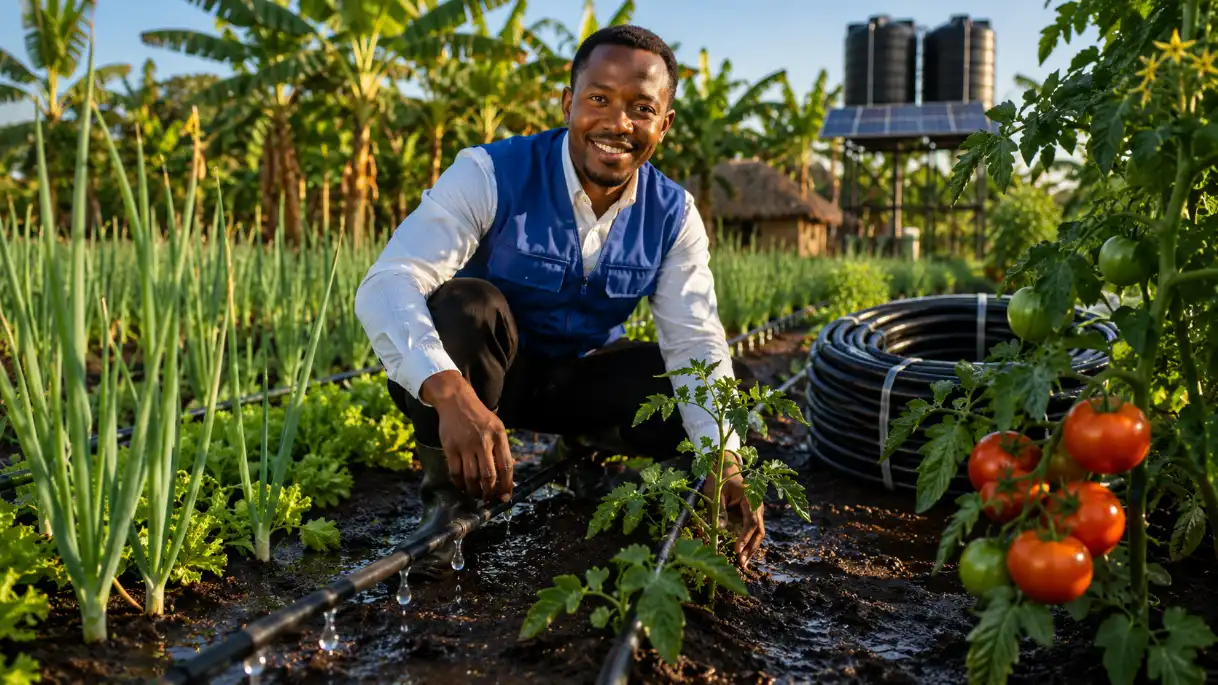
Relying on uncertain rainfall patterns puts commercial farming operations at constant risk. Developing a secure farm water infrastructure begins with a realistic water audit. A single acre of commercial open-field vegetables typically requires between 20,000 and 30,000 liters of water weekly during hot, cloudless dry spells. Establishing deep boreholes, excavating farm runoff retention water pans lined with 0.5mm to 1.0mm HDPE dam liners, or installing rooftop rainwater harvesting systems on farm outbuildings provides vital operational insurance.
Water distribution systems must prioritize energy efficiency. High-lift petrol and diesel pumps incur steep running fuel costs that can consume the bulk of seasonal vegetable revenues. Transitioning toward modern brushless DC solar submersible pumping systems eliminates monthly operational fuel bills entirely. Combining elevated balance storage tanks with low-pressure, gravity-fed drip networks delivers steady, uniform emitter discharge across sloped and flat terrains alike.
14. Integrated Pest and Disease Management
Integrated Pest Management (IPM) controls crop threats by combining continuous field scouting, cultural crop rotation, physical insect traps, biological predation, and selective chemical interventions that observe strict pre-harvest intervals.
Effective crop protection relies on structured pest prevention rather than reactive, heavy chemical spraying after crops are already infested. Common insect pests across Kenya, such as the tomato leafminer (Tuta absoluta), red spider mites, fall armyworm, flower thrips, and aphids, rapidly build resistance to synthetic chemical sprays when growers use the same active ingredients repeatedly. Implementing an Integrated Pest Management (IPM) protocol combines weekly physical crop monitoring with cultural, physical, and biological management techniques.
Read Also: Multi-Storey Vertical Garden Farming in Kenya: Complete Setup Guide 2026
Field-proven cultural strategies include four-season crop rotations that alternate solanaceous plants (tomatoes, potatoes, peppers) with brassicas (cabbage, kale) and legumes (beans, peas) to break insect breeding and soil pathogen life cycles. Using bright yellow and blue sticky traps alerts growers to incoming migrations of whiteflies and thrips before large colonies establish. When chemical controls become unavoidable, applying targeted, biorational insecticides and strictly respecting the manufacturer Pre-Harvest Interval (PHI) prevents dangerous chemical residues from reaching end consumers.
15. Sustainable and Organic Agricultural Practices
Sustainable agriculture safeguards long-term farm productivity by enhancing biological diversity, preventing soil erosion through terracing, and building deep reserves of organic matter without relying entirely on synthetic chemical inputs.
While certified organic farming strictly forbids synthetic chemical fertilizers and manufactured pesticides, broader sustainable agriculture focuses on overall ecological balance and resource efficiency. Core sustainable practices include intercropping heavy nitrogen-consuming vegetables with grain legumes like cowpeas or climbing beans to support biological atmospheric nitrogen fixation. Deep field mulching with dry vetiver grass, clean cereal straw, or coffee husks reduces soil surface evaporation, buffers root systems against midday heat, and suppresses weed emergence.
Physical soil conservation measures are essential across undulating and hilly farming regions. Constructing stabilized Fanya Juu and Fanya Chini terraces stabilized with dense Vetiver or Napier grass prevents torrential seasonal rains from stripping valuable topsoil. Integrating biological waste cycles, including spraying beneficial mycorrhizal fungi, applying compost teas, and re-incorporating spent animal bedding, steadily rebuilds natural microbial soil networks that protect crops against pathogenic soil fungi.
16. Farm Enterprise Budgeting and Profit Calculation
Accurate farm financial accounting requires tracking all operational expenditures including land preparation, certified seed stock, specialized nutrition, irrigation water pumping, hired labour, transport, and equipment depreciation to determine real net profit.
Financial Accounting Fundamentals
Many farming ventures stumble financially because owners confuse gross sales revenue with genuine operational profit. Gross revenue represents the total money received from selling produce at the farm gate or wholesale market. Net profit is the cash remaining only after subtracting every direct and indirect production expense, including equipment depreciation, transport fuel, handling fees, and the cost of the farmer’s own administrative time.
Commercial Field Budget Model: One Acre Open-Field Hybrid Bulb Onions
The financial projection below outlines verified input expenses and market returns for an acre of open-field hybrid red bulb onions grown under commercial drip irrigation over a 120-day production cycle in 2026/2027.
| Operational Expense Category | Unit Quantity and Detail | Average Cost (KES) |
|---|---|---|
| Land Lease and Preparation | 1 Acre; Deep ploughing, fine harrowing, bed shaping | 16,000 |
| Certified Hybrid Seed | 1.0 kg Red Pinoy F1 / Neptune F1 certified seed | 28,000 |
| Nursery Propagation Supplies | Seedling trays, cocopeat media, nursery shade nets | 12,000 |
| Basal and Top-Dress Fertilizers | DAP, Calcium Nitrate, Multi-K Potassium Nitrate | 32,000 |
| Organic Soil Conditioning | 10 Tonnes well-cured composted cattle manure | 20,000 |
| Crop Protection Agrochemicals | Preventative fungicides and targeted insecticides | 15,000 |
| Irrigation Operational Energy | Pumping fuel/solar power allocation over 16 weeks | 14,000 |
| Manual Field Labour Units | Transplanting, weeding, spraying, harvesting, curing | 35,000 |
| Harvest Packaging & Logistics | Ventilated net bags; transport logistics to wholesale hub | 22,000 |
| Total Production Expenditure | Complete 120-Day Production Cycle | 194,000 |
Assuming good management practices, verified average market yields reach approximately 14,000 kilograms of marketable cured bulb onions per acre. Realized wholesale prices fluctuate seasonally, ranging from conservative lows of KSh 40 per kilogram during peak harvest gluts to highs exceeding KSh 90 per kilogram during supply shortages.
- Conservative Scenario (14,000 kg sold at KSh 45/kg): Gross Revenue = KSh 630,000. Net Profit = KSh 436,000.
- Optimal Market Scenario (14,000 kg sold at KSh 70/kg): Gross Revenue = KSh 980,000. Net Profit = KSh 786,000.
Strategies to Lower Farm Production Costs
Maximizing farm margins requires continuous cost discipline rather than simply hoping for high market prices. Establishing on-farm seedling nurseries cuts planting material expenses by half compared to purchasing fully grown nursery plugs. Investing in long-lasting, UV-stabilized drip irrigation systems reduces seasonal weeding and water pumping expenditures. Aggregating farm input purchases through local farmer groups enables access to genuine wholesale pricing for high-volume inputs like fertilizers and crop protection products.
17. Agricultural Marketing and Distribution Channels
Profitable farm marketing requires establishing reliable buyers before transplanting crops into the field. Diversifying across institutional supply contracts, open wholesale markets, and direct-to-consumer social platforms prevents reliance on predatory middlemen.
Direct Consumer and Institutional Sales
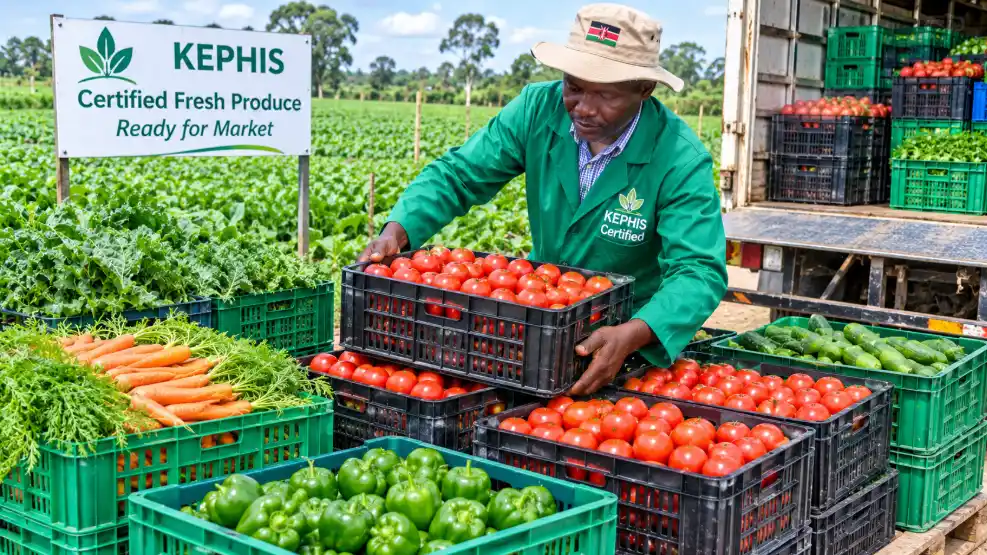
Bypassing traditional wholesale brokers requires establishing direct commercial relationships with end consumers and food service operators. Supplying regional boarding schools, hospitals, local hotels, and restaurants provides predictable weekly order volumes at stable, pre-negotiated prices. Success with institutional buyers depends on maintaining dependable supply schedules, delivering uniform produce grading, and providing proper business delivery notes and invoices.
Navigating Traditional Wholesale Markets
Selling through major wholesale food hubs such as Marikiti in Nairobi, Kongowea in Mombasa, or the Kisumu Jubilee Market requires a clear understanding of supply dynamics. Wholesale produce prices vary hour by hour based on overnight truck deliveries from across the country and neighboring borders. When using these markets, farmers should partner with trusted transport consolidators, use standardized produce crates to prevent transit damage, and harvest early in the week to avoid weekend delivery backlogs.
Digital Marketing and Value Addition
Modern commercial farmers actively use digital tools to market their harvests directly. Visual platforms like TikTok, Facebook Groups, and WhatsApp Business allow growers to showcase their production standards, publish harvesting schedules, and take direct orders from urban estate residents. Adding value through simple processing, such as cleaning, solar-drying, and heat-sealing herbs, packing trimmed vegetables into branded packs, or extracting cold-pressed oils, significantly increases shelf life and profit margins.
18. Government Support, Extension, and Training
Kenyan farmers access institutional backing through subsidized fertilizer distribution programs, KALRO regional training centers, KEPHIS export certifications, and targeted development funds available through county agricultural extension offices.
Navigating the institutional landscape allows farmers to leverage vital public resources. The Ministry of Agriculture and Livestock Development continues to implement targeted fertilizer subsidy programs accessible through digital e-vouchers registered via local chief administration offices, lowering standard 50kg planting and top-dressing fertilizer prices to KSh 2,500. Agricultural training institutions, such as the regional Agricultural Training Centres (ATCs) situated across various counties, deliver affordable hands-on short courses in dairy management, horticulture, and apiculture.
Read Also: Vertical Gardening in Kenya: Setup Costs, Best Crops and Profits in 2027
Agribusiness operators can also partner with reputable research institutions. KALRO regularizes open field days and releases verified agronomic research across its research stations nationwide. For operators targeting high-value overseas export markets, KEPHIS provides plant health phytosanitary inspection services and export certification protocols that ensure Kenyan farm consignments comply with strict international trade standards.
19. Fifteen Common Farming Mistakes to Avoid
Kenyan farmers frequently encounter losses by planting speculative crops without clear market demand, skipping soil testing, utilizing cheap uncertified planting stock, and mismanaging daily farm finances.
- Planting crops speculatively during high-profile production frenzies without first securing verified market off-takers.
- Selecting crop varieties that are poorly suited to the farm elevation, seasonal temperatures, or local soil profiles.
- Purchasing uncertified seeds or unverified grafted seedlings from unlicensed roadside vendors to cut initial costs.
- Skipping chemical soil tests and relying on guesswork to determine fertilizer applications, resulting in soil acidification.
- Overwatering crops using inefficient flood systems, which causes root asphyxiation, collar rot, and leaches valuable soil nutrients.
- Underwatering during critical flowering and fruit-set stages, which causes heavy flower abortion and stunted produce.
- Applying unbalanced fertilizers, such as over-applying nitrogen, which produces soft vegetative foliage vulnerable to pests.
- Ignoring early pest signs until infestations become established and cause irreversible crop damage.
- Planting crops too close together to save space, which restricts air circulation and sparks severe fungal leaf blights.
- Failing to maintain accurate written farm records of daily labor, inputs, and sales, making it impossible to assess true profitability.
- Investing entire capital reserves into large acreage operations during the first season instead of testing production at a manageable scale.
- Overlooking farm-to-market transport logistics, resulting in perishable produce deteriorating at the farm gate.
- Relying exclusively on a single wholesale broker, leaving the farm vulnerable to sudden price suppression.
- Harvesting perishable produce during the heat of midday, which accelerates field heat buildup and reduces retail shelf life.
- Treating gross farm revenue as personal spending money instead of reinvesting capital into maintenance, soil health, and seasonal inputs.
20. Preparing Your Farm for the 2027 Planting Seasons
Preparing for the 2027 production seasons requires conducting seasonal soil tests, servicing water storage infrastructure, securing certified seeds and inputs early, and setting realistic harvesting dates based on regional rainfall forecasts.
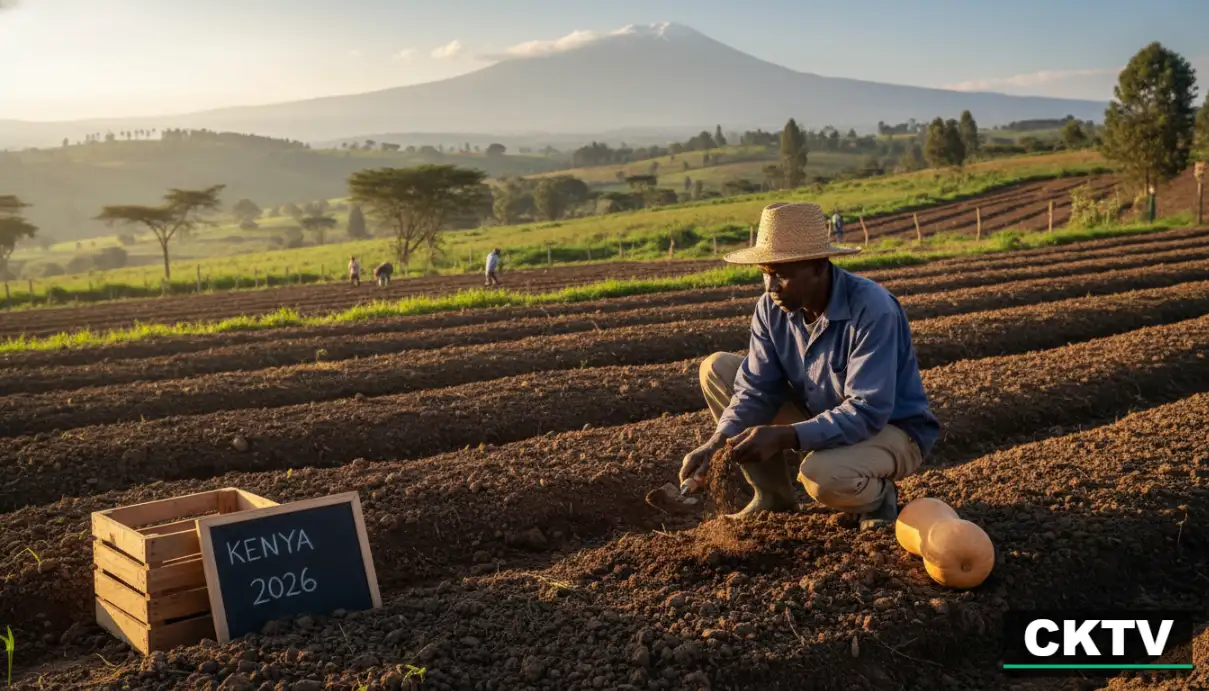
Phase 1: Field Assessment and Soil Analysis
Begin seasonal preparations at least eight to ten weeks before the anticipated start of the rains. Walk the entire farm acreage to check boundary fencing, clear drainage channels, and collect representative composite soil samples across distinct blocks. Submit these samples to an accredited testing laboratory to assess current pH and nutrient levels, allowing adequate time to order corrective agricultural lime and organic compost.
Phase 2: Sourcing Certified Inputs and Nursery Propagation
Avoid the last-minute planting scramble by ordering certified hybrid seeds, seedling propagation trays, and cocopeat media directly from verified distributors well in advance. If raising specialized crops like indeterminate tomatoes, sweet peppers, or bulb onions, sow nursery trays four to six weeks before the planned transplanting date so that vigorous, disease-hardened seedlings are ready when field conditions are optimal.
Phase 3: Land Preparation and Irrigation Setup
Complete land tillage, harrowing, and raised bed preparation while the soil is completely dry to prevent soil compaction. Incorporate well-cured farmyard manure thoroughly into planting beds and tree basins. Inspect existing irrigation systems, service solar or fuel-powered water pumps, flush main lines to clear sediment build-up, and replace cracked fittings or blocked drip lines before transplanting begins.
21. Quality Farming Products and Supplies
Sourcing quality agricultural materials requires choosing proven, UV-treated inputs and verified planting materials. Using durable multi-storey vertical gardens, certified grafted seedlings, and tested grow bags ensures that farm infrastructure delivers reliable long-term returns.
Sourcing Certified Seedlings and Orchard Stock
The foundation of orchard and horticulture profitability rests on initial seedling vigor. When purchasing grafted fruit tree seedlings, examine the graft union carefully to ensure proper healing and check that root systems show healthy, active white root tips without taproot coiling. Certified vegetable seedlings raised in professional seedling trays feature dense, compact root plugs that establish quickly with minimal transplanting shock.
Durable Vertical Gardens and UV-Stabilized Grow Bags
Urban and small-space vegetable production requires specialized, durable materials. Standard thin black polythene bags degrade quickly under intense tropical sunlight, splitting within three to six months and damaging root systems. Investing in white UV-treated grow bags reflects excessive midday root-zone heat and delivers five or more seasons of continuous use. Similarly, multi-storey vertical garden towers manufactured from heavy-gauge geomembrane material resist sun degradation and provide stable growing conditions for high-density leafy greens.
Farm Inputs and Nationwide Delivery Logistics
Reliable supply chains ensure access to quality inputs regardless of farm location. Agribusiness operators across Kenya routinely order specialized nursery supplies, propagation trays, vertical garden kits, and specialized grow bags directly from Crazy Kanairo Farming, with deliveries coordinated through dependable regional courier networks to commercial agricultural centers nationwide.
Building a Sustainable Farming Business
Building a genuinely profitable and sustainable farming business in Kenya requires moving beyond outdated, speculative traditions. Entering 2027, the farmers who thrive are those who approach agriculture with an enterprise mindset. They systematically analyze their soil chemistry, match crop selection to verified market demand, conserve every drop of water through efficient drip irrigation, and monitor their production costs down to the single shilling.
Every agricultural venture, whether an intensive multi-storey vertical kitchen garden in Nairobi or a broad-acre commercial fruit orchard in the Rift Valley, demands discipline, continuous practical learning, and quality inputs. Take time to build your agronomic knowledge, invest in verified planting materials, and base your business decisions on real operational numbers. Explore the field resources, nursery supplies, and tested agricultural guides available through Crazy Kanairo Farming to support your farm enterprise today.
Frequently Asked Questions About Farming in Kenya in 2027
Which farming is most profitable in Kenya in 2027?
High-value horticulture under drip irrigation, export Hass avocados, commercial poultry, and intensive vegetable farming offer top returns when tied to verified buyers.
What are the best crops to grow in Kenya for commercial farming?
Hybrid bulb onions, tomatoes, capsicum, Hass avocados, Pixie oranges, and leafy indigenous vegetables yield dependable, high-demand commercial returns.
How can I start farming in Kenya with KSh10,000?
Invest in an urban multi-storey vertical garden or quality grow bags to produce fast-maturing leafy greens like spinach and coriander for local retail sales.
Which vegetables grow fastest and sell well in Kenya?
Terere (amaranth) matures within 25 days, spinach and sukuma wiki within 45 days, and traditional nightshade (managu) within 35 days, all enjoying strong daily urban demand.
What are the best fruit trees to plant in Kenya for commercial production?
Grafted Hass avocados, Pixie oranges, Apple mangoes, and dwarf pawpaws deliver the highest, most consistent commercial profits nationwide.
Which modern farming methods are suitable for small-scale farmers in Kenya?
Multi-storey vertical garden towers, grow nets, white UV-treated grow bags, low-pressure gravity drip irrigation kits, and basic greenhouse shelters deliver exceptional efficiency.
How can I start a successful agribusiness in Kenya with limited capital?
Using drip irrigation, mulching beds, harvesting rainwater into lined farm ponds, minimum tillage, and planting drought-resistant certified crop varieties.
Where can I buy quality fruit seedlings, vegetable seedlings and farming supplies in Kenya?
Source directly from accredited agricultural supply partners, registered KEPHIS-certified tree nurseries, and Crazy Kanairo Farming for verified planting stock.
How can farmers increase agricultural productivity and profitability in Kenya?
Test soils annually to guide fertilizer use, install efficient drip irrigation, eliminate middlemen through direct marketing, and keep detailed financial records.




Leave a comment