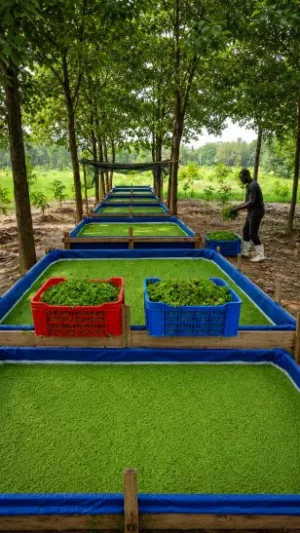


- High Profit Potential: Established vineyards can yield between 15 to 20 tonnes per hectare, translating to revenue exceeding KES 1.5 million annually under optimal management.
- Critical Climate Needs: Successful production requires warm, dry climates with temperatures between 15°C and 40°C, making regions like Meru, Naivasha, and Kibwezi ideal.
- Long-Term Investment: While initial establishment costs for trellising are high (approx. KES 500,000+ per acre), grapevines remain productive for over 20 to 30 years.
Table of Contents
Grape farming is rapidly evolving from a hobbyist activity into a serious commercial venture in Kenya’s agribusiness landscape for 2026. With the local market previously dominated by imports from South Africa and Egypt, Kenyan farmers are now reclaiming the market share by leveraging improved varieties and modern trellising techniques. This guide serves as your definitive manual for navigating the technical, financial, and agronomic requirements of establishing a profitable vineyard.
Is grape farming profitable for beginners in Kenya?
Yes, grape farming is highly profitable for beginners who can sustain the initial capital intensity. A well-managed acre can generate gross revenues between KES 800,000 and KES 1.5 million annually once the vines mature. However, profitability depends heavily on proper variety selection and disease management, and estimated ranges vary by management practices.
The profitability of grape farming stems from the high demand for fresh table grapes and the burgeoning local wine industry. Unlike seasonal vegetables that flood the market, grapes command consistent prices ranging from KES 200 to KES 400 per kilogram at the farm gate. The initial wait period of two to three years for the first significant harvest is the main barrier to entry.
Read Also: Watermelon Farming in Kenya 2026: Step by Step Guide from Planting to Harvest
Once the vines are established, the recurring costs drop significantly compared to annual crops. Farmers in semi-arid areas are seeing the highest returns due to fewer fungal infections and better sugar accumulation in the fruit. This shifts the focus from simply growing food to managing a long-term biological asset.
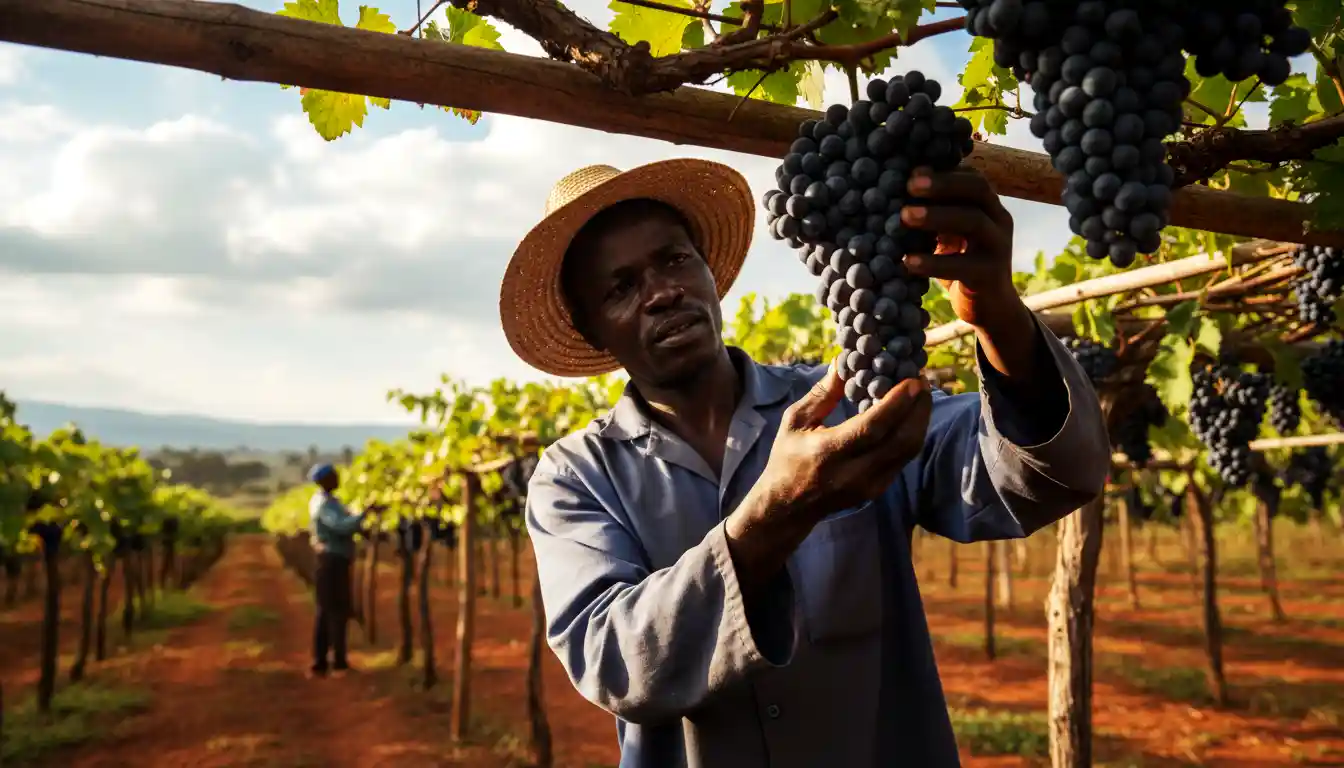
Nutritional Value & Health Benefits of Grapes
Beyond high profitability, the surging demand for grapes in Kenya is heavily driven by increasing health consciousness among consumers. Grapes are nutritional powerhouses packed with essential vitamins, minerals, and potent antioxidants. Incorporating fresh table grapes or pure grape juice into the diet offers significant health advantages:
- Powerful Antioxidant Support: Grapes are rich in polyphenols, particularly resveratrol found predominantly in red and black skins. This compound fights oxidative stress, reduces systemic inflammation, and protects cells from damage.
- Cardiovascular Health: Potassium and specific antioxidants in grapes help regulate blood pressure, lower LDL (bad) cholesterol, and improve endothelial function, significantly reducing the risk of heart disease.
- Immune & Digestive Wellness: High water and fiber content support optimal digestion and prevent constipation. Grapes also deliver a solid dose of Vitamin C and Vitamin K, boosting immunity and supporting bone density.
What are the best grape varieties for Kenyan soil in 2026?
The best varieties for 2026 include Dodoma for wine and juice due to its hardiness, and Thompson Seedless for the fresh table market. For red table grapes, Red Globe and Cardinal are top performers. Variety selection must align with your target market (wine vs. table) and local micro-climate.
Module A: Technical Deep-Dive & Best Varieties
Choosing the right variety is the single most critical decision a farmer will make. In 2026, the trend is moving toward seedless varieties for the fresh market and high-tannin varieties for the wine processors. Below are the top contenders categorized by color and use.
Red and Black Varieties
Dodoma (Black/Red): This is the most resilient variety in Kenya, originally adapted from Tanzania. It is highly resistant to fungal diseases and drought. While it has seeds, it produces excellent juice and wine, making it a favorite for value addition.
Red Globe (Red): A large-berried, seeded table grape. It is visually appealing and has a long shelf life. It is ideal for farmers targeting supermarkets in Nairobi and Mombasa, though it requires strict pruning to maintain berry size.
Merlot (Black): Specifically grown for the wine industry. It thrives in higher altitudes like Naivasha where the nights are cooler. It requires a contract with wineries before planting due to the specific processing needs.
Green Varieties
Thompson Seedless (Green): The king of table grapes. It commands the highest price in the fresh market. However, it is susceptible to mildew and requires intensive canopy management to prevent sunburn while ensuring adequate light.
Muscat of Alexandria (Green/Yellow): Known for its intense floral aroma. It is a dual-purpose grape used for both table consumption and sweet dessert wines. It performs exceptionally well in the drier parts of Eastern Kenya.
Comparison of Top Grape Varieties 2026
| Variety Name | Primary Use | Maturity Period | Yield Potential (Tons/Ha) | Disease Resistance |
|---|---|---|---|---|
| Dodoma | Wine / Juice | 3-4 Months | 15 – 20 | High |
| Thompson Seedless | Table (Fresh) | 4-5 Months | 12 – 15 | Low (Needs care) |
| Red Globe | Table (Fresh) | 4 Months | 18 – 22 | Moderate |
| Cardinal | Table (Fresh) | 3 Months (Early) | 10 – 14 | Moderate |
| Chenin Blanc | White Wine | 4 Months | 12 – 16 | Moderate |
Where to Buy Best Grape Varieties seedlings in Kenya 2026
To ensure genetic purity, source seedlings from KALRO Thika or certified private nurseries in Naivasha and Yatta. Digital platforms like Safaricom Digifarm and Mkulima Young connect farmers with verified propagators. Avoid roadside sellers as they often sell unrooted cuttings that have high mortality rates.
Module B: Sourcing & Procurement
Read Also: Hass Avocado Seedlings in Kenya 2026: Trusted Nurseries, Prices and Spacing Guide
The success of your vineyard begins with the quality of your planting material. In 2026, the sourcing landscape has digitized, but physical verification remains important. Buying from uncertified sources often leads to “blind farming,” where you wait two years only to realize you planted a wild variety.
For farmers looking to start or expand their grape farms, we recommend sourcing certified grape seedlings from trusted local suppliers. Below are some of our top recommendations, ensuring healthy, high-quality vines for maximum yield:
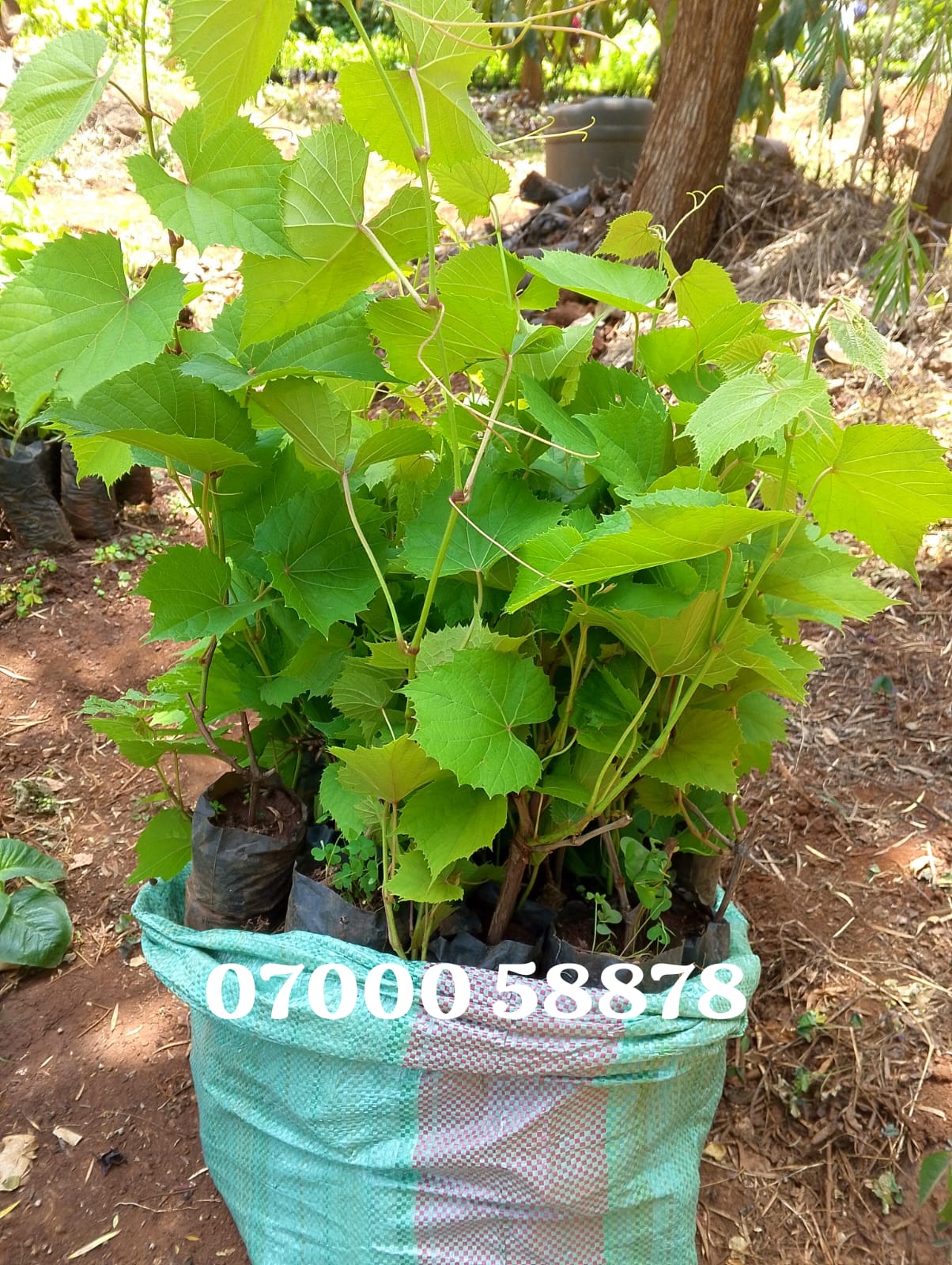
- Conservator Apple Gardens – Known for their robust grape seedlings and excellent customer support. Contact: 0700 058 878
Conservator Apple Gardens - Trusted Local Nurseries – Offering grafted grape seedlings ready for Kenyan microclimates.
Nursery Seedlings - Verified Smallholder Grower Stocks – High-quality grape seedlings grown for resilience in arid and volcanic highlands.
Grapevine Stock
These suppliers have been carefully vetted for plant health, grafting quality, and suitability to local growing conditions. Always confirm stock availability and request certified grafted seedlings to ensure strong, disease-free vines.
Certified Institutional Sellers: The Kenya Agricultural and Livestock Research Organization (KALRO), particularly the Thika Horticulture center, is the gold standard. They provide grafted seedlings that are resistant to nematodes and phylloxera. Kenya Seed Company also stocks specific variety seeds and seedlings depending on the season.
Private Nurseries & Commercial Farms: Large established vineyards in Meru (Naari area) and Yatta often sell cuttings and rooted seedlings to neighboring farmers. Purchasing here allows you to see the “mother plant” in production. This helps you verify the yield potential before you buy.
Digital Marketplaces: Platforms like Jiji Kenya and Mkulima Young have numerous listings. When using these, filter for “verified sellers” and insist on visiting the nursery. Look for sellers who offer agronomic support or planting manuals alongside the seedlings.
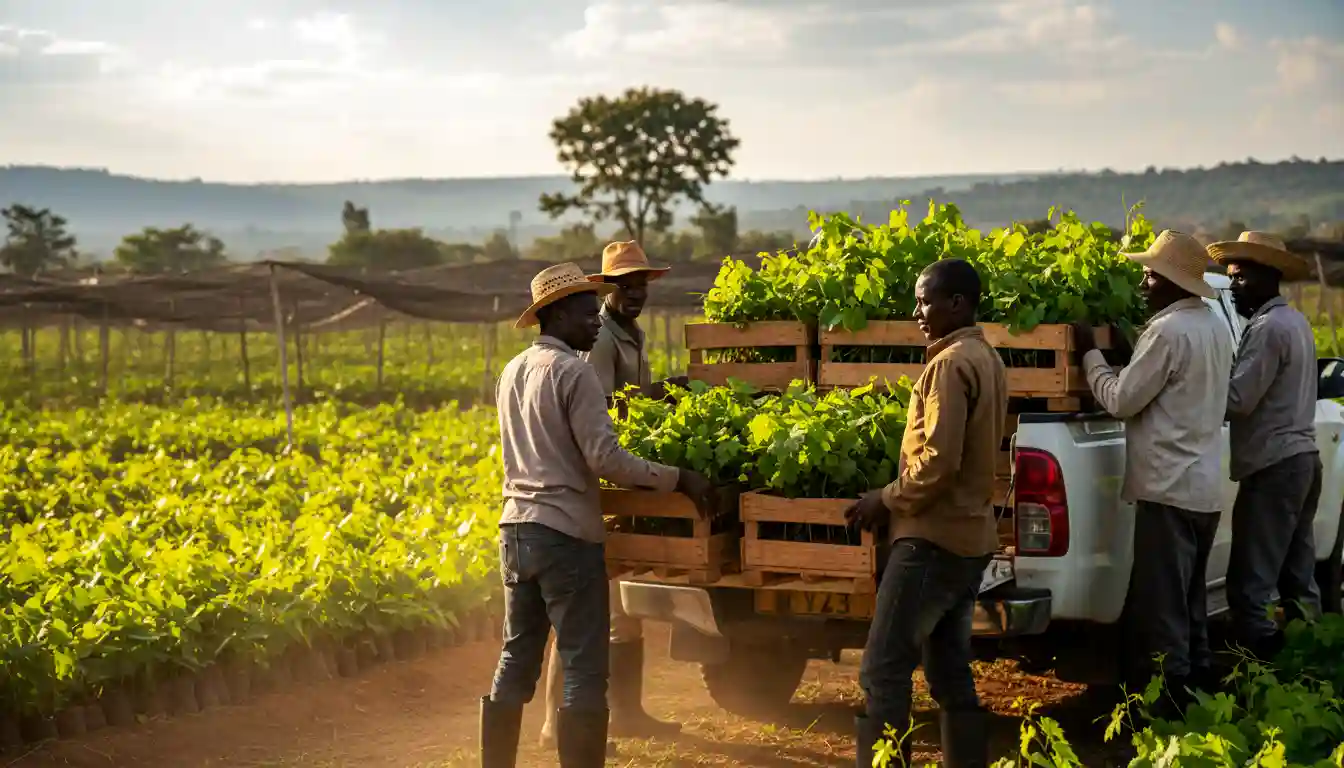
Which regions in Kenya are best suited for grape farming?
The best regions are Meru (Naari, Yatta), Naivasha, and Kibwezi. These areas offer the necessary warm days and cool nights for sugar accumulation. Areas with excessive rainfall are unsuitable as high humidity promotes fungal diseases like downy mildew and causes fruit rotting.
Module C: Regional Comparative Analysis
Not every county in Kenya can support grape farming. The crop demands a distinct dry season to induce dormancy and stress the vine into fruiting. Below is an analysis of three top-performing counties.
Meru County (The Hub): Specifically the Naari and Yatta regions. Meru is currently the leading producer of grapes in Kenya. The volcanic soils are rich in potassium, which is essential for berry development.
The altitude provides a perfect balance of hot days for photosynthesis. It also offers cool nights that preserve the acidity in the grapes. This balance is crucial for flavor development.
Uasin Gishu / Rift Valley: While traditionally known for maize, areas around Soy and Turbo are experimenting with cold-hardy grape varieties. The challenge here is the prolonged rainy season. Farmers in this region must invest heavily in fungicides and canopy management to ensure airflow.
Kilifi / Coastal Region: Surprisingly, certain arid pockets of the coast are suitable for heat-tolerant varieties like Dodoma. The challenge is the lack of a chilling period to break dormancy. Farmers here use chemical dormancy breakers (hydrogen cyanamide) to force flowering.
Module C.5: Step-by-Step Beginner’s Growing Guide
Establishing a vineyard requires a methodical approach during the first year to ensure a long-lived, high-yielding crop. For a beginner, the process of moving from bare land to an established vine can be broken down into four foundational phases:
Step 1: Land Preparation & Soil Modification
Clear the land completely of stumps and deep weeds. Dig planting holes measuring 60cm wide by 60cm deep, spaced 3 meters between rows and 1.5–2 meters between plants. Separate the topsoil from the subsoil. Mix the topsoil thoroughly with one bucket of well-decomposed manure and 150 grams of DAP fertilizer, then return the mixture to the hole, leaving a slight depression to harvest rainwater.
Step 2: Sourcing and Planting the Seedlings
Procure certified, healthy grafted seedlings from recommended nurseries during the onset of the rainy season or ensure your drip irrigation system is functional before planting. Carefully remove the polythene potting bag without disturbing the root ball. Place the seedling into the hole at the same depth it was growing in the bag, ensuring the graft union remains at least 10 centimeters above the soil line to prevent fungal infections. Firm the soil down and water heavily.
Step 3: Setting Up the Trellis System
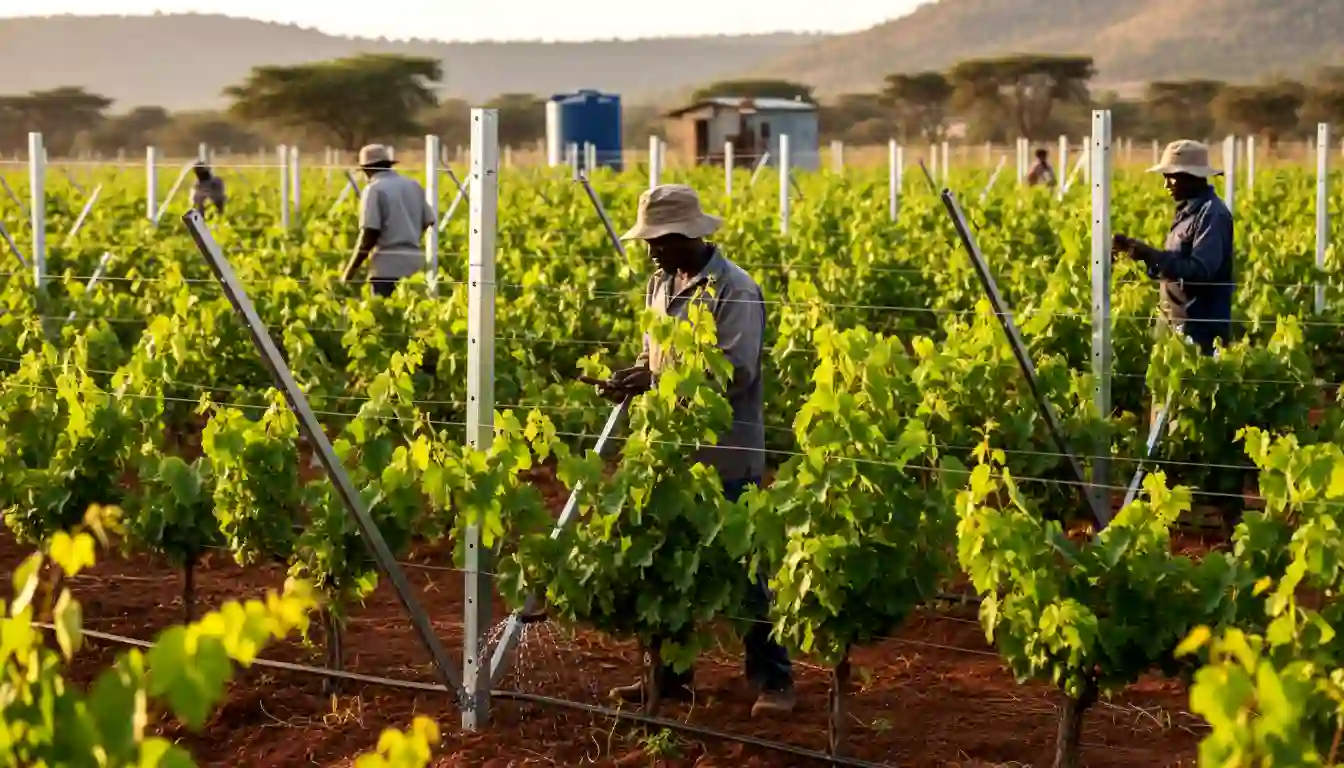
Because grapevines are climbing lianas, they require immediate support to grow straight and maximize sunlight exposure. Install strong wooden or galvanized steel posts at intervals of 4–5 meters along the row. Run durable, high-tensile galvanized wires at heights of 1 meter and 1.8 meters from the ground. This infrastructure forms the structural framework that supports the massive weight of the fruit canopy in subsequent years.
Step 4: Early Training & Canopy Care
During the first few months, your primary goal is to develop a strong, straight main trunk. Tie the dominant, fastest-growing shoot loosely to a bamboo training stake leading up to the trellis wire. Pinch off all lateral side shoots and flowers that emerge during the first year. This forces the grapevine to direct all its biological energy into building a robust root system and a thick, sturdy main trunk rather than wasting resources on premature fruit.
How do you manage a grape farm year-round?
Year-round management revolves around pruning (July/August), irrigation (critical during flowering and fruit set), and pest control. The vine follows a strict cycle of dormancy, bud break, flowering, and harvest. Missing the pruning window by even two weeks can significantly reduce the season’s yield.
Module D: 12-Month Farming Calendar
Successful grape farming relies on strict adherence to a calendar. This schedule assumes a bimodal rainfall pattern typical of central Kenya.
January – February (Harvesting & Post-Harvest): This is the primary harvest season for most varieties. Grapes do not ripen off the vine, so harvest must be timed perfectly using a refractometer to check sugar levels (Brix). After harvest, apply irrigation to help the vine recover energy reserves.
March – April (Vegetative Growth & Maintenance): The long rains usually begin. Allow the vines to grow leaves to accumulate carbohydrates. Focus on weed control and applying manure or compost.
Ensure drainage channels are open to prevent waterlogging. May – June (Dormancy Preparation): Reduce irrigation significantly to induce stress. The leaves will yellow and fall.
This “rest” period is vital. The vine stops growing and stores energy in the roots and trunk. July – August (Pruning – The Critical Phase): This is the most important activity.
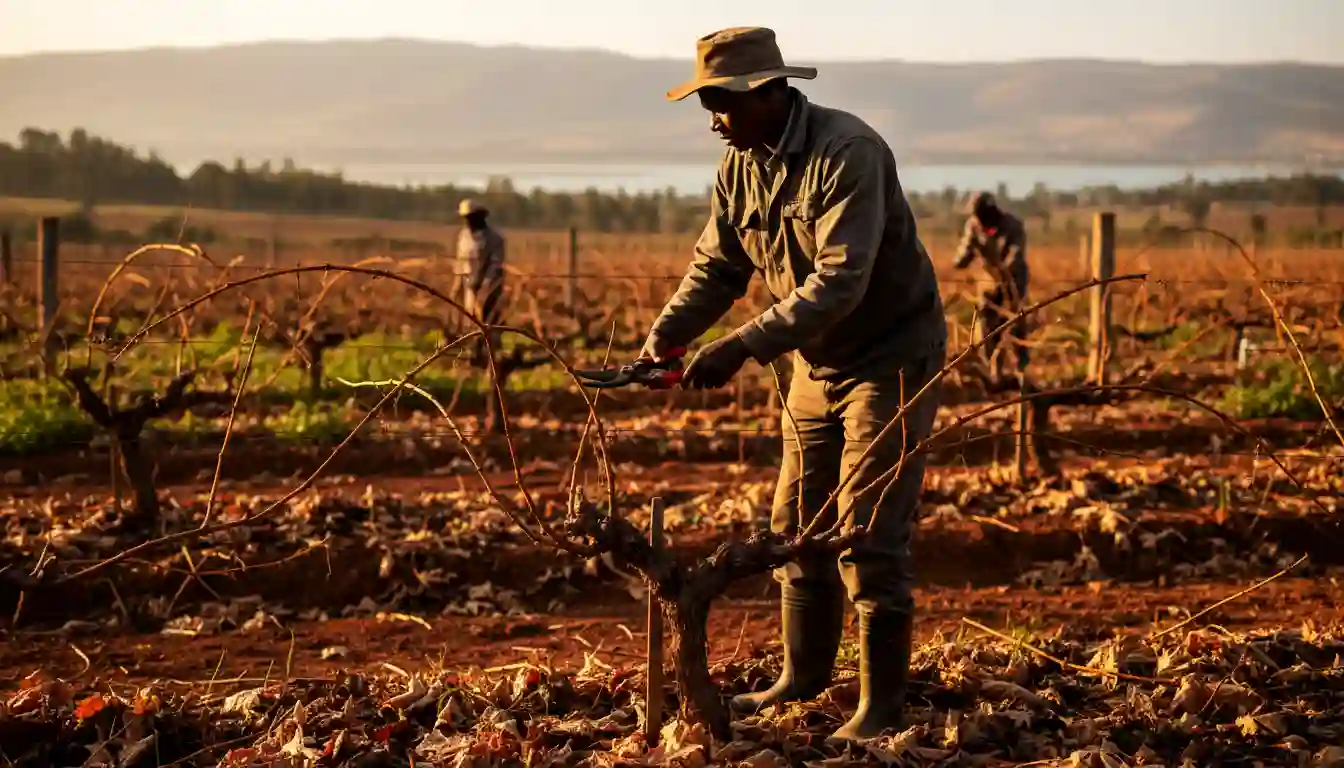
Prune back the canes to 3-4 buds (spur pruning) or longer canes depending on the variety. Apply dormancy breaking chemicals if the weather isn’t cold enough. Apply the main dose of fertilizer (DAP/CAN) immediately after pruning.
September – October (Bud Break & Flowering): New shoots emerge. Flowering occurs. Avoid spraying harsh chemicals during full bloom to protect pollinators.
Read Also: Mango Farming in Kenya: Spacing, Seedlings, Yields and Profit per Acre in 2026
Maintain steady irrigation. Water stress now will cause flower abortion. November – December (Fruit Set & Berry Expansion): The berries form and grow.
Thin out the bunches if they are too crowded to prevent rubbing and rot. Apply foliar feeds rich in Calcium and Potassium. This is the peak pest management period for thrips and birds.
Comprehensive Disease & Pest Management
Fungal infections and opportunistic pests represent the highest risk to your vineyard’s profitability. In Kenya’s bimodal climate, management must focus on proactive prevention rather than reactive treatment, especially during peak humidity periods.
Critical Fungal Diseases
Downy Mildew (Plasmopara viticola)
This is the most destructive fungal disease in Kenyan vineyards, thriving during the rainy seasons in regions like Uasin Gishu. It manifests as oily, yellowish spots on the upper surface of leaves, followed by a white, cottony fungal growth underneath. If left unchecked, it causes complete defoliation and rots entire fruit clusters.
- Control: Maintain a strict preventative spray schedule using copper-based fungicides or mancozeb before rainy periods. Prune lower leaves to ensure maximum airflow and keep trailing canopy shoots off the damp ground.
Powdery Mildew (Uncinula necator)
Unlike downy mildew, powdery mildew thrives in warm, humid conditions with minimal direct rainfall. It covers leaves, stems, and berries with a distinctive white-to-gray powdery fungal dusting. Infected berries fail to expand, split open contextually, and dry up completely.
- Control: Apply wettable sulfur sprays preventatively starting from bud break up until fruit set. Ensure open canopy training structures to allow maximum sunlight penetration, which naturally inhibits spore development.
Major Vineyard Pests
Birds (The Harvest Destroyers)
Birds pose the greatest threat to your crop during the final ripening phase (veraison) when sugar content rapidly rises. Local species can destroy an entire acre of premium table grapes within 48 hours by piercing the skins, leading to secondary sour rot infections.
- Control: Deploying specialized UV-treated nylon bird netting directly over the trellis wire frame is the only 100% effective long-term defense mechanism. Visual deterrents like reflective tapes or flash flags offer minimal protection as birds quickly adapt to them.
Thrips & Mealybugs
These small, sap-sucking insects target tender new shoots, delicate blossoms, and developing berry clusters. Thrips cause severe scarring on the skin of table grapes, lowering their market grade from premium supermarkets to open market standards. Mealybugs excrete sticky honeydew that promotes black sooty mold growth.
- Control: Use systemic insecticides containing imidacloprid during the early vegetative phase. Avoid spraying chemical treatments during full bloom periods to completely safeguard natural insect pollinators. Conserve local predatory beetles to keep mealybug colonies under control naturally.
What are the financial costs and returns for grape farming?
Starting one acre costs approximately KES 500,000 to KES 800,000, covering seedlings, trellising (posts and wire), and drip irrigation. Break-even typically occurs in Year 3. From Year 4 onwards, annual operational costs drop to roughly KES 150,000, while revenue can exceed KES 1 million, offering a high ROI.
Module E: Deep-Dive Financials
Grape farming is capital intensive but offers one of the highest returns per acre of any legal crop in Kenya. The financial barrier is the infrastructure. Vines cannot grow on the ground and require a sturdy “T” or “Y” trellis system.
Break-Even Analysis
Farmers should not expect significant income in Year 1 or Year 2. The first commercial harvest comes in Year 3. Therefore, you must have cash flow to sustain the farm for 24 to 36 months without returns.
Intercropping with beans or onions in the first year can help offset weeding costs. However, care must be taken not to disturb the vine roots.
Estimated 1-Acre Financial Table (KES)
| Cost Item | Year 1 (Establishment) | Year 2 (Maintenance) | Year 3 (Production) |
|---|---|---|---|
| Land Prep & Holes | 40,000 | 10,000 | 10,000 |
| Seedlings (1,000 vines) | 250,000 | 20,000 (Gapping) | 0 |
| Trellising (Posts/Wire) | 200,000 | 10,000 (Repairs) | 10,000 |
| Inputs (Fertilizer/Chemicals) | 60,000 | 80,000 | 100,000 |
| Labor | 80,000 | 80,000 | 120,000 |
| TOTAL EXPENSES | 630,000 | 200,000 | 240,000 |
| REVENUE (Conservative) | 0 | 50,000 | 1,200,000 |
| NET PROFIT | -630,000 | -150,000 | +960,000 |
Note: Estimated ranges vary by management, location, and market prices.
How does the grape supply chain and value addition work?
The supply chain moves from Farm to Broker or Farm to Retailer. Value addition is gaining traction, with farmers processing Grade B grapes into pure grape juice, jams, and wine. This reduces post-harvest losses and stabilizes income during market gluts, significantly increasing the total value extracted per acre.
Module F: Supply Chain & Value Addition
The Kenyan grape market is stratified. The top tier consists of premium supermarkets (Carrefour, Naivas) that require perfect bunches. These buyers demand uniform size, no blemishes, and high sugar content.
Farmers supplying this channel often need GlobalGAP certification. The second tier is the open market (Marikiti, Muthurwa). Here, aesthetic standards are lower, but prices are also reduced.
Value Addition Opportunities: In 2026, the real money is in processing. Grapes are highly perishable, so if you cannot sell fresh, you must process.
1. Wine Production: Small-scale cottage wineries are legal with proper licensing from KEBS and KRA. This allows farmers to store their “harvest” in bottles for years, increasing value with time. 2. Dried Raisins: With simple solar dryers, farmers can convert unsold stock into raisins, which have a shelf life of over a year.
Read Also: 10 Most Profitable Farming Ventures in Kenya for 2026
3. Grape Juice: Pasteurized grape juice is in high demand as a health drink. It requires less regulatory compliance than alcohol. It utilizes fruit that may have physical blemishes but good internal quality.
Where to Sell Your Grape Harvest in Kenya
Securing a reliable market before your vines reach peak maturity is critical for maximizing returns and minimizing post-harvest losses. The Kenyan grape market is highly lucrative but structured, offering several viable options depending on your variety and fruit quality:
- Premium Retailers & Supermarkets: High-end supermarkets like Carrefour, Naivas, and Chandarana Foodplus are under constant pressure to satisfy a growing middle-class demand for fresh table grapes, which they heavily import. To penetrate this premium tier, your fruit must meet strict aesthetic standards, including uniform size, zero blemishes, high sugar content (Brix levels), and proper cold-chain handling. Suppliers to this channel generally require formal product aggregation and GlobalGAP certifications.
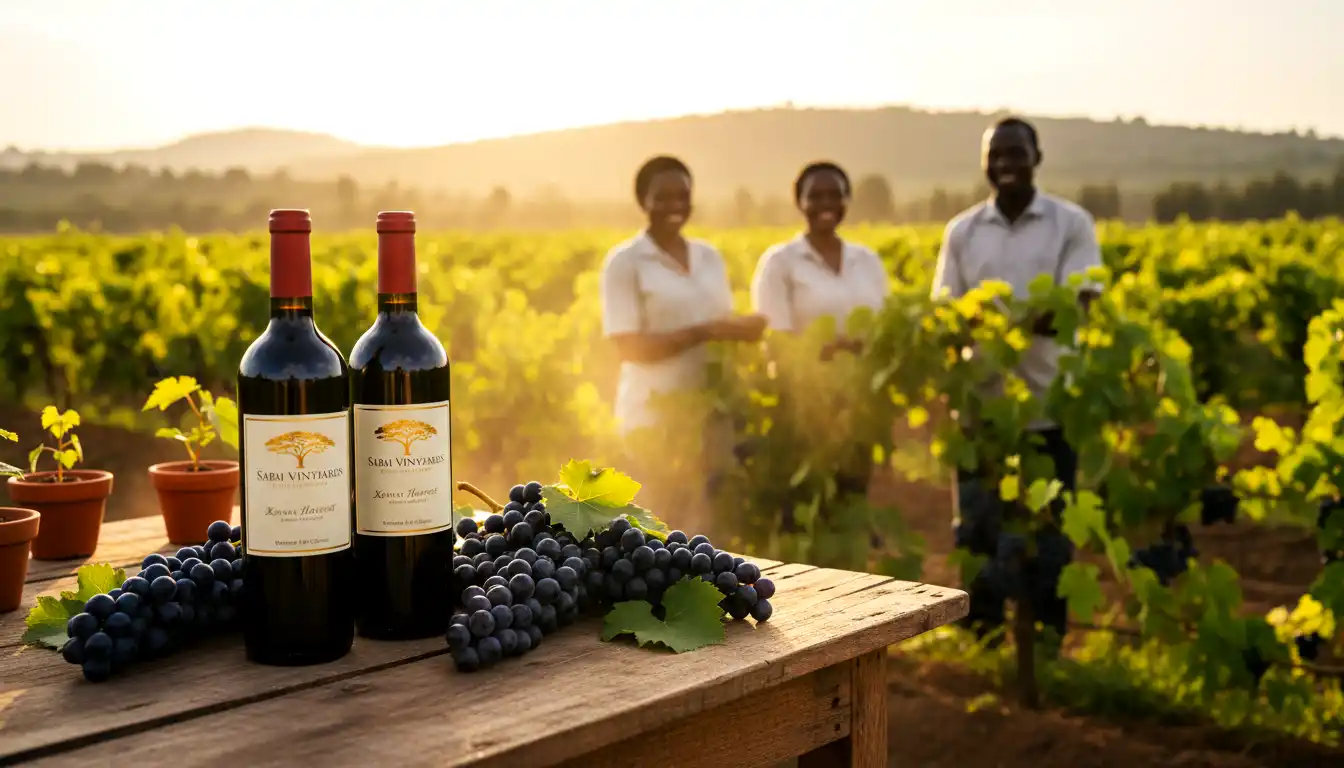
- Local Wineries & Processors: For wine varieties like Merlot, Chenin Blanc, or multi-purpose grapes like Dodoma, local processors offer stable, bulk-buying arrangements. Leading operations such as Kenya Wine Agencies Limited (KWAL) and emerging boutique vineyards like Yatta Vineyards or cottage wineries in Naivasha and Meru actively seek locally grown grapes to reduce dependence on imported concentrates. These processors often purchase on a contract-farming basis, giving you a guaranteed floor price per kilogram based on tonnage and chemical composition (sugar and acidity parameters).
- Open Wholesale Markets: If your harvest does not meet premium supermarket criteria due to cosmetic imperfections, open-air wholesale hubs such as Wakulima Market (Marikiti) and Muthurwa in Nairobi, or Kongowea in Mombasa, offer immediate cash sales. While prices fluctuate based on daily supply and demand, the high volume capacity of these markets ensures rapid stock turnover.
- Direct-to-Consumer & Hospitality: Premium hotels, safari lodges, and independent high-end restaurants represent a highly profitable niche market for premium, fresh table grapes. Additionally, the rise of digital agribusiness marketplaces allows you to cut out brokers completely, leveraging social platforms or specialized agricultural apps to sell freshly picked, premium fruit directly to health-conscious urban consumers at a premium price.
Final Tips for Farmers
To optimize your vineyard’s yield, match specific grape varieties to your local microclimate. Planting the wrong variety in a region with excessive rainfall or insufficient heat reduces sugar accumulation and increases fungal risk.
☀️ Hot, Dry Lowlands & Arid Pockets
Regions: Kibwezi, Makindu, Makueni, Garissa, Kilifi, Kwale
Best Varieties: Crimson Seedless, Thompson Seedless, Dodoma
Agronomic Reason: Long sunny days with zero frost risk; dry heat accelerates ripening and reduces downy mildew.
Special Management: Use chemical defoliants in coastal zones to induce dormancy for uniform flowering.
🌋 Rich Volcanic Highlands & Slopes
Regions: Meru (Naari, Yatta), Nakuru, parts of Embu
Best Varieties: Flame Seedless, Red Globe, Chenin Blanc
Agronomic Reason: Potassium-rich soils and high altitude optimize berry size, sugar, and acidity.
Special Management: Maintain drainage and apply preventative copper fungicides before rains.
🌬️ Moderate Altitudes & Cool Basin Zones
Regions: Naivasha, Laikipia, Soy, Turbo
Best Varieties: Merlot, Cabernet Sauvignon, Crimson Seedless
Agronomic Reason: Cooler nights and moderate daytime heat develop complex wine grape flavors without scorching.
Special Management: Use open canopy systems like Y-trellis to maximize airflow and prevent moisture build-up.
Golden Rules for Commercial Viticulture
- Never Skimp on Infrastructure: Use robust Y-trellises or VSP systems to carry heavy fruit loads.
- Drip Irrigation is Non-Negotiable: Maintain consistent moisture during flowering and fruit set.
- Prune Ruthlessly and on Time: Only new wood bears fruit; proper pruning ensures high-quality yields.
- Protect the Skin, Protect the Profit: Maintain sulfur routines and use UV-treated bird netting to safeguard ripening grapes.
For a visual demonstration of vineyard setup, vine training, and pruning techniques, watch the practical video Planting and Growing Grapes in Kenya Above. It provides step-by-step guidance for trellis installation and early canopy management.
Conclusion: 2026 Outlook
As we look through 2026, grape farming in Kenya is transitioning from an experimental crop to a staple high-value horticultural venture. The convergence of better planting materials from KALRO and a thirsty local market creates a unique window of opportunity. The risks, including birds, disease, and high startup costs, are real.
However, the rewards for the patient and disciplined farmer are substantial. Success in this sector requires a long-term mindset. Start small, invest in a quality trellis system, and prioritize water management to succeed in the evolving Kenyan agribusiness landscape.
Farmers Also Ask (FAQ)
How long does it take for grapes to grow in Kenya?
Grapes typically take 2 to 3 years to reach their first commercial harvest after planting rooted cuttings. However, you may see a few bunches in the second year. The vines reach full maturity and peak production potential by the fourth or fifth year.
Can grapes grow in hot areas like Mombasa?
Yes, but it is challenging. Coastal areas lack the cold season required for natural dormancy. Farmers in these regions must use chemical defoliants to simulate winter and induce flowering.
What is the spacing for grape farming?
The standard spacing is 3 meters between rows and 1.5 to 2 meters between plants. This spacing allows for adequate airflow to prevent fungal diseases. It also provides enough room for tractor or manual operations between the rows.
How many grapevines can fit in one acre?
With a spacing of 3m x 2m, you can fit approximately 600 to 800 vines per acre. Increasing density (closer spacing) requires more intensive pruning and canopy management. This can lead to higher early yields.
Do grapes need a lot of water?
Grapes are drought-tolerant once established. However, they require consistent moisture during the establishment phase (Year 1) and during fruit set. Drip irrigation is highly recommended to save water and keep the leaves dry, reducing disease risk.
What are the common diseases affecting grapes in Kenya?
The biggest threats are Downy Mildew, Powdery Mildew, and Anthracnose. These are fungal infections caused by high humidity. They are managed through proper pruning to open the canopy and preventative fungicide sprays
How do I protect my grapes from birds?
Birds can destroy a harvest in days. The most effective method is using bird netting over the trellis as the fruit begins to ripen. Scarecrows and reflective tapes offer temporary relief but birds often habituate to them quickly.
Is soil testing necessary for grapes?
Absolutely. Grapes prefer a soil pH of 5.5 to 7.0. They are sensitive to salinity and require well-drained soil.
Can I grow grapes from seeds?
It is not recommended for commercial farming. Grapes grown from seeds do not grow true to the parent type and take much longer to fruit. Always use grafted seedlings or vegetative cuttings from a known, productive mother plant.
Where can I sell my grape harvest in Kenya?
You can sell to supermarket chains (requires consistency) or city markets (Ziwani, City Park). Other options include hotels and lodges, or wine processors (requires a contract). Direct-to-consumer sales via social media are also becoming popular for fresh table grapes.